Latin America Corporate Tourism Rebounds: MICE Growth and Business Travel Trends 2026

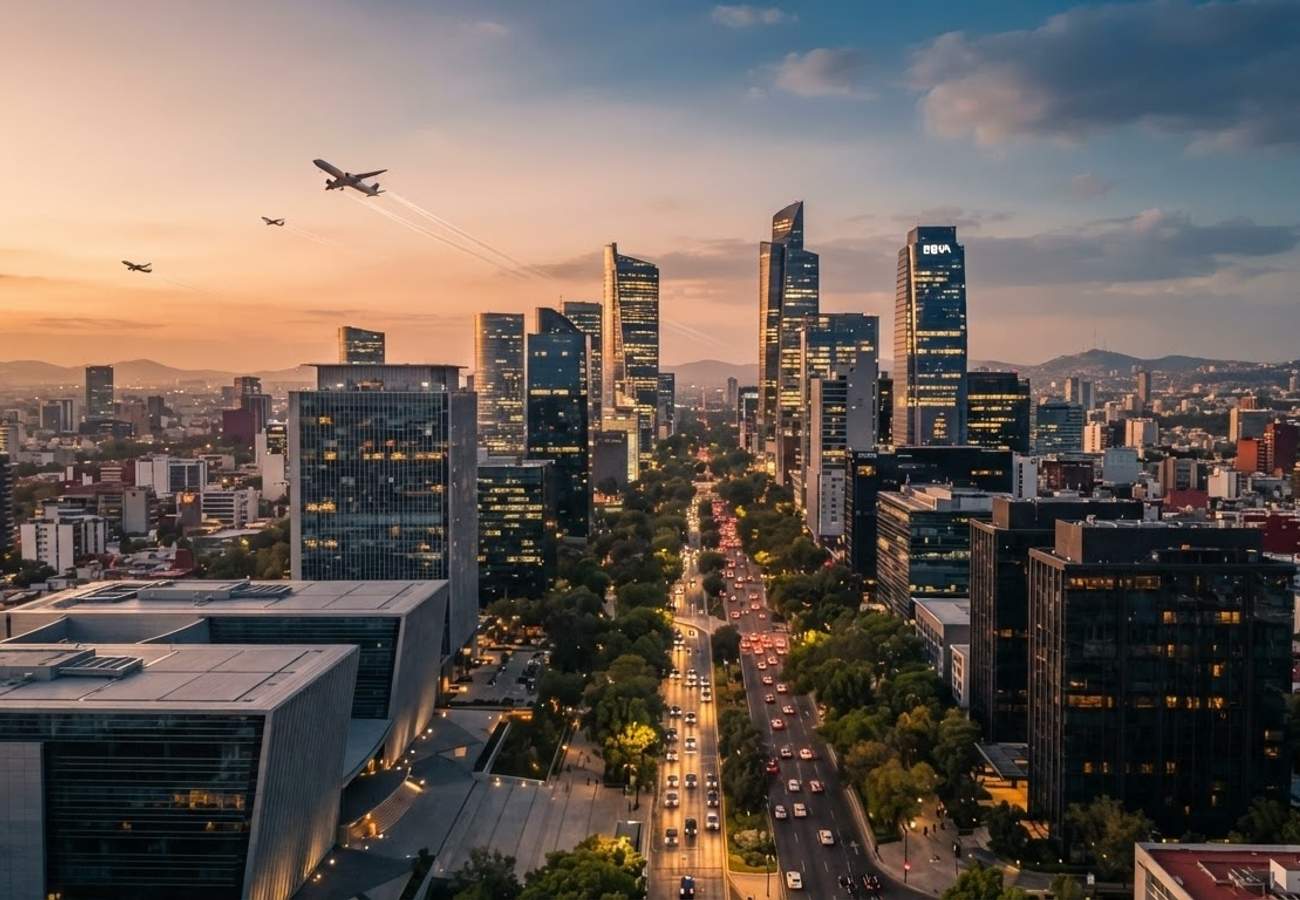
Image generated by AI
The era of virtual-only business is ending as Latin America emerges as a primary engine for global corporate mobility. With a projected 4.1% expansion in Travel & Tourism GDP for 2026, the region is pivoting toward high-value MICE events and "bleisure" integration.
The corporate travel landscape in Latin America is undergoing a fundamental transformation. No longer limited to basic flight-and-hotel arrangements, the region is redesigning its hospitality and infrastructure to support a sophisticated blend of productivity, networking, and sustainable exploration.
According to data from the World Travel & Tourism Council (WTTC), the region's travel economy is showing aggressive recovery markers. International visitor spending is projected to rise by 7.8% in 2026, signaling a strong return of confidence from global investors and multinational corporations.
The Strategic Shift Toward Face-to-Face Engagement
The resurgence of corporate tourism is driven by a corporate realization: digital tools cannot replace the trust and partnership equity built through in-person interactions. This shift has positioned Latin America as a strategic hub due to its geographic placement between North America and Europe and its competitive cost-to-quality ratio in hospitality.
Major economic centers—including Mexico City, São Paulo, Bogotá, and Panama City—are aggressively upgrading convention centers and airport infrastructure to capture this demand. This growth is particularly evident in sectors such as finance, energy, healthcare, and technology.
Regional Hubs and Their Competitive Advantages
Different markets within the region are specializing to attract specific types of corporate spend. While some focus on large-scale trade exhibitions, others are pivoting toward high-end incentive travel.
| Country | Key Corporate Tourism Hub | Main Business Travel Strength |
|---|---|---|
| Mexico | Mexico City, Monterrey, Cancún | Conferences, manufacturing, finance, incentives |
| Brazil | São Paulo, Rio de Janeiro, Brasília | Corporate meetings, trade events, technology |
| Argentina | Buenos Aires | Finance, culture, international conferences |
| Colombia | Bogotá, Medellín, Cartagena | Innovation, business events, incentives |
| Panama | Panama City | Regional headquarters, connectivity |
| Chile | Santiago | Mining, technology, investment meetings |
| Peru | Lima, Cusco | Business events combined with heritage tourism |
| Costa Rica | San José | Sustainability, technology, corporate retreats |
The MICE Catalyst: Driving High-Value Economic Impact
Meetings, Incentives, Conferences, and Exhibitions (MICE) are the primary drivers of this recovery. MICE travelers typically generate significantly higher per-capita spending than leisure tourists, utilizing a wider array of services including specialized technology rentals, luxury dining, and professional event management.
The strategic importance of MICE events extends beyond immediate revenue. These gatherings act as "destination showrooms," introducing thousands of global executives to a city's infrastructure, which often leads to future foreign direct investment.
MICE Specializations by Destination:
- Mexico City & São Paulo: Dominating in large-capacity conventions and trade exhibitions.
- Panama City: Leveraging its status as an aviation crossroads for regional connectivity.
- Cartagena & Buenos Aires: Combining luxury incentive travel with deep cultural and historic appeal.
- Santiago: Focusing on technology events and corporate investment forums.
Technology and Sustainability in the Corporate Sector
The 2026 corporate traveler is increasingly driven by ESG (Environmental, Social, and Governance) mandates. This has forced a rapid evolution in how Latin American destinations operate.
Costa Rica has set the benchmark by integrating sustainability into the corporate retreat model, positioning itself as the premier destination for eco-conscious leadership meetings. Across the region, the industry is adopting "Smart Tourism" tools to reduce friction for the business traveler, including:
- AI-driven visitor management and digital registration.
- Hybrid meeting technologies to bridge the gap between remote and on-site attendees.
- Smart airport infrastructure to expedite transit for high-frequency travelers.
The Rise of Emerging Secondary Markets
While the "mega-cities" still hold the most volume, there is a growing trend toward smaller, unique markets for executive retreats and team-building. Companies are seeking "information gain" through immersive experiences rather than sterile hotel ballrooms.
WTTC research indicates strong growth potential in markets like Ecuador and Bolivia. These destinations are leveraging nature-based incentives and heritage tourism to attract corporate groups seeking unconventional environments for strategic planning.
Emerging Market Opportunities:
- Ecuador: Quito conferences and nature-based incentives.
- Bolivia: Adventure-linked executive retreats.
- Guatemala: Regional meetings centered around heritage tourism.
- Colombia: Expansion of innovation hubs and incentive programs.
Aviation Connectivity as the Growth Backbone
The viability of corporate tourism is inextricably linked to air access. The strengthening of gateways in Lima, Bogotá, and Mexico City allows for efficient multi-city itineraries, which are essential for regional executives managing diverse portfolios.
Improved flight frequencies and reduced connection times are making the region more accessible to Asian and European markets, further diversifying the corporate visitor profile.
Latin America is no longer just a leisure destination; it is a sophisticated corporate ecosystem where business and culture converge.
Related Travel Guides
This article is for informational purposes. Flight routes, passenger regulations, visa rules, and transit advisories are subject to change by airlines and aviation authorities. Readers are advised to verify schedules and travel documentation with relevant carriers and border agencies before departure.
Related Stories

Europe Overhauls Corporate Travel Rules with Biometric Borders, Green Hospitality, and High-Speed Rail

European Mass Protests Disrupt Travel Across France, Italy, Belgium, and Turkey in 2026