Sagano Scenic Railway Retires Iconic Fleet in 2026: Data on Kyoto's Heritage Rail Shift

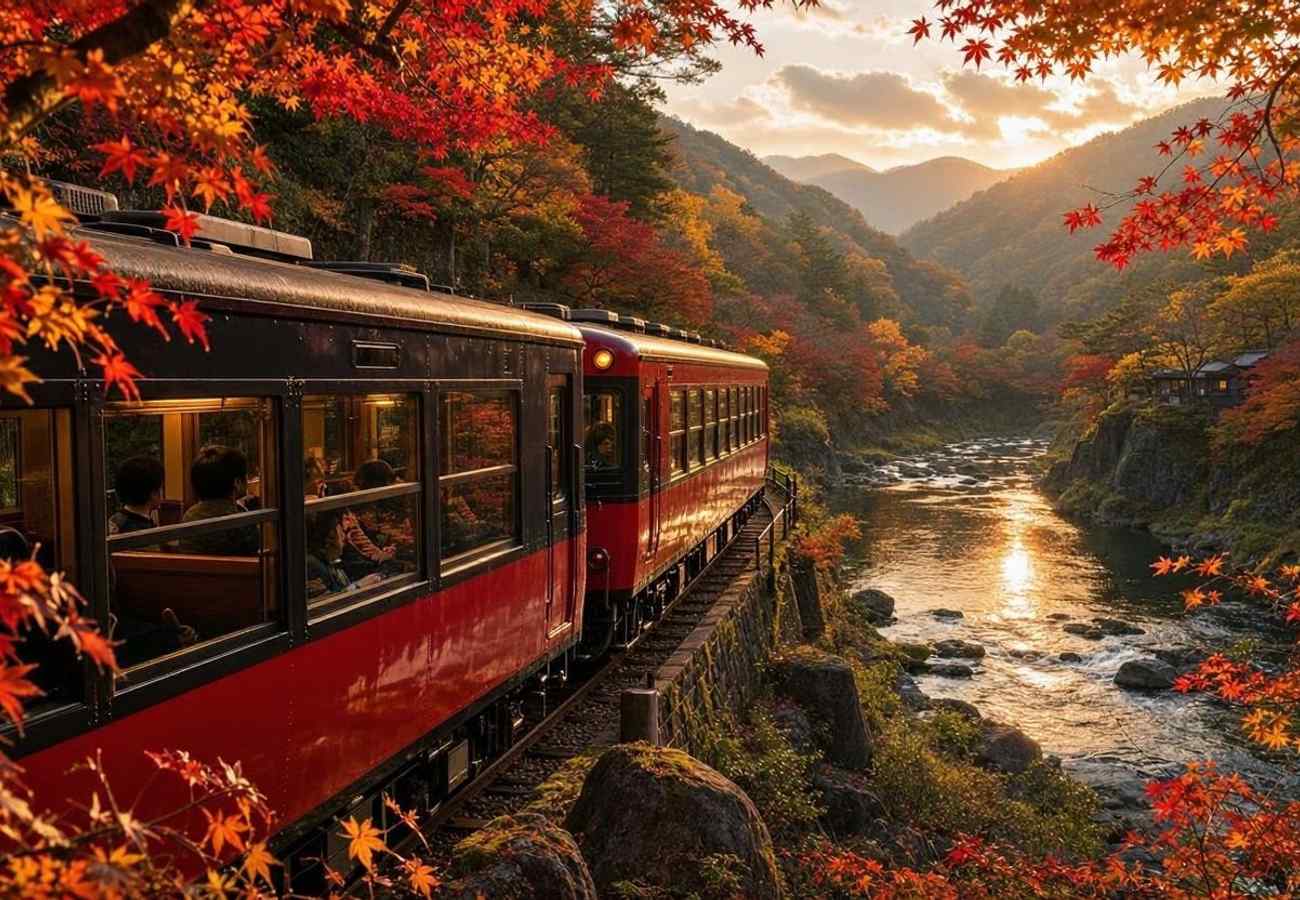
Image generated by AI
Passenger volume for the Sagano Scenic Railway has reached a cumulative 30 million travelers over several decades, but the era of its iconic red-and-black rolling stock ends in December 2026. This decommissioning marks a definitive break from incremental updates, moving instead toward a total fleet replacement to meet 2027 safety and accessibility benchmarks.
The Heritage Rail Transition in Numbers
The decommissioning of the current Sagano fleet is not merely a cosmetic change but a response to the aging infrastructure of a system that has become a primary driver for tourism in Kyoto's Ukyo Ward. Data indicates that approximately 70% of the current passenger demographic consists of international visitors, creating an unprecedented surge in demand during the final operational window.
The current operational model centers on a 30-minute transit between Torokko Saga Station and Torokko Kameoka Station. The high concentration of foreign tourists has shifted the ticketing dynamic; walk-up availability at station windows is now described as extremely limited or non-existent during peak autumn periods. This shift suggests that heritage rail experiences in Japan are moving toward a 100% pre-booked model to manage crowd density near cultural landmarks like the Kitano Tenmangu Shrine.
Comparative Analysis: Heritage vs. Modernized Transit
Historically, the Sagano Scenic Railway focused on the preservation of "nostalgic" aesthetics. However, the 2027 transition, led by senior manager Atsushi Yoshida, prioritizes structural safety and service quality over pure heritage. This mirrors a broader trend in the International Union of Railways (UIC) and IATA regarding the modernization of tourist-centric transport to accommodate aging global populations and stricter safety regulations.
The following table outlines the shift in operational priorities from the retiring fleet to the incoming 2027 generation:
| Feature | Legacy Fleet (Retiring Dec 2026) | Modernized Fleet (Launching 2027) |
|---|---|---|
| Primary Design Goal | Heritage Aesthetics & Nostalgia | Passenger Safety & Service Quality |
| Accessibility | Limited/Traditional Trolley | Enhanced Modern Accessibility |
| Capacity Management | High Walk-up Dependency (Historically) | Digital-First Advance Reservations |
| Safety Protocol | Manual Staff Reminders | Integrated Structural Safety Standards |
| Passenger Volume | 30 Million (Cumulative) | Target: Increased Efficiency/Throughput |
What This Means for Travelers
For those planning a visit to the Arashiyama district in Q4 2026, the data suggests that securing a seat is no longer a matter of convenience but a prerequisite for entry. Because the current fleet is in its final season, demand has spiked, leaving zero flexibility for rebooking missed departures.
Actionable Booking Strategies:
- Reservation Window: Book via official channels the moment the window opens. If you are visiting during the autumn foliage peak, waitlists are likely full.
- Timing the Foliage: Foliage intensity varies by temperature drops. Travelers should cross-reference Japan Meteorological Corporation reports with updates from Kitano Tenmangu Shrine to align their 30-minute journey with peak coloration.
- Onboard Conduct: Due to the open-sided nature of the current carriages, safety enforcement is high. Avoid standing or leaning out of windows for photography, as staff are actively monitoring for compliance to prevent accidents during the final season.
Forward Projection: The 2027 Rail Landscape
The trajectory of the Sagano Scenic Railway indicates a move toward "Premium Heritage" tourism. By replacing the entire fleet by 2027, the operator is betting that travelers will accept modernized carriages if the scenic value of the Hozu River valley remains intact.
We expect a short-term dip in "nostalgia-driven" visits in early 2027, followed by a surge in volume once the new fleet's accessibility features are marketed to a wider demographic of elderly and disabled travelers. This transition reflects a wider pattern in Japanese tourism where the "experience economy" is being upgraded to meet global ESG (Environmental, Social, and Governance) and safety standards without sacrificing the visual appeal of the destination.
FAQ: Sagano Scenic Railway 2026
Can I still buy tickets at the station in late 2026? Extremely unlikely during peak season. Data shows that advance reservations are almost completely booked for the remainder of the autumn period. Use official digital channels.
When exactly does the current fleet stop running? The red-and-black carriages are scheduled for permanent retirement by the end of December 2026.
Will the route change in 2027? No. The journey between Torokko Saga and Torokko Kameoka remains the same; only the rolling stock (the trains themselves) will be replaced with modernized versions.
Why is the fleet being replaced now? The primary drivers are the need for enhanced passenger safety standards and improved service quality after serving 30 million passengers over several decades.
The end of an era for Kyoto's red carriages marks the beginning of a safer, more accessible chapter for heritage rail.
Related Travel Guides
This article is for informational purposes. Flight routes, passenger regulations, visa rules, and transit advisories are subject to change by airlines and aviation authorities. Readers are advised to verify schedules and travel documentation with relevant carriers and border agencies before departure.
Related Stories
Global Tourism Spending to Hit US$1.8 Trillion in 2026 as International Arrivals Reach 1.57 Billion
Oceania Tourism Shifts to Night-Time Operations to Combat Extreme Heatwaves in 2026