Shanghai and Taipei Lead Asia's Halloween Tourism Surge: 2026 Market Analysis and Data

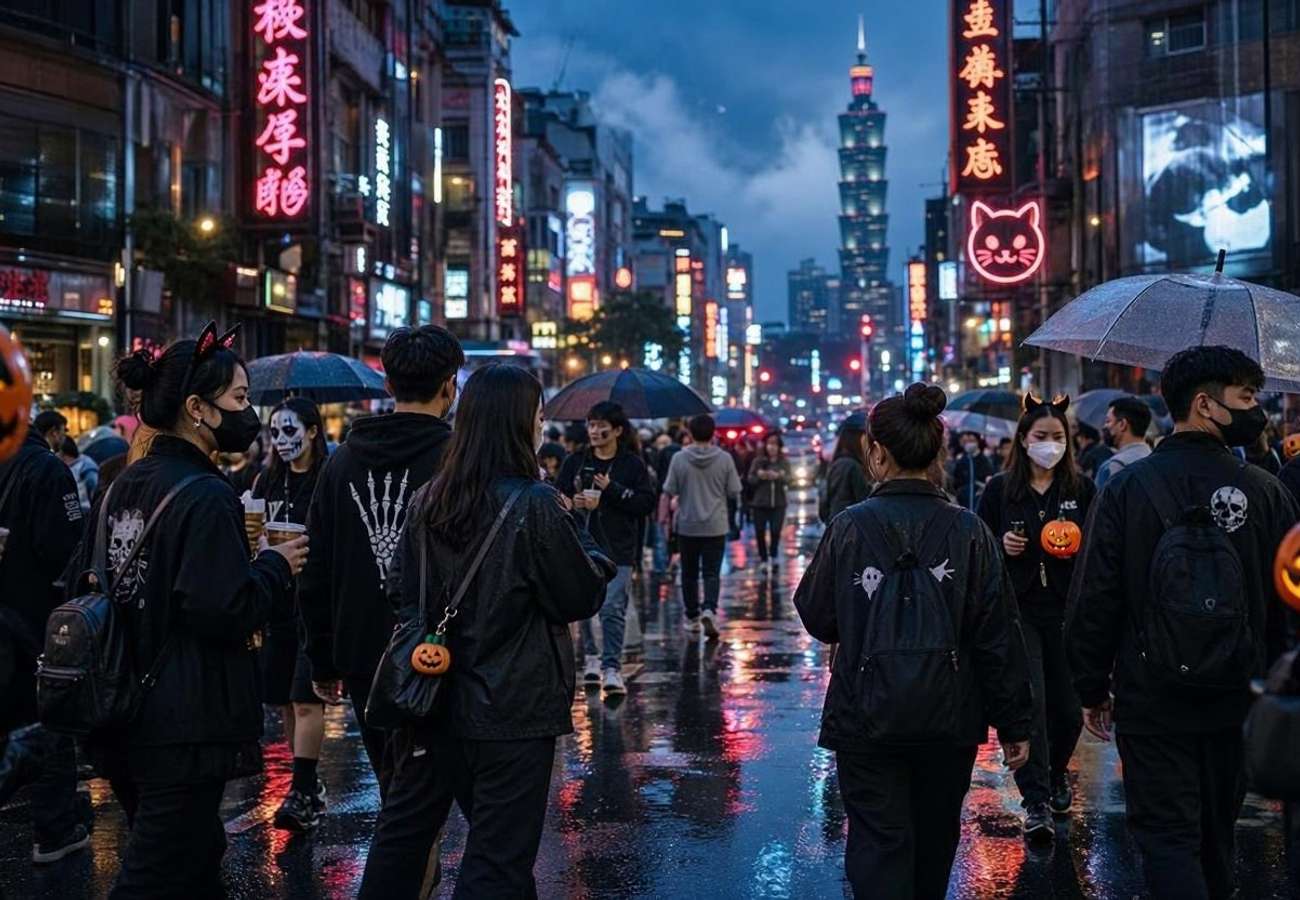
Image generated by AI
1.6 million out-of-market visitors descended upon Salem, Massachusetts, in October 2026, setting a high-water mark for seasonal spook-tourism that Asian hubs are now aggressively pursuing. While the United States has traditionally dominated the Halloween economy, data from 2025 and 2026 reveals a strategic shift in East Asia. Cities like Shanghai, Taipei, Seoul, and Bangkok are no longer treating October 31st as a novelty, but as a critical commercial window to drive hotel occupancy and aviation bookings before the year-end holiday rush.
The Commercialization of October in Asia
The transition of Halloween from a Western import to a regional economic driver is being fueled by a "seasonal entertainment economy." Rather than relying on organic community celebrations, Asian destinations are employing highly structured commercial models. Shanghai has leaned into the "resort ecosystem," Taipei utilizes "urban festival hubs," Seoul leverages "youth-centric nightlife," and Bangkok integrates the event into its existing "hospitality infrastructure."
This shift creates a ripple effect across the travel supply chain. Airlines are seeing spikes in short-haul regional bookings, while hotels are implementing themed packages to increase Average Daily Rates (ADR). However, a significant gap remains in how this revenue is tracked; the industry currently lacks a standardized metric to isolate "Halloween-specific" spending from general autumn tourism.
Regional Performance and Visitor Metrics
The scale of these events is best understood through the lens of attendance figures. Taiwan, in particular, has demonstrated the ability to draw massive crowds to single-point installations, while South Korea and Thailand focus on district-wide density.
2025-2026 Seasonal Tourism Data Comparison
| Destination | Primary Attraction | Key Metric | Data Point | Note |
|---|---|---|---|---|
| Salem, USA | City-wide Events | Out-of-market Visitors | 1.6 Million | October 2026 Benchmark |
| Taoyuan, Taiwan | Enchanted Spider Castle | Total Visits | 1.08 Million | 2025 (10-day program) |
| Seoul, S. Korea | Hongdae District | Peak Night Attendance | 125,000 | Halloween Night 2026 |
| Bangkok, Thailand | Khao San Road | Targeted Visitors | 60,000 | Two-night celebration |
| Shanghai, China | Shanghai Disneyland | Total Annual Visitors | 14.7 Million | 2024 (5% YoY increase) |
The Shanghai Model: Theme Park Integration
Shanghai has positioned Shanghai Disney Resort as the epicenter of its seasonal strategy. The 2026 program, which ran from 4 October to 1 November, utilized "Spook-tacular Days" (specifically 16–18 Oct, 23–25 Oct, and 29 Oct–1 Nov) to create artificial scarcity and drive peak-day ticket sales.
By integrating intellectual property—such as The Nightmare Before Christmas and the Disney Villains—the resort has successfully pivoted Halloween away from adult-centric nightlife toward a family-oriented luxury experience. This strategy is supported by the resort's hotel-and-ticket bundles, which encourage multi-day stays and increase the "wallet share" of each visitor.
The Taiwan Strategy: Urban vs. Regional Distribution
While Taipei is the primary gateway, the real data surge comes from the Taoyuan region. The 2025 Enchanted Spider Castle event proved that regional "destination" attractions can outperform city-center celebrations. With 1.08 million visits over ten days—and a peak of 220,000 on November 1st—Taoyuan has created a blueprint for high-density, short-duration events.
Interestingly, big-data analysis from Chunghwa Telecom reveals a regional concentration: 70% of attendees were local to Taoyuan, while 30% migrated from Taipei and New Taipei. This suggests that while the events are massive, they currently function more as domestic "day-trip" drivers than international tourism magnets. For those visiting, the Taiwan Tourism Administration provides essential guidance on navigating these regional shifts.
Expert Analysis: The Logistics of Seasonal Spikes
For travelers and business operators, the rise of Asian Halloween tourism creates a specific set of logistical pressures. The direct consequence of this growth is a "compression" of hotel availability in specific districts—such as Ximending in Taipei or Hongdae in Seoul—leading to aggressive dynamic pricing.
The pricing pressure created by these events means that "shoulder season" discounts typically found in October are disappearing. Travelers booking these routes should expect a "mini-peak" in pricing during the last two weeks of October. Furthermore, there is a critical legal and cultural distinction travelers must recognize in Taiwan: the difference between the commercial Halloween and the traditional Ghost Month (the seventh lunar month). Confusing the two is not just a cultural faux pas but a misunderstanding of the local regulatory and social environment, as Ghost Month involves religious observances and ancestral remembrance rather than costume-based festivities.
Key Takeaways
- Market Scale: Asia is successfully replicating the "seasonal destination" model, with Taoyuan attracting over 1 million visits in a single 10-day window.
- Strategic Windows: Shanghai Disneyland uses "Spook-tacular Days" to concentrate demand, creating high-density peaks rather than a steady October flow.
- Demographic Split: Seoul's Hongdae remains the hub for youth and nightlife, while Shanghai targets the high-spending family demographic.
- Regionality: In Taiwan, the most significant attendance figures are found in regional hubs (Taoyuan) rather than the capital (Taipei).
- Planning Requirement: Travelers must distinguish between commercial Halloween events and traditional lunar calendar observances like Ghost Month.
FAQ: Asia Halloween Tourism 2026
When is the best time to visit Shanghai Disneyland for Halloween? The most immersive experiences occur during "Spook-tacular Days." In 2026, these were concentrated in mid-to-late October. Always check the official resort calendar for specific nighttime projection dates.
Is Halloween a traditional holiday in Taiwan? No. It is a commercial event. It is distinct from the traditional Ghost Month (seventh lunar month), which is a period of spiritual observance and ancestral respect, not a costume festival.
Which area in Seoul is best for Halloween nightlife? Hongdae is the primary center for younger crowds, fashion, and music. Itaewon also hosts celebrations but caters to a more international and diverse demographic.
Do I need to book hotels in advance for October in Taipei? Yes. With hotel occupancy reaching 72.69% in 2025 and massive crowds in Ximending, booking during October weekends is highly recommended to avoid price surges.
The spookiest season is no longer a Western monopoly; it is now a calculated Asian export.
Related Travel Guides
This article is for informational purposes. Flight routes, passenger regulations, visa rules, and transit advisories are subject to change by airlines and aviation authorities. Readers are advised to verify schedules and travel documentation with relevant carriers and border agencies before departure.
Related Stories
South Korea Beauty Tourism Crackdown 2026: Regulators Expose Fake Reviews and Misleading Claims
Global Tourism Spending to Hit US$1.8 Trillion in 2026 as International Arrivals Reach 1.57 Billion