Spain and Mediterranean Resorts Adopt Smart Energy Storage to Combat Extreme Heat Disruptions 2026

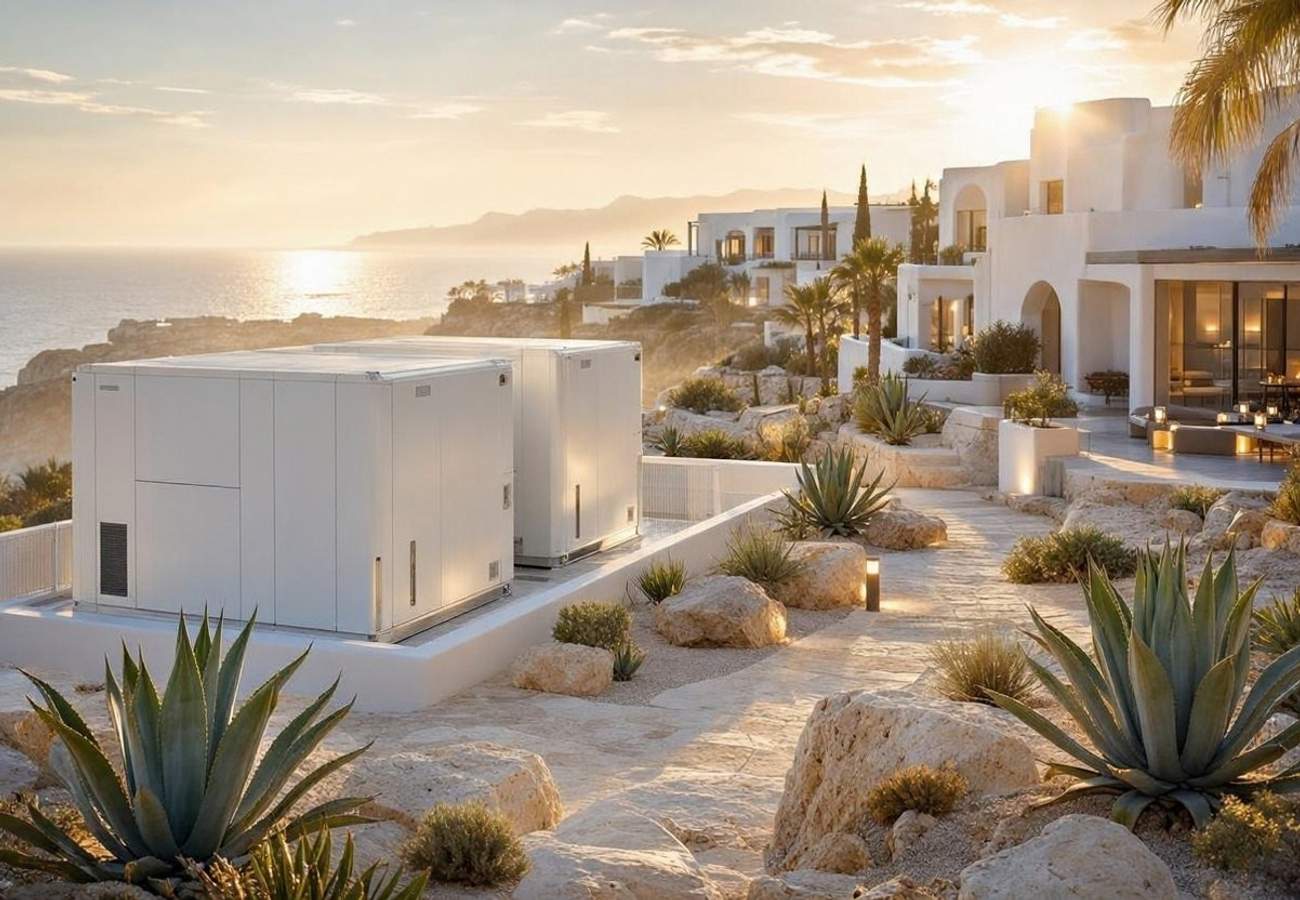
Image generated by AI
A luxury traveler checking into a five-star suite in the Costa del Sol finds the air conditioning dead and the electronic door lock malfunctioning as a regional grid failure hits during a 42°C heatwave. This scenario is becoming a structural reality across Southern Europe and the Caribbean, where the surge in cooling demands is outstripping the capacity of municipal electrical networks.
The Infrastructure Crisis in Warm-Weather Tourism
Hospitality hubs across Spain, Greece, Southern Italy, and the Caribbean are facing a systemic operational threat. Ambient temperatures are now frequently hitting 40°C to 45°C, shifting these extremes from occasional anomalies to a baseline climatic state. This shift has created an unsustainable strain on urban grids that were originally designed for dispersed loads, not the industrial-scale cooling required by thousands of simultaneous commercial chillers and fan-coil networks.
When these systems peak concurrently, distribution substations often exceed their thermal limits, leading to voltage instability and rolling blackouts. For high-end resorts, this isn't just a technical failure; it is a brand crisis. Affluent travelers paying premium average daily rates expect uninterrupted climate control and food preservation. To mitigate this, energy regulators are implementing aggressive time-of-use pricing and maximum-demand penalties, making total on-site energy independence a financial and operational necessity.
The Thermodynamics of Luxury Cooling
The energy intensity of a luxury resort is dominated by space cooling. Data from the Inter-American Development Bank (IDB) via the Caribbean Hotel Energy Efficiency Action (CHENACT) programme reveals that air conditioning accounts for approximately 47.9% of a resort's total electricity use.
The following table breaks down the energy benchmarks and efficiency losses associated with extreme heat in the luxury sector:
| Metric | Value / Impact | Context |
|---|---|---|
| Annual Energy Consumption | 300 - 500 kWh per sq meter | Luxury hospitality properties |
| Guest-Night Intensity | 60 - 75 kWh per guest | Average per stay |
| Efficiency Drop (COP) | 2% to 4% loss per 1°C rise | Above 35°C ambient temperature |
| Critical Load Window | 17:00 to 22:00 | The "Evening Load Ramp" |
| Grid Transition Speed | 10 to 20 milliseconds | Required for zero-interruption switching |
A specific vulnerability occurs during the "Evening Load Ramp" (17:00 to 22:00). While rooftop solar provides ample power during the day, generation drops to zero just as guests return to their rooms and adjust thermostats to aggressive settings. This creates a "duck curve" effect where maximum demand hits exactly when solar supply vanishes, leaving the resort dependent on an unstable municipal grid.
Your Rights as a Guest During Utility Failures
If you are staying at a luxury resort and experience significant disruptions due to power failures or cooling outages, your rights depend on the terms of your booking and local consumer laws.
- Contractual Obligations: Luxury resorts sell a specific standard of service. A total failure of climate control during extreme heat may constitute a "failure to provide services as described."
- Compensation Claims: Under most consumer protection frameworks, if a room becomes uninhabitable (e.g., temperatures inside exceed safety thresholds), you may be entitled to a partial refund or a complimentary upgrade to a functional unit.
- Duty of Care: Hotels have a legal obligation to ensure guest safety. In extreme heat, the failure to provide ventilation or water can be viewed as a breach of safety protocols.
For further guidance on consumer rights regarding travel services, passengers and guests should consult the U.S. Department of Transportation's Air Consumer Protection (for transit-related issues) or the UK Civil Aviation Authority (CAA) for broader travel rights.
Rebooking and Mitigation Strategies
If your resort is plagued by recurring outages, consider the following practical steps:
- Request "Energy-Resilient" Wings: Ask the front desk if specific wings of the hotel are powered by independent micro-grids or newer backup systems.
- Verify Backup Capabilities: Before booking a high-end property in a heat-stressed zone, inquire if they utilize "behind-the-meter" storage or thermal ice-storage chillers.
- Refund Negotiation: If the AC fails during a heatwave, document the room temperature with a photo. Use this evidence to negotiate a reduction in the Average Daily Rate (ADR) or a credit for future stays.
- Alternative Destinations: If a region is experiencing systemic grid collapse, look for resorts that advertise "Net Zero" or "Energy Autonomous" certifications.
FAQ: Resort Energy Disruptions 2026
Am I entitled to a refund if the AC fails during a heatwave? Yes, if the failure significantly degrades the service you paid for. Document the temperature and request a rate adjustment or room change immediately.
What is a "behind-the-meter" system? It is an energy setup (solar + batteries) located on the property's side of the utility meter, allowing the hotel to bypass the public grid during outages.
How do I know if a resort is energy-resilient? Check for mentions of micro-grids, BESS (Battery Energy Storage Systems), or thermal storage in their sustainability reports or facility descriptions.
Can I claim compensation through travel insurance? Generally, "utility failure" is not a standard covered peril unless it leads to a total trip cancellation or medical emergency. Check your specific policy.
The era of relying on fragile municipal grids for luxury experiences is over; autonomy is the new gold standard.
Related Travel Guides
This article is for informational purposes. Flight routes, passenger regulations, visa rules, and transit advisories are subject to change by airlines and aviation authorities. Readers are advised to verify schedules and travel documentation with relevant carriers and border agencies before departure.
Related Stories
Kyron Capital Transforms Clare Country Club into Peppers Clare Valley Luxury Resort 2026

Four Seasons Resort Mallorca at Formentor Introduces Exclusive Eastern Healing Rituals in 2026