
Federal Funding Crisis: Government Shutdown Risk Threatens U.S. Aviation and Tourism
As the 30 September deadline nears, major travel associations warn that a federal shutdown could trigger severe flight delays and park closures.

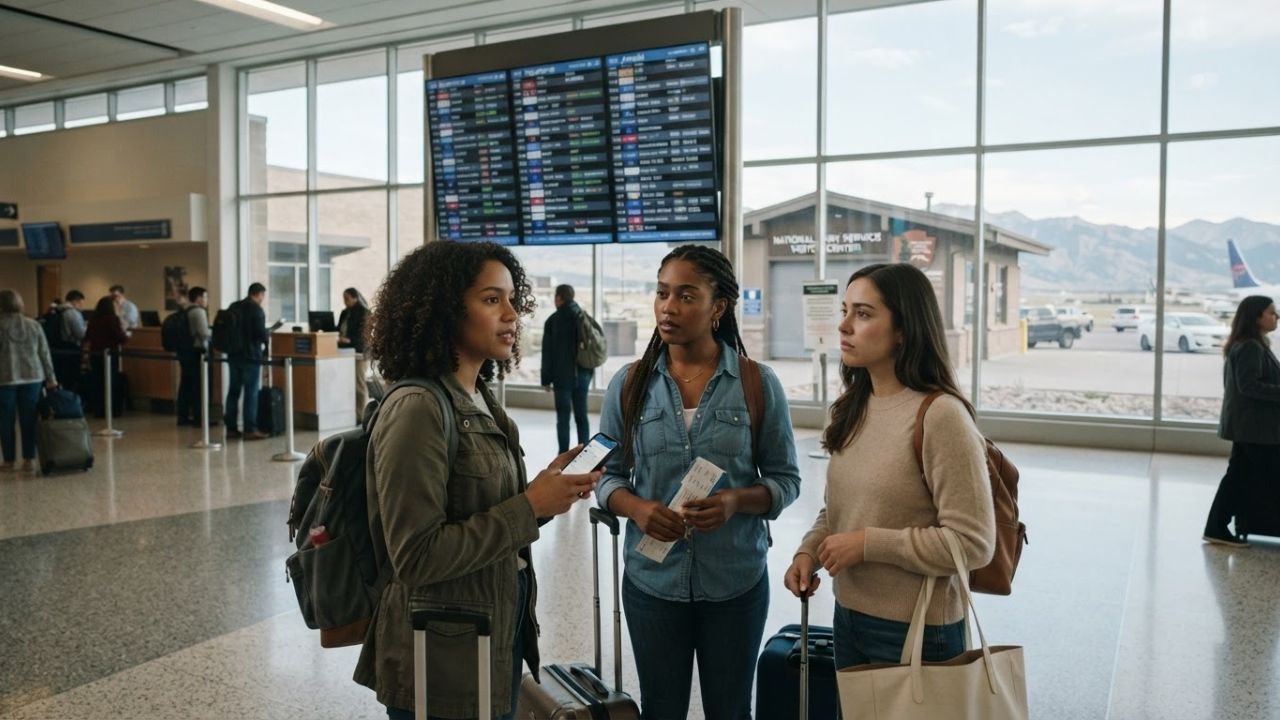
Image generated by AI
Major travel organizations in the United States have issued a joint warning regarding a potential federal government shutdown, warning that a funding lapse could trigger severe disruptions for flights, hotels, and tourist attractions. With the 30 September deadline approaching, industry leaders are urging Congress to pass a continuing resolution.
If lawmakers fail to reach an agreement before the deadline, essential federal employees—including Transportation Security Administration (TSA) officers and air traffic controllers—would be required to continue working without pay. The funding impasse could worsen staffing pressures at airport security checkpoints, resulting in longer security queues, flight delays, and potential flight cancellations.
The disruption would also affect destinations across the country. Federally operated facilities, including national parks, monuments, and museums, could close or reduce their operational hours, impacting local hospitality businesses and autumn travel plans.
Reddit: "A government shutdown right at the start of fall foliage season would be a disaster for trips to places like Acadia or Yosemite. Start planning backup options now." — r/travel
The Impact of Federal Lapses on Aviation Infrastructure
Airports and aviation infrastructure could face immediate operational pressure if federal funding expires. Because air traffic controllers and TSA officers are classified as essential, they must report to work during a funding lapse despite the suspension of their paychecks.
The U.S. Travel Association, Airlines for America (A4A), and the American Hotel & Lodging Association (AHLA) warn that working without pay increases stress on the aviation workforce. Staffing shortages could lead to longer processing times at security gates and restricted flight movements, disrupting traveler itineraries.
A funding dispute in Washington would quickly translate into travel delays in airport terminals nationwide. Business and leisure travelers could face sudden scheduling changes, making transportation reliability a primary concern.
Reddit: "During the last shutdown, airport security lines were massive because TSA staff were calling in sick. If you have to fly in October, arrive way earlier than usual." — r/solotravel
National Parks and Cultural Attractions Face Potential Closures
Beyond the aviation sector, the shutdown threatens visitor access to public lands and cultural institutions. The National Park Service (NPS) and other federal agencies may close parks and visitor centers or limit services if funding is suspended.
These closures directly affect communities that rely on tourism. Hotels, independent restaurants, and regional tour operators located near major national parks could see a sharp decline in reservations. The timing of the deadline makes the threat particularly significant for travelers planning autumn holidays around national landmarks.
If federal monuments and heritage sites close, the loss of visitor spending could impact local economies. Municipalities situated near natural reserves rely on seasonal visitor traffic to support local service workers and independent businesses.
Historical Impact: Lessons from the Previous Shutdown
To demonstrate the potential economic damage, travel groups point to the historical consequences of the previous 43-day federal shutdown. That funding lapse resulted in significant travel disruptions:
- Flight Disruptions: More than 9,000 flights were delayed or cancelled during the crisis.
- Passenger Impact: The travel plans of more than six million passengers were disrupted.
- Economic Losses: The U.S. travel economy lost an estimated $1 billion for every week the shutdown continued.
These figures show that the consequences of a shutdown extend beyond minor inconveniences, affecting hotel occupancies, rental car demand, and consumer confidence across the travel sector.
Travel Associations Call for Legislative Reforms
The three major travel organizations are pushing Congress to take immediate action to protect the travel industry. In addition to calling for a continuing resolution before the 30 September deadline, the groups are seeking long-term legislative reforms.
Specifically, the associations want measures that ensure TSA officers and air traffic controllers continue to receive their salaries during any future funding lapses. Securing pay for essential aviation workers would prevent staffing shortages and maintain passenger screening standards during budget disputes.
An agreement before the end of September is necessary to prevent another period of uncertainty, protecting the reliability of the national transportation network and the businesses that rely on visitor spending.
Ecotourism and Community Support During Federal Lapses
Sustaining the economic health of local communities during federal shutdowns requires travelers to adapt their plans and support regional economies directly. For the traveler, the real impact of national park closures is the incentive to explore state-managed parks and municipal reserves. By visiting state parks, county forests, and historic municipal districts, travelers can continue their outdoor excursions while keeping their travel spending within the region.
Travelers can support local gateway communities by staying in independent, family-run guesthouses and dining at neighborhood-owned cafes instead of national chains. This direct spending ensures that local hospitality workers and food providers can maintain their livelihoods even when federal attractions are closed.
Additionally, travelers can support regional eco-tourism by hiring independent local guides for hiking, cycling, or wildlife-watching tours. Choosing lower-emission transport options, such as regional public buses or electric vehicle rentals, helps reduce environmental impact during travel detours. Supporting local conservation groups and participating in community-led trail maintenance projects ensures that tourism benefits fund the protection of regional biomes.
Destination Specialist Local Insider Tips
To help you manage travel uncertainty and plan your autumn trips comfortably:
- Secure Flexible Bookings: When planning trips around the September deadline, choose hotels and flights with flexible cancellation or rebooking policies.
- Explore State and County Parks: If federal sites close, redirect your itinerary to nearby state parks, which often feature similar scenery with fewer crowds.
- Arrive Early at Airports: Prepare for potential security delays by arriving at least two and a half hours before domestic flights and three hours before international departures.
- Support Local Gateway Businesses: If you visit a community near a closed national park, continue to dine at local restaurants and shop at independent stores to support the resident economy.
- Monitor Official Park Alerts: Check the official National Park Service and Federal Aviation Administration portals daily for real-time status updates on closures and flight delays.
Frequently Asked Questions About the Shutdown Risk
Will flights be cancelled during a government shutdown?
Flights are not automatically cancelled, but potential staffing shortages among air traffic controllers and TSA officers could lead to delays and cancellations.
Do national parks close during a federal shutdown?
Yes, national parks, monuments, and federally operated museums may close completely or offer limited access and reduced visitor services.
When is the federal funding deadline?
The current federal funding deadline is 30 September, requiring congressional action to prevent a shutdown.
How much does the travel industry lose during a shutdown?
Based on previous data, the U.S. travel economy can lose approximately $1 billion for every week a government shutdown continues.
Explore responsibly, support local businesses, and plan ahead to protect your journey.
Related Travel Guides
- Turkey Flight Reliability Soars as Turkish Airlines and Istanbul Airports Claim Top Spots in European Aviation Rankings: Latest Update
- Thailand and Cambodia Border Hostility Records Massive Travel Chaos as $200 Oil and US-Iran Conflict Disrupt Global Travel Hubs: How Bangkok, Phnom Penh, Saudi Arabia, and UAE Navigate 2026 Energy Crisis and Strait of Hormuz Lockdown
- Middle East Travel Crisis: 14 Countries Now Under Missile Alerts and Airspace Warnings in 2026
Disclaimer
This article is for informational and educational purposes only. It does not constitute legal, financial, or professional advice. While we strive to provide accurate and up-to-date information, travel policies, regulations, and conditions change rapidly. Always verify information with official sources before making travel decisions. Nomad Lawyer makes no representations about the accuracy, reliability, completeness, or suitability of the information provided. Readers should consult qualified professionals for advice specific to their circumstances. The views expressed in this article are those of the author and do not necessarily reflect the views of Nomad Lawyer.
Kunal K Choudhary
Co-Founder & Contributor
A passionate traveller and tech enthusiast. Kunal contributes to the vision and growth of Nomad Lawyer, bringing fresh perspectives and driving the community forward.
Learn more about our team →