
UK Travellers Face New Thailand Visa Rules as Foreign Office Issues Urgent Stay Warning From September 15
UK Travellers Face New Thailand Visa Rules as Foreign Office Issues Urgent Stay Warning From September 15

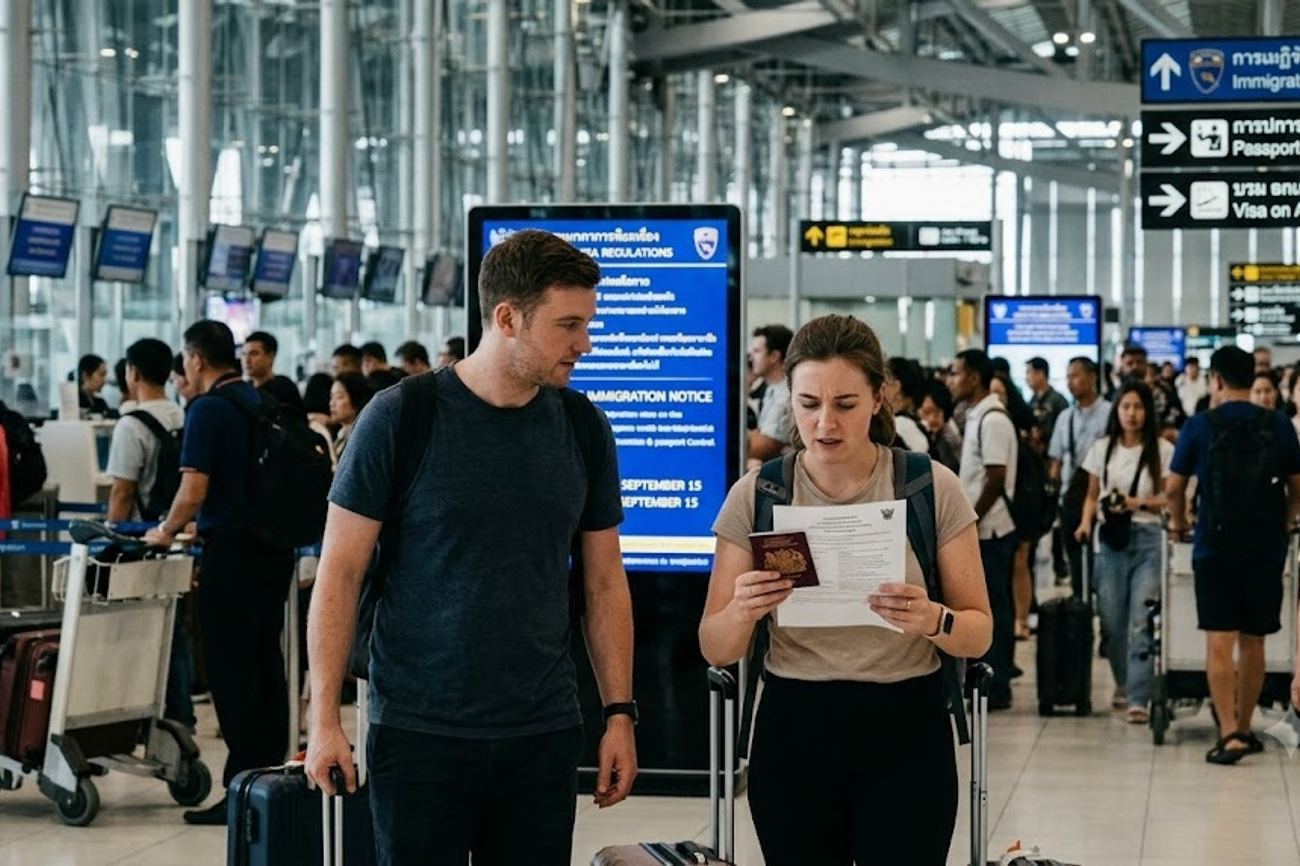
Image generated by AI
30 days is the hard ceiling for British tourists entering Thailand under the updated visa exemption scheme starting September 15, 2026. This regulatory shift, highlighted by the Foreign, Commonwealth and Development Office (FCDO), marks a tightening of immigration oversight designed to curb overstays and formalize the distinction between short-term leisure visits and long-term residency. For the millions of UK citizens who frequent the region, the window for administrative error has closed, replaced by a rigid enforcement framework that leverages financial penalties and entry bans to ensure compliance.
The 2026 Immigration Pivot
The Thai government is recalibrating its approach to international arrivals to better manage the surge in global travel demand. By codifying a strict 30-day limit for visa-exempt entries, authorities are moving away from the more flexible interpretations of stay permits that previously characterized tourist arrivals. This move is not merely administrative; it is a strategic effort to force a clearer separation between genuine tourists and "grey-area" visitors—such as digital nomads or retirees—who often utilize tourist exemptions to live in the country indefinitely.
The Foreign, Commonwealth and Development Office (FCDO) has issued specific warnings to UK nationals, emphasizing that the September 15, 2026, deadline is a hard trigger. Those who enter Thailand prior to this date will remain under the regulations active at the time of their arrival, but any entry on or after the effective date will be subject to the 30-day cap. This creates a two-tier regulatory environment for a brief transition period, requiring travelers to be hyper-aware of their exact date of entry.
Financial and Legal Consequences of Non-Compliance
The cost of ignoring these updated timelines is tiered, starting with immediate financial drains and escalating to permanent travel restrictions. Thailand utilizes a daily penalty system to discourage overstaying, which serves as a constant revenue stream for immigration authorities and a deterrent for travelers.
| Penalty Type | Cost/Duration | Condition |
|---|---|---|
| Daily Overstay Fine | 500 Thai Baht | Per day exceeded beyond the 30-day limit |
| Maximum Financial Penalty | 20,000 Thai Baht | Cap on total overstay fines |
| Re-entry Ban | Up to 10 Years | Serious or repeated immigration violations |
| Administrative Action | Detention/Deportation | Severe breaches of stay conditions |
Beyond the 20,000 Thai Baht ceiling, the legal ramifications are severe. Deportation is conducted at the traveler's own expense, and the imposition of a 10-year ban effectively removes Thailand from a traveler's map for a decade. These penalties are applied strictly, regardless of whether the overstay was intentional or the result of a clerical error in calculating the 30-day window.
Expert Analysis: The End of the "Tourist Loophole"
For travelers booking routes to Bangkok, Phuket, or Chiang Mai, the direct consequence of this policy is the death of the informal long-stay. For years, many visitors relied on "visa runs" or extensions of the exemption scheme to prolong their stay. The 2026 update, backed by increased focus from the International Air Transport Association (IATA) standards on passenger data, suggests that Thai immigration is tightening the net on those who abuse tourist privileges.
The pricing pressure this creates is indirect but significant. As the visa exemption becomes more restrictive, more travelers will be forced to apply for formal visas (such as the Long-Term Resident or Retirement visas) before departure. This shifts the financial burden from a potential "fine" at the end of a trip to an "upfront cost" at the beginning. Furthermore, the FCDO's warning regarding travel insurance is a critical point of failure; if a traveler ignores security guidance in specific regions of Thailand, their insurance may be voided, leaving them financially exposed in the event of a medical emergency or legal crisis.
The geopolitical dynamic here is clear: Thailand wants high-value, compliant tourists and documented residents. By squeezing the 30-day exemption, they are effectively filtering out low-budget, long-term stayers who do not contribute to the formal tax or visa fee systems. For the professional nomad, this means the era of "winging it" with a passport stamp is over.
Key Takeaways
- Hard Deadline: New 30-day maximum stay limits for UK tourists take effect on September 15, 2026.
- Financial Risk: Overstays incur a daily fine of 500 Thai Baht, capping at 20,000 Thai Baht.
- Severe Sanctions: Serious immigration breaches can result in deportation and a re-entry ban lasting up to 10 years.
- Visa Necessity: Anyone entering for work, education, or retirement must secure a specific visa category; the tourist exemption is strictly for leisure.
- Insurance Warning: Following official government travel advice is mandatory to ensure travel insurance remains valid.
FAQ: Thailand Entry Rules 2026
Can I extend my 30-day visa exemption once I arrive? While some extensions have historically been possible, the 2026 rules emphasize a strict 30-day limit for tourism. Travelers should plan their departure within this window or secure a longer-term visa before leaving the UK to avoid penalties.
What happens if I overstay by just one or two days? Even short overstays typically trigger the 500 Thai Baht per day fine. While you may not be deported for a 48-hour lapse, the fine is mandatory and will be recorded in your immigration history.
Do these rules apply to digital nomads? Yes. The visa exemption is for tourism only. Those working remotely or establishing residency must apply for the appropriate visa category before arrival to avoid legal complications or deportation.
Will my travel insurance cover me if I visit a warned area? Likely not. The FCDO warns that traveling against official government security guidance can void your insurance policy, meaning you would be responsible for all emergency and medical costs.
The transition from flexible entry to rigid enforcement signals a new era of accountability for the UK traveler in Southeast Asia.
Tags: Thailand-Immigration-2026, UK-Thailand-Visa-Exemption, FCDO-Thailand-Advice, Thai-Visa-Penalties, Bangkok-Entry-Requirements
Related Travel Guides
- American Tourist Issues Viral Canada Driving Warning After Toronto Highway Experience Leaves Him Shocked
- National Weather Service Issues Urgent Dense Fog Advisories Across Tennessee Virginia and Kentucky Disrupting Interstate Highways and Regional Flights
- Uzbekistan Ministry of Internal Affairs Proposes Unprecedented State Bodyguard Services for Foreign Tourists as Russian Arrivals Surge 30 Percent
Disclaimer
This article is for informational and educational purposes only. It does not constitute legal, financial, or professional advice. While we strive to provide accurate and up-to-date information, travel policies, regulations, and conditions change rapidly. Always verify information with official sources before making travel decisions. Nomad Lawyer makes no representations about the accuracy, reliability, completeness, or suitability of the information provided. Readers should consult qualified professionals for advice specific to their circumstances. The views expressed in this article are those of the author and do not necessarily reflect the views of Nomad Lawyer.
Kunal K Choudhary
Co-Founder & Contributor
A passionate traveller and tech enthusiast. Kunal contributes to the vision and growth of Nomad Lawyer, bringing fresh perspectives and driving the community forward.
Learn more about our team →