
UK Food Supply Crisis: El Niño and Fuel Costs Drive Up Travel Expenses
El Niño and rising fuel costs threaten UK food security, triggering price hikes in the hospitality sector and increasing costs for international travelers.

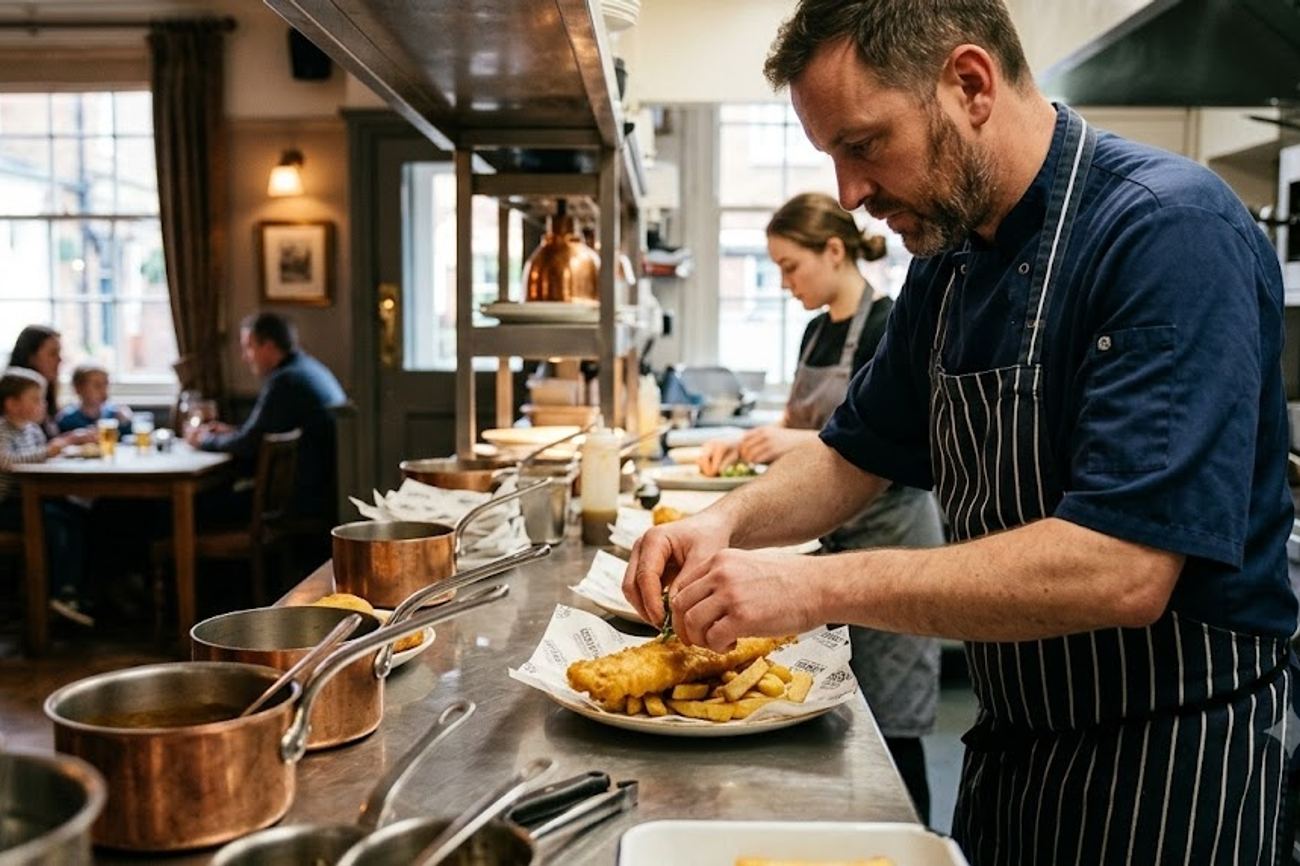
Image generated by AI
The United Kingdom is currently navigating a convergence of agricultural and economic pressures that threaten domestic food security and increase the cost of transit and tourism. The strengthening influence of El Niño, coupled with volatile fuel prices and extreme weather, is placing unprecedented strain on British farmers, leading to reduced production and tightened supplies.
This instability extends beyond the agricultural sector. Because the UK relies heavily on a mix of domestic produce and international imports, climate-driven disruptions in global markets are creating a "double squeeze." When domestic yields fall simultaneously with international harvest failures, the UK faces intensified competition for imported food, driving up wholesale prices.
For the global traveler and logistics operator, these shifts manifest as increased operational costs. The hospitality sector—comprising hotels, restaurants, and rural attractions—is seeing a direct spike in ingredient and energy expenses. As these businesses attempt to protect profit margins, the cost of visitor experiences, accommodation, and dining is rising across the country.
Transit and Supply Chain Pressure Points
Fuel is the primary driver of cost inflation within the agricultural supply chain. The expense of operating machinery for planting and harvesting, combined with the cost of transporting goods from farms to distribution centers and retailers, creates a compounding effect.
When fuel costs rise, the logistics of food distribution become more expensive, which is then passed down to the hospitality industry. For tourism destinations, this means that the cost of maintaining a stable food supply for guests is increasing, potentially leading to revised menu pricing and higher booking rates for all-inclusive or catered accommodation.
Supply Chain & Economic Impact Matrix
| Pressure Factor | Potential Effect On UK Food Supply | Wider Tourism & Transit Impact |
|---|---|---|
| Higher Fuel Bills | Increased farm and transport costs | Higher hospitality operating costs |
| Extreme Weather | Lower or less predictable production | Greater food expenditure for hotels/restaurants |
| El Niño Disruption | International supply uncertainty | Increased prices for imported ingredients |
| Reduced Farm Output | Tighter domestic availability | Pressure on menus and visitor spending |
| Higher Food Prices | Increased household expenditure | More expensive holidays and dining |
Traveler Logistics Guide: Navigating Rising UK Costs
From a ground-level perspective, the best way to navigate the current economic climate in the UK is to shift toward flexible budgeting and strategic booking. As hospitality prices fluctuate due to supply chain instability, travelers should consider the following:
- Booking Connections & Accommodation: Avoid "pay-at-property" dining packages where prices are subject to daily market fluctuations. Opt for fixed-price bundles or pre-paid meal plans to lock in current rates.
- Regional Transit: With fuel costs impacting rural transport, rely on the UK's national rail network for intercity travel rather than private hire or rental cars, which are more susceptible to fuel surcharges.
- Digital Transit Policies: Ensure all travel documents and visas are processed via official government portals (such as the UK Home Office) to avoid third-party convenience fees that further inflate travel budgets.
- Dining Strategy: In high-tourism hubs, seek out "farm-to-table" establishments that source locally; while initial costs may be higher, they are often more resilient to the international shipping disruptions caused by El Niño.
Infrastructure Impact Assessment
The current crisis underscores a critical vulnerability in the UK's regional connectivity. The reliance on "just-in-time" logistics for food distribution means that any disruption in fuel or weather immediately impacts the tourism economy. To mitigate this, there is an urgent need for increased agricultural resilience and a diversification of import routes to prevent localized food shortages from becoming systemic economic shocks.
Related Travel Guides
Disclaimer
This article is for informational and educational purposes only. It does not constitute legal, financial, or professional advice. While we strive to provide accurate and up-to-date information, travel policies, regulations, and conditions change rapidly. Always verify information with official sources before making travel decisions. Nomad Lawyer makes no representations about the accuracy, reliability, completeness, or suitability of the information provided. Readers should consult qualified professionals for advice specific to their circumstances. The views expressed in this article are those of the author and do not necessarily reflect the views of Nomad Lawyer.
Preeti Gunjan
Contributor & Community Manager
A passionate traveller and community builder. Preeti helps grow the Nomad Lawyer community, fostering engagement and bringing the reader experience to life.
Learn more about our team →