
Spain Energy Infrastructure Gap Threatens Tourism Stability
Spain's 95.6 GW renewable capacity faces a storage bottleneck. Analysis of how the 3,427 MW storage limit impacts hotels, airports, and rail networks.
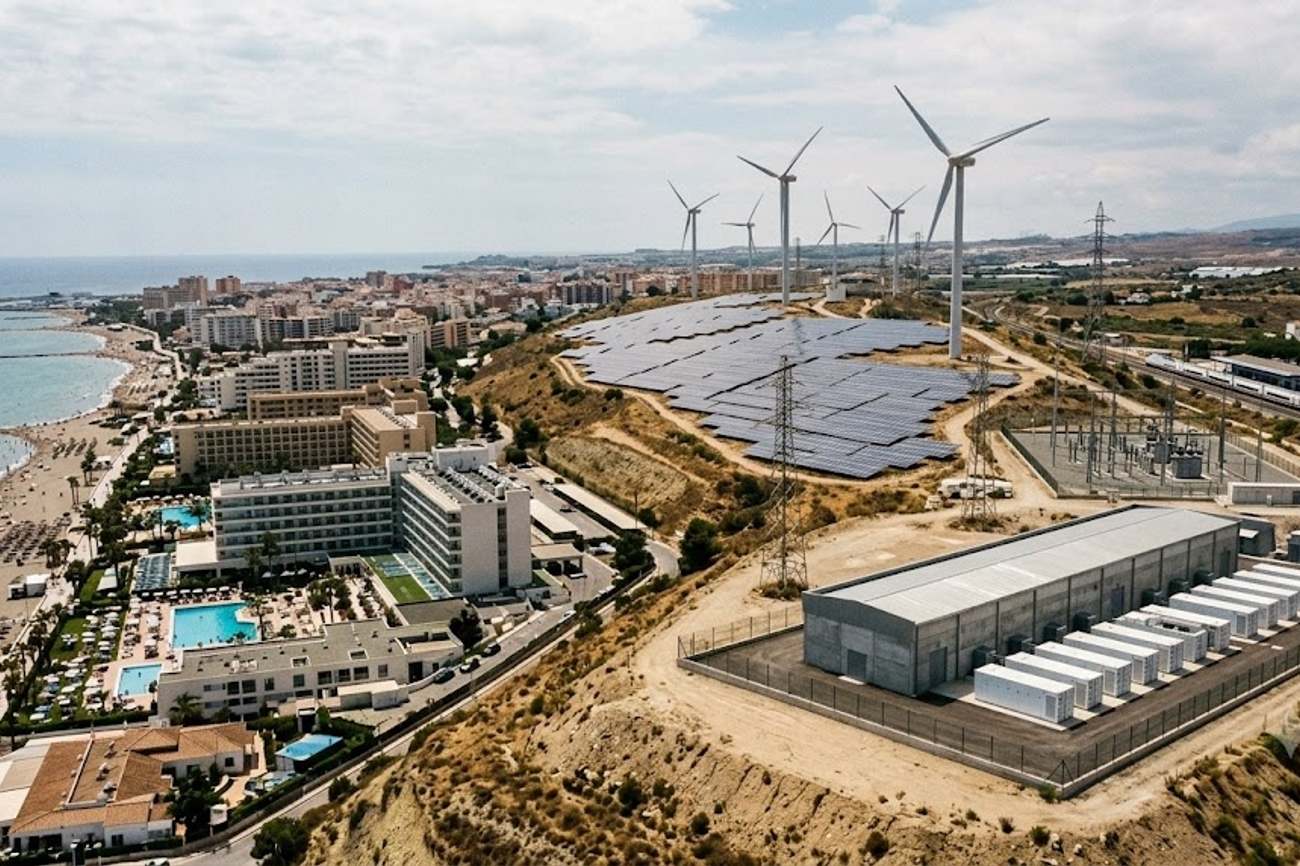
Image generated by AI
Spain is experiencing a systemic bottleneck in its energy transition. While renewable generation reached 55.5% of the electricity mix in 2025, the infrastructure required to store this power has not kept pace, creating potential vulnerabilities for the nation's tourism-dependent economy.
Our analysis indicates a stark disparity between production and resilience. Spain's renewable installed generation capacity has hit 95.6 GW, yet total installed storage capacity remains at only 3,427 MW.
Infrastructure & Operational Impact
The inability to shift surplus daytime energy to peak evening periods creates operational risks for high-consumption travel hubs.
- Aviation & Rail: Airports and railway networks require uninterrupted power for passenger services, signaling, and logistics.
- Hospitality: Large-scale hotels rely on consistent electricity for HVAC systems, refrigeration, and digital infrastructure.
- Seasonal Surges: Mediterranean coastal regions and islands face extreme demand spikes during summer months, coinciding with peak solar generation but lacking the storage to sustain evening loads.
Data Breakdown: The Storage Gap (2025)
Flight tracking and energy monitoring systems highlight the following metrics:
- Renewable Generation: 150,988 GWh total (Solar PV alone: 50,188 GWh).
- New Capacity: ~10 GW of wind and solar PV installed in 2025.
- Storage Composition: Pumped-storage hydropower dominates at 3,331 MW; battery capacity is limited to 96 MW.
- Integrated Energy: 9,213 GWh of renewable electricity was integrated through storage in 2025.
- 2030 Target: The Spanish government aims for approximately 20 GW of storage capacity.
Passenger Rights & Advisory
For the traveler, energy instability in a destination can lead to localized service disruptions, ranging from hotel power outages to delays in rail and airport ground operations.
Our analysis of travel protections suggests:
- Flight Disruptions: If energy failures at an airport lead to flight cancellations, passengers are protected under EU261/2004. For the affected passenger, this means the right to rebooking or a full refund, and potentially financial compensation unless the outage is deemed an "extraordinary circumstance."
- Hotel Service Failures: Significant power failures affecting essential services (cooling, water) may entitle guests to partial refunds or alternative accommodation under national consumer protection laws.
- Rail Delays: Passengers experiencing significant delays due to grid instability should seek compensation through the specific rail operator's "Guarantee of Journey" policies.
Industry Analyst View
The current market dynamic is creating a "cannibalization" effect. When solar production surges during the day without sufficient storage, wholesale prices can drop to zero or even turn negative. This reduces the financial incentive for further investment in generation unless storage is prioritized.
The transition to 20 GW by 2030 is not merely an environmental goal but a strategic necessity to ensure the resilience of Spain's visitor economy. Without this, the "green" transition remains fragile and dependent on immediate weather conditions.
Related Travel Guides
Disclaimer
This article is for informational and educational purposes only. It does not constitute legal, financial, or professional advice. While we strive to provide accurate and up-to-date information, travel policies, regulations, and conditions change rapidly. Always verify information with official sources before making travel decisions. Nomad Lawyer makes no representations about the accuracy, reliability, completeness, or suitability of the information provided. Readers should consult qualified professionals for advice specific to their circumstances. The views expressed in this article are those of the author and do not necessarily reflect the views of Nomad Lawyer.