
Udaipur Katha Wins Delicious Dining Award for Revitalizing Mewari Culinary Heritage
Udaipur Katha wins the Travel + Leisure Delicious Dining Awards 2026, boosting its Tripadvisor rank to 34th with authentic Mewari flavours in H2 2026.

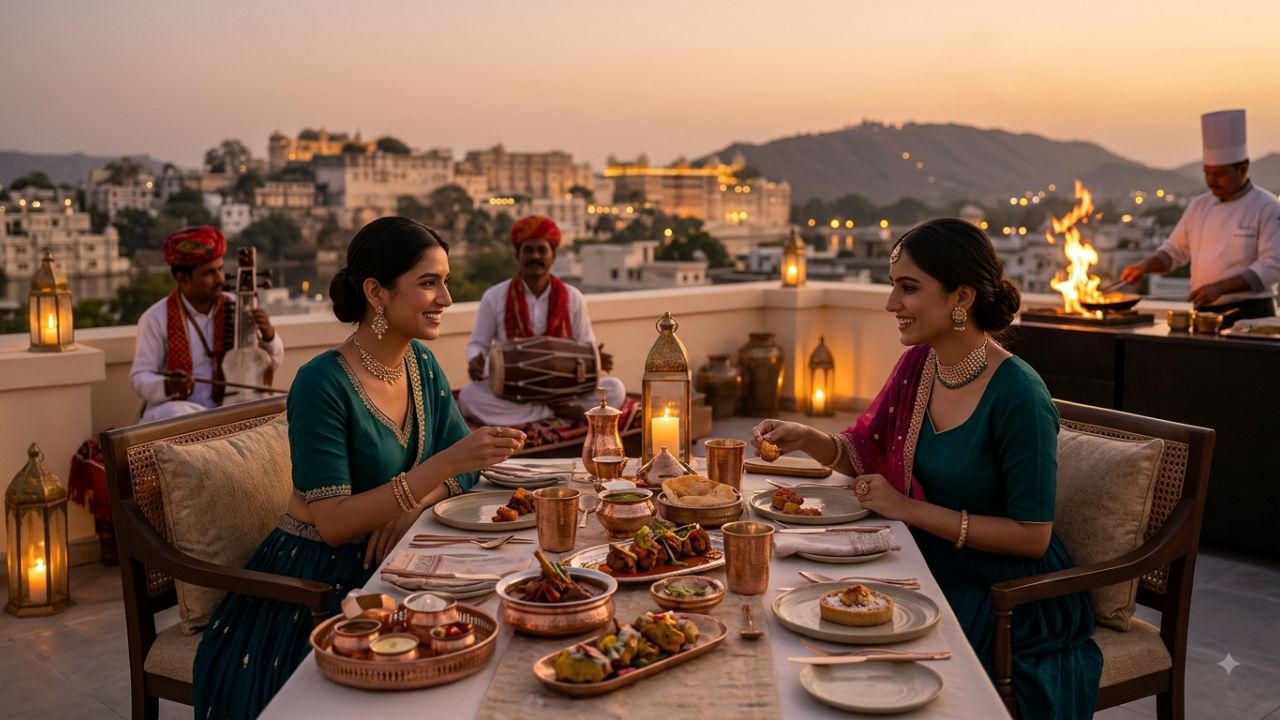
Image generated by AI
Udaipur Katha has received the Travel + Leisure Delicious Dining Awards 2026, validating its role in preserving Mewari culinary traditions through modern interpretations. Launching in December, the restaurant's rating rose to 4.9 across Tripadvisor and Google, cementing its place as a key gastronomic attraction in Rajasthan.
The tourism market in India is observing a significant growth in heritage-led culinary travel, where travelers increasingly seek authentic regional flavors that tell the story of a destination's cultural history. In Rajasthan, dining is deeply connected to royal traditions and historic narratives. A major milestone in this gastronomic sector is the recognition of Udaipur Katha at Sterling Jaisinghgarh Udaipur. By receiving the prestigious dining award for 2026, the restaurant has demonstrated the growing interest in destination-inspired dining concepts that combine traditional Mewari flavors with contemporary culinary presentation and immersive cultural entertainment.
For the traveler, the real impact of this culinary focus is the transformation of a meal into an active cultural journey. Instead of treating food merely as a supporting service during a resort stay, travelers are visiting Udaipur specifically to experience themed dining that incorporates local storytelling, regional music, and traditional performances. This strategy helps preserve regional heritage while supporting local artists, musicians, and farmers.
Immersive Storytelling and Mewari Gastronomic Innovations
Udaipur Katha was launched in December as 'Mewar's evening ritual' to offer a dining concept built around the elements of fire, flavor, and regional stories. Mewari cuisine is historically known for its rustic simplicity and use of local ingredients that could survive in desert and mountainous conditions. Unlike the richer court cuisines of other parts of Northern India, traditional Mewari food relies on corn, lentils, yogurt, and locally sourced game meat, prepared over slow wood fire. The introduction of BBQ Laal Maas and Zaffrani Boti at the restaurant honors this cooking technique by using authentic pit ovens and open grills that replicate the historic royal hunting camps.
The restaurant presents a modern interpretation of Rajasthan's royal culinary treasures through several signature creations:
- Signature Entrées: BBQ Laal Maas (a modern take on the traditional spicy mutton curry) and Zaffrani Boti.
- Vegetarian Interpretations: Jackfruit Shashlik, which replicates regional charcoal-cooked skewered dishes.
- Pastry Innovations: Ghewar Cheesecake (blending the traditional disc-shaped sweet cake with creamy contemporary textures) and Baked Churma Tart.
This dining experience is integrated with rooftop dining spaces, sunset gatherings, traditional folk performances, and regional folk music that add depth to the meal. The strategy has achieved rapid recognition among travelers. Between January and July 2026, the restaurant's Tripadvisor ranking among Udaipur dining venues climbed from 57th to 34th position, while maintaining an outstanding 4.9 rating across both Tripadvisor and Google.
Expansion of Destination-Inspired Dining Concepts
The success of Udaipur Katha represents a broader shift in resort dining strategies, where specialty restaurants are developed as independent culinary landmarks. Rather than offering standardized international menus, developers are creating unique dining venues that reflect the distinct identity of their locations.
This destination-focused strategy is being expanded across several regional tourism centers:
- Amo Odisha in Puri: Showcasing the traditional coastal flavors and heritage of Odisha. Amo Odisha introduces travelers to the traditional temple cuisine of Jagannath temple, utilizing clay pot cooking and indigenous grain varieties.
- The Malabar in Wayanad: Focuses on the spice-rich, aromatic cuisine of northern Kerala.
- Pahaare - Tastes of Gorkha in Darjeeling: Revitalizing the distinct mountain flavors of the Eastern Himalayas. Pahaare highlights Gorkha-inspired dishes that incorporate fermented bamboo shoots, local greens, and unique Himalayan spices like Dalle Khursani.
- Ocean's Kitchen in Alleppey: Integrating fresh backwater seafood with traditional Kerala preparations. Ocean's Kitchen features preparations cooked in banana leaves, highlighting the rich coconut and seafood heritage of Kerala's backwater channels. By focusing on these distinct regional elements, the resorts provide guests with a localized experience that can be found nowhere else.
- Ocean's Kitchen in Alleppey: Integrating fresh backwater seafood with traditional Kerala preparations.
- Doon Diner in Mussoorie: Celebrating regional mountain recipes from Uttarakhand.
- Slate & Pearl at Kodai Lake: Offering lakeside dining experiences inspired by Tamil Nadu's hill heritage.
Each of these concepts is developed around indigenous ingredients and regional traditions, helping raise resort visibility and attracting local diners beyond overnight guests.
Ecotourism and Direct Community Support in Rajasthan
Preserving Udaipur's heritage and natural environment operates hand-in-hand with these culinary initiatives. The Aravalli range, one of the oldest mountain systems in the world, surrounds Udaipur and serves as a vital ecological barrier against desertification. Preserving these hills through low-impact trail trekking, supporting municipal forest reserves, and protecting Lake Pichola's watershed are essential to maintaining the city's unique microclimate. Promoting eco-friendly practices among tourists ensures that the natural beauty of the region's lakes and mountains is protected from the pressures of expanding commercial hospitality.
For the traveler, the real impact is a sustainable dining model that supports regional agriculture. Udaipur Katha directly sources its spices, dairy, and fresh produce from local farming cooperatives in the Aravalli region, keeping tourism spending within rural communities. Furthermore, by integrating live folk music and dance performances into the evening, the restaurant provides a reliable source of income for traditional Rajasthani artists, keeping heritage performance arts alive. Travelers can support environmental preservation by choosing eco-certified boat rides on Lake Pichola and Fatehsagar Lake and avoiding single-use plastics near the city's sensitive water channels, protecting the regional lake terrains from pollution.
Destination Specialist Local Insider Tips
To help you explore the heritage dining and cultural attractions of Udaipur safely and responsibly, regional specialists suggest the following local tips:
- Book Your Rooftop Table Before Sunset: Arrive at Udaipur Katha early to secure a seat on the rooftop terrace, allowing you to watch the sun set over the historic Lake Pichola and the surrounding Aravalli hills.
- Savor BBQ Laal Maas and Ghewar Cheesecake: Try the restaurant's award-winning fusion creations. The Laal Maas uses local mathania chilies for authentic heat, while the Ghewar Cheesecake offers a light, sweet finish.
- Observe Temple Etiquette in the Old City: When visiting the nearby Jagdish Temple or City Palace, dress modestly (shoulders and knees covered) and remove all leather footwear and accessories at the entrance gates.
- Target the Monsoon Season for Scenic Beauty: Visit Udaipur between July and September. The surrounding mountains turn green, the lakes are full, and accommodation rates are lower compared to the peak winter season.
- Tip Folk Musicians and Dancers Politely: If you enjoy the live traditional performances during your dinner, offer a small tip to show appreciation and directly support the local artists.
Long-Term Outlook for Rajasthani Culinary Tourism
The long-term outlook for culinary tourism in Rajasthan remains highly positive, driven by the increasing demand for authentic, heritage-led travel experiences. By positioning regional cuisine as a central attraction, Udaipur is expanding its appeal beyond sightseeing to become a premier culinary destination.
Continued investments in local ingredient sourcing networks, training programs for heritage chefs, and collaborations with cultural preservation groups will remain essential. By maintaining a balance between culinary innovation, environmental protection, and community support, the region is building a sustainable travel model that preserves Mewar's royal traditions for future generations of global travelers.
Related Travel Guides
Disclaimer
This article is for informational and educational purposes only. It does not constitute legal, financial, or professional advice. While we strive to provide accurate and up-to-date information, travel policies, regulations, and conditions change rapidly. Always verify information with official sources before making travel decisions. Nomad Lawyer makes no representations about the accuracy, reliability, completeness, or suitability of the information provided. Readers should consult qualified professionals for advice specific to their circumstances. The views expressed in this article are those of the author and do not necessarily reflect the views of Nomad Lawyer.
Kunal K Choudhary
Co-Founder & Contributor
A passionate traveller and tech enthusiast. Kunal contributes to the vision and growth of Nomad Lawyer, bringing fresh perspectives and driving the community forward.
Learn more about our team →