
Minnesota Enacts New Local Lodging Taxes to Support Peak Summer Tourism Growth
Minnesota lodging tax changes take effect on July 1, 2026, as high summer travel drives record-breaking state and municipal tourism revenues in H2 2026.

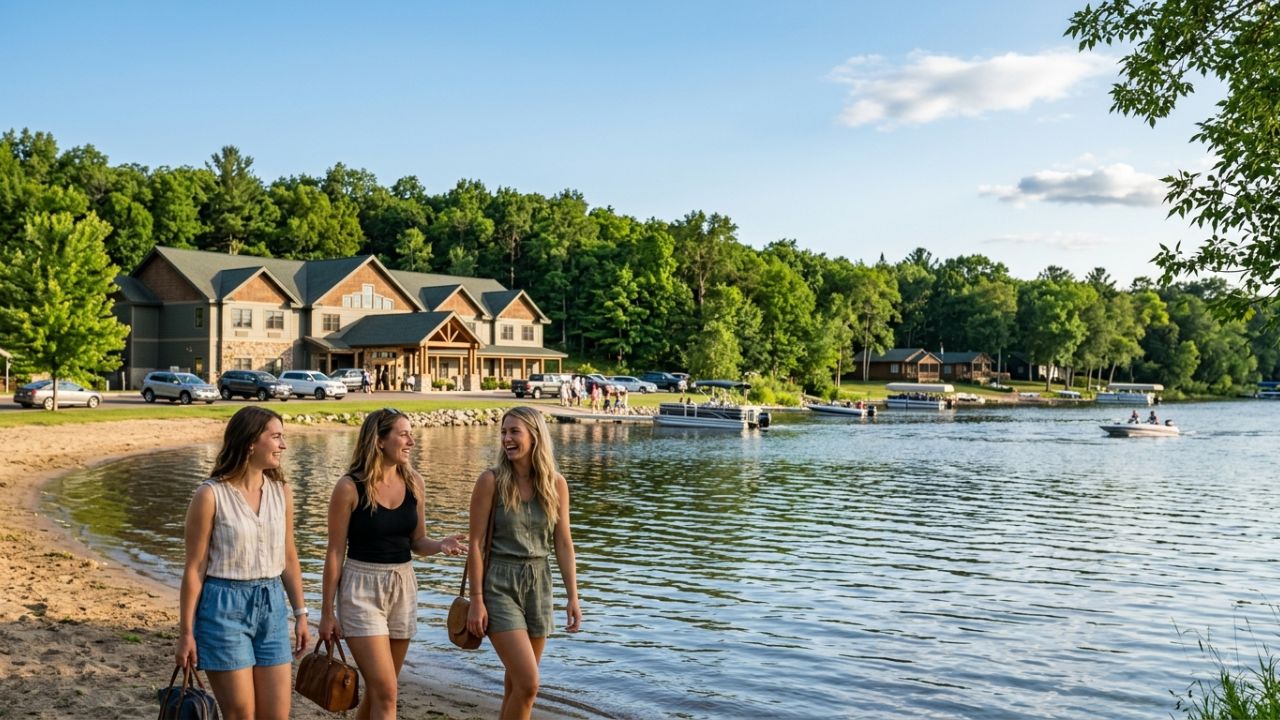
Image generated by AI
A series of new 3.0% local option lodging taxes went into effect across several Minnesota municipalities on July 1, 2026, impacting short-term hotel stays during the peak summer vacation season. Driving General Fund revenues to $2.4 billion in July, the increased visitor spending is outperforming official forecasts while funding community-level infrastructure projects.
The short-term lodging market in North America is observing a significant growth in tax-supported municipal funding, where local authorities leverage high travel demand to generate revenue for public projects. In Minnesota, the summer season attracts thousands of travelers to regional lake regions, creating a reliable stream of lodging tax receipts. Under Minnesota Statutes Chapter 469.190, the state administers a dual taxation model combining a 6.875% base state sales tax with local option lodging taxes. During June and July 2026, high summer occupancy rates across Minneapolis, Duluth, and regional resort hubs drove significant tax returns that surpassed official state revenue projections.
For the traveler, the real impact of these tax updates is the direct link between lodging costs and community development. The tax revenue collected from checkouts is systematically reinvested into local infrastructure, convention bureaus, and regional parks. This ensure that visitors actively support the preservation of the public spaces they travel to enjoy, without increasing the tax burden on permanent residents.
Breakdown of State-Level Rates and Municipal Option Lodging Taxes
Lodging taxation in Minnesota is structured around the duration of occupancy and the location of the property. Short-term lodging stays under 30 consecutive days are subject to the statewide 6.875% general sales tax. Beyond this base rate, local municipalities hold the statutory authority to levy an additional local option lodging tax, which is typically capped at 3.0%. In specific jurisdictions like Hennepin County and Ramsey County, additional transit and stadium surcharges slightly increase final checkout costs. Lodging operators must submit detailed transaction records to the state tax authorities to ensure full compliance. Audits are conducted regularly, checking every item from room charges to room service fees. Non-compliance results in heavy financial penalties, interest charges, and potential business disruptions. This strict monitoring guarantees that the state receives its exact due, while protecting consumers from unauthorized hospitality surcharges.
The tax liability covers the nightly room tariff and extends to associated guest services:
- Ancillary folio items: Roll-away beds, cots, cribs, and in-room safe rentals carry full tax assessments.
- In-room services: consumption items like mini-bar beverages, laundry services, pay-per-view media, and mandatory delivery fees face identical tax rates.
Travel planners must account for these extra charges, as every ancillary amenity added to a folio increases total tax liability.
Statutory Adjustments in Waseca, Fairmont, and Chisago Lakes
On July 1, 2026, several growing tourism centers implemented new tax ordinances:
- Waseca: Implemented a new 3.0% local lodging tax under Line Code 693 and Ordinance No. 1137 to fund civic improvement projects.
- Fairmont and Chisago Lakes Area: Enacted identical 3.0% local lodging taxes to capture peak summer travel revenue.
- Marshall: Enacted a 4.5% local rate earlier in April 2026.
- Northfield: Preparing to implement a 3.0% local lodging tax effective October 1, 2026.
These local adjustments follow record-setting revenue collections at the close of the state's fiscal year. Official reviews from Minnesota Management and Budget confirmed that net General Fund receipts reached $33.526 billion at the end of June 2026, outperforming forecasts by $248 million (a 0.7% variance). Fourth-quarter revenues ending June 30, 2026, surged $430 million, or 4.4%, above expectations. The economic momentum continued into July 2026, where net General Fund revenues reached $2.4 billion, exceeding benchmarks by $133 million (a 5.9% increase).
Ecotourism and Community Earmarks in Minnesota
The allocation of municipal lodging taxes is governed by strict statutory rules that protect local ecosystems and support communities. Under Minnesota Statutes, Chapter 469.190, Subdivision 3, at least 95% of gross lodging tax proceeds collected by statutory or home-rule charter cities must directly fund local convention and visitor bureaus. This ensures that visitor-generated revenue in areas like Chisago Lakes, Waseca, and Fairmont promotes regional cultural landmarks and supports independent business corridors. The Chisago Lakes region comprises several historic towns, including Lindström, Center City, and Chisago City, which were settled by Swedish immigrants in the 19th century. The area features extensive networks of lakes and wetlands, making it a sanctuary for migrating waterfowl, bald eagles, and local fish species. Local eco-initiatives focus on restoring shorelines with native plants, filtering agricultural runoff, and promoting non-motorized trail networks like the Swedish Immigrant Regional Trail.
For the traveler, the real impact is the opportunity to participate in sustainable tourism that protects Minnesota's extensive lake environments. When visiting regional parks or boating on Fairmont's chain of lakes, travelers can protect water quality by renting non-motorized canoes or paddleboards. Respecting local wake zones helps prevent shoreline soil erosion and preserves habitats for native wild fish populations. Furthermore, buying local wild rice directly from indigenous growers supports sovereign tribal economies and promotes traditional agricultural practices.
Destination Specialist Local Insider Tips
To help you manage lodging costs and explore the lake environments of Minnesota responsibly, regional specialists suggest the following local tips:
- Utilize the 30-Day Residency Exemption: If you plan an extended stay, note that guests occupying lodging for 30 consecutive days or more gain total exemption from the 6.875% state tax and local lodging surcharges, provided an enforceable written lease is signed on or before the first day of occupancy.
- Savor a Jucy Lucy and Fried Walleye: Try traditional local food. Sample a cheese-stuffed Jucy Lucy burger at classic diners in Minneapolis or order pan-fried walleye (freshwater fish) served with wild rice soup at regional lakeside taverns.
- Explore Lindström's Swedish Circle: Visit the Chisago Lakes area and stop in Lindström, celebrated for its Swedish heritage. Photograph the giant Swedish coffee pot tower, explore the historic log cabins, and try traditional cardamon biscuits at local bakeries.
- Target the Autumn Shoulder Months: Plan your trip in September or October to see spectacular forest foliage, enjoy cool hiking weather, and take advantage of lower accommodation tariffs compared to the peak summer months.
- Understand Government Exemptions: Lodging charges billed directly to the Federal Government or sovereign Tribal Nations acting in an official capacity are exempt from tax. However, state employees paying out-of-pocket for later reimbursement do not qualify for this exemption.
Long-Term Outlook for Minnesota Tourism Funding
The long-term outlook for tourism-supported civic development and economic growth in Minnesota remains positive, driven by stable revenue collections and transparent tax administration. By ensuring that visitor spending directly funds destination marketing and public parks, the state is building a sustainable cycle of regional promotion.
As municipal authorities monitor compliance across hotels, boutique inns, and vacation rental platforms, the revenue generated during peak summer months will continue to fund public trail maintenance, lake conservation programs, and community festivals. This balanced funding model protects natural resources while enhancing the visitor experience, ensuring that Minnesota remains an inviting, green, and vibrant destination for future generations.
Related Travel Guides
Disclaimer
This article is for informational and educational purposes only. It does not constitute legal, financial, or professional advice. While we strive to provide accurate and up-to-date information, travel policies, regulations, and conditions change rapidly. Always verify information with official sources before making travel decisions. Nomad Lawyer makes no representations about the accuracy, reliability, completeness, or suitability of the information provided. Readers should consult qualified professionals for advice specific to their circumstances. The views expressed in this article are those of the author and do not necessarily reflect the views of Nomad Lawyer.
Kunal K Choudhary
Co-Founder & Contributor
A passionate traveller and tech enthusiast. Kunal contributes to the vision and growth of Nomad Lawyer, bringing fresh perspectives and driving the community forward.
Learn more about our team →