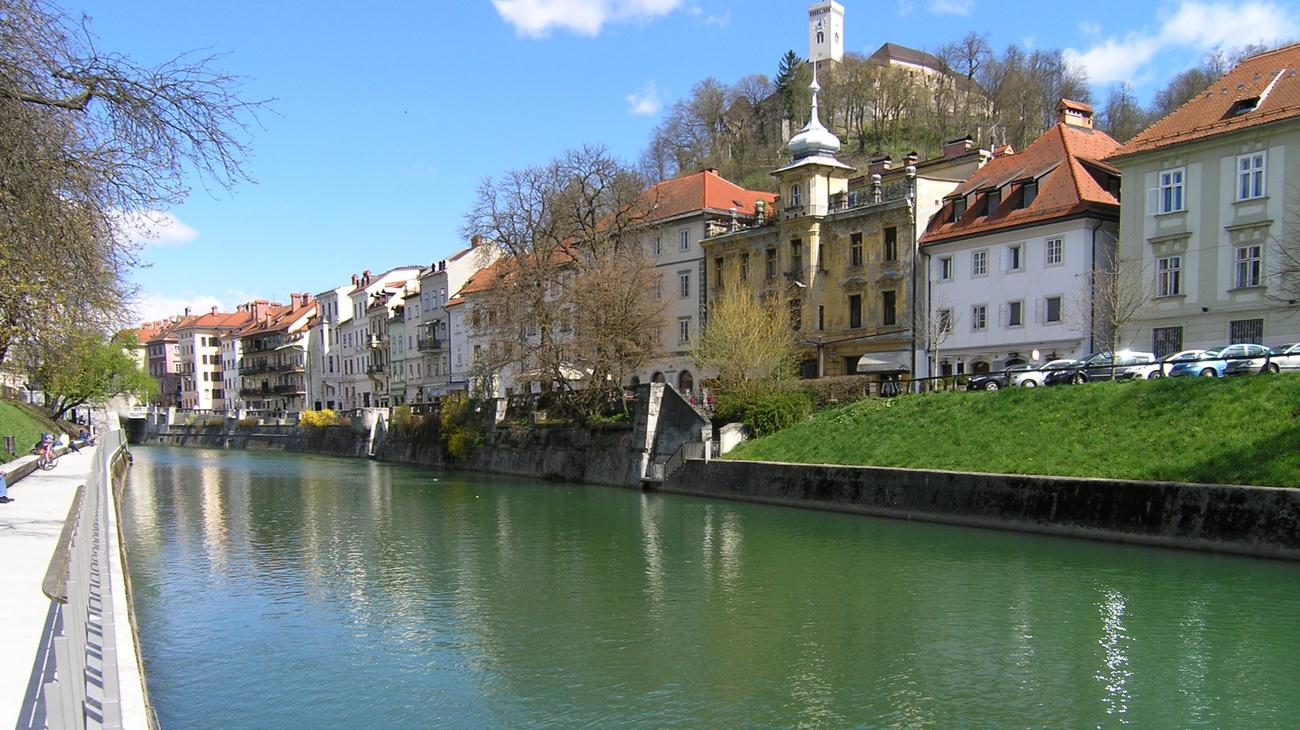
10 Affordable Cities in Central Europe Where Reddit Travelers Say You Can Live Like a Local

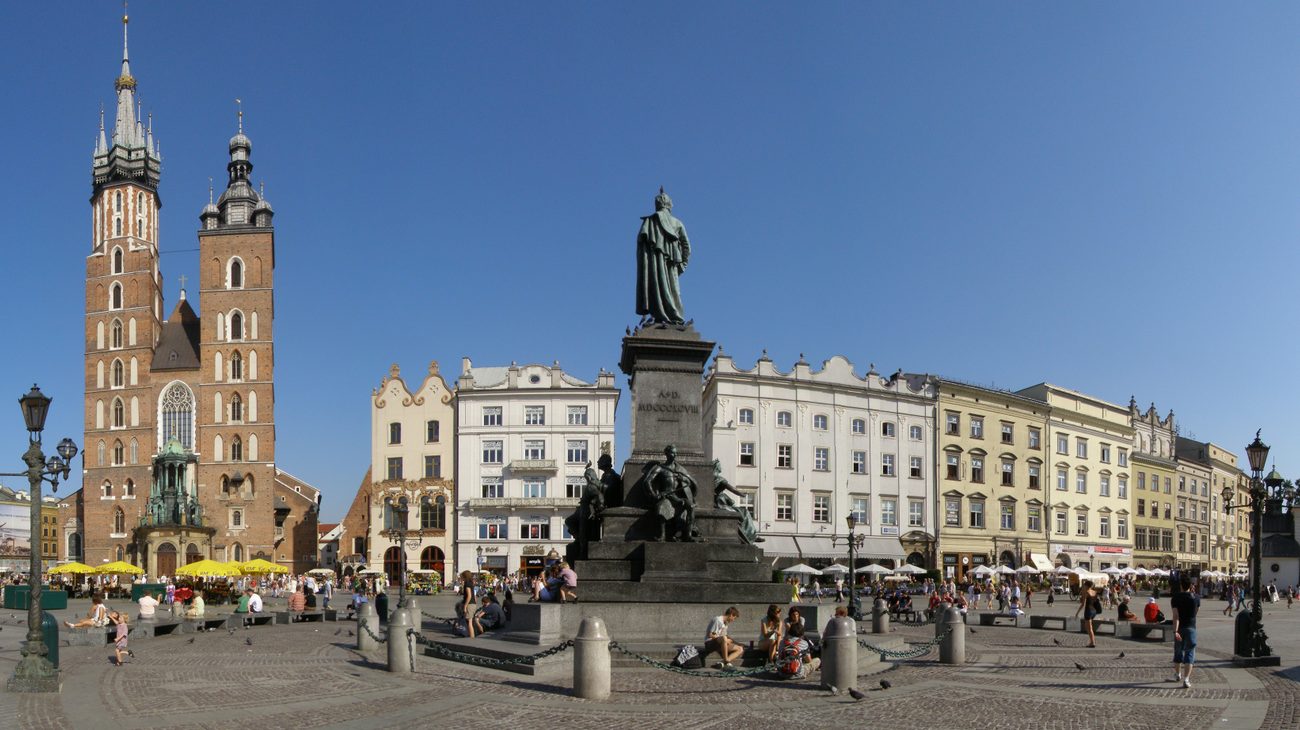
Kraków's Main Market Square (Rynek Główny)—one of Europe's grandest medieval plazas, surrounded by affordable milk bars and historic cellars.
There is a profound difference between being a rushed tourist checking off monuments from a guidebook and actually living like a local in Europe. The real magic of travel happens on a Tuesday morning: picking up warm sourdough bread and farmer’s cheese from a neighborhood market, finding a corner table at a cozy café where the barista recognizes your order, and spending evenings in lively beer gardens or thermal bathhouses where conversation flows effortlessly.
In Western European capitals like London, Zurich, and Paris, trying to slow down and stay for a few weeks or months will quickly deplete your savings account. But cross the historic borders into Central Europe, and the equation flips completely.
On Reddit's r/travel and digital nomad forums, travelers repeatedly celebrate a cluster of vibrant, highly cultured Central European cities where the quality of life is extraordinarily high, public transit is spotless and efficient, fast fiber-optic internet is standard, and monthly living expenses are a third of what you would pay in Western capitals.
Whether you are a slow traveler, remote worker, budget globetrotter, or cultural explorer, here are the 10 affordable cities in Central Europe where Reddit travelers say you can live like a local in 2027.
1. Brno, Czech Republic — The Student-Powered Cultural Hub
While tourists swarm Prague’s Charles Bridge, the Czech Republic’s second city, Brno (the capital of Moravia), remains one of Central Europe’s best-kept secrets. Home to six universities and over 65,000 students, Brno is an energetic, design-forward city where historic Baroque churches stand alongside world-renowned functionalist architecture like Mies van der Rohe's UNESCO-listed Villa Tugendhat.
- The Local Lifestyle: Brno's specialty coffee scene is widely considered by Redditors to be one of the best in Europe. Spend your mornings co-working at trendy spots like Kafec or Monogram Espresso Bar, take an afternoon walk through the forested park surrounding Špilberk Castle, and join the locals on warm evenings sitting with drinks on the pavement outside Výčep Na Stojáka (the iconic standing-only pub in St. James Square).
- Cost of Living Breakdown: Monthly rent for a modern 1-bedroom apartment in the center runs €550–€750; a half-liter of fresh draft Pilsner or Moravian craft beer is roughly €2.00–€2.50; a monthly unlimited transit pass is just €22.
- Reddit Traveler Consensus: "Brno has all the architectural charm and beer quality of Prague, but zero tourist traps and everyone is exceptionally friendly."
2. Kraków, Poland — Grand History & Bohemian Cellar Bars
Once the royal capital of Poland, Kraków was spared the physical destruction suffered by Warsaw during WWII, preserving its majestic medieval grid, Renaissance courtyards, and grand cobblestone avenues.
- The Local Lifestyle: To live like a local in Kraków, stay in Kazimierz (the historic Jewish quarter) or the leafy residential neighborhood of Podgórze. Your daily routine revolves around browsing organic fruit stands and artisanal cheeses at Plac Nowy, eating fresh zapiekanki (toasted open-face baguette sandwiches with mushrooms and melted cheese), and discovering subterranean candlelit jazz bars tucked into 14th-century brick cellars.
- The "Bar Mleczny" Culture: Poland’s state-subsidized "milk bars" are legendary among budget travelers. At places like Bar Mleczny Górnik, you can sit down for a home-style meal of pierogi ruskie, chicken schnitzel, cucumber salad, and compote for under €4.50.
- Cost of Living Breakdown: Monthly 1-bedroom apartments: €600–€850; hearty traditional dining: €6–€10; public transit pass: €33/month.
- Reddit Traveler Consensus: "Kraków is the ultimate base for 1–3 months. The city is walkable, green (thanks to the Planty park ringing the Old Town), safe at 3:00 AM, and deeply cultured."
3. Budapest, Hungary (Outer Districts) — Thermal Baths & Creative Quarters
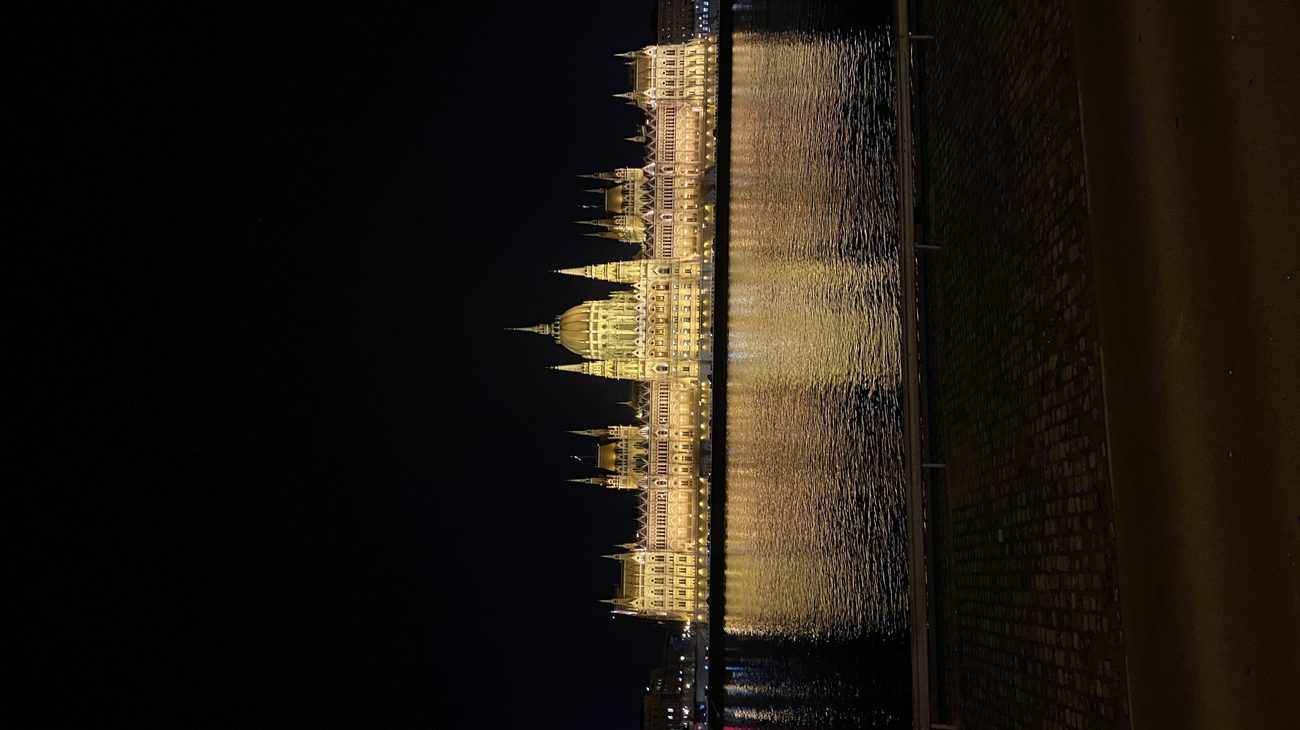
Budapest is undeniably one of Europe’s most magnificent capitals, with its gothic Parliament building reflecting in the Danube. But if you want to avoid tourist inflations along Váci Street, Reddit travelers advise moving into the authentic residential neighborhoods: Újlipótváros (District XIII), the leafy Jewish Quarter backstreets of District VII, or the student avenues of District VIII (Palace District).
- The Local Lifestyle: Living like a local in Budapest means adopting the Hungarian bathing ritual: soaking in the steaming geothermal pools and mineral springs of Széchenyi, Gellért, or Lukács Baths on quiet weekday mornings. Buy fresh paprika, lángos (fried dough topped with garlic sour cream and shredded cheese), and seasonal produce at the local Hunyadi Square or Lehel market halls.
- Cost of Living Breakdown: Outside the riverfront tourist zone, modern apartments rent for €550–€800/month; daily lunchtime menus (napi menü) in neighborhood bistros cost €5–€8; an unlimited monthly transit pass (trams, metro, buses) is roughly €24.
- Reddit Traveler Consensus: "Get a transit pass and ride the historic yellow Tram 2 along the Danube. Budapest offers a Parisian-scale metropolis at Eastern European prices."
4. Gdańsk, Poland — Baltic Maritime Splendor & Amber Alleys
Located on Poland’s northern Baltic coast, Gdańsk is a breathtaking historic port city that formed the wealthy crown jewel of the Hanseatic League and later sparked the fall of the Iron Curtain through Lech Wałęsa’s Solidarity movement.
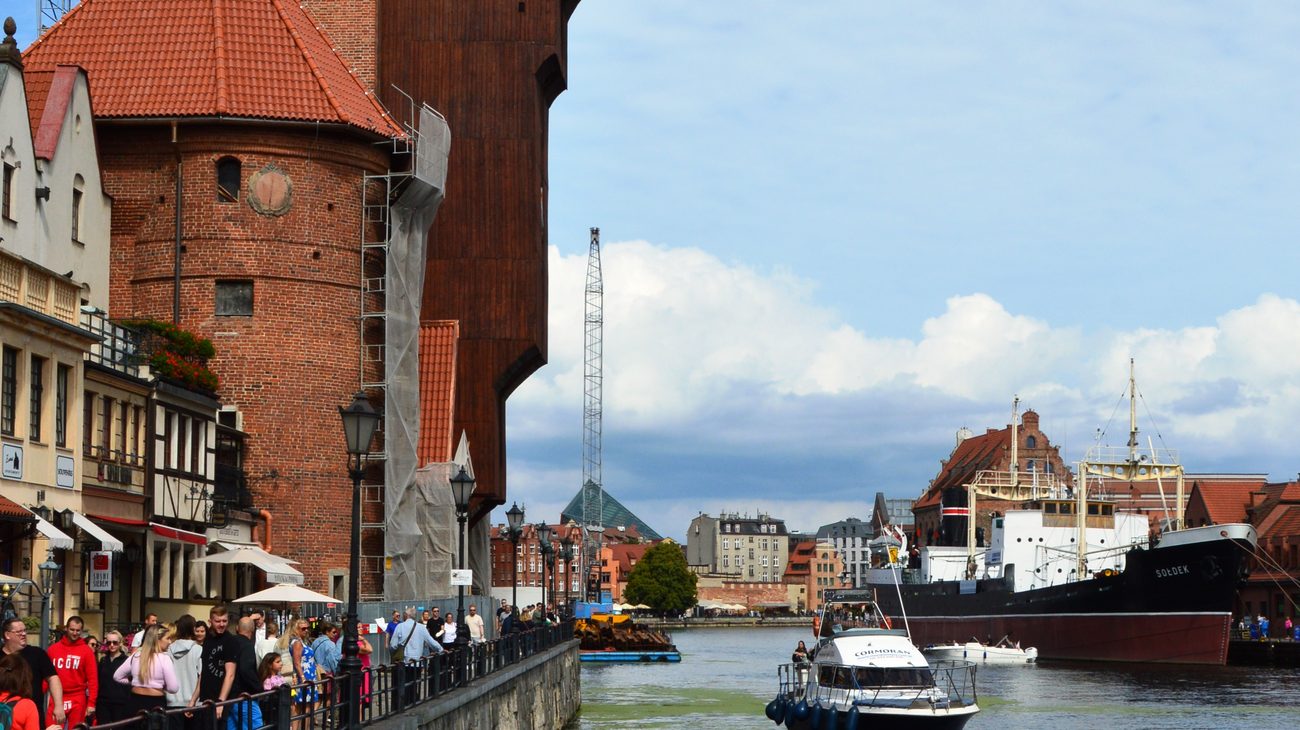
- The Local Lifestyle: Gdańsk’s waterfront along the Motława River, lined with Dutch-influenced merchant houses and the massive 15th-century wooden Żuraw (Crane), is undeniably picturesque. But locals spend their time in Wrzeszcz—a leafy, bohemian neighborhood filled with historic 19th-century villas, indie microbreweries, and vinyl cafés. The Tricity commuter train (SKM) connects you to the sandy Baltic beaches of Sopot and the modern port of Gdynia in 15 minutes.
- Cost of Living Breakdown: Monthly apartment rentals: €550–€750; fresh Baltic herring, cod dishes, and hearty soups: €7–€11; coastal transit: very cheap.
- Reddit Traveler Consensus: "Gdańsk in late spring and autumn is heaven. Sea air, incredible history, unpretentious locals, and some of the best seafood in Poland."
5. Bratislava, Slovakia — The Compact Danube Gateway
Located just 55 kilometers east of Vienna (making them the two closest capital cities in Europe), Bratislava offers the refined charm of the Austro-Hungarian empire at a dramatically lower cost of living.
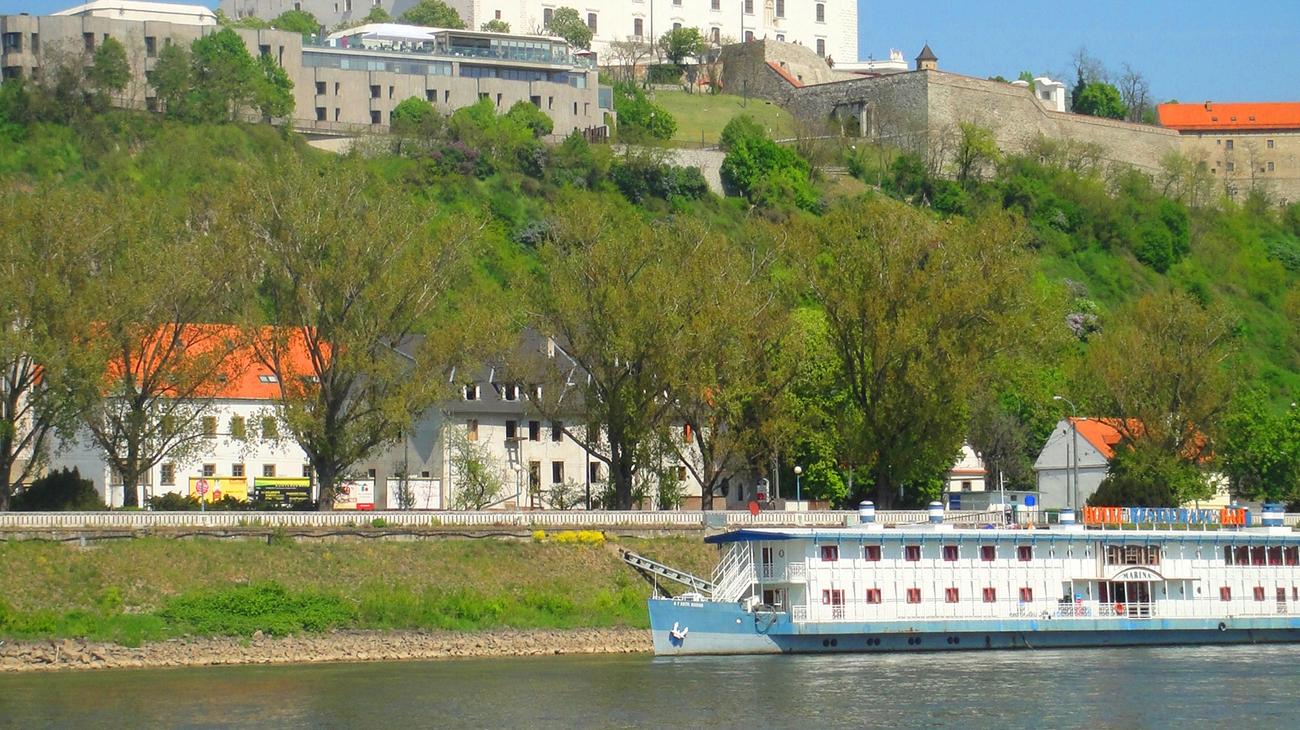
- The Local Lifestyle: With a compact, pedestrianized historic center, Bratislava is completely walkable. Climb up to Bratislava Castle for sweeping views of the Danube river, or cycle along the flat riverside bike paths into neighboring Austria and Hungary. The local food is comfort food at its best: bryndzové halušky (potato dumplings tossed with creamy sheep's milk cheese and crispy smoked bacon bits) washed down with local Slovak Kofola or lager.
- Cost of Living Breakdown: Rent for a stylish flat: €600–€850/month; daily expenses are notably lower than in neighboring Vienna; high-speed cross-border trains reach central Vienna in under an hour for €11.
- Reddit Traveler Consensus: "Bratislava is the perfect launchpad. You can live cheaply in Slovakia while having immediate access to Vienna's museums and airport."
6. Poznań, Poland — The Colorful Crossroads of Polish Culture
Halfway between Warsaw and Berlin, Poznań is one of Poland’s oldest cities and the cradle of the early Polish state. It is celebrated for its newly restored, eye-popping Stary Rynek (Old Market Square), where pastel merchant houses surround a magnificent Renaissance Town Hall.
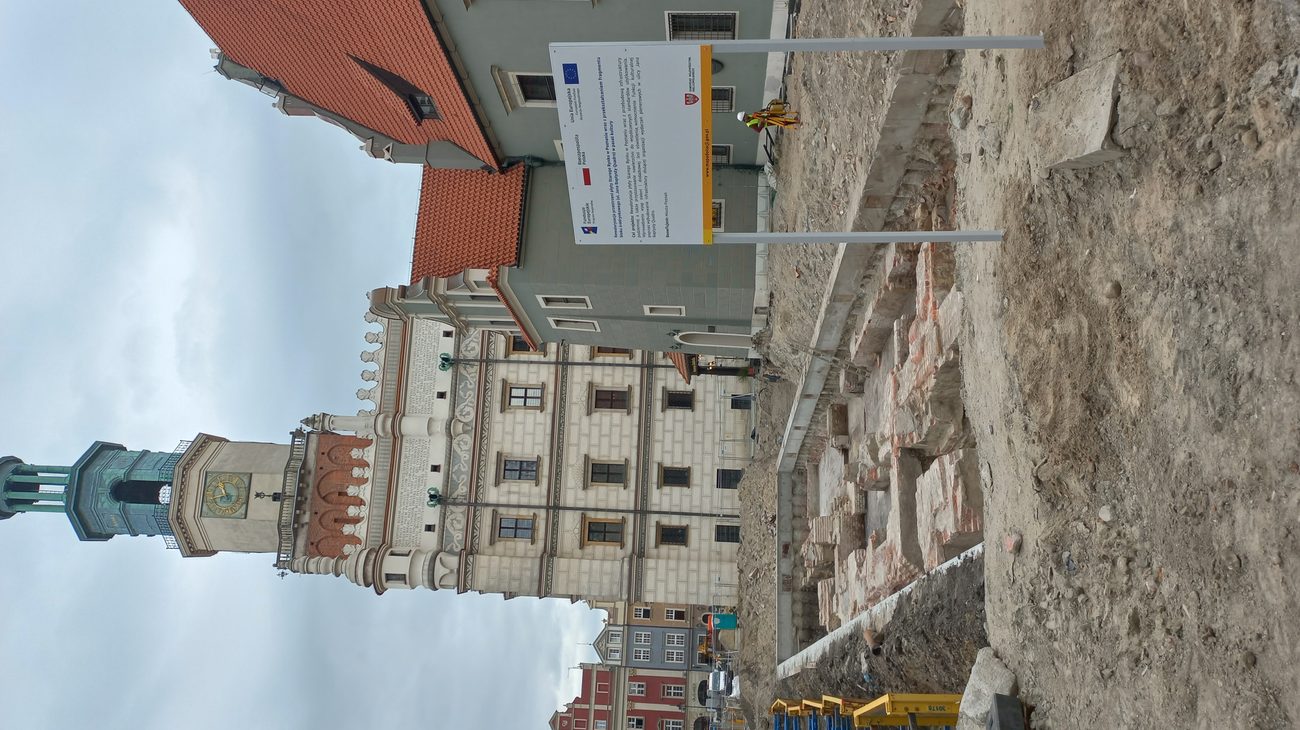
- The Local Lifestyle: At noon every day, crowds gather in the square to watch two mechanical goats emerge from the Town Hall clock tower to butt heads twelve times. But living here, you will fall in love with the city’s green spaces: cycling around Lake Malta, strolling the palm houses of Wilson Park, and sampling official St. Martin’s Croissants (Rogal świętomarciński), a protected local pastry filled with white poppy seeds, almonds, and vanilla.
- Cost of Living Breakdown: One of Poland's best value-to-quality ratios. Modern 1-bed apartments: €450–€650/month; dinner with craft beer: €8–€12.
- Reddit Traveler Consensus: "Poznań is clean, incredibly green, and has a booming tech and student vibe with virtually no tourist hassle."
7. Maribor, Slovenia — Wine Hills & Riverside Ease
Slovakia and Slovenia are often confused by outsiders, but Maribor, Slovenia's second-largest city nestled along the Drava River near the Austrian border, has a personality entirely its own. It is surrounded by rolling vine-clad hills and the forested slopes of the Pohorje mountains.
- The Local Lifestyle: In the historic riverside district of Lent, you can visit the Old Vine House, home to a grape vine certified by the Guinness Book of World Records as the oldest living, fruit-bearing vine in the world (over 450 years old!). Life here moves at a relaxed, Mediterranean-alpine pace: mountain biking or skiing on the Pohorje in the morning, and sipping crisp local Šipon or Laški Rizling wine along the river quays in the afternoon.
- Cost of Living Breakdown: Apartments: €450–€650/month; daily farm-to-table lunch menus: €7–€10.
- Reddit Traveler Consensus: "If you want an affordable, peaceful Slovenian mountain-and-wine base without Lake Bled tourist prices, Maribor is perfection."
8. Košice, Slovakia — Eastern Slovakia's Architectural Gem
Located near the borders of Hungary, Poland, and Ukraine, Košice is Slovakia’s second-largest city and a former European Capital of Culture. Its vibrant focal point is Hlavná Ulica (Main Street), a broad pedestrian boulevard bisected by a babbling brook and musical singing fountains.
- The Local Lifestyle: Dominating the center is the awe-inspiring St. Elisabeth Cathedral, the easternmost Gothic cathedral in Europe. Košice has converted former communist military barracks into Kulturpark, a sprawling contemporary arts complex, co-working hub, and concert venue. The coffee and craft brew scene rivals cities three times its size.
- Cost of Living Breakdown: Exceptionally affordable. 1-bedroom apartments: €400–€550/month; a hearty three-course dinner: €8–€12; high-speed rail connects directly to Bratislava and Prague.
- Reddit Traveler Consensus: "Košice completely shattered my expectations. It feels safe, artistic, deeply historic, and your money goes incredibly far."
9. Pécs, Hungary — The Sun-Drenched Mediterranean Oasis
Tucked against the Mecsek mountains in southern Hungary, Pécs enjoys a sunny microclimate that gives it a distinctively southern, almost Mediterranean soul. It boasts an extraordinary 2,000-year architectural tapestry blending Roman, early Christian, Ottoman Turkish, and Hungarian heritage.
- The Local Lifestyle: In the central Széchenyi Square stands the Mosque of Pasha Qasim, a 16th-century Ottoman domed mosque that now serves as a Catholic church, crowned with both a crescent moon and a cross. Explore the Zsolnay Cultural Quarter, where the historic 19th-century ceramic factory has been transformed into galleries, concert halls, and tree-lined cafés adorned with iridescent pyrogranite ceramics.
- Cost of Living Breakdown: Very inexpensive. Central flats: €350–€500/month; local Villány red wines and Hungarian gulyás: €6–€9.
- Reddit Traveler Consensus: "Pécs feels like an Italian hill town transplanted into Hungary. Warm weather, almond blossoms in spring, and practically zero international tourists."
10. Olomouc, Czech Republic — The Hidden Gem of Moravian Grace
Frequently praised by Czech locals as Prague’s quieter, more authentic sister, Olomouc boasts the second-largest protected historic urban zone in the Czech Republic, anchored by the UNESCO-listed Holy Trinity Column and six elaborate Baroque mythological fountains.
- The Local Lifestyle: Because Olomouc is home to Palacký University (founded in 1573), the city is filled with youthful energy, independent bookshops, microbreweries, and lively open-air pub gardens. You can live in a historic stone apartment overlooking cobblestone plazas, buy groceries at morning farmers' markets, and hop on clean modern trams running throughout the city.
- Cost of Living Breakdown: 1-bedroom apartments: €450–€650/month; legendary local draft beers: under €2; dinner at traditional Moravian taverns: €6–€10.
- Reddit Traveler Consensus: "Olomouc is what travel in Europe used to feel like twenty years ago: grand, affordable, authentic, and utterly unhurried."
Central Europe Living Comparison: Estimated Monthly Costs (2027)
| City & Country | Typical 1-Bed Rent (Monthly) | Average Meal at Local Tavern | Transit Pass (Monthly) | Vibe & Best Suited For |
|---|---|---|---|---|
| Brno, Czech Rep. | €550 – €750 | €7 – €11 | €22 | Students, tech remote workers, specialty coffee lovers |
| Kraków, Poland | €600 – €850 | €6 – €10 | €33 | Culture purists, digital nomads, nightlife & history |
| Budapest (Dist. VII/XIII) | €550 – €800 | €6 – €10 | €24 | Big-city amenities, thermal bath lovers, architecture |
| Gdańsk, Poland | €550 – €750 | €7 – €11 | €26 | Baltic coast lovers, maritime history, craft beer |
| Bratislava, Slovakia | €600 – €850 | €8 – €12 | €30 | Walkable city lovers, easy commute access to Vienna |
| Poznań, Poland | €450 – €650 | €6 – €9 | €28 | Young professionals, green parks, authentic Polish food |
| Maribor, Slovenia | €450 – €650 | €7 – €10 | €20 | Wine enthusiasts, alpine hikers, quiet retreat seekers |
| Košice, Slovakia | €400 – €550 | €6 – €9 | €22 | Budget slow travelers, Gothic architecture, arts |
| Pécs, Hungary | €350 – €500 | €5 – €8 | €19 | Warm climate seekers, Ottoman history, ceramics |
| Olomouc, Czech Rep. | €450 – €650 | €6 – €9 | €18 | Prague lovers seeking silence, Baroque charm, beer |
Essential Reddit Tips for Living Like a Local in Central Europe
- Avoid Tourist Main Streets for Dining: Walk just three blocks away from the main tourist plaza in Kraków, Budapest, or Gdańsk. You will find neighborhood taverns (gospoda, karczma, étterem) serving double the portion sizes of home-cooked regional food for half the price.
- Utilize Monthly Transit Passes: Cities across Poland, Czechia, Hungary, and Slovakia have world-class tram and bus networks. Buying a monthly pass at local kiosks saves significant money over single-ride tickets.
- Embrace Local Market Halls: Instead of large supermarket chains, shop at local municipal markets (hala targowa, tržnice, piac). The produce is fresher, sourced directly from nearby farms, and far more affordable.
Frequently Asked Questions (FAQ)
What visa do I need to live in Central Europe as an international traveler?
Citizens of the US, UK, Canada, Australia, and many other nations can travel freely within the Schengen Zone for up to 90 days out of any 180-day period. For stays beyond 90 days, countries like the Czech Republic (Zivno visa), Hungary (White Card), and Poland offer dedicated digital nomad, freelance, or long-term cultural stay visas.
Is high-speed internet reliable for remote work?
Yes. Central European cities routinely feature faster and more reliable fiber-optic broadband speeds than many parts of Western Europe or the US, with average apartment Wi-Fi speeds ranging from 100 Mbps to 1 Gbps. Co-working spaces and laptop-friendly cafés are widespread.
How do healthcare and medical services compare?
Healthcare standards across Poland, the Czech Republic, Hungary, and Slovakia are excellent, especially in private clinics where many doctors speak fluent English. Comprehensive international travel medical insurance (such as SafetyWing, Genki, or Allianz) provides low-cost, high-quality coverage.
Related Travel & Living Guides
This article is for informational purposes. Flight routes, passenger regulations, visa rules, and transit advisories are subject to change by airlines and aviation authorities. Readers are advised to verify schedules and travel documentation with relevant carriers and border agencies before departure.
Related Stories
12 Underrated Cities in China That International Travelers Are Starting to Discover
12 Beautiful Small Cities in Italy That Reddit Travelers Recommend Over Rome and Venice