
Spain Leads Iceland and Other Countries in Single-Aisle Aviation Boom
Spain Leads Iceland and Other Countries in Single-Aisle Aviation Boom

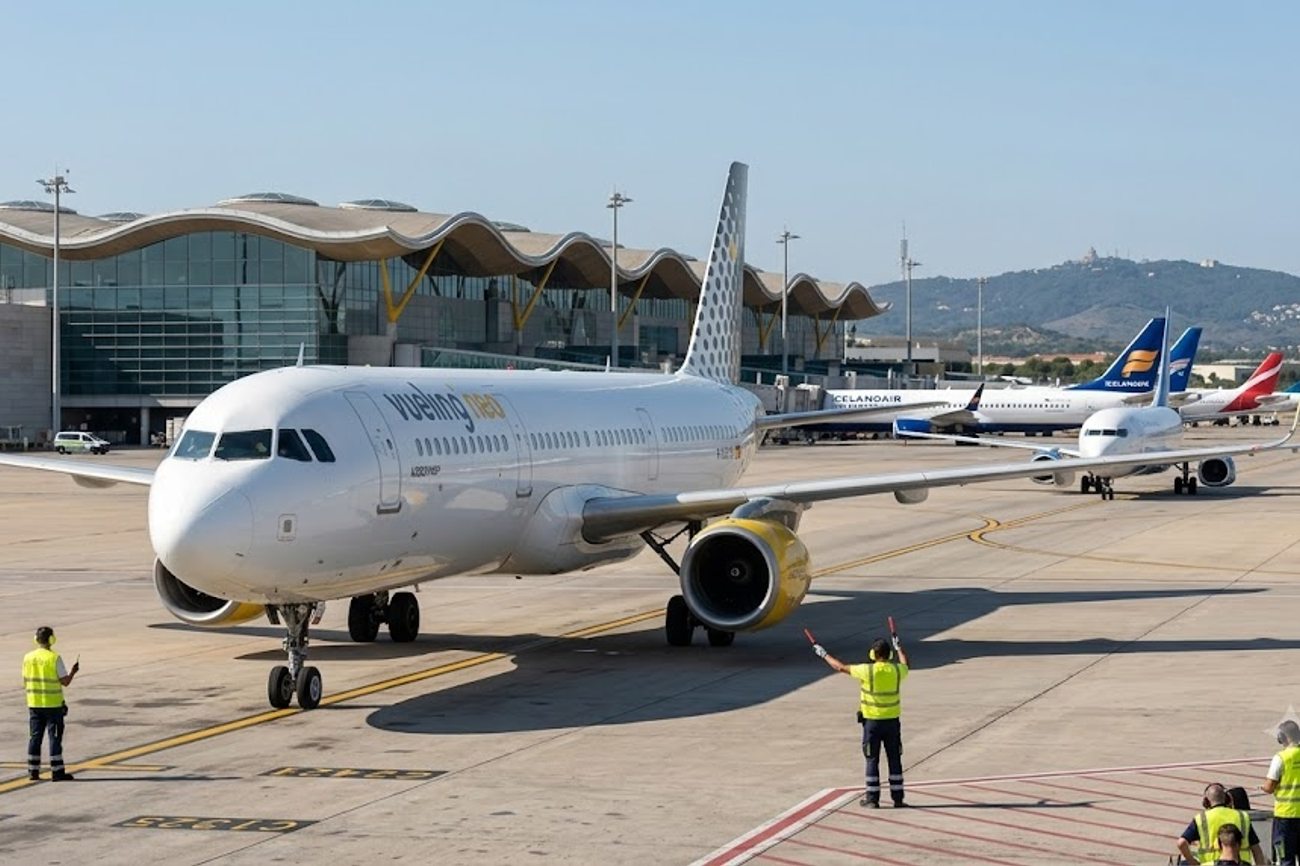
Image generated by AI
[Madrid, May 2024] — Spanish aviation operators are spearheading a global transition toward long-range narrowbody aircraft, fundamentally dismantling the traditional hub-and-spoke model to establish direct, point-to-point connections between secondary regional cities across continents.
This operational pivot allows budget and hybrid carriers to bypass congested mega-hubs, utilizing fuel-efficient single-aisle jets to link smaller urban centers in Europe, North America, and Asia. By reducing the financial risk associated with deploying massive widebody aircraft on "thin" routes, airlines are now opening year-round commercial ties between regional markets that were previously deemed economically unviable.
The Narrowbody Catalyst
The shift is driven by a technological leap in aircraft range and efficiency, allowing single-aisle planes to cover transatlantic and intercontinental distances. Historically, international travel required passengers to funnel through primary capitals—such as London, New York, or Madrid—before reaching their final destination. The new strategy eliminates these bottlenecks, allowing carriers to match aircraft capacity more accurately to actual passenger demand.
For regulators, this shift requires updated oversight of regional airport capacities. Those seeking official aviation regulations and airspace management data can consult the UK Civil Aviation Authority (CAA), which monitors the safety and efficiency of these evolving flight patterns.
Global Market Impact
The deployment of these aircraft is reshaping tourism and economics across four primary regions:
- Spain: Acting as the global innovator, Spanish carriers are utilizing narrowbodies to link regional Spanish bases directly to North American cities, bypassing primary gateways and reducing seat-mile costs.
- Iceland: Operators at Keflavík International Airport are adapting their historic midpoint strategy. Rather than just bridging major capitals, they are now using single-aisle jets to feed secondary North American markets into niche European destinations.
- Canada: Airlines are linking secondary domestic nodes directly to non-traditional European spots. This removes the need for domestic feeder flights into congested primary terminals, allowing provincial heritage centers to attract international tourists directly.
- India: Low-cost carriers are launching direct international flights from Tier-2 and Tier-3 cities. This democratizes travel for the growing middle class, removing the requirement for chaotic transfers through mega-metropolitan hubs.
What This Means for Travelers
For the average passenger, the "narrowbody revolution" translates to a significant reduction in transit friction. Instead of a multi-leg journey involving a domestic flight, a long layover at a massive hub, and a final short-haul jump, travelers can now book single-ticket, direct flights from their nearest regional airport.
Key passenger benefits include:
- Reduced Transit Fatigue: Fewer take-offs, landings, and hours spent in airport terminals.
- Lower Fare Potential: Because single-aisle jets have lower operating costs than widebodies, budget carriers can offer more competitive pricing on secondary routes.
- Increased Destination Choice: Travelers can now access "hidden gem" cities and provincial regions without the logistical nightmare of complex connecting flights.
- Seasonal Reliability: Because these planes are smaller, airlines are less likely to cancel routes during shoulder seasons, ensuring more consistent year-round availability.
The Future of Regional Connectivity
The trajectory of global aviation is moving toward decentralization. As regional airports upgrade their infrastructure to handle increased international traffic, the reliance on "mega-hubs" will continue to diminish. This shift is creating a powerful economic multiplier for local tourism boards, as international visitors are funneled directly into provincial economies rather than remaining concentrated in capital cities.
Industry analysts expect a continued surge in fleet orders for long-range narrowbodies. This strategy allows airlines to maintain higher profit margins per flight hour by avoiding the "empty seat" risk associated with giant twin-aisle jets on emerging routes. The result is a more sustainable aviation ecosystem where flight frequency is prioritized over sheer aircraft size.
To ensure these new routes remain safe and compliant, agencies like the European Union Aviation Safety Agency (EASA) continue to monitor the performance of narrowbody aircraft on extended-range operations.
FAQ: Long-Range Narrowbody Travel 2024
Will these flights be less comfortable than traditional long-haul flights? Narrowbody aircraft have a single aisle and typically a 3-3 seating configuration. While they lack the sprawling cabins of widebodies, modern long-range versions are designed specifically for comfort over several hours of flight.
Why are airlines choosing smaller planes for long distances? Smaller planes are cheaper to operate and easier to fill. This allows airlines to fly to smaller cities profitably without needing to transport 300+ passengers per flight to break even.
Which regions are seeing the most growth in these routes? Spain is currently the leader in innovation, but India is seeing the fastest growth in Tier-2 and Tier-3 city connectivity, while Canada and Iceland are optimizing their transatlantic links.
Do I need different documentation for regional international flights? No. Whether you fly from a mega-hub or a regional airport, all standard passport, visa, and customs requirements apply. You simply clear customs at a less congested terminal.
The era of the mega-hub is fading as the regional airport takes center stage.
#SpainAviation2024 #KeflavikAirport #IndiaTier2Travel #NarrowbodyRevolution #TransatlanticRegional #EASA
Related Travel Guides
Disclaimer
This article is for informational and educational purposes only. It does not constitute legal, financial, or professional advice. While we strive to provide accurate and up-to-date information, travel policies, regulations, and conditions change rapidly. Always verify information with official sources before making travel decisions. Nomad Lawyer makes no representations about the accuracy, reliability, completeness, or suitability of the information provided. Readers should consult qualified professionals for advice specific to their circumstances. The views expressed in this article are those of the author and do not necessarily reflect the views of Nomad Lawyer.
Preeti Gunjan
Contributor & Community Manager
A passionate traveller and community builder. Preeti helps grow the Nomad Lawyer community, fostering engagement and bringing the reader experience to life.
Learn more about our team →