
Saudi Arabia's Farasan Islands 2026 Eco-Tourism Strategy: New Low-Impact Regulations and Jazan Growth
Saudi Arabia is implementing a strict low-impact tourism framework for the Farasan Islands in Jazan, prioritizing mangrove protection and seasonal nature experiences over high-density resorts.

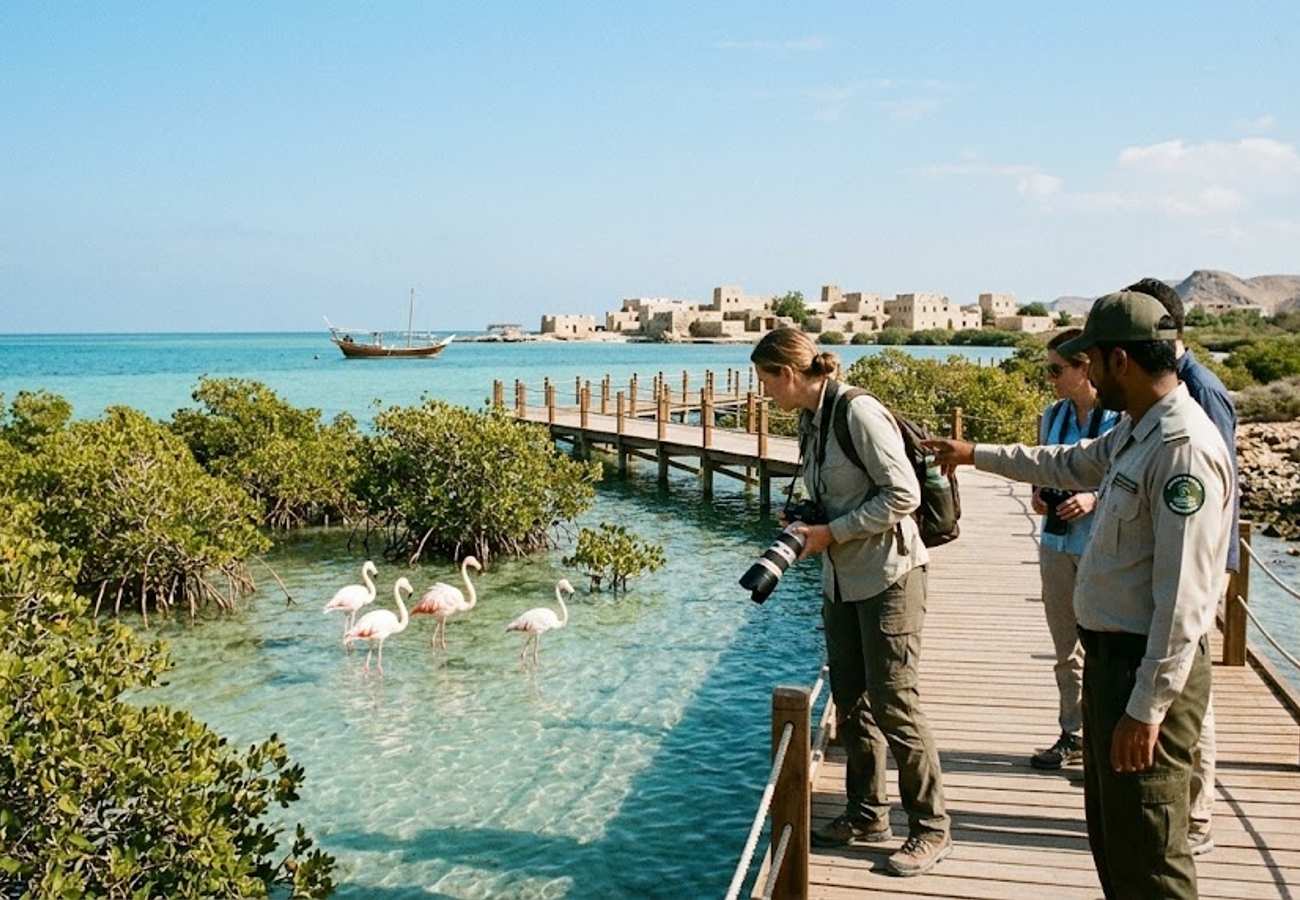
Image generated by AI
A specialized nature photographer arriving at Farasan Port this week may find that their planned itinerary is subject to strict new zoning laws, as Saudi Arabia officially pivots away from mass tourism toward a highly regulated, low-impact ecological model. Unlike the sprawling luxury resorts appearing elsewhere on the Red Sea, the Farasan Islands are being positioned as a sanctuary where visitor carrying capacity and environmental preservation dictate the commercial terms.
The Farasan Islands Strategic Pivot: From Promotion to Programming
Saudi Arabia is currently restructuring the commercial framework of the Farasan Islands to ensure the archipelago does not succumb to the pressures of high-density tourism. Rather than focusing on hotel room counts, the government is implementing a "defined experience calendar." This shift moves the destination away from generic beach marketing and toward a structured, seasonal product architecture designed for the high-value, low-density traveler.
According to data from the National Center for Wildlife (NCW), updated as of 15 September 2026, the islands are now categorized by specific nature-tourism activities. This allows tour operators to build itineraries based on ecological reality rather than marketing promises. Walking and hiking trails, as well as stargazing, are now officially designated as year-round activities. Conversely, camping is strictly associated with the winter season, and marine experiences are tied to specific wildlife-viewing windows.
For those planning future trips, it is important to note that birdwatching infrastructure is currently listed as "coming soon," meaning it cannot yet be sold as a completed facility for specialist groups.
Investment Focus: The Khutab Beach Model
A significant point of interest for investors and B2B travel planners is Khutab Beach, located approximately 45 kilometres from the Farasan Governorate. While some may mistake this for a new resort zone, official publications from the Saudi Press Agency clarify that Khutab is a "forward-development signal."
The government has identified Khutab Beach for small-scale, sustainable investments. The approved model focuses on:
- Small coastal lodges instead of large hotels.
- Organized, low-impact camping areas.
- Open-air cafés and sea viewpoints.
- Dedicated walking trails.
This approach aligns with the Ministry of Investment's broader strategy for the Jazan region, where tourism is a strategic sector. However, the Farasan Islands Protected Area management plan for 2024–2030 explicitly warns that large-scale construction would compromise the very landscape that attracts visitors. Consequently, the commercial opportunity here lies in specialist photography, nature interpretation, and small-group coastal experiences.
Operational Constraints and Mangrove Protection
The most rigid aspect of the new framework involves the management of mangrove waterways, particularly on the eastern shore of Farasan Island. These areas are critical habitats for pink-backed pelicans, and the government is treating them as sanctuary-level zones.
The Al-Qandal Forest, situated roughly 16 kilometres from Farasan Port, serves as a primary example of these constraints. Access to this area requires navigating a narrow rocky entrance of about 50 metres before entering the mangrove channels. While small-boat trips to view dolphins and birdlife remain popular, the NCW is implementing "micro-zoning" to prevent boat traffic from disturbing the ecosystem.
Travelers and operators should check the latest Visit Saudi updates to ensure their boat operators are compliant with the latest recreational protocols for reefs and marine-mammal observation.
Marine Zoning and Capacity Limits
To prevent environmental degradation, the Saudi government has divided the Farasan marine environment into specific zones. These are not visitor quotas but operational boundaries that dictate what activities are permitted in specific waters.
| Marine Zone Category | Area (Hectares) | Percentage of Total | Tourism Implication |
|---|---|---|---|
| Restricted Marine Zone | 201,728 | 35.0% | High-impact activities limited; protects fish nurseries and mangroves. |
| Low-Intensity Marine Zone | 135,576 | 23.5% | Serves as a shoreline buffer against dense boating and fishing. |
| High-Intensity Marine Zone | 164,890 | 28.6% | Deeper waters allowing for heavier boat traffic and existing use. |
| Sanctuary Treatment | Not Specified | N/A | Maximum protection for sensitive areas like mangrove waterways. |
Rebooking and Itinerary Strategy for Farasan
Because Farasan is moving toward a seasonal and regulated model, the traditional "book and go" approach to beach holidays is no longer viable. Travelers should adopt the following strategies:
- Seasonal Alignment: Do not book camping trips outside of the winter window. For marine wildlife, consult the NCW wildlife-viewing calendar to ensure your visit coincides with species movement.
- Alternative Accommodation: Since large resorts are being discouraged, look for small-scale lodges or organized camping. If these are unavailable, consider using Jazan city as a base for day trips, though this increases transit time.
- Operator Vetting: Ensure your tour operator is certified for "Low-Intensity Marine Zones." Boats lacking the proper permits may be turned away from sensitive areas like the Al-Qandal Forest.
- Diversification: To avoid the restrictions of the restricted marine zones, balance your itinerary with the year-round hiking and stargazing options which have a lower environmental impact and fewer access restrictions.
FAQ: Farasan Islands Tourism 2026
Can I book a large luxury resort on the Farasan Islands? No. The current 2024–2030 management plan explicitly discourages large-scale resort clusters in favor of small lodges and eco-camping to protect the natural landscape.
When is the best time to visit for camping and wildlife? Camping is officially associated with the winter season. Marine wildlife experiences are tied to specific viewing seasons; check the NCW portal for current species movement dates.
Are there restrictions on boat trips to the mangroves? Yes. The eastern shore and Al-Qandal Forest are subject to micro-zoning. Boat access is strictly regulated to protect pink-backed pelicans and other sensitive species.
Is Khutab Beach open for tourism? Khutab Beach is identified for sustainable investment (small lodges and cafés), but it is not yet a fully developed resort zone with bookable inventory.
The era of mass tourism in the Red Sea is meeting its match in the preserved silence of the Farasan Islands.
Related Travel Guides
Disclaimer
This article is for informational and educational purposes only. It does not constitute legal, financial, or professional advice. While we strive to provide accurate and up-to-date information, travel policies, regulations, and conditions change rapidly. Always verify information with official sources before making travel decisions. Nomad Lawyer makes no representations about the accuracy, reliability, completeness, or suitability of the information provided. Readers should consult qualified professionals for advice specific to their circumstances. The views expressed in this article are those of the author and do not necessarily reflect the views of Nomad Lawyer.
Raushan Kumar
Founder & Lead Developer
Full-stack developer with 11+ years of experience and a passionate traveller. Raushan built Nomad Lawyer from the ground up with a vision to create the best travel and law experience on the web.
Learn more about our team →