
Japan: Tokyo Mount Takao Bear Sighting Triggers Safety Alert for Silver Week Hikers
Japan: Tokyo Mount Takao Bear Sighting Triggers Safety Alert for Silver Week Hikers

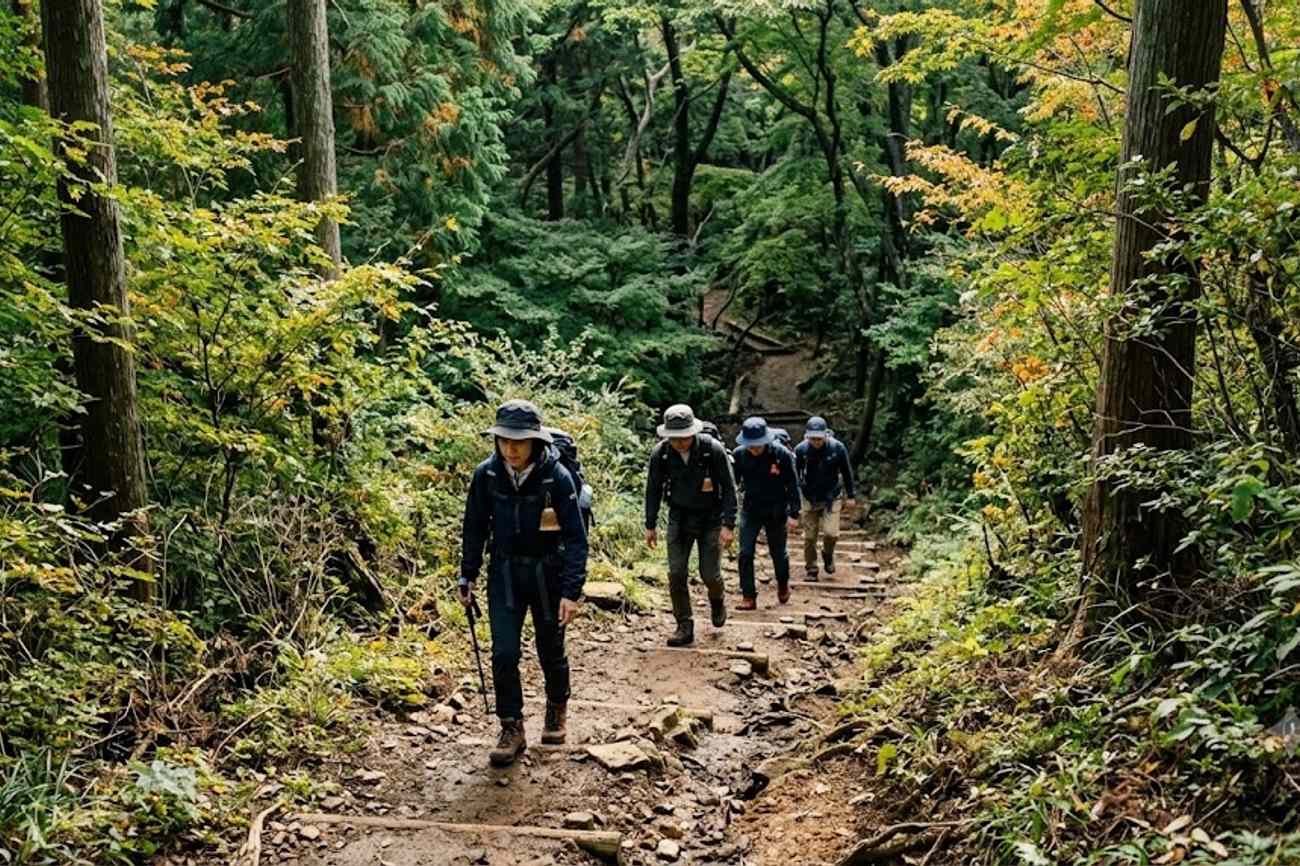
Image generated by AI
[Tokyo, September 2025] — An Asiatic black bear has been detected in the mountains of Mount Takao, triggering safety alerts for one of western Tokyo's most frequented hiking and sightseeing hubs.
The animal was captured on a wildlife observation camera at approximately 11 p.m. on August 20. Hachioji City officials report the sighting occurred roughly 70 meters north of Shiromidai, situated near the middle section of Trail No. 1. This specific route is a high-traffic corridor characterized by a paved pathway and dense tree cover, frequently utilized by urban explorers and nature tourists.
Wildlife Incursion at Mount Takao
The sighting marks a concerning intersection between urban tourism and natural habitats. While the Tama region of western Tokyo is known to house these animals, the proximity of a predator to a primary tourist trail during peak visiting hours creates a significant safety variable.
The Tokyo Metropolitan Government conducted a survey in fiscal 2025 estimating the local bear population between 120 and 378 animals. Data suggests this population is currently increasing. This trend is corroborated by a specialized bear information map maintained by the city, which shows a heavy concentration of confirmed sightings and photographic evidence within the Tama area.
This incident is not an isolated event within Japan. Throughout September, several prefectures have reported dangerous wildlife encounters:
- Hiroshima Prefecture: On September 3, a bear was filmed stealing pears from an orchard in Miyoshi, causing substantial crop damage.
- Kyoto Prefecture: On September 3, two bears were spotted near a residential property in Maizuru, necessitating an emergency firearms operation by local law enforcement.
- Yamagata Prefecture: On September 7, a bear sighting in a residential neighborhood in Tendo resulted in immediate road closures and increased security patrols.
Affected Routes and Regions
The impact of these sightings is concentrated in specific ecological and residential zones. The following areas are currently under heightened wildlife surveillance:
| Region | Specific Location | Impact Level | Primary Concern |
|---|---|---|---|
| Tokyo | Mount Takao (Trail No. 1) | High | Tourist/Hiker safety during autumn foliage season |
| Hiroshima | Miyoshi Orchards | Moderate | Agricultural loss and worker safety |
| Kyoto | Maizuru Residential | High | Urban encroachment and emergency response |
| Yamagata | Tendo/Yamagata City | High | Residential security and festival logistics |
What This Means for Travelers
For tourists booking trips to Japan during the autumn foliage season or the Silver Week holiday period, these developments necessitate a change in outdoor behavior. The presence of bears near paved, high-traffic trails means that "established paths" no longer guarantee safety from wildlife.
Immediate Passenger & Tourist Impact:
- Heightened Vigilance: Hikers must now monitor the forest canopy in addition to the trail, as bears frequently feed in trees.
- Gear Requirements: The use of bear bells is no longer optional for those seeking a safe experience; they are now essential tools for signaling human presence to avoid startling animals.
- Scent Management: Travelers are advised to avoid strong perfumes, deodorants, or volatile fragrances that could attract bears from a distance.
- Scheduling Restrictions: Authorities strongly discourage entering mountain environments during low-visibility periods, specifically after sunset and in the early morning hours.
Ecological Drivers and Preventative Measures
The timing of these incursions is linked to seasonal food scarcity. Takayoshi Yamauchi, an associate professor at Iwate University specializing in bear ecology, notes that August is a critical period where natural food sources dwindle, forcing bears into peripheral urban and tourist zones. By September, bears typically locate a rich food source and remain stationary to feed, which directly overlaps with the arrival of mushroom pickers and seasonal hikers.
In response, the private sector and event organizers are implementing aggressive deterrent strategies. In Yamagata City, organizers of the Imoni Festival (scheduled for September 20) took the following steps between September 16 and September 19:
- Deployment of firecrackers and handheld fireworks in the surrounding mountains to push wildlife away.
- Installation of the "Monster Wolf" system, a sensor-equipped deterrent capable of emitting over 50 different sounds to repel animals.
Local businesses are also adjusting. Daichi Usui, deputy manager of the Takao Coffee main store, reports that the business has implemented strict protocols to eliminate outdoor food waste, removing potential attractants for the bear population.
Safety Guidelines for Mountain Excursions
Public safety authorities and municipal governments have shifted from reactive to proactive management. Travelers are urged to utilize official sighting databases before departing for any hike in the Tama region or other affected prefectures.
The Ministry of the Environment, Japan and local Hachioji City officials recommend the following safety protocol:
- Avoid Solitary Hiking: Always travel in groups to increase the acoustic footprint of the party.
- Active Noise Generation: Beyond bear bells, some visitors are using conch shells or other noise-making devices to maintain a safe buffer.
- Visibility Awareness: Stay on marked trails and avoid venturing into dense brush where visibility is limited.
- Waste Management: Ensure all food scraps are sealed in airtight containers and removed from the mountain site.
FAQ: Japan Wildlife Safety 2025
Is it safe to hike Mount Takao right now? Yes, but only with precautions. Stick to Trail No. 1, travel in groups, use bear bells, and avoid the mountain after sunset or before dawn. Check the Tokyo bear information map before starting.
What should I do if I encounter a bear on a trail? Do not run. Back away slowly while maintaining eye contact and making noise. Avoid sudden movements or loud screams that might startle the animal into attacking.
Are these bear sightings common in Tokyo? No, they are unusual for a global capital, but the Tama region is a natural habitat. Population data from 2025 indicates an upward trend in the number of bears in the area.
Do I need specialized equipment for autumn hiking in Japan? A bear bell is highly recommended for any mountain trek in the Tama, Kyoto, or Yamagata regions. Avoid strong scents and carry a map of known sighting zones.
Stay alert and stay loud in the highlands.
#MountTakao2025 #HachiojiWildlife #TamaRegionBears #JapanTravelSafety #AsiaticBlackBear #TokyoHiking
Related Travel Guides
Disclaimer
This article is for informational and educational purposes only. It does not constitute legal, financial, or professional advice. While we strive to provide accurate and up-to-date information, travel policies, regulations, and conditions change rapidly. Always verify information with official sources before making travel decisions. Nomad Lawyer makes no representations about the accuracy, reliability, completeness, or suitability of the information provided. Readers should consult qualified professionals for advice specific to their circumstances. The views expressed in this article are those of the author and do not necessarily reflect the views of Nomad Lawyer.
Raushan Kumar
Founder & Lead Developer
Full-stack developer with 11+ years of experience and a passionate traveller. Raushan built Nomad Lawyer from the ground up with a vision to create the best travel and law experience on the web.
Learn more about our team →