
Alexandria Tourism Hits Historic $1 Billion Milestone as Visit Alexandria Celebrates 30 Years
Alexandria Tourism Hits Historic $1 Billion Milestone as Visit Alexandria Celebrates 30 Years

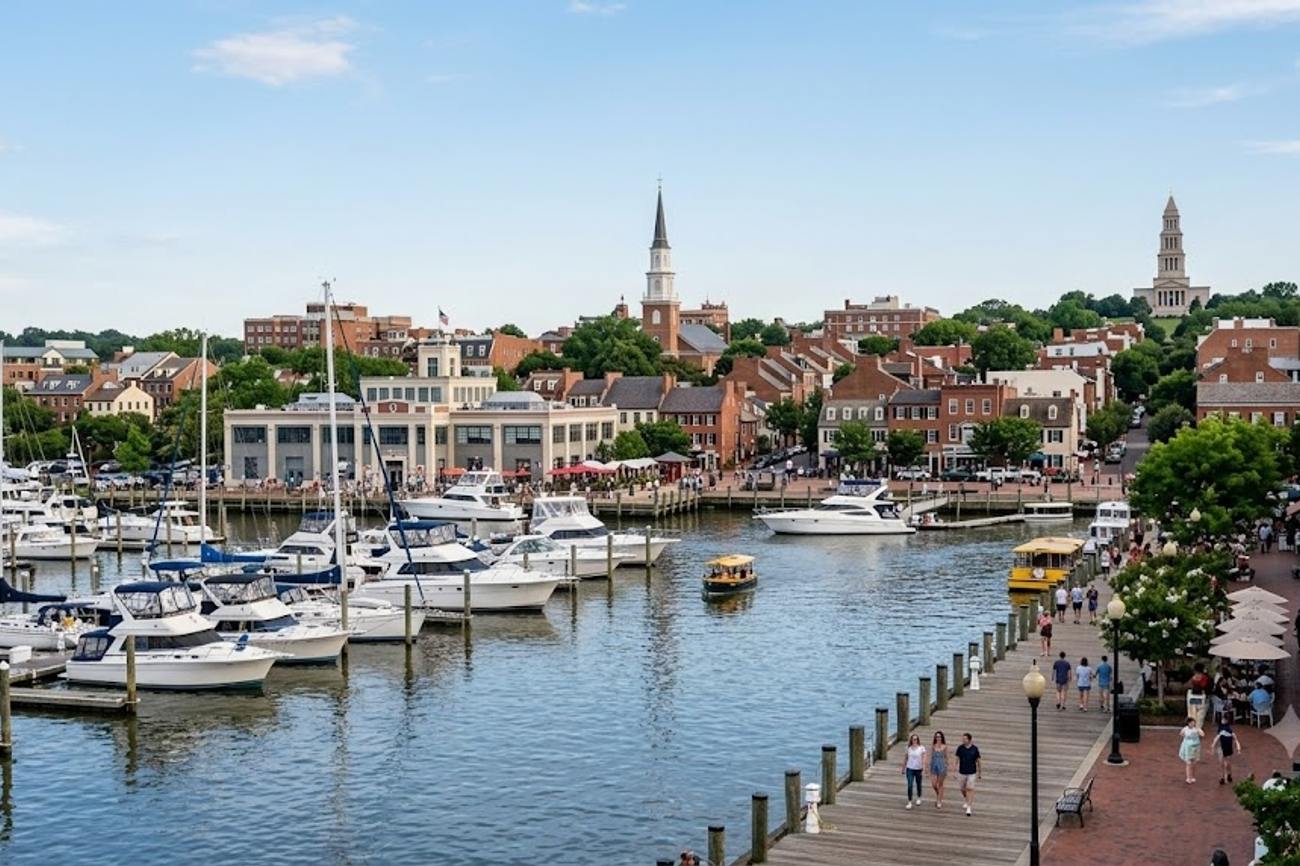
Image generated by AI
[Alexandria, September 16, 2026] — The city of Alexandria, Virginia, has reached a historic economic milestone, recording $1 billion in annual visitor spending for the first time. This financial peak coincides with the 30th anniversary of Visit Alexandria, the city's official destination marketing organization.
City officials, hospitality executives, and the founders of the marketing organization gathered on Wednesday to commemorate the achievement. The surge in revenue signals Alexandria's successful transition from a regional historical site into a primary East Coast travel hub, leveraging a combination of 18th-century architecture and a modernized luxury hospitality sector.
The Catalyst for Economic Growth
The $1 billion threshold was not reached by chance but through a three-decade strategic pivot orchestrated by Visit Alexandria. The organization has shifted its focus from traditional heritage tours toward immersive storytelling and digital-first marketing campaigns. By targeting international, national, and regional demographics, the city has expanded its reach beyond the typical history enthusiast.
According to data from the Virginia Tourism Corporation, the growth is rooted in aggressive public-private partnerships. These collaborations have facilitated a surge in boutique hotel developments and the expansion of the waterfront dining district. The city has effectively monetized its maritime heritage and arts community, transforming them into high-yield economic drivers.
The strategy focused on creating a "walkable" luxury experience. By investing in pedestrian-friendly infrastructure and high-end retail corridors, Alexandria has captured a segment of the travel market that prioritizes authentic local culture paired with modern amenities. This evolution has allowed the city to compete with larger metropolitan hubs while maintaining its colonial identity.
Markets and Sectors Impacted
The financial windfall is distributed across several key sectors of the local economy. The $1 billion in spending directly supports thousands of local jobs and provides a stable tax base for municipal improvements.
- Hospitality and Lodging: An influx of boutique hotels has increased the average daily rate (ADR) and length of stay for visitors.
- Retail and Dining: The "King Street Mile" and waterfront establishments have seen record sales, driven by a mix of luxury shopping and a diversifying culinary scene.
- Arts and Culture: Institutions such as the Torpedo Factory Art Center and the George Washington Masonic National Memorial continue to serve as primary anchors for foot traffic.
- Public Infrastructure: Tax revenues from lodging and retail sales are being diverted into the maintenance of parks and the preservation of historic brick townhomes and cobblestone streets.
The reliance on visitor spending ensures that the cost of preserving the city's 18th-century architecture does not fall on the local residents, creating a sustainable loop where tourism funds the very history that attracts the tourists.
What This Means for Travelers
For the modern traveler, Alexandria is no longer just a day-trip appendage to Washington, D.C. The $1 billion milestone reflects a city that has built a comprehensive, standalone ecosystem for tourists.
Booking and Accommodations Travelers can expect a higher density of boutique lodging options compared to a decade ago. The shift toward "modern luxury" means that while the exterior of the city remains colonial, the interior guest experience—from smart-room technology to high-end concierge services—is aligned with global standards.
Dining and Exploration The culinary landscape has shifted toward a "waterfront-centric" model. Visitors should prioritize the Potomac River waterfront for dining, as this area has seen the most significant investment. The city is now designed for walkability, meaning travelers can navigate the majority of top attractions, including the King Street retail corridor, without the need for rental cars or extensive ride-share usage.
Cultural Access The integration of digital navigation tools is increasing, making it easier for first-time visitors to locate hidden historical gems and contemporary art galleries. The city's positioning as a "top East Coast destination" suggests an increase in seasonal festivals and curated cultural events designed to attract international crowds.
The Roadmap for Sustainable Growth
With the 30th anniversary celebrations concluding, Alexandria is pivoting toward a ten-year strategic plan focused on "sustainable destination management." City leaders recognize that unchecked growth can threaten the historic charm that drives the economy.
The next phase of development will prioritize three core areas:
- Environmental Sustainability: Implementing green tourism practices to protect the Potomac River waterfront and reduce the carbon footprint of the hospitality sector.
- Enhanced Accessibility: Improving physical and digital access to ensure the city's historic districts are navigable for all visitors, regardless of mobility.
- Infrastructure Expansion: Plans are underway to expand waterfront parks and introduce new cultural festivals to distribute visitor traffic more evenly across the city.
By balancing aggressive economic growth with strict heritage preservation, the City of Alexandria aims to maintain its competitive edge in the mid-Atlantic travel market. The goal is to ensure that the $1 billion mark is a floor rather than a ceiling for future annual spending.
FAQ: Alexandria Tourism 2026
What is driving the record spending in Alexandria? The $1 billion milestone is the result of a 30-year strategy combining boutique hotel growth, a revitalized waterfront dining scene, and digital marketing that attracts international travelers alongside traditional history buffs.
Which attractions are the most popular for visitors? The primary drivers of tourism include the King Street Mile for shopping, the Torpedo Factory Art Center for the arts, and the George Washington Masonic National Memorial for history.
Is Alexandria a walkable city for tourists? Yes. The city has invested heavily in pedestrian-friendly public spaces and walkable corridors, allowing visitors to easily access the waterfront and colonial districts on foot.
How is the tourism revenue used by the city? Visitor spending generates lodging and retail taxes that fund public infrastructure, community programs, and the ongoing preservation of the city's 18th-century architecture.
Alexandria proves that colonial history is a scalable asset in the modern luxury travel market.
#AlexandriaVA #VirginiaTourism #VisitAlexandria2026 #PotomacWaterfront #EastCoastTravel #DestinationMarketing
Related Travel Guides
Disclaimer
This article is for informational and educational purposes only. It does not constitute legal, financial, or professional advice. While we strive to provide accurate and up-to-date information, travel policies, regulations, and conditions change rapidly. Always verify information with official sources before making travel decisions. Nomad Lawyer makes no representations about the accuracy, reliability, completeness, or suitability of the information provided. Readers should consult qualified professionals for advice specific to their circumstances. The views expressed in this article are those of the author and do not necessarily reflect the views of Nomad Lawyer.
Preeti Gunjan
Contributor & Community Manager
A passionate traveller and community builder. Preeti helps grow the Nomad Lawyer community, fostering engagement and bringing the reader experience to life.
Learn more about our team →