South Korea Beauty Tourism Crackdown 2026: Regulators Expose Fake Reviews and Misleading Claims

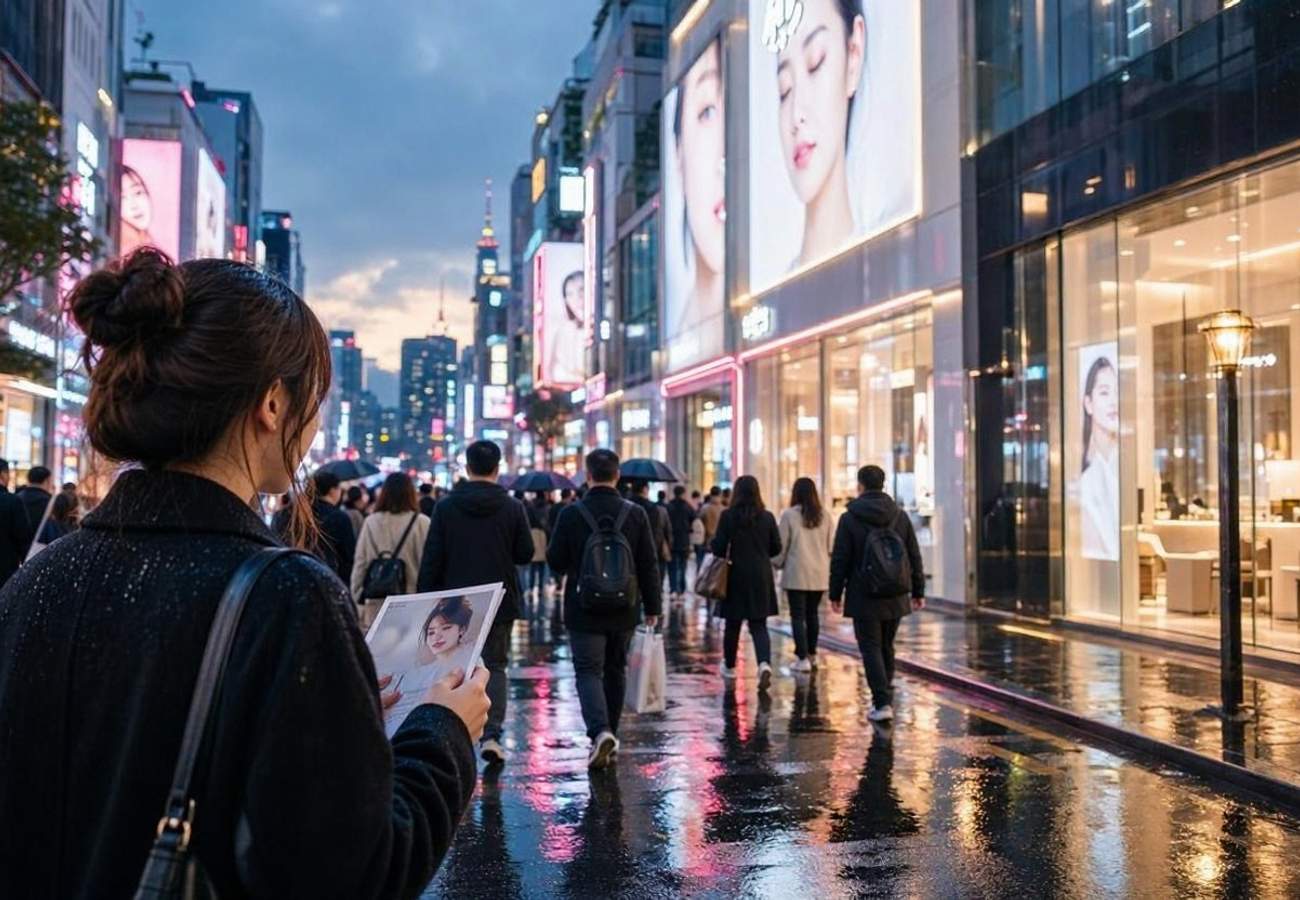
Image generated by AI
[Seoul, November 4, 2026] — South Korean regulators have exposed a systemic "dark side" to the nation's booming beauty tourism industry, revealing widespread use of fake patient reviews, fraudulent skincare claims, and predatory contractual terms.
The revelations come as the country sees a massive influx of international patients seeking dermatology and plastic surgery. Investigations by the Fair Trade Commission (FTC) and the Ministry of Food and Drug Safety have uncovered a pattern of deceptive marketing designed to exploit the insecurities of foreign visitors who may lack the local language skills or legal resources to verify medical claims.
The Scale of the Beauty Tourism Boom
The demand for "K-beauty" medical procedures has reached unprecedented levels. According to data from the Ministry of Health and Welfare released in April 2026, South Korea treated more than 2.01 million foreign patients in 2025, marking a 72 percent increase over 2024.
The concentration of this demand is heavily skewed toward appearance-enhancing procedures. Dermatology and plastic surgery now dominate the medical tourism sector, representing the vast majority of specialty records.
Foreign Medical Spending and Patient Volume (2025-2026)
| Metric | Figure | Detail/Growth |
|---|---|---|
| Total Foreign Patients (2025) | 2.01 Million | $\approx$ 72% increase vs 2024 |
| Dermatology Records | 1.31 Million | Largest specialty segment |
| Plastic Surgery Records | 233,100 | High-impact surgical demand |
| Total Medical Spending (H1 2026) | 1.42 Trillion Won | 38.6% increase YoY |
| Dermatology Spending (H1 2026) | 768.5 Billion Won | 49.5% increase (54.1% of total) |
| Combined Beauty Spend Share | 72.1% | Dermatology + Plastic Surgery |
Deceptive Marketing and "Review Fraud"
On July 12, 2026, the Fair Trade Commission took direct action against three plastic surgery clinics for orchestrating a deceptive review scheme. The regulator found that these clinics provided promotional models with discounted or free procedures in exchange for positive testimonials. These reviews were posted on medical beauty apps and online communities without disclosing the commercial nature of the arrangement.
Furthermore, the Ministry of Food and Drug Safety identified a wave of misleading skincare advertisements. On July 24, 2026, the agency flagged 178 improper online ads, with 142 of them falsely claiming medicinal effects for standard cosmetics. This trend continued into September, where 308 improper ads were reported, including 63 specifically targeting the cosmetics sector with misleading claims about trendy ingredients like PDRN.
Additional fraud was detected in intellectual property claims. On September 7, 2026, the Korea Consumer Agency and intellectual property authorities reported 634 instances of false patent representations. These claims were used to make ordinary skincare products appear scientifically superior or medically validated.
What This Means for Travelers
For the average tourist visiting districts like Myeongdong—where an estimated 100,910 foreign visitors pass through daily—these findings translate to significant financial and physical risks.
Passenger and Patient Impact:
- Trust Deficit: Online testimonials on beauty apps may be paid advertisements rather than genuine patient experiences.
- Medical Misinformation: Skincare products marketed as "treatments" for acne or other conditions may be unapproved cosmetics without clinical efficacy.
- Contractual Traps: The FTC identified 15 dermatology and aesthetic clinics using unfair prepaid contracts. These included excessive cancellation penalties, restrictions on lawsuits, and clauses that allowed clinics to unilaterally change services.
- Pressure Tactics: There is an increasing risk of "skin anxiety" marketing, where sellers frame normal skin features as urgent medical problems to upsell expensive product bundles.
Regulatory Response and Next Steps
The South Korean government is now moving toward stricter enforcement of medical advertising laws. The Fair Trade Commission has ordered corrective measures and public notices for the clinics involved in review fraud. Simultaneously, the government is auditing prepaid treatment terms to ensure that cancellation and refund policies are fair and transparent.
Travelers are advised to seek independent medical assessments and avoid signing long-term, prepaid "package" contracts without a clear, translated exit clause.
FAQ: South Korea Beauty Tourism 2026
How can I tell if a clinic review is fake? Look for disclosures stating the reviewer received a discount or free treatment. Be skeptical of overly polished "before and after" photos on apps and cross-reference with independent, non-commercial forums.
Are "K-beauty" skincare patents a guarantee of quality? No. Regulators found 634 false patent claims in 2026. A patent indicates a unique process or formula, not necessarily a clinically proven medical result or safety guarantee.
What should I do if a clinic refuses to refund a prepaid package? Check your contract for "unfair provisions" as defined by the FTC. If you encounter excessive penalties or blocked refunds, report the incident to the Korea Consumer Agency.
Is it safe to buy "medicinal" cosmetics in Seoul? Be cautious. Many products claim medicinal effects (such as curing acne) without official approval. Verify if the product is registered as a "functional cosmetic" or a medical device.
Verify every claim and read every clause before committing to a procedure.
Related Travel Guides
This article is for informational purposes. Flight routes, passenger regulations, visa rules, and transit advisories are subject to change by airlines and aviation authorities. Readers are advised to verify schedules and travel documentation with relevant carriers and border agencies before departure.
Related Stories
South Korea Medical Beauty Tourism Faces Regulatory Reckoning Over Misleading Claims and Predatory Clinic Contracts

Brussels Travel Costs Surge 2026: How Energy Inflation Impacts Budget Stays in Ixelles and Anderlecht