Brussels Travel Costs Surge 2026: How Energy Inflation Impacts Budget Stays in Ixelles and Anderlecht

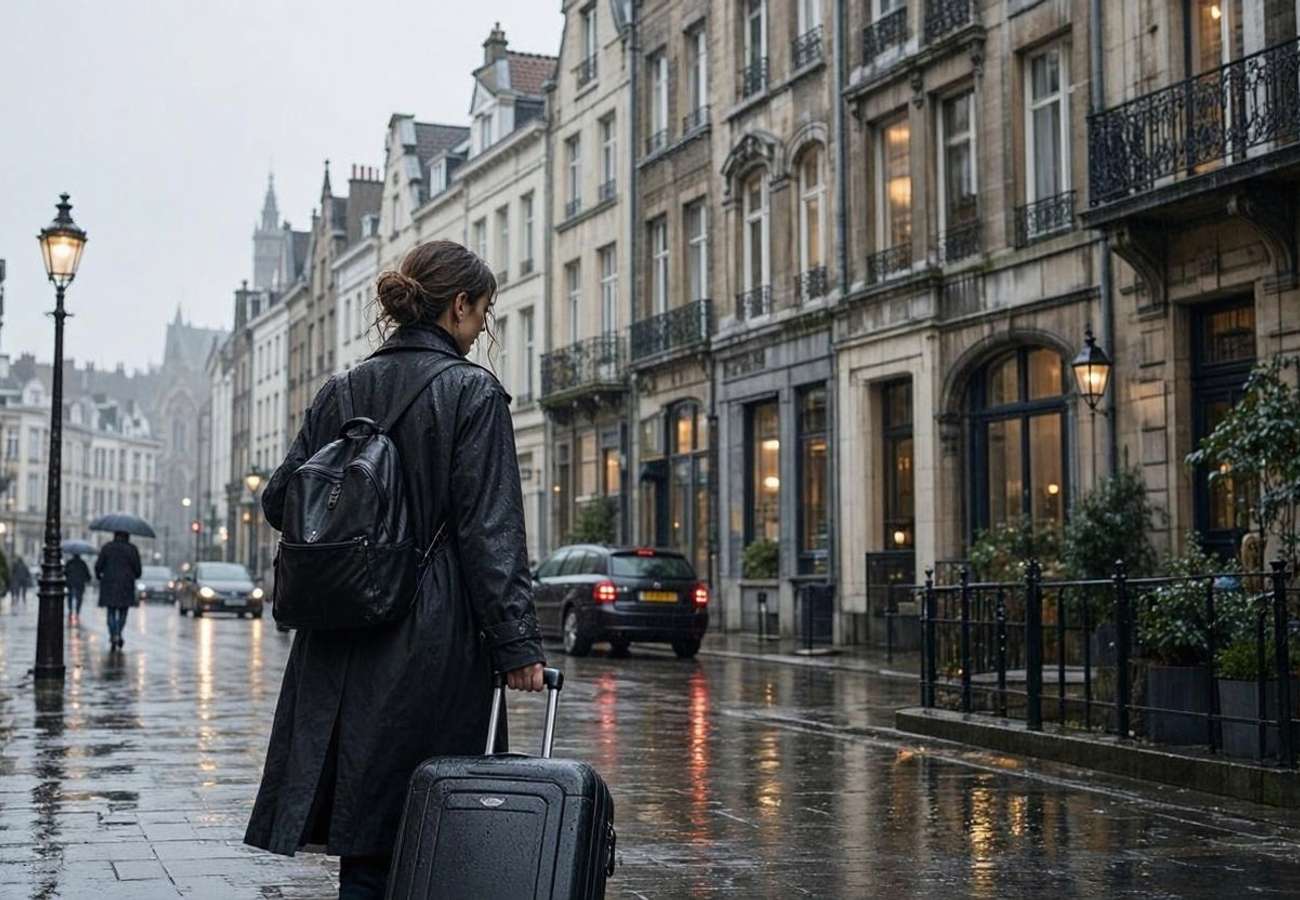
Image generated by AI
Are you planning a budget-friendly getaway to Belgium only to find that "affordable" neighborhoods are no longer cheap? For travelers targeting the Brussels-Capital Region in 2026, the financial landscape has shifted, as soaring utility costs are being passed directly from property owners to visitors.
The Brussels Energy Price Surge
The Brussels-Capital Region is currently battling extreme energy market volatility. This instability is fueled by geopolitical tension in the Middle East and fierce competition for liquefied natural gas imports. For the traveler, this isn't just a macroeconomic statistic; it is a direct increase in the cost of a hotel room or an Airbnb.
Regional distribution tariffs have averaged approximately €0.3585/kWh. Because many boutique hotels and independent guesthouses operate on variable-rate contracts, they have seen repricing cycles jump by as much as 20 percent during peak friction periods. With annual household energy projections climbing toward €3,300 for combined gas and electricity, small-scale hospitality providers can no longer absorb these overheads.
Regional Price Impact by District
The impact of these costs is not uniform across the city. Depending on where you book your stay, the "energy surcharge" manifests differently.
| District | Primary Housing Type | Primary Cost Driver | Impact on Traveler | Status |
|---|---|---|---|---|
| Anderlecht | Budget Guesthouses | Low thermal efficiency | Higher nightly rates for budget stays | Increasing |
| Ixelles | Short-term Rentals | High commercial overhead | Steep cleaning fees & premium rates | High |
| Schaerbeek | Historic B&Bs | Aging masonry/heating | Seasonal price spikes (Winter) | Moderate |
| Molenbeek | Urban Apartments | Regeneration costs | Compressed margins for micro-hosts | Stable/Rising |
Traveler Logistics Guide
If you are coordinating a trip to Brussels under these economic conditions, you need a specific strategy to avoid budget blowouts.
1. Booking Strategy for Budget Stays Avoid the "last-minute" trap in districts like Anderlecht. Because independent guesthouses are struggling with fixed overheads, they are more likely to implement dynamic pricing. Use official platforms like Visit Brussels to identify certified accommodations that may have more stable pricing structures than independent short-term rentals.
2. Managing the "Winter Surcharge" In Schaerbeek, the architectural heritage—specifically 19th-century townhouses—comes with a thermal penalty. If you are visiting between November and March, expect higher rates or "heating fees." To mitigate this, prioritize rentals that explicitly mention "green energy upgrades" or "double-paned windows" to ensure you aren't paying a premium for a cold room.
3. Navigating Ixelles and High-End Zones Ixelles (particularly near Toison d’Or and Flagey) is the epicenter of urban overhead inflation. Short-term rental hosts here are increasing cleaning fees to offset refrigeration and climate control costs. To save, look for accommodations slightly outside the primary shopping boulevards but still within the STIB-MIVB transit network to maintain accessibility.
4. Ground Transport Optimization As accommodation prices rise, reduce your overall spend by utilizing the integrated transit system. Rather than relying on ride-shares, which are also feeling the pinch of fuel volatility, use the Brussels metro and tram system to move between the communes of Anderlecht and the city center.
Regional Connectivity Impact
The energy crisis is effectively erasing the price gap between "budget" communes and the city center. Historically, travelers chose Anderlecht or Molenbeek specifically for lower price points. However, as these providers pass on the €0.3585/kWh distribution costs, the competitive advantage of staying in the periphery is diminishing.
This shift is forcing a change in traveler behavior. We are seeing a trend where visitors opt for fewer, higher-quality stays in the center rather than longer, budget stays in the outskirts, as the price difference has narrowed. This puts further pressure on the micro-hospitality networks in western Brussels, potentially leading to a consolidation of the market where only larger, energy-efficient hotel chains survive.
FAQ: Brussels Transit & Lodging 2026
Do I need to worry about hidden energy fees in my rental? Yes. In districts like Schaerbeek and Ixelles, some independent hosts are adding "seasonal utility surcharges" or increasing cleaning fees to cover heating. Always check the final price breakdown before confirming your booking.
Which district is currently the most expensive for short-term rentals? Ixelles remains the most expensive due to high commercial rents and premium urban overheads, especially near the Toison d’Or and Flagey areas.
Are budget hotels in Anderlecht still a viable option? They remain viable, but the price gap between Anderlecht and central Brussels has shrunk. You will likely pay more than you would have in previous years due to the low energy efficiency of older buildings.
How can I find the most energy-efficient (and thus price-stable) stays? Look for newer developments in Molenbeek-Saint-Jean or hotels with LEED or green energy certifications, as they are less susceptible to wholesale gas price swings.
Plan your budget with a 20% buffer to account for the regional energy volatility currently reshaping Belgian hospitality.
Related Travel Guides
This article is for informational purposes. Flight routes, passenger regulations, visa rules, and transit advisories are subject to change by airlines and aviation authorities. Readers are advised to verify schedules and travel documentation with relevant carriers and border agencies before departure.
Related Stories

European Mass Protests Disrupt Travel Across France, Italy, Belgium, and Turkey in 2026

Visit Seattle Launches 'There’s Never Been More to SEA' Local Tourism Campaign for 2026-2027