
South Korea Medical Beauty Tourism Faces Regulatory Reckoning Over Misleading Claims and Predatory Clinic Contracts

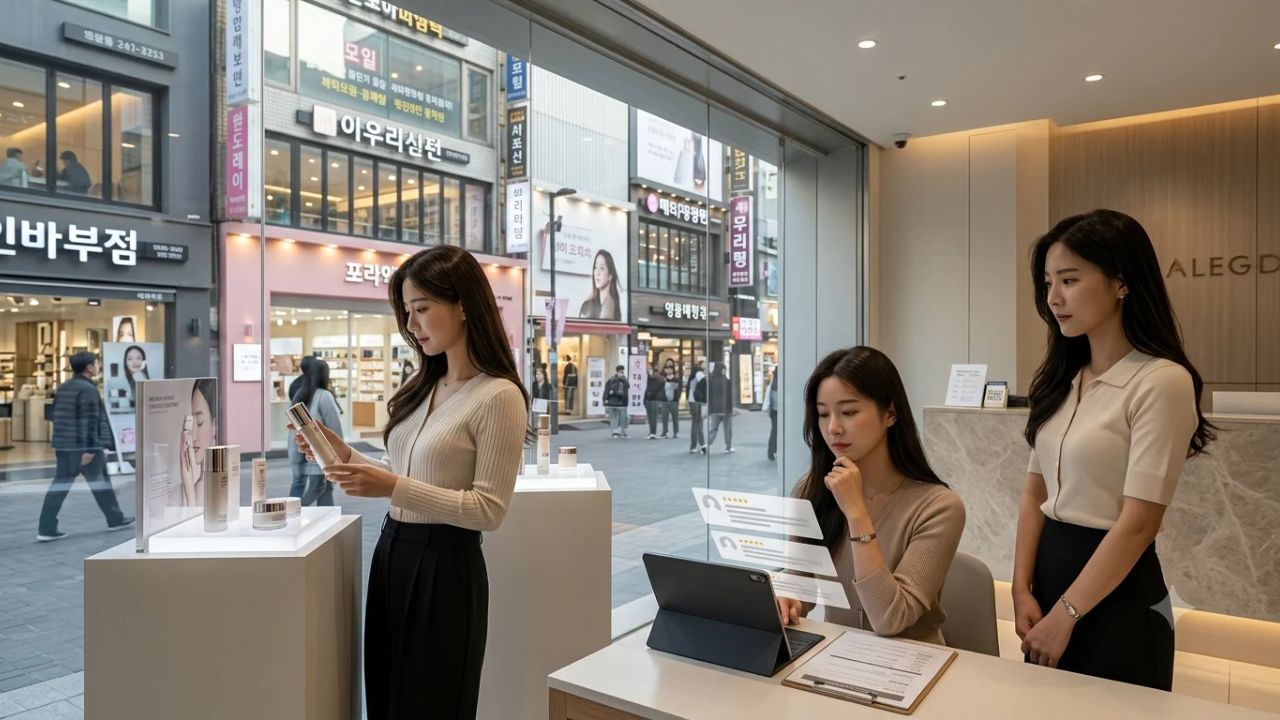
SEOUL, November 4, 2026 — South Korea’s medical aesthetic and beauty tourism industry, which attracted more than two million international patients and generated 1.42 trillion won in foreign card spending during the first half of 2026, is confronting an unprecedented regulatory reckoning. Across a series of coordinated investigations and administrative sanctions executed by the Fair Trade Commission (KFTC), the Ministry of Food and Drug Safety (MFDS), the Korea Consumer Agency, and the Korean Intellectual Property Office (KIPO), state regulators have exposed systemic abuses across the booming sector. Enforcement actions have targeted deceptive plastic surgery endorsements, hundreds of misleading cosmetics advertisements falsely claiming pharmaceutical efficacy, hundreds of fraudulent patent claims, and unfair prepaid clinic contracts that illegally lock overseas travelers into non-refundable treatment packages.
The government intervention arrives at a defining moment for the nation's inbound medical travel economy. Propelled by the global popularity of Korean skincare culture, K-pop aesthetics, and advanced dermatological laser technologies, inbound medical tourism has emerged as one of the fastest-growing export engines of the South Korean service sector. However, the commercial explosion has outpaced consumer protections, leaving international travelers vulnerable to aggressive sales funnels, high-pressure consultations in high-density shopping districts like Myeongdong and Gangnam, and digital marketing campaigns that deliberately blur the distinction between independent patient testimonials and paid promotional endorsements.
SOUTH KOREA MEDICAL BEAUTY TOURISM BENCHMARKS
| Metric Dimension | Baseline / Prior Epoch | 2025-2026 Record | Sector Trajectory |
|---|---|---|---|
| Annual Inbound Patients | 1.17 Million (2024) | 2.01 Million (2025) | +72.0% Annual Surge |
| Dermatology Patient Share | Rapid Volume Growth | 1.31 Million Records | 65.2% Patient Volume |
| Plastic Surgery Share | Established Core Sector | 233,100 Records | 11.6% Patient Volume |
| H1 2026 Foreign Card Spend | 1.02 Trillion Won (2025) | 1.42 Trillion Won | +38.6% Spending Rise |
| Dermatology Card Spend H1 | 514.0 Billion Won (2025) | 768.5 Billion Won | +49.5% Revenue Growth |
| Average Spend per Card H1 | 721,000 Won (~$525 USD) | 938,000 Won (~$680) | +30.1% Expenditure |
| Myeongdong Daily Foreigners | ~65,000 Visitors | 100,910 Daily Guests | 47.1% Total Footfall |
The Multi-Trillion Won Aesthetic Boom: Quantifying South Korea's Inbound Surge
The statistical dimension of South Korea’s medical tourism expansion underscores the vast economic interests at stake. Official data released by the Ministry of Health and Welfare in April 2026 revealed that the country treated over 2.01 million foreign patients throughout 2025, marking an astounding 72 percent expansion over 2024 arrival volumes. This dramatic influx established a new all-time high, cementing Seoul's position as the aesthetic medicine capital of the Asia-Pacific region.
An analysis of clinical specialties demonstrates that appearance-altering procedures represent the overwhelming majority of inbound international demand. Dermatology departments recorded approximately 1.31 million foreign patient visits, while plastic surgery practices logged 233,100 specialty records. Combined, these two aesthetic disciplines represented 74.1 percent of all foreign medical consultations registered across the nation's healthcare system. General medicine, oncology, orthopedics, and traditional oriental medicine accounted for the modest remaining balance, confirming that international patients view South Korea primarily as a cosmetic wellness destination.
                    FOREIGN PATIENT CLINICAL SPECIALTY ALLOCATION

       [ Comprehensive Foreign Patient Influx: 2.01 Million (2025) ]
  +-------------------------------------------------------------------------------+
  | Dermatology Consultations: 1.31 Million Visits (65.2% Volume Share)           |
  +-------------------------------------------------------+-----------------------+
  | Plastic Surgery: 233,100 Visits (11.6% Share)         | All Other Disciplines |
  | Combined Aesthetic Dominance: 74.1% of Market         | 25.9% Non-Cosmetic    |
  +-------------------------------------------------------+-----------------------+
Financial expenditure figures published on August 27, 2026, by the Korea Health Industry Development Institute (KHIDI) reveal an even steeper financial trajectory. Analyzing international credit and debit cards issued overseas and swiped at South Korean medical providers, KHIDI documented that foreign medical spending reached 1.42 trillion won (approximately 1.03 billion US dollars) during the first six months of 2026 alone—a 38.6 percent surge over the corresponding period in 2025.
Dermatology clinics captured the lion’s share of this capital inflow, generating 768.5 billion won in gross revenue, up 49.5 percent year-on-year. Dermatology alone absorbed 54.1 percent of all foreign card expenditures across the entire healthcare spectrum. When paired with plastic surgery billings, aesthetic treatments accounted for 72.1 percent of all overseas card spending. In addition, the average transaction value climbed from 838,000 won to 938,000 won (+11.9 percent), while the average expenditure per unique foreign card surged 30.1 percent, signaling aggressive commercial upselling toward expensive non-invasive skin lifting, laser resurfacing, and bio-stimulating injectable cocktails.
Myeongdong and the Retail Frontline: High-Density Footfall and Emotional Sales Tactics
The intersection of international leisure travel and aggressive cosmetic marketing is concentrated most visibly in Seoul’s iconic Myeongdong shopping district. Research published by the Seoul Metropolitan Government on July 22, 2026, estimated that an average of 100,910 international visitors traversed Myeongdong each day throughout 2025, constituting 47.1 percent of the neighborhood's total pedestrian footfall. This extraordinary density creates a captive audience of overseas tourists navigating tightly packed rows of multi-story cosmetics flagships, aesthetic pop-up lounges, and walk-in skin treatment clinics.
International travelers in Myeongdong frequently operate under significant informational and linguistic disadvantages. Browsing retail aisles in an unfamiliar language while balancing tight vacation schedules, visitors are particularly susceptible to persuasive sales tactics that convert natural facial features into medical urgent flaws. Consumer advocacy groups report that retail staff and clinic intake coordinators frequently employ psychological anxiety triggers, advising travelers that common pores, subtle pigmentation, or normal skin texture signify advanced cellular damage requiring immediate, multi-step clinical intervention.
       MYEONGDONG TOURISM-TO-CLINICAL RETAIL PIPELINE

       +-------------------------------+
       | Daily Foreign Footfall: 100K+ |
       | (47.1% of District Pedestrians|
       +---------------+---------------+
                       |
       +---------------+---------------+
       |                               |
       v                               v
+-----------------------------+ +-----------------------------+
| Street-Level Cosmetics Retail| | Immediate Walk-In Aesthetics|
| - High-Volume K-Beauty Shops | | - Rapid Skin Assessments    |
| - Complex Ingredient Claims  | | - High-Pressure Upselling   |
| - Follow-Up Skincare Regimens| | - Same-Day Laser & Toxins   |
+-----------------------------+ +-----------------------------+
This dynamic transforms what began as casual curiosity about moisturizers or sheet masks into expensive multi-thousand-dollar clinic commitments. While reputable establishments deliver evidence-based clinical assessments, aggressive commercial operators exploit the fleeting nature of tourism to push high-margin package deals before visitors depart the country. In response, municipal authorities are warning international travelers that cosmetic changes must be evaluated as medical procedures requiring contemplative reflection, rather than impulse souvenir purchases.
Astroturfing and Shadow Endorsements: The Fair Trade Commission Sanctions
The foundation of consumer decision-making in medical tourism relies heavily on online patient reviews, social media before-and-after imagery, and experiential forums. On July 12, 2026, the Fair Trade Commission dealt a major blow to industry credibility by issuing corrective orders and mandatory public disclosure notices against three prominent plastic surgery clinics in Seoul for orchestrating coordinated deceptive advertising schemes.
The KFTC’s formal investigation established that the sanctioned clinics recruited promotional models and social media micro-influencers, providing them with free or deeply discounted surgical procedures in exchange for posting glowing testimonials on specialized medical beauty applications and online communities. These reviews were deliberately crafted to appear as spontaneous, authentic experiences shared by ordinary, paying patients. The clinics systematically concealed the underlying financial benefits, sponsorship contracts, and commercial relationships that produced the testimonials.
REGULATORY INVESTIGATION FINDINGS (JULY-SEPTEMBER 2026)
| Entity / Facility | Delays | Cancellations | Details |
|---|---|---|---|
| Regulatory Authority | Action Date | Scope of Violations Found | Core Enforcement Area |
| Fair Trade Commission | July 12, 2026 | 3 Prominent Surgery Clinics | Deceptive Astroturfing |
| Fair Trade Commission | July 19, 2026 | 15 High-Complaint Aesthetic | Unfair Prepaid Clauses |
| Ministry of Food & Drug | July 24, 2026 | 178 Online Cosmetics Ads | False Medicinal Claims |
| Consumer Agency & KIPO | September 7, 2026 | 634 Patent Representations | False IP Assertions |
| Ministry of Food & Drug | September 21, 2026 | 308 Medical & Cosmetic Ads | PDRN & Functional Lies |
The KFTC discovered that these clinics harvested and selectively edited positive comments from online message boards, republishing them on their own commercial websites to manufacture an artificial consensus of surgical excellence. For overseas travelers researching clinical options from abroad, these fabricated reviews presented a dangerously distorted picture of procedural safety and surgical outcomes.
Regulatory officials emphasized that undisclosed promotional endorsements violate fundamental fair-trade statutes. When an aesthetic review conceals financial compensation, prospective patients are deprived of the objective knowledge necessary to weigh medical risks. The commission warned that while online photo galleries can make invasive cosmetic operations appear risk-free, patients must never substitute polished digital testimonials for independent clinical consultations, board certification verifications, and verified hospital accreditation records.
The geographic epicenter of these marketing pressures is concentrated within Seoul’s affluent Gangnam district, specifically along the two-kilometer boulevard linking Apgujeong and Sinsa subway stations. Often termed the "Beauty Belt," this high-density urban corridor hosts over five hundred licensed plastic surgery and dermatology clinics operating in extreme commercial competition. This saturated marketplace has historically incentivized covert operational shortcuts, including the notorious practice of "ghost surgery"—where a celebrated celebrity surgeon conducts the initial client consultation, only for an uncertified junior doctor, general practitioner, or dental surgeon to perform the actual invasive incisions once the foreign patient is anesthetized. In response to international outcry and patient safety advocacy, South Korean health authorities enacted strict revisions to the Medical Service Act, mandating high-definition closed-circuit television (CCTV) cameras inside all operating rooms where general anesthesia is administered, providing overseas patients with a vital legal tool to verify the true identity of their operating surgeons.
The Advertising Sweep: 178 Misleading Cosmetics Claims and PDRN Scrutiny
Complementing the KFTC’s action against surgical clinics, the Ministry of Food and Drug Safety executed a nationwide sweep targeting fraudulent online cosmetics marketing. On July 24, 2026, the MFDS published an exhaustive enforcement bulletin identifying 178 improper online cosmetics advertisements that violated pharmaceutical and consumer protection laws.
Among the flagged advertisements, 142 cases involved severe violations where topical cosmetics falsely claimed medicinal or therapeutic effects, misleading consumers into believing that over-the-counter creams could cure dermatological illnesses. Advertisements claimed that topical formulations could eliminate acne, treat rosacea, reverse atopic dermatitis, and regenerate scar tissue—therapeutic claims strictly reserved for authorized prescription drugs. An additional 21 cases involved promotional representations exceeding the legitimate boundary of cosmetic efficacy, while 15 cases violated functional-cosmetics certification guidelines.
       MINISTRY OF FOOD AND DRUG SAFETY (MFDS) ENFORCEMENT BREAKDOWN

       +-------------------------------+
       | Total Flagged Ads: 178 Cases  |
       | (July 24, 2026 Notification)  |
       +---------------+---------------+
                       |
       +---------------+---------------+-------------------------------+
       |                               |                               |
       v                               v                               v
+--------------------+         +--------------------+         +--------------------+
| False Medical Efficacy|      | Exceeding Scope    |         | Functional Cosmetic|
| 142 Violations (80%)|         | 21 Violations (12%)|         | 15 Violations (8%) |
| - Acne Cure Claims |         | - Cellular Altering|         | - Unverified Claims|
| - Rosacea Remedies |         | - Tissue Rebuilding|         | - Misleading Badges|
+--------------------+         +--------------------+         +--------------------+
The regulatory offensive intensified on September 21, 2026, when the MFDS issued a supplementary enforcement action covering 308 improper advertisements across various healthcare and consumer product sectors. Within this cohort, 63 violations related specifically to high-end cosmetics marketed with trendy anti-aging bio-ingredients, including Polydeoxyribonucleotide (PDRN)—a DNA fraction derived from salmon reproductive cells—and human stem-cell exosomes.
The agency noted that 44 of the flagged cosmetics advertisements improperly implied that topical PDRN serums deliver the cellular regeneration, deep dermal remodeling, and clinical outcomes achieved through prescription-only medical injectables. Another eight cases made unauthorized functional claims, while eleven deployed deceptive scientific terminology to overstate product efficacy. Regulators cautioned that the presence of high-profile bio-ingredients in a serum does not guarantee clinically proven structural changes in human skin, urging international consumers to remain skeptical of pseudo-scientific marketing jargon.
The Intellectual Property Illusion: 634 False Patent Assertions
In a related enforcement action on September 7, 2026, the Korea Consumer Agency and the Korean Intellectual Property Office published a joint investigation exposing widespread intellectual property fraud in the domestic cosmetics market. Authorities uncovered 634 instances of false patent representations across e-commerce platforms and clinical retail channels.
The deceptive practices identified fell into several distinct categories. Manufacturers prominently printed patent registration numbers on product packaging when the patent had expired years earlier, or when the patent application had been formally rejected by patent examiners. In numerous instances, brands displayed patent numbers that covered only the external packaging container, plastic dispensing pump, or bottle cap, while deceptively framing the patent as scientific validation of the chemical formula inside.
DECEPTIVE INTELLECTUAL PROPERTY PRACTICES
| Misrepresentation Type | Commercial Mechanism | Real Legal Status | Consumer Deception |
|---|---|---|---|
| Expired Patent Claims | Historical Numbers | Patent Void / Public Domain | Implies Active Patent |
| Rejected Application Badges | "Patent Applied For" | Application Denied by KIPO | Fabricates State Status |
| Container / Cap Patents | Plastic Mold Patents | Packaging Only Covered | Falsely Validates Serum |
| Unrelated Formula Claims | Distant Process Num. | Zero Clinical Correlation | Pseudo-Scientific Trust |
For international tourists rapidly browsing crowded boutique shelves, the presence of official patent seals, registration stamps, and legal terminology conveys an aura of rigorous scientific validation and government approval. By weaponizing false intellectual property claims, unethical manufacturers artificially inflated retail prices, exploiting the high reputation of Korean biomedical research to sell standard cosmetic moisturizers at medical-grade premiums. KIPO issued mandatory correction notices and referred severe repeat violators to law enforcement prosecutors for criminal trademark and patent fraud.
Predatory Prepaid Contracts: Dismantling Abusive Aesthetic Clinic Terms
One of the most consequential consumer protection interventions occurred on July 19, 2026, when the Fair Trade Commission announced mandatory contract revisions across fifteen major dermatology and aesthetic clinic networks. These fifteen targets were selected after reviewing two years of consumer dispute records filed with the Korea Consumer Agency, which revealed chronic contractual abuses directed at both domestic and international patients.
The KFTC’s formal audit identified six distinct categories of unfair contractual terms routinely embedded into prepaid treatment agreements. Most egregious were absolute non-refundable clauses, which declared that any multi-session package payment—such as five laser resurfacing sessions or ten skin-booster treatments—was entirely forfeited if the patient canceled after the initial session. Other clauses imposed cancellation penalty fees exceeding thirty to fifty percent of the total contract value, legally insulated clinics against malpractice liabilities, prohibited patients from filing civil lawsuits, blocked the transfer of prepaid credits to family members, and permitted clinics to unilaterally substitute treating physicians or laser devices without patient consent.
       KFTC CORRECTIVE FRAMEWORK FOR PREPAID BEAUTY CONTRACTS

       [ Historic Predatory Terms ]                   [ Mandated Legal Standard ]
       Unilateral Financial Forfeiture               Statutory Consumer Protection
  +------------------------------------+       +-------------------------------------------+
  | - 100% Non-refundable clauses     |       | - Pro-rata refund for unused sessions     |
  | - 30% to 50% cancellation penalties| ====> | - Statutory cancellation fees (Max 10%)   |
  | - Total waiver of clinic liability |       | - Absolute right to legal dispute channels|
  | - Prohibition of credit transfer   |       | - Written consent for doctor substitutions|
  | - Unilateral service modifications |       | - Transparent itemized payment receipts   |
  +------------------------------------+       +-------------------------------------------+
These predatory contractual terms posed acute financial risks for overseas travelers. A foreign tourist purchasing a multi-session aesthetic package during a seven-day holiday often discovered that recovery complications, severe erythema, or unexpected flight departures prevented them from completing subsequent sessions. When travelers requested refunds for the unrendered sessions, clinics routinely pointed to the fine print, refusing any reimbursement.
The KFTC’s intervention established an enforceable legal standard across the industry. Under the mandated revisions, clinics are legally required to calculate pro-rata refunds based on services actually delivered, deduct only a modest statutory cancellation fee (capped at ten percent of the remaining balance), and promptly return the residual funds to the patient. The commission warned that contracts attempting to waive patient cancellation rights or restrict legal dispute mechanisms are legally void under South Korean civil law.
The Legislative Defense: The Foreign Patient Attraction Act and Coordinator Expansion
In response to escalating international scrutiny, the South Korean government enacted comprehensive legal reforms to protect overseas healthcare consumers while preserving the nation's medical reputation. The centerpiece of this statutory framework is the revised Act on Support for Overseas Expansion of Healthcare Businesses and Attraction of Foreign Patients (Foreign Patient Attraction Act), which formally entered into full legal force on May 12, 2026.
Under this statute, any medical clinic, hospital, or recruitment agency engaging with international patients must hold an active, certified registration issued by the Ministry of Health and Welfare. The law imposes strict legal disclosure obligations: clinicians are mandated to provide patients with written documentation detailing the diagnosis, treatment methodology, expected financial costs, potential side effects, and statutory dispute resolution channels prior to initiating care. The legislation also establishes strict criminal penalties for false or misleading foreign-language medical advertisements.
FOREIGN PATIENT STATUTORY COMPLIANCE CHECKLIST
| Entity / Facility | Delays | Cancellations | Details |
|---|---|---|---|
| Statutory Requirement | Legal Obligation | Administrative Oversight | Penalty for Violation |
| Clinic Registration | Certified MOHW Permit | Health Ministry Audit | Closure / Criminal Pros |
| Informed Written Consent | Full Side Effect Risk | Pre-Procedure Mandate | License Suspension |
| Itemized Cost Quotation | No Hidden Surcharges | Binding Financial Contract | Civil Fine & Restitut. |
| Language Accessibility | Certified Translators | Seoul Medical Tourism Net | Administrative Sanction |
| Unlicensed Broker Ban | Zero Illegal Agents | Anti-Corruption Taskforce | Up to 3 Years Prison |
To eliminate language barriers that frequently hinder informed consent, the Seoul Metropolitan Government initiated an ambitious expansion of its medical tourism language network in March 2026. Municipal authorities committed to scaling the city’s certified medical interpreter and coordinator pool tenfold—expanding from 108 personnel to approximately 1,000 certified specialists proficient in English, Mandarin Chinese, Japanese, Russian, and Arabic. These coordinators are stationed across designated international medical lounges in Incheon International Airport, Myeongdong, and Gangnam to provide unbiased procedural translations and cost mediation.
Simultaneously, tax authorities issued an important advisory regarding financial incentives. Travelers are cautioned that the temporary special value-added tax (VAT) refund on cosmetic medical procedures formally expired on December 31, 2025. International visitors receiving cosmetic surgery or dermatological treatments in late 2026 are not eligible for statutory VAT refunds on medical procedures, and any clinic or intermediary claiming otherwise is operating deceptively. In addition, KHIDI launched a national crackdown against unlicensed foreign-patient recruitment brokers, who frequently extract illegal kickbacks of thirty to fifty percent from clinic fees, artificially inflating procedure costs for unsuspecting tourists.
For foreign travelers encountering procedural complications or contractual disputes, South Korea maintains a dedicated statutory resolution agency: the Korea Medical Dispute Mediation and Arbitration Agency (KMDMA). Operating under the Ministry of Health and Welfare, the agency provides independent medical appraisals, legal consultations, and dispute mediation services conducted in multiple languages without requiring overseas patients to navigate protracted domestic civil courtroom trials. International patients traveling specifically for medical interventions are also advised to enter the country on specialized medical travel visas—specifically the C-3-3 short-term medical visa (valid for up to ninety days) or the G-1-10 long-term therapeutic recovery visa—issued exclusively through certified healthcare institutions registered with the Ministry of Justice, ensuring official consular tracking and access to emergency medical legal recourse throughout their stay.
Technological Horizons and Consumer Self-Defense: AI Skin Analytics and K-Healthcare 2028
Looking toward future industry architecture, the South Korean government unveiled a comprehensive modernization blueprint on October 14, 2026, aimed at rebuilding international consumer trust through technology and institutional transparency. The strategy centers on two initiatives: the development of artificial intelligence skin analytics and the establishment of the centralized K-Healthcare integrated hub.
The AI skin analytics project seeks to eliminate subjective, high-pressure sales pitches by developing objective, data-driven diagnostic tools. Leveraging a proprietary bio-data bank compiled from clinical skin profiles across 17,000 individuals from 18 nations, the platform evaluates epidermal moisture levels, elasticity, pigmentation depth, and sebum production. By providing standardized, objective assessments, authorities hope to prevent retail staff from exaggerating skin imperfections to force product sales.
       K-HEALTHCARE INTEGRATED PLATFORM ARCHITECTURE (2027-2028)

       +-------------------------------+
       | Central Government Portal     |
       | (Direct Patient Oversight)    |
       +---------------+---------------+
                       |
       +---------------+---------------+-------------------------------+
       |                               |                               |
       v                               v                               v
+--------------------+         +--------------------+         +--------------------+
| Verified Credentials|        | Escrow Payments    |         | Legal Protections  |
| - MOHW Registration|         | - Price Transparency|        | - Standard Contract|
| - Surgeon Speciality|        | - Digital Receipts |         | - Dispute Mediation|
| - Hospital Safety  |         | - No Hidden Brokers|         | - Post-Op Follow-Up|
+--------------------+         +--------------------+         +--------------------+
Concurrently, the proposed K-Healthcare platform—scheduled for active phased deployment between 2027 and 2028—will create a centralized, state-monitored digital ecosystem for international medical travelers. The platform will integrate verified clinic profiles, advance digital tele-consultations, standardized price disclosures, secure escrow payment processing, and cross-border dispute resolution mechanisms. By transitioning medical bookings into a transparent, state-supervised marketplace, the government aims to eliminate the gray market of shadow brokers and deceptive advertisements that has tarnished the industry.
Until these digital platforms achieve operational deployment, international travelers must exercise disciplined self-defense when considering aesthetic treatments in South Korea. Consumers are advised to verify that treating clinics and physicians hold active registrations under the Foreign Patient Attraction Act, demand itemized written quotations prior to clinical consultations, reject high-pressure multi-session prepaid contracts, and verify active ingredient concentrations rather than relying on fashionable marketing terminology like PDRN. Above all, international travelers must recognize that cosmetic treatments are irreversible medical procedures, preserving their fundamental consumer right to decline rushed packages and walk away from high-pressure sales environments.
Key Strategic Takeaways of South Korea's Beauty Tourism Crackdown
- Record Sector Scale: South Korea received over 2.01 million foreign patients in 2025 (+72% YoY), with dermatology (1.31M) and plastic surgery (233K) accounting for 74.1 percent of all medical specialty records.
- Card Spending Milestone: Foreign medical card spending reached 1.42 trillion won in H1 2026, with dermatology driving 768.5 billion won (+49.5%) and average card spend climbing 30.1 percent to 938,000 won.
- Deceptive Astroturfing Sanctions: The KFTC sanctioned three major plastic surgery clinics for coordinating undisclosed promotional model reviews on beauty apps and falsifying independent patient experiences.
- 178 Misleading Cosmetics Sweeps: The MFDS flagged 178 cosmetics advertisements falsely claiming therapeutic and medicinal effects (e.g., curing acne and rosacea), followed by a September sweep against 63 unverified PDRN anti-aging claims.
- 634 False Patent Representations: A joint KCA-KIPO investigation uncovered 634 instances of fraudulent intellectual property marketing, including expired patents and container-only utility patents sold as formula breakthroughs.
- Prepaid Contract Revisions: The KFTC dismantled abusive prepaid terms across 15 high-complaint aesthetic clinics, establishing statutory rights to pro-rata refunds and capping cancellation fees at 10 percent.
- Legal Protections & Tax Warning: Foreign Patient Attraction Act enforces registered clinic disclosures, while authorities emphasize that the special cosmetic medical procedure VAT refund officially expired on December 31, 2025.
Related Travel Guides and Analysis
This article is for informational purposes. Flight routes, passenger regulations, visa rules, and transit advisories are subject to change by airlines and aviation authorities. Readers are advised to verify schedules and travel documentation with relevant carriers and border agencies before departure.
Related Stories

Thailand Tourism Slowdown Tests Small Businesses as Kingdom Pivots to High-Yield Travel and Secondary Provinces

South Africa Expands Inclusive Wildlife Tourism with Woman-Owned Wellness Centre at Addo Elephant National Park
