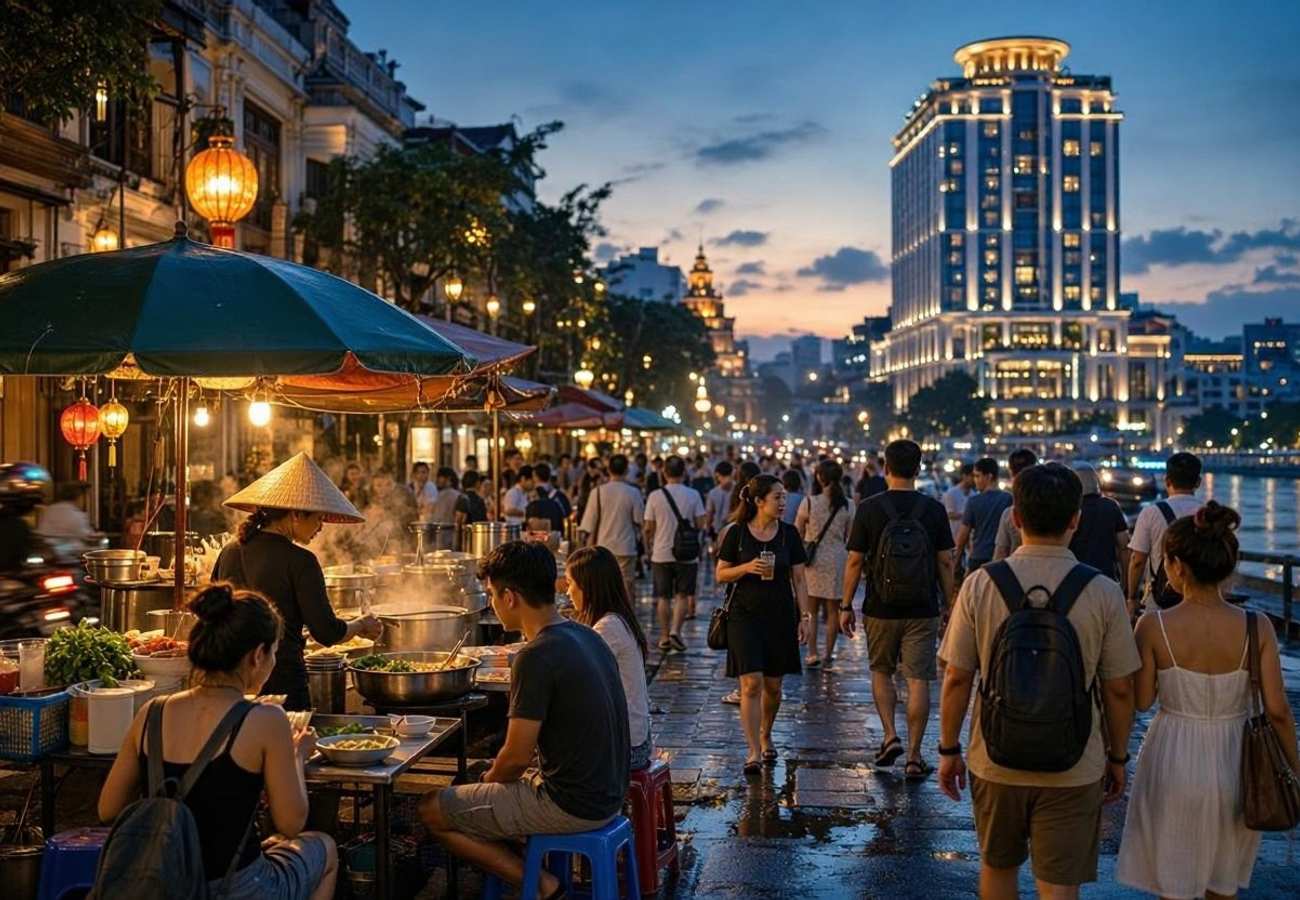
Bolivia Emerges as Top Corporate Incentive Destination for High-Impact Executive Retreats in 2026


Image generated by AI
An executive team from a Fortune 500 company arrives in La Paz, not to a windowless ballroom, but to a high-altitude summit where the city's cable car system provides a panoramic boardroom view of the Andes. This shift represents a growing trend among global leaders who are abandoning the "fluorescent light" fatigue of traditional corporate hubs in favor of destinations that trigger genuine emotional resonance.
The Shift Toward Experiential Corporate Travel
The global Meetings, Incentives, Conferences, and Exhibitions (MICE) sector is undergoing a fundamental transformation. Corporate planners are decisively pivoting away from predictable metropolitan centers. The new mandate for 2026 is novelty over tradition, with organizations seeking geographic sectors that offer unfiltered encounters rather than standardized luxury.
This evolution is driven by a psychological shift in the global workforce. Employees and executives no longer prioritize the scale of hotel infrastructure or the presence of branded amenities. Instead, there is a surging demand for itineraries that foster human connection, cultural respect, and shared narratives. Bolivia has positioned itself at the center of this movement by offering uncompromising authenticity and natural majesty that cannot be manufactured in a luxury resort.
Strategic Locations for Executive Retreats
Bolivia’s appeal lies in its refusal to dilute its historical identity for mass tourism. For the corporate traveler, this translates to an exclusive feeling of discovery. The primary hubs for these high-impact summits include the surreal landscapes of the salt flats and the ancestral depth of the highlands.
| Destination | Primary Corporate Use Case | Key Feature | Impact on Team Dynamics |
|---|---|---|---|
| Salar de Uyuni | Incentive Rewards / Team Building | 10,000+ sq km salt mirror | High morale through visual grandeur |
| La Paz | Strategic Summits / Urban Exploration | Indigenous markets & cable cars | Cultural agility and perspective shifting |
| Sucre | Educational Retreats / History | Colonial architecture | Intellectual stimulation and reflection |
| Altiplano | Wellness / High-Altitude Focus | Untouched Andean vistas | Serenity and deep focus |
The Salar de Uyuni Advantage
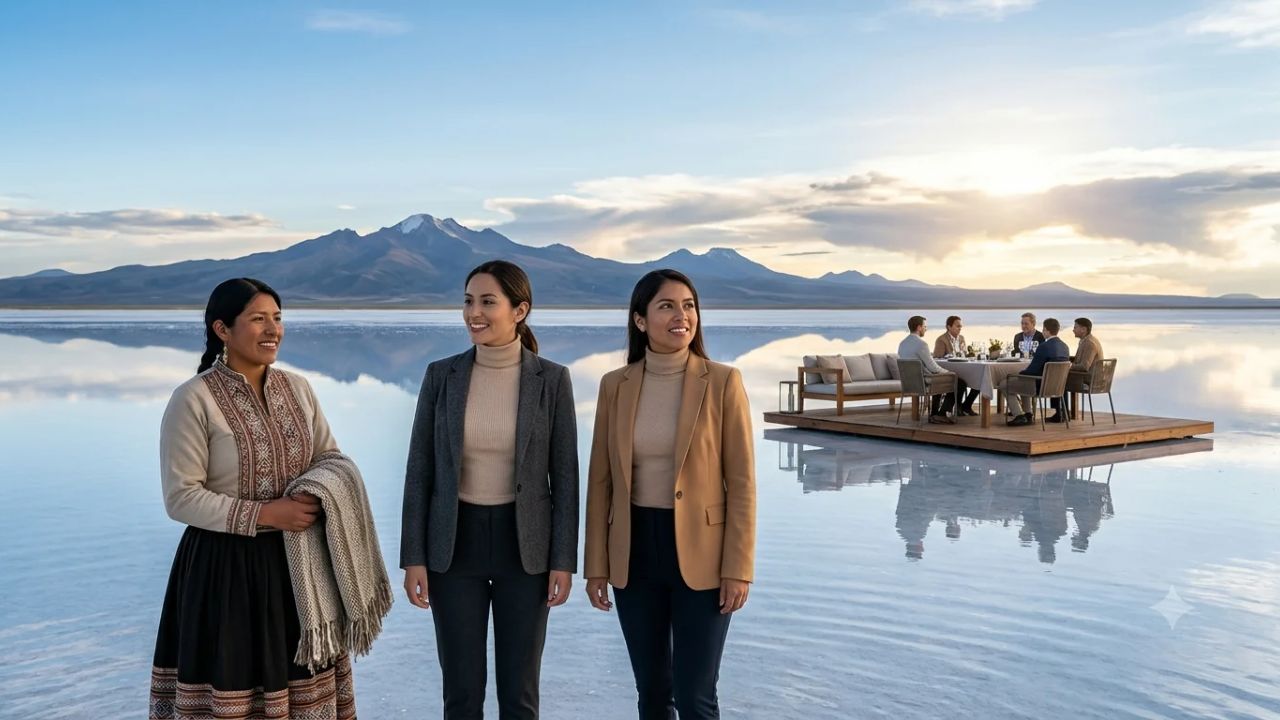
The Salar de Uyuni, the world's largest salt flat, has become the gold standard for unconventional corporate events. Spanning over ten thousand square kilometers, the region offers a visual spectacle that is particularly potent during the rainy season when the ground becomes a natural mirror.
For incentive programs, this environment allows for avant-garde activities, such as private dining experiences in the center of the flats or team-building exercises in a void-like horizon. These experiences are designed to yield maximum emotional return, turning a standard business trip into a career milestone. To monitor weather conditions and accessibility for these remote regions, planners often rely on FlightRadar24 to track charter movements into Uyuni.
Cultural Immersion and Corporate Responsibility
Beyond the salt flats, the cities of La Paz and Sucre provide a canvas for purpose-driven travel. Modern professionals are increasingly seeking "meaningful stories" over material gifts. By engaging with local artisans and historians, corporate delegations can integrate social responsibility into their itineraries.
This move toward authenticity is a response to a broader macroeconomic shift in the MICE industry. The value of branded merchandise and extravagant trinkets has plummeted, replaced by a preference for personal narratives and community engagement. For those coordinating these trips, understanding the local regulatory environment is essential; travelers should consult the [Bolivian Ministry of Foreign Affairs](https://www. विदेश मंत्रालय.bo) (or relevant consulate) for current entry requirements and corporate visa protocols.
Passenger Rights and Logistics for Bolivia
Traveling to Bolivia, particularly to high-altitude regions like the Altiplano, requires specific logistical planning and an understanding of consumer protections.
Health and Safety Mandates Due to the extreme altitude of La Paz and the Altiplano, corporate planners must implement "acclimatization days." Failure to do so can lead to Acute Mountain Sickness (AMS), potentially triggering emergency medical evacuations.
Transit Protections For those flying into Bolivia via international carriers, passenger rights vary by the point of departure:
- EU/UK Departures: If your flight to Bolivia is cancelled or delayed by more than three hours, you may be entitled to compensation under EU261/2004 or the UK equivalent, provided the airline is EU/UK-based or departing from an EU/UK airport.
- US Departures: While the US does not have a direct equivalent to EU261 for delays, the US Department of Transportation (DOT) mandates full refunds for significantly changed or cancelled flights.
Rebooking Strategy for Remote Destinations
When traveling to remote areas like Uyuni, disruptions are more common than in major hubs. If a flight or transit link is severed, follow this strategy:
- Prioritize Charter Alternatives: In Uyuni, commercial flights are limited. Establish a relationship with local charter operators as a secondary fail-safe.
- The "Hub-and-Spoke" Buffer: Always schedule a 24-hour buffer in La Paz or Santa Cruz before heading to the Altiplano to account for weather-related flight cancellations.
- Refund vs. Rebooking: Given the scarcity of flights to remote salt flats, rebooking is almost always preferable to a refund. A refund will leave you stranded in a region with few alternative transit options.
FAQ: Bolivia Corporate Travel 2026
Is Bolivia safe for large corporate delegations? Yes, provided you use reputable MICE planners. The focus is on curated, secure experiences in established hubs like La Paz and the Salar de Uyuni.
What is the best time for a corporate retreat in Salar de Uyuni? The rainy season (December to March) is best for the "mirror effect," while the dry season (May to October) is better for accessibility and exploration.
Can we get a refund if high-altitude sickness prevents attendance? This depends on your travel insurance. Standard tickets are non-refundable; however, "Cancel for Any Reason" (CFAR) insurance is highly recommended for Altiplano trips.
Are there luxury meeting facilities in Bolivia? While Bolivia focuses on "authenticity," boutique luxury hotels in Sucre and La Paz offer high-end amenities, though they differ from the sterile corporate hotels of New York or London.
Trade the boardroom for the salt flats; the ROI is measured in inspiration, not just spreadsheets.
Related Travel Guides
This article is for informational purposes. Flight routes, passenger regulations, visa rules, and transit advisories are subject to change by airlines and aviation authorities. Readers are advised to verify schedules and travel documentation with relevant carriers and border agencies before departure.
Related Stories
Bolivia Emerges as a Global Corporate Incentive Powerhouse: Inside the Shift from Sterile Ballrooms to Andean Singularity

Visit Seattle Launches 'There’s Never Been More to SEA' Local Tourism Campaign for 2026-2027