
South Korea Aligns With Japan And More To Drive Autumn Travel As Fall Destinations Gain Attention
South Korea Aligns With Japan And More To Drive Autumn Travel As Fall Destinations Gain Attention

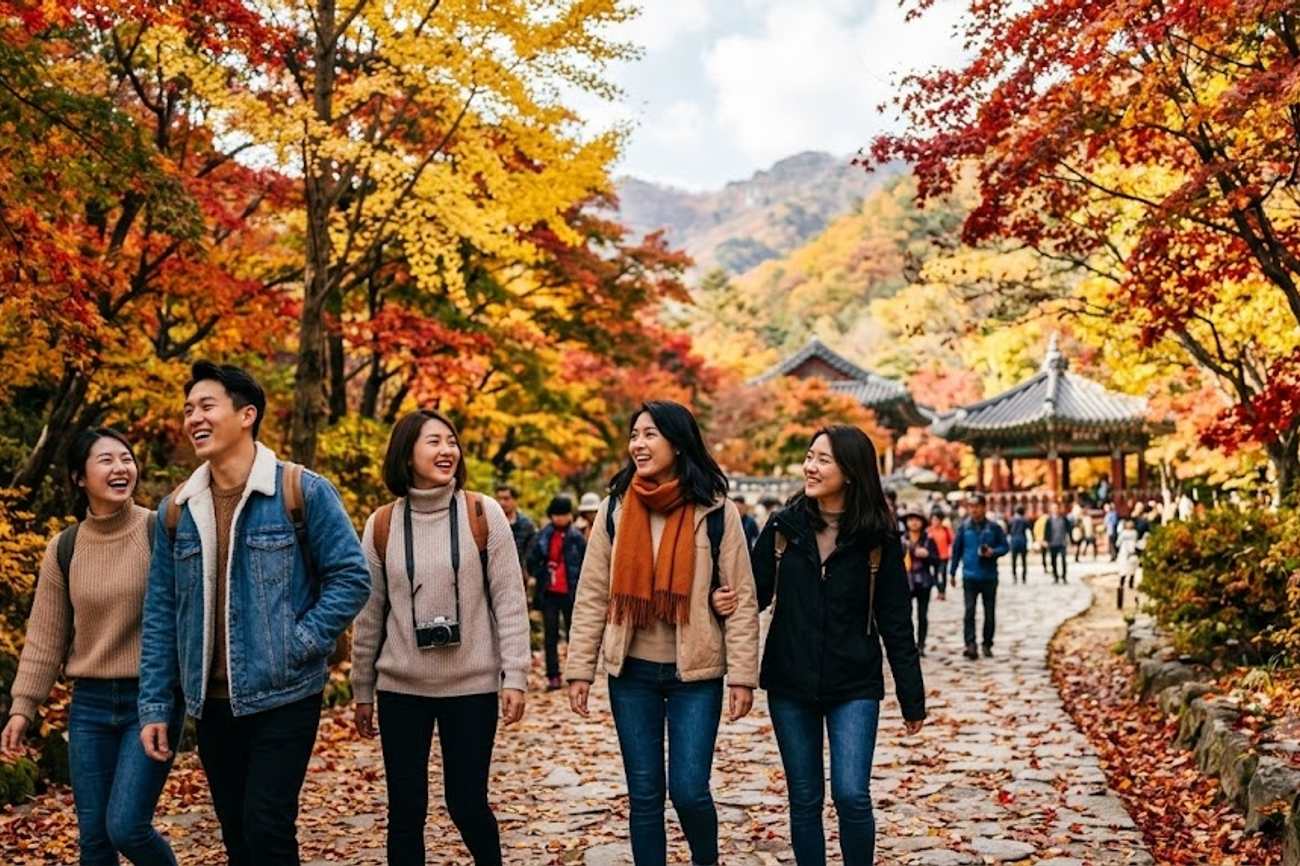
Image generated by AI
The shift toward "Hyper-Seasonal" travel is evidenced by the diversification of autumn itineraries, where the traditional summer peak is being replaced by a fragmented, interest-driven shoulder season. While summer travel historically centered on beach-centric "sun and sand" packages, the 2026 projections indicate a pivot toward specific cultural markers—such as the Kimchi Festival in Seoul or Día de los Muertos in Oaxaca—creating a new data pattern where traveler intent is tied to a calendar event rather than a climate preference.
The Autumn Pivot in Numbers: Seasonal Diversification
The 2026 autumn travel trajectory reveals a move away from monolithic tourism. Instead of a general "fall trip," data suggests a segmentation of the market into five distinct travel styles: Cultural City Breaks, Heritage and Nature, Coastal Escapes, Adventure Travel, and Cultural Tourism.
In Seoul, the synergy between urban infrastructure and natural cycles is a primary driver. The city leverages the Kimjang season—the traditional preparation of kimchi—and the early November Kimchi Festival to convert passive sightseeing into active cultural participation. This aligns with broader trends reported by the World Tourism Organization (UNWTO), which indicate a rising global demand for "experiential" travel over traditional sightseeing.
Similarly, Nara, Japan, utilizes its biological assets—specifically the population of over 1,000 sika deer in Nara Park—to anchor its autumn value proposition. By pairing these wildlife interactions with the architectural scale of Tōdai-ji and its bronze Buddha, Nara transforms a visual event (autumn foliage) into a multi-layered heritage experience.
In the Mediterranean, southeast Türkiye represents a strategic shift in "shoulder season" utilization. By targeting the window after school holidays, destinations like Ölüdeniz and Patara maintain high utility through warm sea temperatures and activities like paragliding, while Çıralı captures a niche biological window for sea-turtle hatchlings starting in mid-September.
Comparative Market Analysis: Regional Autumn Drivers
When comparing these destinations, a clear pattern emerges: East Asian markets are leveraging "visual and culinary" anchors, while European and Latin American markets are focusing on "physical and spiritual" anchors. The Dolomites in Italy, for instance, prioritize the Alta Via 1 route, shifting the autumn demographic from the casual tourist to the high-intensity trekker.
The following table breaks down the strategic appeal of these diverse autumn markets:
| Destination | Primary Data Anchor | Target Traveler Segment | Core Activity |
|---|---|---|---|
| Seoul, South Korea | Kimchi Festival (Nov) | Cultural City Break | Culinary/Urban Foliage |
| Nara, Japan | 1,000+ Sika Deer | Heritage & Nature | Wildlife/Temple Tours |
| SE Türkiye | Post-School Holiday Window | Coastal Escape | Paragliding/Turtle Hatching |
| Dolomites, Italy | Alta Via 1 Trail | Adventure Travel | High-Altitude Trekking |
| Oaxaca, Mexico | Oct 31 - Nov 2 Window | Cultural Tourism | Día de los Muertos |
| North Island, NZ | Spring Transition | Self-Drive Adventure | Thermal Springs/Road Trips |
| Seychelles | Marine Temperature | Honeymoon/Diving | Underwater Exploration |
| Nepal | Mountain Visibility | Long-Distance Adventure | High-Altitude Trekking |
| Namibia | Wildlife Migration | Safari Travel | Game Viewing |
| Taiwan | Temperature Drop | Culinary Exploration | Street Food/City Tours |
This distribution shows a globalized approach to the autumn window. While Italy and Nepal target the "Adventure" segment, Mexico and South Korea target the "Cultural" segment, creating a balanced global demand that reduces the pressure on any single region.
What This Means for Travelers
The data indicates that the "shoulder season" is no longer a period of generic discounts, but a period of specialized access. To maximize value in 2026, travelers must shift their booking logic from "price-hunting" to "event-matching."
For Cultural Seekers (Seoul, Oaxaca): Booking windows for Oaxaca during the October 31 to November 2 period must be extended. Because this is a community-led event rather than a commercial product, accommodation capacity is finite. Booking 6-9 months in advance is recommended to avoid inflated last-minute pricing.
For Adventure Travelers (Dolomites, Nepal): Timing is the critical variable. In the Dolomites, the hiking window for Alta Via 1 effectively closes in late September. Travelers should monitor weather patterns via IATA or local meteorological reports to ensure safety and hut availability.
For Coastal Escapes (Türkiye, Seychelles): The "sweet spot" for southeast Türkiye is the immediate post-summer window. By traveling in mid-September, visitors can witness sea-turtle hatchlings in Çıralı while avoiding the peak crowds of August, likely resulting in lower hotel ADRs (Average Daily Rates) compared to the summer peak.
Forward Projection: The Rise of the "Micro-Season"
Based on current trajectories, we are moving toward a "Micro-Season" economy. Instead of viewing autumn as a three-month block, the industry is beginning to market three-week "micro-windows" tied to specific biological or cultural events.
We expect to see an increase in "bundled" itineraries that follow these windows. For example, a traveler might combine a late-September trek in the Dolomites with a November culinary tour in Seoul. This behavior is supported by data from Statista regarding the increase in multi-destination trips among high-net-worth nomads.
Furthermore, the integration of sustainable travel practices will become a mandatory component of these trips. In Oaxaca, the shift is toward "responsible cultural travel," where the focus is on community respect rather than tourist spectacle. We project that destinations will begin implementing "capacity caps" on specific cultural events to preserve the authenticity of the experience, making early booking and official permits even more critical.
FAQ: Autumn Travel Trends 2026
Will autumn prices be lower than summer prices? Generally, yes, for coastal destinations like southeast Türkiye. However, for event-driven locations like Oaxaca (Día de los Muertos) or Seoul (Kimchi Festival), prices may spike during the specific event window, neutralizing the traditional shoulder-season discount.
When is the best time to book for autumn 2026? For adventure routes like the Dolomites or cultural festivals in Mexico, book 6-9 months in advance. For coastal escapes in Türkiye or road trips in New Zealand, a 3-month window is typically sufficient to secure competitive rates.
Which regions are expanding their autumn offerings? East Asia, particularly South Korea and Japan, is aggressively expanding "foliage and food" packages to attract international visitors beyond the cherry blossom season, diversifying their annual tourism revenue.
Is autumn a good time for wildlife viewing? Yes, specifically in Namibia for safaris and southeast Türkiye (mid-September) for sea-turtle hatchlings. These windows provide better visibility and more manageable temperatures than the peak summer months.
The era of the generic vacation is ending; the era of the precision-timed experience has arrived.
#SouthKoreaTourism2026 #OaxacaCulturalData #DolomitesHikingTrends #ShoulderSeasonShift #GlobalTourismDiversification #EastAsiaAutumnGrowth
Related Travel Guides
- United Arab Emirates Aligns With Dubai Tourism Growth As NH Collection Ibn Battuta Reimagines City Stays
- Ecuador Agritourism Will Forever Transform How You Travel Through Magical Highland Harvests And Jungle Homestays, Here’s The Latest Trend
- France Aligns With Portugal And More As EES Changes Ease European Travel Delays
Disclaimer
This article is for informational and educational purposes only. It does not constitute legal, financial, or professional advice. While we strive to provide accurate and up-to-date information, travel policies, regulations, and conditions change rapidly. Always verify information with official sources before making travel decisions. Nomad Lawyer makes no representations about the accuracy, reliability, completeness, or suitability of the information provided. Readers should consult qualified professionals for advice specific to their circumstances. The views expressed in this article are those of the author and do not necessarily reflect the views of Nomad Lawyer.
Preeti Gunjan
Contributor & Community Manager
A passionate traveller and community builder. Preeti helps grow the Nomad Lawyer community, fostering engagement and bringing the reader experience to life.
Learn more about our team →