
South Africa’s Iconic Panorama Route Under Pressure As Water Crisis And Sewage Pollution Threaten Tourism Future
South Africa’s Iconic Panorama Route Under Pressure As Water Crisis And Sewage Pollution Threaten Tourism Future

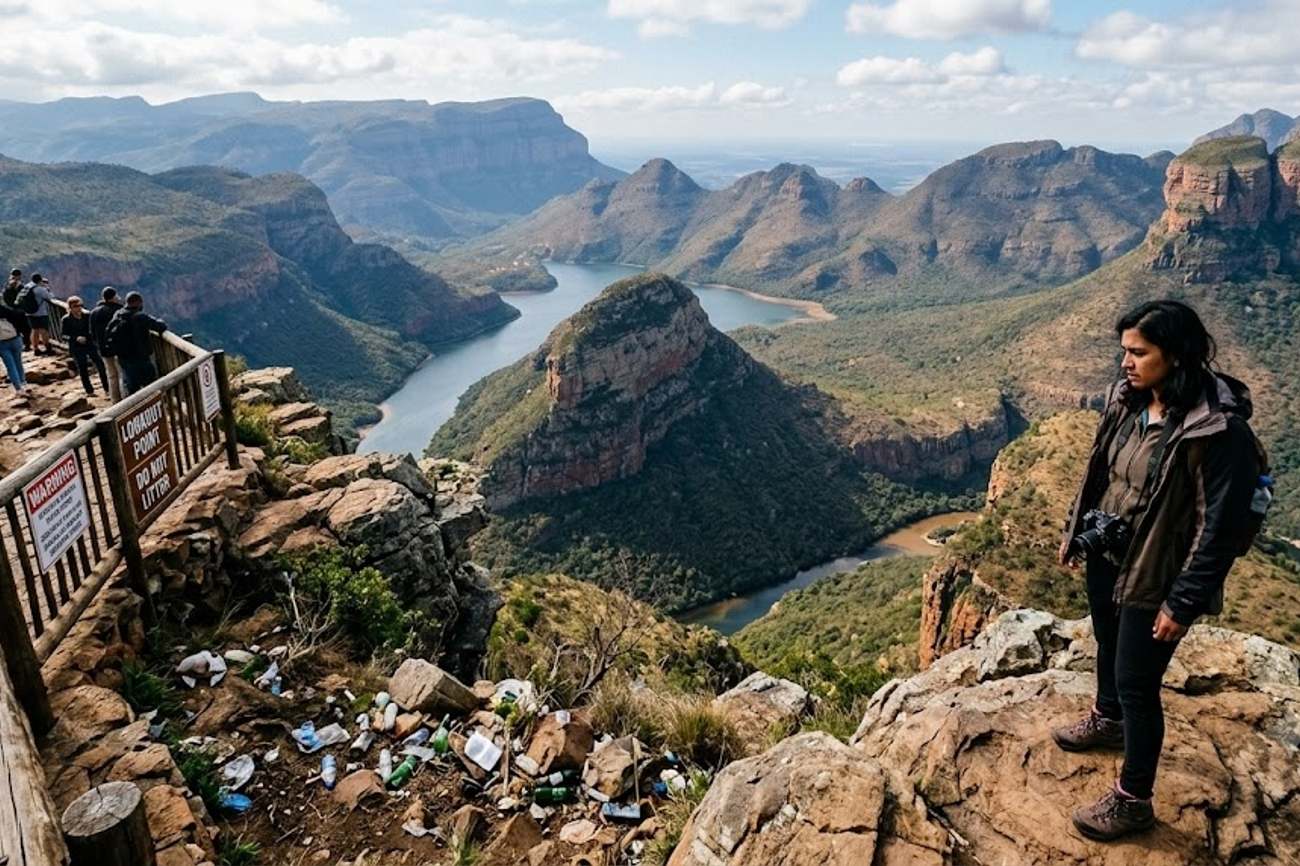
Image generated by AI
[Mashishing, October 2023] — Critical water contamination and systemic sewage failures are threatening the economic viability of South Africa’s Panorama Route, one of the nation's most vital tourism corridors.
The crisis is centered within the Thaba Chweu Local Municipality, where failing wastewater infrastructure has led to raw sewage flooding streets and infiltrating natural waterways. The collapse of basic sanitation services in Mashishing (formerly Lydenburg) is creating a public health emergency that jeopardizes the region's reputation as a premier destination for nature-based tourism.
The Infrastructure Collapse
The immediate trigger for this crisis is a comprehensive failure of the municipal water treatment and distribution network. Independent laboratory analysis of local water samples has revealed alarming safety breaches, including coliform bacteria levels that are classified as unsafe for human consumption. Additionally, alkalinity levels have reached warning thresholds.
Most concerning for health officials is the discovery of a tap-water sample in Lydenburg with a chlorine level of zero. Because chlorine is the primary agent used by the Department of Water and Sanitation and municipal bodies to disinfect supplies and eliminate harmful microorganisms, its total absence suggests a complete breakdown in the purification process or a severe compromise of the distribution piping.
Simultaneously, the region is battling visible sewage spills. Untreated waste is reportedly flowing directly into the streets of Mashishing and leaking into the river systems. For a region that markets itself on pristine waterfalls and mountain landscapes, the presence of raw sewage in the ecosystem represents an existential threat to the "natural" brand of the Panorama Route.
Who Is Affected
The contamination is not isolated to a single neighborhood but threatens the entire economic ecosystem of the Mpumalanga province. The following sectors and locations are currently under pressure:
- Municipal Hubs: Mashishing (Lydenburg) is the epicenter of the sewage spills and water quality failures.
- Tourism Nodes: The broader Panorama Route—including Graskop, Sabie, and Pilgrim’s Rest—is at risk as the reputation of the region declines.
- Hospitality Sector: Hotels, lodges, and guesthouses that rely on municipal water for drinking, sanitation, and food preparation.
- Food & Beverage: Restaurants and cafes facing increased health risks and higher costs for potable water.
- Local Workforce: Thousands of employees in the service industry whose health is compromised by contaminated environments.
- Environmental Assets: The waterfalls, forests, and river systems that serve as the primary draw for international and domestic visitors.
What This Means for Travelers
For anyone currently booking a trip to the Panorama Route or staying in the Thaba Chweu Local Municipality, the situation translates to immediate practical risks and potential service disruptions.
Water Safety: Travelers should not assume that tap water in the Mashishing/Lydenburg area is potable. The absence of chlorine and the presence of coliform bacteria mean that drinking, brushing teeth, or using tap water for food preparation could lead to serious gastrointestinal illness. Travelers are advised to use bottled water or high-grade filtration systems.
Sanitation and Health: The presence of sewage in public spaces and waterways increases the risk of waterborne diseases. Visitors should avoid contact with local river water and be mindful of sanitation standards in lower-budget accommodations that may not have independent water treatment.
Price Hikes: Because hotels and lodges are being forced to invest in private boreholes, massive storage tanks, and expensive filtration systems to bypass the failing municipal grid, these overheads are likely to be passed on to the consumer. Expect higher room rates and meal prices as operators struggle to maintain basic hygiene standards.
Destination Reliability: While the natural viewpoints and waterfalls remain physically accessible, the "experience" of the trip is compromised. The contrast between the marketed "pristine nature" and the reality of sewage-filled streets may lead to a diminished travel experience.
The Economic Domino Effect
The Panorama Route operates as a linked economic chain. When a hub like Mashishing fails, the ripple effect extends to fuel stations, tour operators, and craft markets across the region. The reliance on the natural environment means that environmental degradation is equivalent to economic devaluation.
Private operators are now essentially subsidizing the failure of the state. By installing private water infrastructure, businesses are attempting to insulate themselves from the Thaba Chweu Local Municipality failures. However, smaller guesthouses and family-run eateries lack the capital for such investments, meaning the smallest players in the tourism economy are the most likely to go bankrupt.
Furthermore, the era of instant digital feedback means that reports of sewage spills and unsafe water spread rapidly via social media and travel review sites. Once a destination is flagged as "unsanitary," the reputational damage often outlasts the actual physical repairs.
The Path to Recovery
Tourism authorities are currently calling for a comprehensive impact assessment to quantify the losses in accommodation demand and visitor spending. However, there is a clear consensus that marketing efforts are useless without functional infrastructure.
The resolution requires an urgent, coordinated intervention between the Mpumalanga provincial government and national environmental agencies. The focus must be on three immediate pillars:
- Emergency Disinfection: Restoring chlorine levels to the water supply to prevent an outbreak of waterborne disease.
- Sewage Containment: Immediate repair of leaking mains in Mashishing to stop the flow of waste into natural waterways.
- Infrastructure Auditing: A full review of the water-treatment plants to determine if the failures are due to lack of maintenance, mismanagement, or capacity overload.
Until these systemic issues are resolved, the Panorama Route remains in a precarious position, where the very beauty that attracts the world is being undermined by the failure of the pipes beneath the surface.
FAQ: Panorama Route Water Crisis 2023
Is it safe to drink the tap water in Lydenburg/Mashishing? No. Recent independent tests have detected unsafe levels of coliform bacteria and a total absence of chlorine in some samples. Use bottled or treated water for drinking and brushing teeth.
Are the waterfalls and viewpoints still open to the public? Yes, the natural attractions remain open. However, visitors should avoid swimming or wading in rivers near Mashishing due to reported sewage contamination.
Will this affect my hotel booking in Graskop or Sabie? While these towns are part of the wider route, the most severe sewage issues are centered in the Thaba Chweu Municipality. However, you may notice higher prices as hotels invest in backup water systems.
Who is responsible for fixing the water pollution? The primary responsibility lies with the Thaba Chweu Local Municipality and the relevant provincial and national water and sanitation departments.
A paradise on the brink: the battle between South Africa's natural splendor and its crumbling infrastructure.
#PanoramaRoute2023 #ThabaChweuMunicipality #MpumalangaTourism #MashishingWaterCrisis #SouthAfricaTravelSafety #WaterContaminationSA
Related Travel Guides
Disclaimer
This article is for informational and educational purposes only. It does not constitute legal, financial, or professional advice. While we strive to provide accurate and up-to-date information, travel policies, regulations, and conditions change rapidly. Always verify information with official sources before making travel decisions. Nomad Lawyer makes no representations about the accuracy, reliability, completeness, or suitability of the information provided. Readers should consult qualified professionals for advice specific to their circumstances. The views expressed in this article are those of the author and do not necessarily reflect the views of Nomad Lawyer.
Raushan Kumar
Founder & Lead Developer
Full-stack developer with 11+ years of experience and a passionate traveller. Raushan built Nomad Lawyer from the ground up with a vision to create the best travel and law experience on the web.
Learn more about our team →