
Singapore Issues Urgent Travel Advisory for Russia and UAE Over Drone Risks: New Travel Alert
Singapore's Ministry of Foreign Affairs advises citizens to defer non-essential travel to Russia and the UAE amid drone strikes in Russian cities and Middle East escalation.

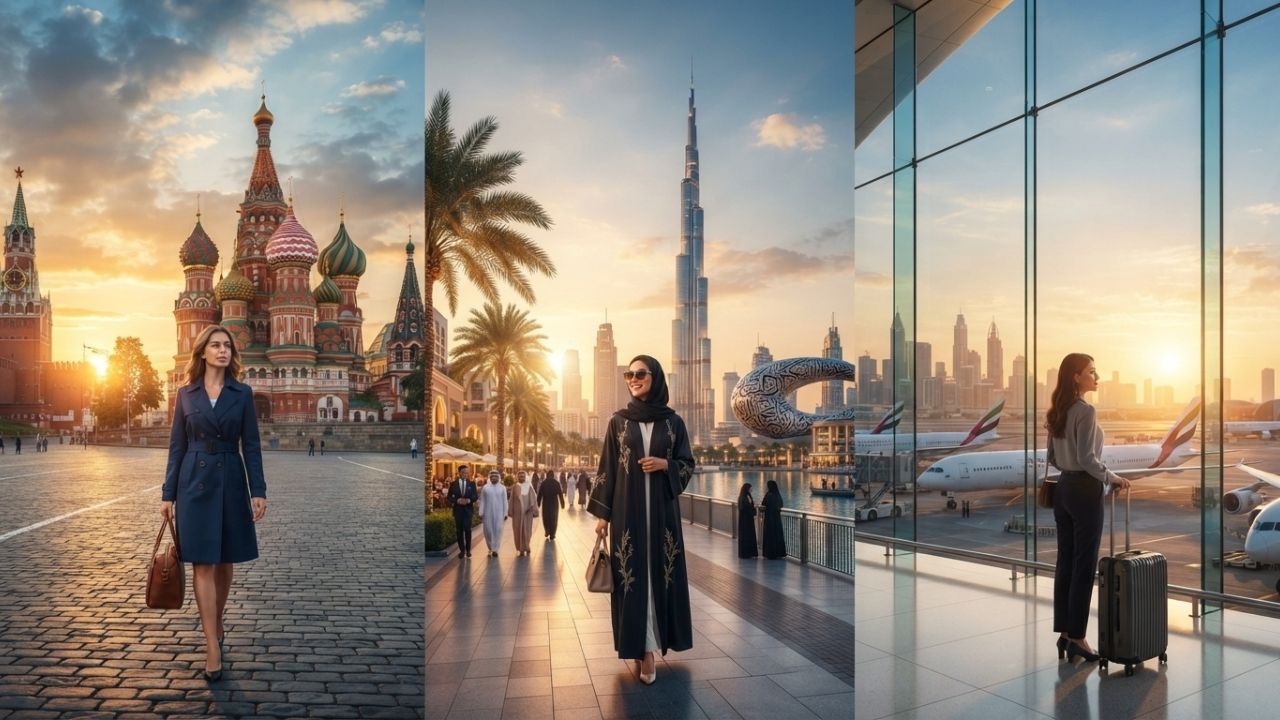
Image generated by AI
Singapore Issues Urgent Travel Advisory for Russia and UAE as Drone Strikes and Middle East Escalation Threaten Tourists: New Travel Alert
Published on July 29, 2026
Singapore’s Ministry of Foreign Affairs (MFA) has issued a strong travel advisory urging citizens to defer all non-essential travel to Russia and the United Arab Emirates (UAE) due to escalating security threats, drone incidents in major urban centers, and wider Middle East regional tensions. The government alert highlights growing risks in key Russian tourist cities—including Moscow, St. Petersburg, and Kazan—where conflict-related drone strikes and potential internet and mobile network blackouts create significant hazards for foreign visitors. Simultaneously, Singapore authorities are warning travelers connecting through global aviation hubs in Dubai and Abu Dhabi to prepare for potential flight disruptions, schedule modifications, and route realignments as Middle East security concerns intensify.
📌 Quick Summary: Key Facts for Travelers
- Singapore MFA Guidance: Official advisory urges citizens to defer non-essential travel to both Russia and the UAE due to volatile security conditions.
- Russia Drone & Network Risks: Reported drone strikes in Moscow, St. Petersburg, and Kazan, along with potential mobile and internet connectivity blackouts during security alerts.
- Strict Russian Entry & Documentation Rules: Mandatory visas or e-visas, strict border migration card retention, and mandatory local accommodation registration requirements.
- UAE Flight Awareness: Travelers transiting through Dubai (DXB) or Abu Dhabi (AUH) face potential schedule changes, layover delays, and airspace rerouting.
- Consular Registration: Singaporeans currently in Russia or the UAE are urged to eRegister with the Ministry of Foreign Affairs and monitor local authority updates.
Context: Evolving Geopolitical Risks Impacting Global Travel Corridors
The latest advisory from Singapore’s Ministry of Foreign Affairs underscores a fundamental shift in international tourism, where geopolitical stability and emergency readiness now dictate travel safety. While both Russia and the UAE represent primary international destinations for heritage, luxury tourism, and global commerce, separate regional conflict drivers have created heightened operational risks for visitors.
In Eastern Europe, the ongoing Russia–Ukraine conflict has expanded beyond active military frontiers, bringing drone strikes and digital infrastructure blackouts directly to major Russian cultural capitals. Meanwhile, across the Arabian Peninsula, escalating Middle East security tensions threaten to impact airspace stability and international flight connections at two of the world's busiest airport hubs.
Event Details: Regional Security Dynamics in Russia and the UAE
The Ministry of Foreign Affairs advisory outlines specific operational risks across both target destinations:
1. Security Escalations Across Russian Tourist Centers
Singapore’s MFA recommends deferring all non-essential travel to Russia as drone-related security incidents affect major urban centers:
- Moscow: Iconic cultural landmarks, museums, and historic districts face heightened security protocols and potential drone-related airspace holds.
- St. Petersburg: Famous for its European-style architecture, canal networks, and Hermitage heritage, the city faces heightened security monitoring affecting cruise and leisure travel.
- Kazan: Recognized for its unique Tatar cultural heritage, Kazan has been cited in security warnings following reported drone activity in the region.
2. Russian Digital Blackouts and Administrative Mandates
- Connectivity Shutdowns: Authorities warn that mobile data and internet services in Russia may be shut off without notice during security emergencies, disabling navigation, online payments, translation tools, and airline apps.
- Visa & Entry Rules: Singapore passport holders require a pre-approved visa or valid electronic visa (e-visa). E-visa holders must adhere strictly to designated border entry and exit points.
- Migration Card Preservation: All foreign visitors must complete a migration card at border control and retain it throughout their stay. Losing this card causes major delays and hotel clearance issues upon exit.
- Mandatory Visitor Registration: Foreign tourists must complete official registration within Russia (typically facilitated by hotels or private hosts). Failure to register can lead to heavy fines and departure bans.
- Petty Crime Hazards: Travelers in Russian cities are advised to guard against pickpocketing, vehicle theft, and luggage theft in crowded transit hubs and tourist spots.
3. UAE Middle East Escalation and Aviation Awareness
- Regional Conflict Exposure: Escalating Middle East security tensions have prompted Singapore to advise citizens to defer non-essential travel to the wider region.
- Airport Transit Schedules: Major global gateways—Dubai International Airport (DXB) and Zayed International Airport Abu Dhabi (AUH)—remain active, but passengers are warned to expect potential schedule changes, operational adjustments, and flight delays.
- Safety & Crime Standards: Although crime rates in the UAE remain among the lowest globally, visitors are advised to safeguard passports and travel documents during transit.
Travel Advisory Matrix: Security Risks & Compliance Requirements
The table below summarizes the key security hazards and administrative mandates outlined in the Singapore MFA advisory:
| Destination | Official MFA Advisory Level | Primary Security Risks | Critical Administrative & Entry Rules | Traveler Action Items |
|---|---|---|---|---|
| Russia | Defer All Non-Essential Travel | Urban drone strikes (Moscow, St. Petersburg, Kazan), internet/mobile blackouts, petty crime | Pre-approved visa or e-visa, mandatory migration card, local hotel registration | Carry printed documents, offline maps, cash, and maintain MFA contact |
| United Arab Emirates | Defer Non-Essential Travel to Region | Middle East conflict escalation, flight rerouting, transit airport delays | Standard entry rules, passport validity checks, airline status monitoring | Track DXB/AUH flight schedules directly, eRegister with MFA, buy travel insurance |
Risk and Impact Analysis: Threats to International Visitors
The Singapore travel advisory details several practical hazards facing foreign tourists:
- Digital Disruption Risks: Shutdowns of mobile networks prevent foreign tourists from accessing digital banking, rideshare services, mapping tools, and translation software.
- Immigration Compliance Penalties: Misplacing a Russian migration card or failing to register accommodation within legal deadlines can lead to fines, detention, or departure rejection at border checkpoints.
- Aviation & Layover Bottlenecks: Airspace realignments in the Middle East can cause missed flight connections for international transit passengers passing through Dubai or Abu Dhabi.
- Crime in High-Density Tourist Zones: In crowded Russian transit hubs, tourists face heightened risks of pickpocketing and theft of personal valuables.
What Authorities and Official Bodies Are Saying
The Singapore Ministry of Foreign Affairs (MFA) issued clear guidance instructing citizens to prioritize personal safety and maintain constant communication:
"The Ministry of Foreign Affairs advises Singaporeans to defer non-essential travel to Russia and the United Arab Emirates in light of the evolving security situation and regional tensions. Singaporeans currently in these destinations should remain vigilant, monitor local news closely, and eRegister with MFA."
Local authorities in both Russia and the UAE maintain that primary tourist infrastructure and transit hubs remain operational, but urge foreign visitors to comply immediately with all local security directives.
Practical Traveler Advice Checklist for High-Attention Destinations
Travelers planning journeys to or transiting through Russia or the UAE should implement the following safety protocols:
- Defer Non-Essential Travel: Follow MFA guidance and postpone non-essential holiday or business trips to affected regions.
- eRegister with MFA: Singaporean citizens should register their trip details via the official MFA eRegister portal to receive emergency consular support.
- Carry Physical Hard Copies: Keep printed copies of your passport, visa, approved e-visa, hotel reservations, and migration card in a secure travel folder.
- Download Offline Digital Resources: Save offline GPS maps (such as Maps.me or Google Offline Maps) and offline translation tools on your smartphone prior to departure.
- Maintain Emergency Cash Reserves: Carry sufficient local currency (Russian Rubles or UAE Dirhams) in cash to manage purchases during potential digital payment outages.
- Re-Confirm Airline Schedules: Check flight statuses directly with operating airlines before traveling to Dubai (DXB) or Abu Dhabi (AUH) airports.
- Secure Comprehensive Travel Insurance: Verify that your insurance policy covers trip cancellation, security-related flight delays, and emergency medical evacuation.
Broader Context: Global Tourism and Geopolitical Realities
The Singapore MFA advisory reflects a broader reality in international travel, where security concerns frequently dictate tourism flows. Russia's historic cities—from Moscow's Red Square to St. Petersburg's Hermitage and Kazan's historic Kremlin—continue to possess immense cultural appeal, yet ongoing conflict risks complicate international visits.
Similarly, the UAE's status as a global tourism powerhouse—built on world-class hospitality in Dubai and cultural monuments in Abu Dhabi—means that any broader Middle East instability impacts international traveler confidence. As a result, destination choices are increasingly evaluated through the lens of emergency preparedness and consular support.
Looking Ahead: Monitoring Security Conditions and Passenger Guidance
As geopolitical conditions fluctuate across Eastern Europe and the Middle East, governments and travel regulators will continuously update their security advisories:
- Ongoing MFA Safety Assessments: Singapore’s MFA will maintain real-time monitoring of airspace safety and urban security in Russia and the UAE.
- Airline Schedule Realignments: International carriers operating through Dubai and Abu Dhabi will adjust flight tracks dynamically based on regional threat assessments.
- Enhanced Border Verification: Russian immigration authorities will continue enforcing strict migration card checks and hotel registration audits at international entry points.
By maintaining high safety awareness, preparing physical travel backups, and remaining flexible, travelers can manage the complexities of modern international travel.
Conclusion
The strong travel advisory issued by Singapore for Russia and the UAE emphasizes the vital importance of safety awareness in modern global travel. Whether navigating drone-related risks and strict entry rules in Russia or managing flight schedule changes in the UAE, travelers must prioritize security preparedness. By following official guidance, securing proper documentation, and maintaining flexible travel plans, visitors can protect their well-being across high-attention international destinations.
Frequently Asked Questions (FAQ)
1. Why has Singapore issued a travel advisory for Russia and the UAE?
Singapore issued travel guidance for Russia and the UAE due to escalating security risks. Russia faces ongoing conflict-related threats, including urban drone incidents and connectivity disruptions. The UAE advisory is linked to broader Middle East tensions that may impact regional stability and flight operations.
2. Are Moscow, St. Petersburg, and other Russian tourist cities safe for visitors?
Major Russian cities like Moscow, St. Petersburg, and Kazan continue to welcome visitors, but Singapore's MFA highlights increased security risks from drone incidents. Visitors are urged to defer non-essential travel, avoid sensitive areas, monitor local news, and follow local instructions.
3. What security concerns are affecting tourism in Russia?
Key concerns include reported drone strikes in major cities, potential mobile data and internet blackouts during security emergencies, strict visa/immigration checks, and risks associated with the ongoing Russia–Ukraine conflict.
4. Can tourists still enter Russia with an electronic visa (e-visa)?
Eligible international travelers may apply for a Russian e-visa, but rules and approved border checkpoints can change. Travelers must verify current entry conditions, valid border crossings, and visa validity periods before departure.
5. What documents do tourists need when traveling to Russia?
Visitors need a valid passport, a pre-approved visa or e-visa, a migration card completed at border control, and proof of official local accommodation registration completed after arrival.
6. Is the UAE still open for international tourists despite the advisory?
Yes. The UAE remains open, with major destinations like Dubai and Abu Dhabi fully operational. However, Singapore advises citizens to defer non-essential travel to the region due to Middle East security tensions and potential flight disruptions.
7. Could flights through Dubai or Abu Dhabi be affected?
Yes. Passengers transiting through Dubai (DXB) or Abu Dhabi (AUH) airports should prepare for potential schedule changes, operational realignments, and minor layover delays. Travelers should check flight statuses directly with airlines before heading to the airport.
8. What should tourists do if they are already in Russia or the UAE?
Tourists currently in either country should stay alert, monitor official news announcements, adhere to local authority directives, maintain emergency contacts, and—for Singaporean citizens—eRegister with the Ministry of Foreign Affairs.
Related Travel Guides
Disclaimer
This article is for informational and educational purposes only. It does not constitute legal, financial, or professional advice. While we strive to provide accurate and up-to-date information, travel policies, regulations, and conditions change rapidly. Always verify information with official sources before making travel decisions. Nomad Lawyer makes no representations about the accuracy, reliability, completeness, or suitability of the information provided. Readers should consult qualified professionals for advice specific to their circumstances. The views expressed in this article are those of the author and do not necessarily reflect the views of Nomad Lawyer.
Kunal K Choudhary
Co-Founder & Contributor
A passionate traveller and tech enthusiast. Kunal contributes to the vision and growth of Nomad Lawyer, bringing fresh perspectives and driving the community forward.
Learn more about our team →