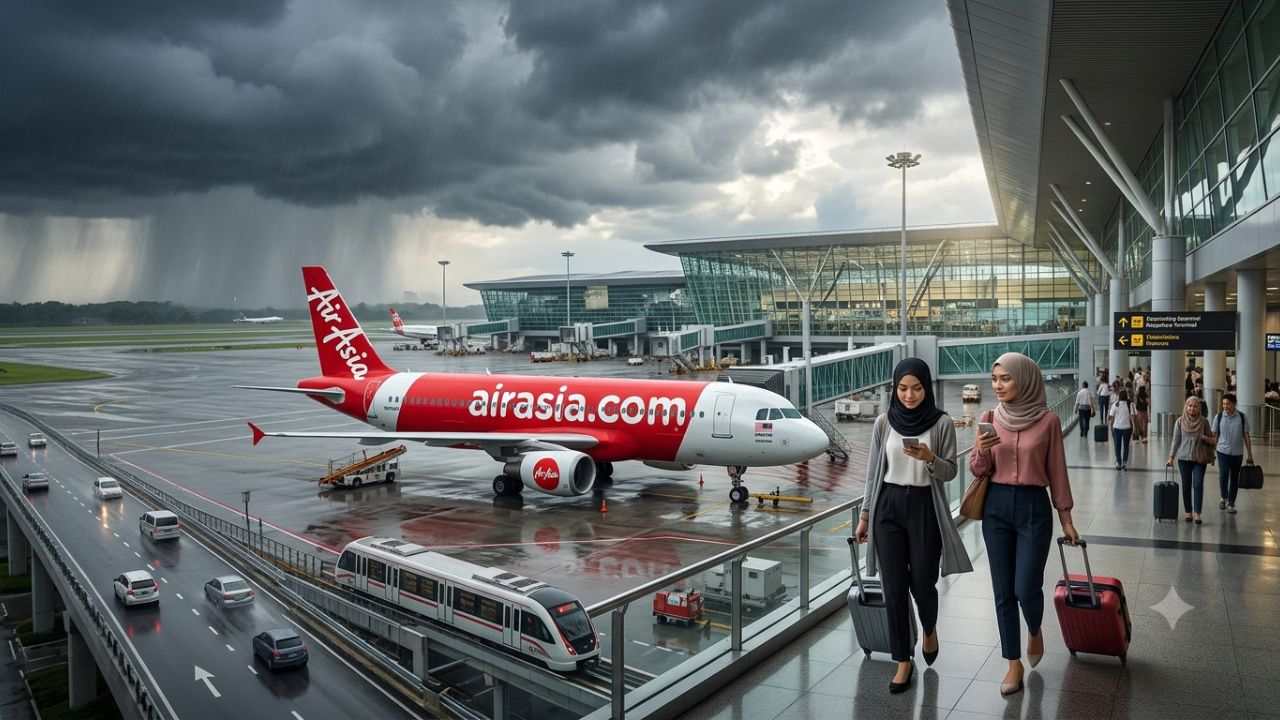
Middle East Flight Disruptions: Over 1,180 Delays and 106 Cancellations Across Gulf Hubs

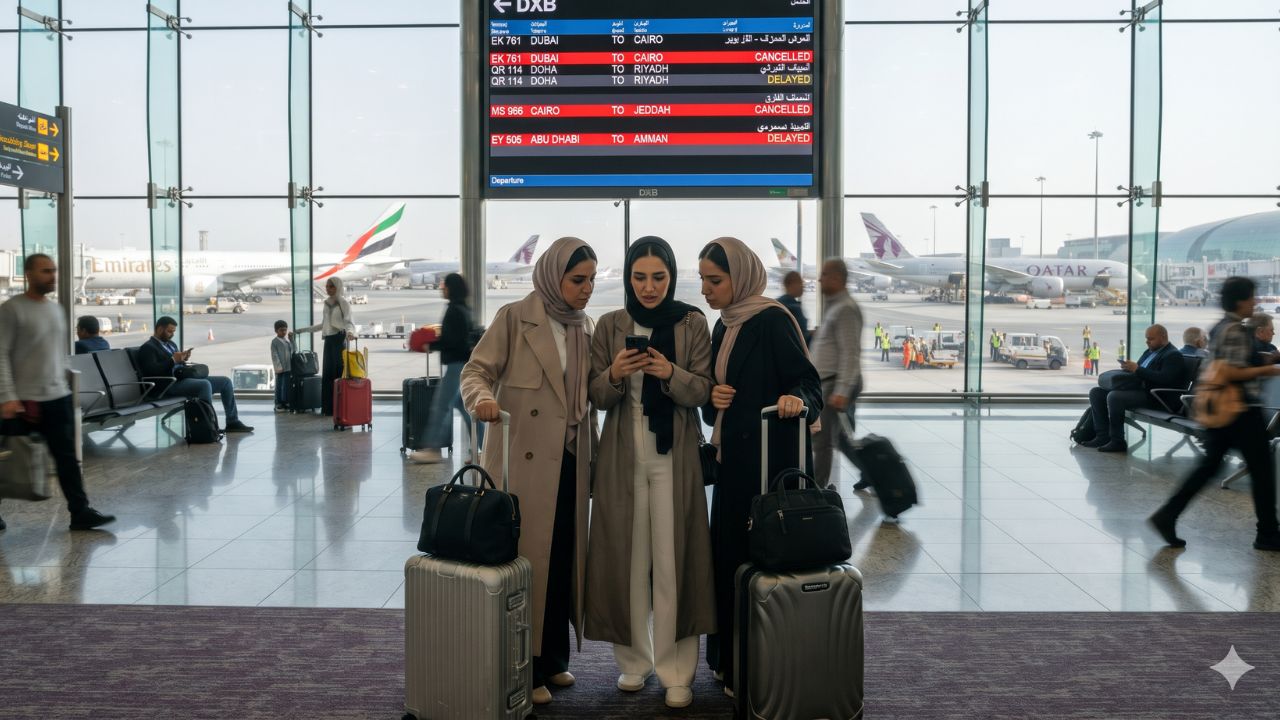
Across the central crossroads of international aviation, 106 cancellations and 1,180 flight delays hit major Middle Eastern transit hubs in a single operational window, forcing thousands of long-haul travelers to adjust connections. Real-time flight tracking data logged on 5 November 2026 at 3:43 pm ET (6 November at 12:43 am GST) reveals widespread schedule disruptions affecting the United Arab Emirates, Saudi Arabia, Qatar, Türkiye, Oman, Egypt, Jordan, Bahrain, and Kuwait. Heightened security protocols, mandatory flight authorizations, and European airspace advisories have forced carriers to execute wide diversions that stretch flying times and disrupt aircraft rotations.
For international passengers transiting Dubai, Abu Dhabi, Doha, or Muscat, these bottlenecks trigger missed connections, extended terminal waits, and unexpected layovers. Understanding how regional air routes operate is vital for travelers crossing Middle Eastern airspace.
The Regional Aviation Squeeze: Airspace Rerouting and Route Suspensions
The disruptions stem from airspace restrictions and operational constraints. Following October security incidents, Saudi authorities introduced prior-authorization requirements at Riyadh’s King Khalid International Airport (RUH). Dammam’s King Fahd International Airport (DMM) has reopened, though international carriers maintain reduced schedules.
Airlines have responded by suspending sensitive bilateral routes. Etihad Airways confirmed the cancellation of all passenger and cargo flights between Abu Dhabi and Riyadh, and between Abu Dhabi and Dammam, through 19 November 2026. However, Etihad restored four scheduled Abu Dhabi–Jeddah flights on 6 November: flight numbers EY601, EY602, EY603, and EY604. European carriers also remain cautious; Lufthansa Group extended its suspension of Dubai International Airport (DXB) services, planning a restart on 25 November 2026.
Regional flight safety directives intensify these ground suspensions. An aviation safety bulletin published on 4 November 2026 by European safety regulators advised operators to avoid designated sectors of Saudi Arabian airspace and exercise vigilance across Bahrain and Iraq. These tactical detours lengthen flights by 45 to 90 minutes, disrupting transfer banks in Dubai and Doha. Passenger protection policies can be reviewed via the Saudi General Authority of Civil Aviation.
What Makes Middle Eastern Hub Connections Different
Transferring through a Gulf megahub differs from connecting in Europe or North America. Hubs like Dubai, Doha, and Abu Dhabi rely on coordinated "wave" schedules. Hundreds of long-haul flights arrive simultaneously, deplaning thousands of travelers who must clear security and reach departure gates within 75 to 90 minutes.
When flights absorb a 45-minute detour, transfer buffers vanish. Terminal 3 at Dubai International spans 1.7 million square meters; moving between Concourse A and C requires automated trains and long walks. Real-time terminal status is provided through the Dubai Airports Official Portal.
In Saudi Arabia, air traffic aligns with pilgrimage and commercial cycles. King Abdulaziz International Airport in Jeddah serves visitors traveling to Makkah, while Riyadh manages corporate transit. When UAE–Saudi links pause, passengers must rely on alternative regional carriers, increasing pressure on hubs like Muscat and Bahrain.
Middle East Aviation Disruptions: Airport and Airline Impact Breakdown
Data recorded on 5 November 2026 demonstrates clear operational patterns across regional hubs. UAE airports absorbed heavy delay backlogs, while Saudi Arabian gateways recorded the largest cancellation totals. The tables below detail the verified airport and airline figures across the region.
| Airport Hub | Country | Tracked Delays | Tracked Cancellations |
|---|---|---|---|
| Dubai International (DXB) | UAE | 263 | 8 |
| Istanbul Airport (IST) | Türkiye | 151 | 7 |
| Hamad International (DOH) | Qatar | 123 | 2 |
| King Abdulaziz International (JED) | Saudi Arabia | 121 | 15 |
| Zayed International (AUH) | UAE | 117 | 3 |
| Cairo International (CAI) | Egypt | 115 | 2 |
| Sharjah International (SHJ) | UAE | 66 | 3 |
| King Fahd International (DMM) | Saudi Arabia | 60 | 9 |
| King Khalid International (RUH) | Saudi Arabia | 41 | 20 |
| Muscat International (MCT) | Oman | 28 | 2 |
| Bahrain International (BAH) | Bahrain | 26 | 12 |
| Al Maktoum International (DWC) | UAE | 22 | 2 |
| Queen Alia International (AMM) | Jordan | 21 | 6 |
| Kuwait International (KWI) | Kuwait | 20 | 12 |
| Erbil International (EBL) | Iraq | 6 | 1 |
Regional carrier fleet performance reflects these operational pressures:
| Airline Carrier | Country Base | Delays (% of Fleet) | Cancellations (% of Fleet) |
|---|---|---|---|
| Emirates | UAE | 122 (22%) | 1 (~0%) |
| FlyDubai | UAE | 93 (34%) | 4 (1%) |
| Etihad Airways | UAE | 85 (25%) | 3 (~0%) |
| Air Arabia | UAE | 59 (26%) | 4 (1%) |
| EgyptAir | Egypt | 52 (19%) | 2 (~0%) |
| Saudia | Saudi Arabia | 51 (11%) | 16 (3%) |
| Gulf Air | Bahrain | 12 (7%) | 12 (7%) |
| Royal Jordanian | Jordan | 11 (8%) | 5 (3%) |
| Kuwait Airways | Kuwait | 6 (6%) | 6 (6%) |
Visitor Insider Tips: Navigating Layovers, Rebooking, and Gulf Transit
When aviation networks face systemic delays, travelers should adopt practical tactics:
- Book Three-Hour Layover Buffers: When booking connections through Dubai, Doha, or Abu Dhabi, avoid 60-minute connections. Choose flights offering at least three hours between legs to absorb rerouting delays without missing onward flights.
- Navigate Terminals Strategically: At DXB, take the Concourse A train; walking between Concourse B and C gates takes up to 25 minutes. At Zayed International, transit screening queues peak during midnight departure banks; clear security before browsing shops.
- Utilize Rerouting Options on Suspended Sectors: Passengers affected by cancelled Etihad flights to Riyadh or Dammam through 19 November should request rebooking onto resumed Jeddah flights EY601 through EY604 or explore alternative regional flight routes.
- Pack Essentials in Carry-On Bags: Because checked luggage can remain in holding bays during delayed connections, carry medications, device chargers, and a spare change of modest clothing in your daypack.
- Explore Layover Options in Muscat: If facing overnight delays in Oman, Muscat International Airport offers efficient transit visas and accommodations along the Muttrah Corniche, supported by the Ministry of Heritage and Tourism of Oman.
Cultural and Environmental Context: Regional Hospitality and Aviation Emissions
Unplanned airport delays highlight traditional Middle Eastern hospitality. Across terminals in Muscat, Doha, and Abu Dhabi, local ground staff assist stranded passengers with hospitality, distributing bottled water, Arabic coffee (gahwa), and dates across gate areas. Responding with patience and modest attire aligns with local customs and helps facilitate rebooking assistance.
From an environmental standpoint, extended airspace detours incur serious ecological costs. Rerouting airliners around restricted flight information regions forces widebody jets to burn extra fuel. A single tactical detour around closed airspace emits an estimated 8 to 15 additional tons of carbon dioxide per flight. Resolving airspace constraints remains an environmental imperative for sustainable regional travel.
FAQ: Visiting and Transiting the Middle East 2026–2027
What caused the Middle East flight cancellations in November 2026?
Disruptions stem from Saudi Arabian airport restrictions following October security incidents, European airspace safety advisories, and airline suspensions including Etihad's paused Riyadh and Dammam flights.
How long are Etihad flights between Abu Dhabi and Saudi Arabia suspended?
Etihad Airways cancelled passenger and cargo flights between Abu Dhabi and Riyadh, and Abu Dhabi and Dammam, through 19 November 2026, while resuming four flights to Jeddah.
Which Middle Eastern airport experienced the highest number of delays?
Dubai International Airport (DXB) logged the highest delay count with 263 delayed flights, followed by Istanbul Airport with 151 delays and Doha's Hamad International with 123 delays.
What should I do if my connecting flight in Dubai or Doha is delayed?
Track bookings through official airline apps, request rebooking onto alternative departure waves immediately upon landing, and consult transfer desks before exiting transit zones.
When flight corridors shift across Middle Eastern skies, patience, generous transfer buffers, and smart airport navigation remain every traveler's most reliable travel toolkit.
Related Travel Guides
This article is for informational purposes. Flight routes, passenger regulations, visa rules, and transit advisories are subject to change by airlines and aviation authorities. Readers are advised to verify schedules and travel documentation with relevant carriers and border agencies before departure.
Related Stories

Middle East Flight Disruptions: Over 880 Delays and 70 Cancellations Hit Dubai, Doha, and Saudi Airports
Etihad Extends Saudi Arabia Flight Cancellations to October 24 Following Airport Security Threats