
Singapore Tourism Board and Agoda Sign 3-Year AI Partnership to Transform Smart Tourism in 2026
The Singapore Tourism Board and Agoda have entered a three-year MOU to integrate AI-driven digital innovation and attract high-value travelers from the US, India, and Australia.

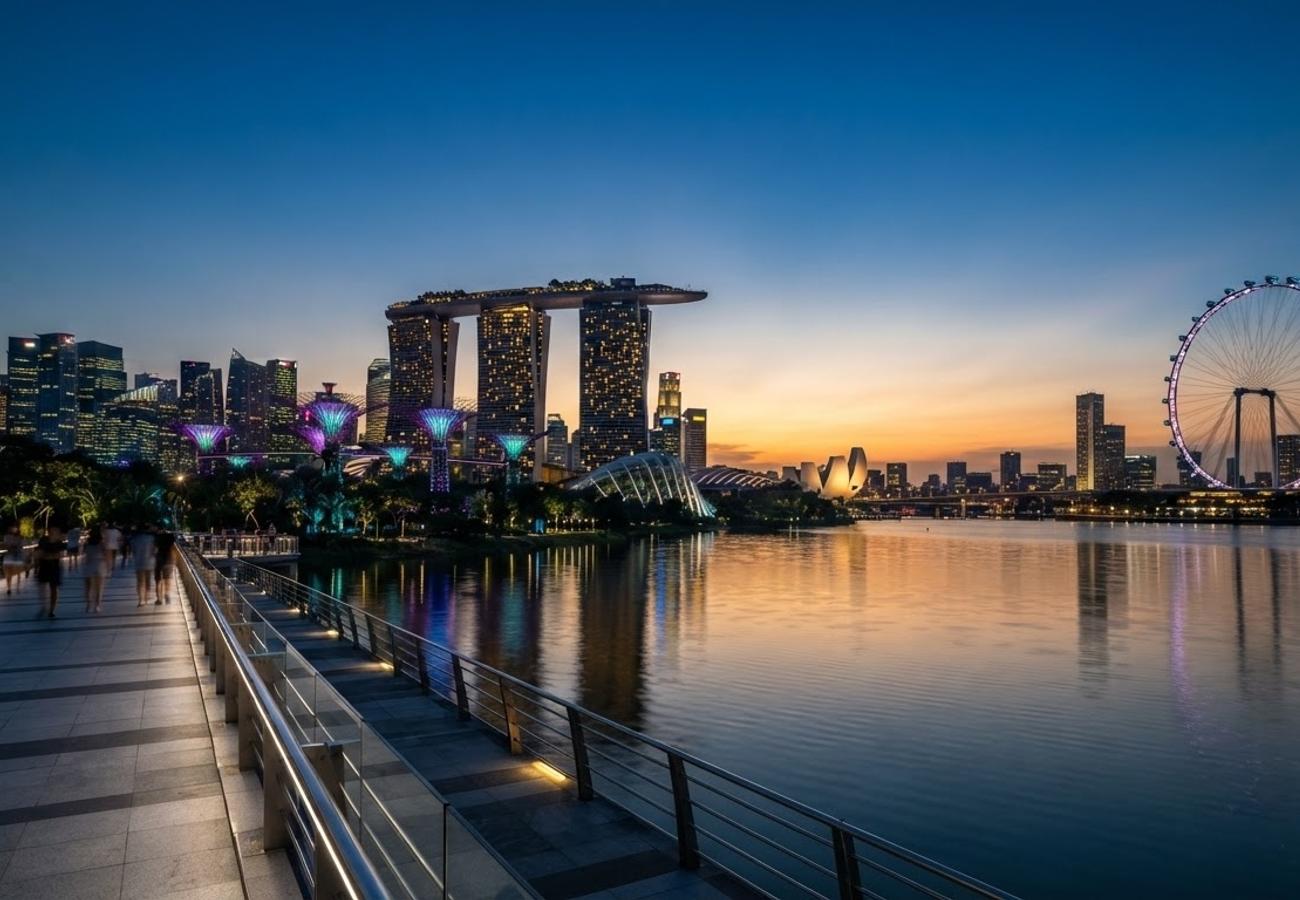
Image generated by AI
Singapore is deploying a massive AI-driven overhaul of its tourism sector following a new three-year Memorandum of Understanding (MOU) signed between the Singapore Tourism Board (STB) and Agoda on August 15, 2026. This strategic alliance aims to leverage predictive intelligence to capture high-value visitor segments from India, Australia, and the United States.
This agreement is not a standalone project but an evolution of collaborative efforts established in 2022 and 2024. By integrating Agoda’s sophisticated digital platform with national tourism goals, Singapore is transitioning from traditional marketing to a precision-based, AI-powered ecosystem.
Personalized Guest Journeys Through AI Integration
The current shift in the travel landscape emphasizes hyper-personalization over generic tourism packages. Through this partnership, AI algorithms are now being utilized to analyze complex search patterns and user preferences in real-time, allowing for the creation of bespoke itineraries.
For the modern visitor, this means the digital discovery phase is no longer a manual search but a curated experience. AI systems can now automatically highlight hotel accessibility features for those with specific needs or map out transit proximity to minimize travel friction. Whether a guest is visiting for high-stakes business or a family vacation, the recommendations they receive are tailored to their specific behavioral data, significantly increasing the efficiency of their stay.
Strategic Pillars of the STB and Agoda Alliance
Industry data indicates that the global hospitality sector is moving toward a model of data-driven decision-making. The 2026 roadmap between the STB and Agoda is built upon four primary strategic pillars designed to ensure the city-state remains a competitive global hub.
First, joint marketing efforts are being intensified to elevate Singapore's visibility in key international markets. Second, a robust data strategy has been implemented to track visitor patterns using real-time insights, allowing the city to react to travel trends as they happen. Third, the partnership focuses on thought leadership, aiming to set new standards for innovation within the broader hospitality industry. Finally, technology collaboration is providing essential digital training for the local workforce, ensuring that human service keeps pace with technological advancement.
Leveraging Technology for Sustainability and Heritage
Beyond marketing and profit, the integration of smart tourism is being used as a tool for environmental and cultural preservation. By digitizing the visitor experience, Singapore is reducing the physical footprint of tourism.
The MRT system's reliance on digital payments has significantly curtailed paper waste, while real-time crowd management tools are now used to distribute foot traffic across the city. This prevents "over-tourism" at popular landmarks and encourages visitors to explore lesser-known, authentic locations.
Digital platforms are also being used to redirect traffic toward sustainable eco-tourism sites, such as the Southern Ridges and Pulau Ubin. Furthermore, dedicated apps are guiding tourists toward family-run hawker centers, ensuring that the city's cultural heritage is preserved and that economic benefits reach local small-business owners.
Evolution of Singapore's Tourism Strategy
The 2026 initiative marks a fundamental departure from previous tourism policies. In earlier years, the focus was primarily on expanding physical infrastructure and deploying static marketing campaigns that targeted broad demographics.
The following table outlines the shift in strategic approach:
| Feature | Previous Strategy | 2026 Smart Tourism Strategy |
|---|---|---|
| Marketing Approach | Reactive; based on broad demographics | Predictive; powered by AI intelligence |
| Growth Objective | Volume-based (increasing visitor counts) | Value-based (increasing quality of experience) |
| Infrastructure | Physical expansion and static ads | Digital integration and dynamic content |
| Vision Alignment | General tourism growth | "Tourism 2040" long-term vision |
By moving toward predictive intelligence, Singapore is no longer simply reacting to travel trends but is anticipating them, creating a seamless loop between the traveler's intent and the city's offering.
Essential Logistics for 2026 Visitors
For travelers planning a trip to Singapore under this new smart tourism framework, several practical updates are recommended to ensure a smooth experience.
To avoid the heaviest crowds, industry reports suggest scheduling visits between July and October. Regarding local transit, the use of physical tickets is becoming obsolete; visitors are encouraged to use contactless credit cards for MRT fare gates for maximum efficiency.
In terms of local etiquette, tipping is not a standard practice in Singapore, although a 10% service charge is typically included in restaurant bills. Visitors should also prioritize downloading local ride-hailing applications to navigate the city efficiently and remain mindful of strict local regulations regarding public conduct and cleanliness.
Why This Matters: The Impact on the Global Traveler
From a logistical standpoint, the move toward "Smart Tourism" removes the cognitive load from the traveler. Instead of spending hours researching "the best" spots, the AI-driven ecosystem pushes relevant, high-value options to the user based on their actual needs.
For the digital nomad or high-net-worth traveler, this creates a friction-less entry into the city. The shift from volume-based growth to value-based experiences means that the city is less concerned with the number of people arriving and more concerned with the quality of their stay. This likely leads to less congestion at major landmarks and a more curated, high-end service level across the hospitality sector.
Ultimately, Singapore is providing a blueprint for other global cities. By merging public sector goals (STB) with private sector data (Agoda), they are creating a symbiotic relationship where technology serves as the bridge between urban development and environmental conservation.
Singapore's leap into AI-driven tourism signals a new era where the city itself becomes a personalized concierge for every visitor.
Related Travel Guides
Disclaimer
This article is for informational and educational purposes only. It does not constitute legal, financial, or professional advice. While we strive to provide accurate and up-to-date information, travel policies, regulations, and conditions change rapidly. Always verify information with official sources before making travel decisions. Nomad Lawyer makes no representations about the accuracy, reliability, completeness, or suitability of the information provided. Readers should consult qualified professionals for advice specific to their circumstances. The views expressed in this article are those of the author and do not necessarily reflect the views of Nomad Lawyer.
Preeti Gunjan
Contributor & Community Manager
A passionate traveller and community builder. Preeti helps grow the Nomad Lawyer community, fostering engagement and bringing the reader experience to life.
Learn more about our team →