
Air Canada Issues Travel Warnings for 6 US Hubs as Severe Storms Trigger Flight Cancellations in 2026
Air Canada has issued alerts for six major Northeast US hubs including JFK and Newark as severe thunderstorms and FAA traffic control initiatives cause widespread flight cancellations.

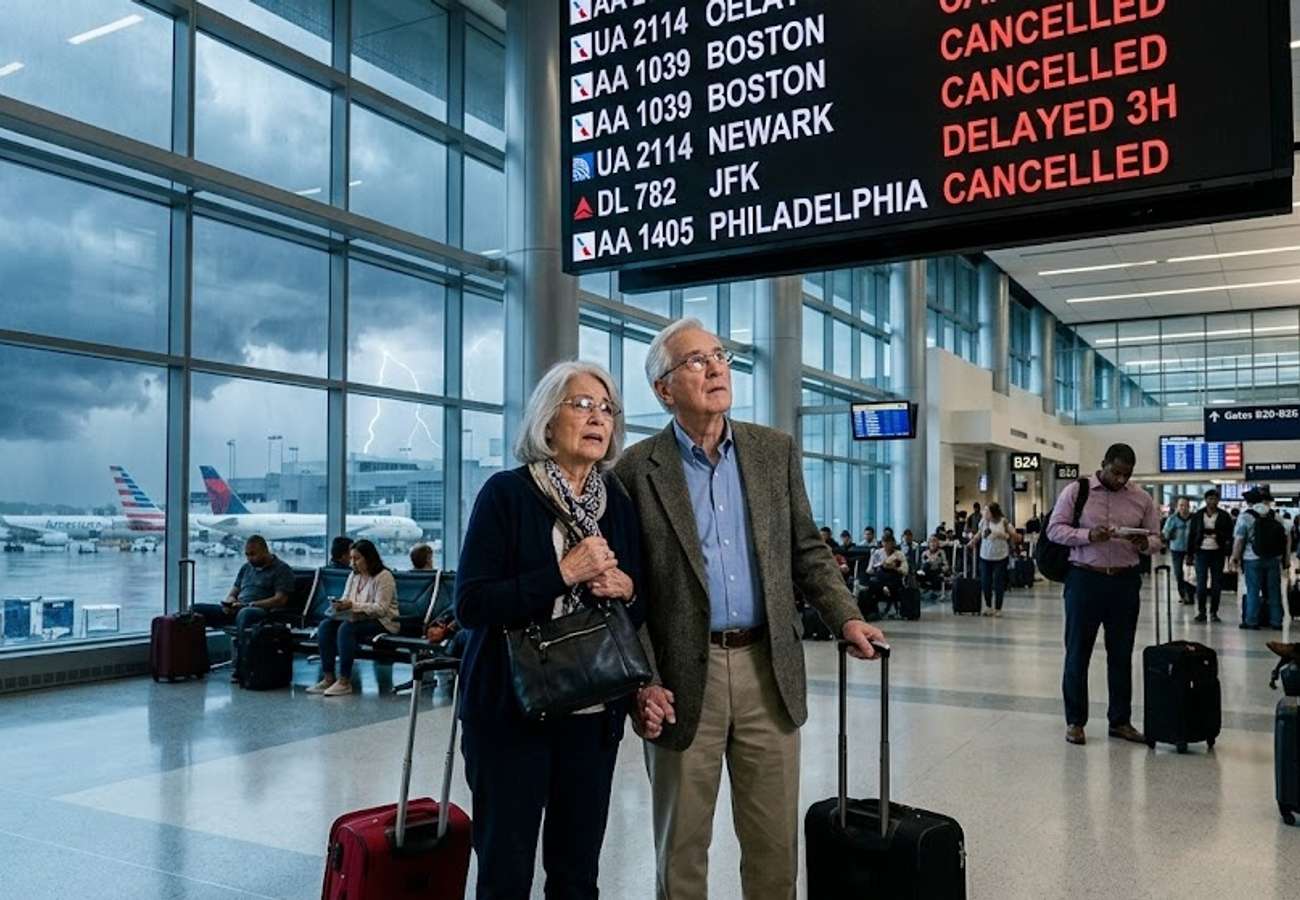
Image generated by AI
Air Canada has issued urgent travel alerts for six major Northeast US hubs as severe thunderstorms and FAA traffic control initiatives trigger a surge in flight cancellations and delays.
The disruption follows a pattern of extreme weather across the Eastern seaboard, which has already seen the FAA implement flight stops at ten East Coast airports. The volatility is expected to persist through Wednesday, affecting thousands of passengers traveling between Canada and the United States.
Operational Impact and Hub Alerts
Air Canada has specifically flagged six major airports for imminent delays and potential groundings. Our analysis of the carrier's current operational status indicates that the New York and New Jersey metropolitan areas are the highest-risk zones due to limited visibility and intense storm cells.
The affected hubs include:
- Boston (BOS)
- New York Newark Liberty (EWR)
- New York LaGuardia (LGA)
- Philadelphia (PHL)
- Washington Reagan National (DCA)
- Washington Dulles (IAD)
Flight tracking data shows that John F. Kennedy International Airport (JFK) recorded 58 cancellations on Monday morning alone. For those routing through Canadian gateways, specifically Toronto Pearson and Montreal, delays are deemed imminent as the storm line extends from the Mid-Mississippi Valley through New England.
Air Canada Flight Disruption Data (July 21-22, 2026)
| Date | Delayed Flights | Delay Percentage | Canceled Flights | Cancellation Percentage |
|---|---|---|---|---|
| July 21st | 196 | 34% | 42 | 7% |
| July 22nd | 26 | 4% | 11 | 1% |
Note: Data as of 9 AM EST, July 22nd. Trends indicate increasing volatility as tornado watches move into upstate New York and eastern Pennsylvania.
Passenger Rights & Advisory (Information Gain)
Passengers facing disruptions must distinguish between "controllable" and "uncontrollable" events to determine their eligibility for compensation.
Weather-Related Disruptions (Uncontrollable) Under Air Canada’s current policy and general aviation standards, meteorological events are classified as outside the airline's control.
- Compensation: Passengers are generally not eligible for monetary compensation for delays or cancellations caused by weather.
- Rebooking: The carrier is obligated to rebook passengers on the next available flight.
- Refunds: If a rebooking option does not accommodate the traveler's needs and the disruption exceeds three hours, passengers may request a refund for the unused portion of the ticket.
- Alternative Travel: If the travel no longer serves a purpose, passengers may request a return to their point of origin and a refund for the used portion of the ticket.
Controllable Disruptions If a disruption is found to be within the airline's control (e.g., staffing issues or mechanical failure), passengers may be eligible for compensation.
- APPR Regulations: Under the Air Passenger Protection Regulations, eligible passengers may receive up to $400 in compensation depending on the length of the delay.
Recommended Actions for Travelers:
- Monitor FAA Status: Check real-time ground stop data for the Northeast corridor.
- Digital Check-in: Use the Air Canada app to monitor flight status changes before heading to the airport.
- Document Everything: Keep records of all communication with the airline and copies of original and rescheduled itineraries to support future claims.
Industry Analyst View
The current instability highlights the fragility of the Northeast aviation corridor during the 2026 summer season. The convergence of severe thunderstorms, tornado warnings in Pennsylvania and New York, and FAA traffic control initiatives creates a "bottleneck effect."
When major hubs like EWR and JFK experience ground stops, the ripple effect extends across the entire network, leading to aircraft and crew displacement. For Air Canada, the challenge is not merely the weather, but the logistical recovery of schedules across six simultaneous hubs. The reliance on "force majeure" clauses for weather-related cancellations remains a point of friction between carriers and passengers seeking financial restitution.
Travelers are advised to maintain flexible itineraries until the storm front clears the New England region.
Related Travel Guides
Disclaimer
This article is for informational and educational purposes only. It does not constitute legal, financial, or professional advice. While we strive to provide accurate and up-to-date information, travel policies, regulations, and conditions change rapidly. Always verify information with official sources before making travel decisions. Nomad Lawyer makes no representations about the accuracy, reliability, completeness, or suitability of the information provided. Readers should consult qualified professionals for advice specific to their circumstances. The views expressed in this article are those of the author and do not necessarily reflect the views of Nomad Lawyer.
Preeti Gunjan
Contributor & Community Manager
A passionate traveller and community builder. Preeti helps grow the Nomad Lawyer community, fostering engagement and bringing the reader experience to life.
Learn more about our team →