Mexico Ecotourism Market Projected to Hit USD 9.29 Billion by 2034 as Green Travel Surges

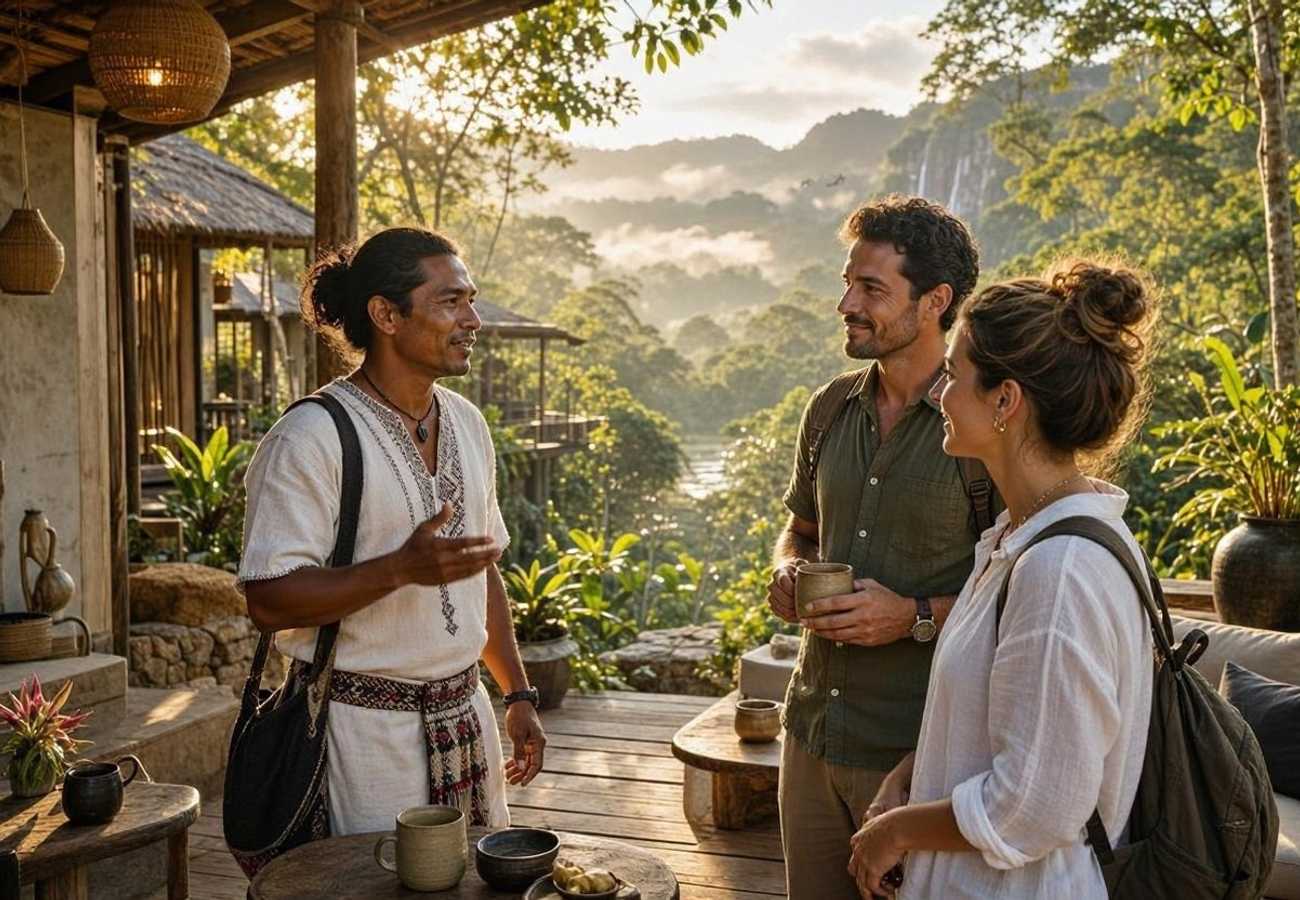
Image generated by AI
[Mexico City, November 20, 2026] — The Mexican ecotourism market is on a trajectory for massive expansion, with valuations projected to reach USD 9,291.0 million by 2034. This surge marks a decisive shift away from traditional mass-tourism hubs like Cancún and Cabo San Lucas toward inland, conservation-focused experiences.
According to data from the IMARC Group, the sector was valued at USD 3,674.0 million in 2025. Between 2026 and 2034, the market is expected to maintain a compound annual growth rate (CAGR) of 10.53%. This growth is fueled by a combination of increased capital investment in green infrastructure and a global rise in climate-conscious travel.
The Catalyst for Green Growth
The immediate driver of this expansion is the convergence of Mexico's "megadiverse" status and a fundamental change in consumer behavior. Modern travelers are increasingly rejecting passive sightseeing in favor of transformative experiences that provide direct funding for wildlife preservation and rural economic development.
Investment is currently flooding into "green hospitality." This includes the construction of solar-powered eco-lodges, low-impact glamping sites, and off-grid research stations. By integrating these facilities into the natural landscape, Mexico is positioning environmental preservation as a primary economic pillar.
Regional Market Breakdown and Key Destinations
The growth is not centralized but distributed across three primary geographical zones, each offering distinct ecological appeals.
Ecotourism Distribution by Region
| Region | Primary Destinations | Key Attractions | Primary Activity |
|---|---|---|---|
| Northern Mexico | Chihuahua, Baja California | Copper Canyon, Sea of Cortez | Trekking, Whale Watching |
| Central Mexico | Michoacán, Querétaro | Sierra Gorda, Monarch Butterfly Sanctuaries | Wildlife Observation, Hiking |
| Southern Mexico | Oaxaca, Chiapas, Yucatán | Calakmul, Lacandon Jungle, Sian Ka’an | Cultural Immersion, Biodiversity Tours |
In the south, the focus remains on the Secretaría de Turismo (SECTUR) priorities of community-based tourism. In areas like the Sian Ka’an Biosphere Reserve and the El Vizcaíno Whale Sanctuary, strict regulatory oversight is being used to balance visitor numbers with habitat protection.
What This Means for Travelers
For the average tourist, the "green pivot" in Mexico changes how trips are planned, booked, and experienced.
1. Shift in Booking Channels While high-end, complex expeditions into remote areas like Montes Azules still rely on boutique agencies, there is a surge in direct-to-community digital portals. Travelers can now book directly with indigenous cooperatives in Puebla and Yucatán, ensuring more revenue stays local.
2. New Entry Requirements To prevent the over-tourism seen in Playa del Carmen and Tulum, many reserves are implementing enforceable entry quotas and digital permits. Travelers should expect more rigid booking windows for protected areas.
3. Experience-Based Itineraries Tourism is moving toward "active participation." This includes learning ancestral herbal medicine, traditional agroforestry, and artisanal crafts directly from indigenous guides rather than visiting curated museums.
4. Demographic Shifts While North American and European markets remain high-spenders, domestic tourism from Mexico City, Guadalajara, and Monterrey is the fastest-growing segment. This is increasing competition for weekend slots at nature retreats.
The Path to 2034
The transition toward regulated ecotourism is designed to reverse the environmental damage caused by rapid coastal urbanization. By assigning a direct economic value to intact ecosystems—such as living jaguar habitats or healthy coral reefs—the Mexican government and local stakeholders are creating a financial incentive for conservation over deforestation.
The socio-economic impact is most evident in the Sierra Norte of Oaxaca and the Lacandon Jungle of Chiapas. By utilizing community-owned cabins and local naturalist guides, tourism revenue is funding local schools and healthcare clinics, reducing the necessity for rural-to-urban migration.
FAQ: Mexico Green Travel 2026
How do I book a community-led eco-tour in Mexico? Many indigenous cooperatives in Yucatán and Oaxaca now offer direct online booking. Alternatively, use certified sustainable travel agencies that specialize in "community-based tourism" to ensure funds reach local residents.
Are there limits on visiting protected reserves? Yes. Areas like Sian Ka’an and other biosphere reserves are increasingly using digital permits and daily entry quotas to prevent environmental degradation. It is recommended to book these permits weeks in advance.
What is the difference between a standard resort and an eco-lodge in Mexico? Eco-lodges focus on low-impact infrastructure (such as solar power and waste reduction) and are typically managed by or in partnership with local communities, focusing on conservation rather than luxury amenities.
Which region is best for wildlife viewing? Central Mexico is premier for Monarch butterflies in winter, while Northern Mexico (Baja California) is the hub for grey whale watching. Southern Mexico offers the highest overall biodiversity for rainforest and marine life.
Mexico is proving that a living forest is worth more than a cleared one.
Related Travel Guides
This article is for informational purposes. Flight routes, passenger regulations, visa rules, and transit advisories are subject to change by airlines and aviation authorities. Readers are advised to verify schedules and travel documentation with relevant carriers and border agencies before departure.
Related Stories

Phuket Luxury Tourism Surge 2026: High-Net-Worth Arrivals and New Aviation Routes
Spain's Mallorca Transformation: Calvià Launches 2026-2030 Plan to End Seasonal Tourism