
Shanghai Follows Beijing and Other Leading Cities as Tanzania Safari Travel Expands in Northern Serengeti
Shanghai Follows Beijing and Other Leading Cities as Tanzania Safari Travel Expands in Northern Serengeti

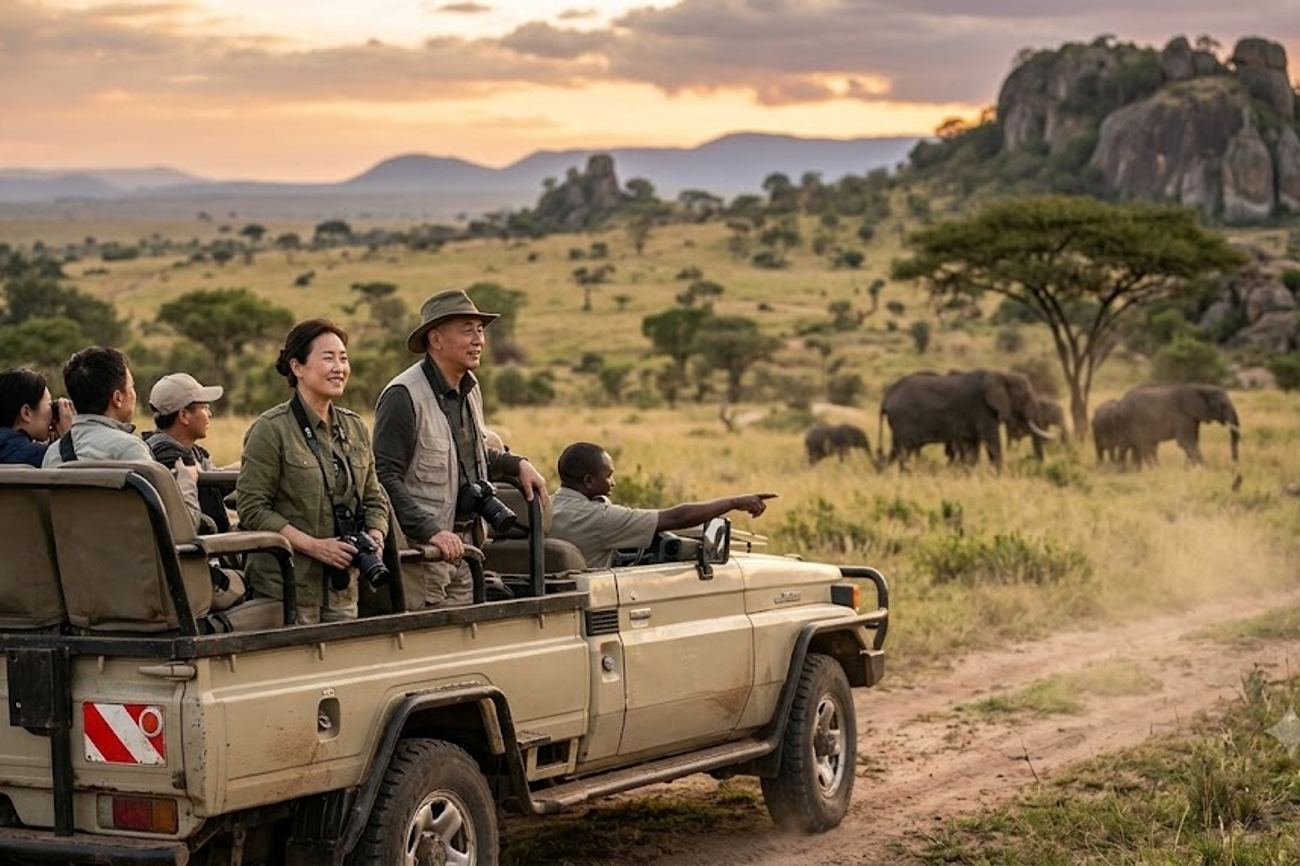
Image generated by AI
[Dar es Salaam, September 2026] — Tanzania is experiencing a massive surge in high-net-worth arrivals from China, with travelers from Beijing and Shanghai aggressively pivoting toward luxury overland tours and wildlife conservation experiences in the Serengeti.
This shift marks a fundamental realignment of East African tourism, which has historically relied on European and North American markets. According to 2026 data, affluent Chinese citizens are abandoning traditional urban sightseeing in favor of nature-based, experiential journeys. This trend is the result of targeted government marketing, deep-rooted diplomatic ties, and a post-pandemic psychological shift among East Asia's wealthiest urbanites seeking ecological sanctuary.
The Catalyst for Asian Market Expansion
The current influx of visitors is not accidental but the result of a calculated strategic offensive by the Tanzanian government. The Ministry of Natural Resources and Tourism has shifted its primary focus toward the Chinese mainland to diversify its foreign exchange sources.
Central to this growth was a series of high-impact roadshows conducted in early to mid-2026 across Guangzhou, Shanghai, and Beijing. These events leveraged the promotional film "Amazing Tanzania" to secure high-value contracts between top-tier Chinese travel agencies and Tanzanian destination management companies. Rather than focusing on mass tourism, these summits targeted the "digital gatekeepers" of the Chinese market—influencers on platforms such as WeChat and Xiaohongshu—to create an authentic narrative of luxury and exclusivity.
Furthermore, this tourism boom leans on the historical foundation of the TAZARA railway project from the 1970s. This legacy of bilateral cooperation has created a level of geopolitical trust that makes Tanzania a "safe" and welcoming long-haul destination for Chinese nationals.
Markets and Demographics Impacted
The shift in visitor profiles is creating a ripple effect across the Tanzanian hospitality and aviation sectors. The following groups and regions are seeing the most significant impact:
- Primary Source Cities: Beijing and Shanghai are now the dominant origins for Chinese visitors, providing a steady stream of high-net-worth individuals (HNWIs).
- Destination Hubs: The Serengeti remains the primary draw, followed by Mount Kilimanjaro and the Zanzibar archipelago.
- Service Providers: Luxury eco-camps and premium lodges are seeing increased occupancy, as these travelers bypass budget options in favor of bespoke, private-guided itineraries.
- Aviation Sector: There is a rising demand for private charter flights that transport guests directly into the Serengeti, bypassing lengthy overland transfers.
- Conservation Efforts: Wildlife tourism and conservation initiatives are receiving increased funding and visibility due to the Chinese market's growing interest in ecological preservation.
What This Means for Travelers
For the average traveler or those currently booking trips to East Africa, this shift in demographics translates to several tangible changes in the ground experience:
Increased Luxury Infrastructure The influx of wealthy Asian travelers is accelerating the development of ultra-luxury infrastructure. Travelers can expect more high-end eco-lodges and gourmet dining options within the Serengeti, as operators upgrade facilities to meet the exacting standards of Beijing and Shanghai's elite.
Shift in Tour Availability As destination management companies sign exclusive contracts with Chinese agencies, some "standard" safari slots may become limited during peak seasons. Travelers are encouraged to book bespoke packages earlier than usual to avoid displacement by large-scale luxury blocks.
Enhanced Conservation Focus Visitors will likely notice a stronger emphasis on "green" tourism. Because the new wave of Chinese tourists prioritizes wellness and ecological purity, there is a systemic push toward sustainable tourism practices that benefit the local wildlife and environment.
Logistical Streamlining The demand for seamless, high-end logistics—such as private charters and expert-led private tours—is becoming the new industry standard in Tanzania, potentially improving the overall quality of service for all international visitors.
Future Outlook and Infrastructure Development
Looking ahead, the Tanzanian government is doubling down on its partnership with China to further develop eco-tourism infrastructure. The goal is to move beyond simple sightseeing and establish Tanzania as a global leader in sustainable luxury travel.
Expect continued investment in the "green" corridor of the Serengeti, with new regulations likely emerging to balance the increase in high-net-worth visitors with the necessity of wildlife preservation. The Tanzania Tourist Board is expected to expand its roadshow model to other Tier-1 cities in Asia to further diversify the arrival base.
As the market matures, the integration of digital payment systems and Chinese-language concierge services will likely become standard across all major Tanzanian safari hubs to accommodate the specific preferences of the East Asian demographic.
FAQ: Tanzania Safari Trends 2026
Why are more Chinese tourists visiting Tanzania now? A combination of aggressive marketing roadshows in 2026, a post-pandemic preference for nature over urban travel, and long-standing diplomatic ties has made Tanzania a premier destination for affluent travelers from Beijing and Shanghai.
How does this affect the cost of safaris? The rise in demand for ultra-luxury, bespoke packages and private charters is pushing the market toward a premium model. While budget options still exist, there is a significant increase in high-end, expensive eco-lodges.
Is the Serengeti becoming too crowded? Tanzania is focusing on "high-value, low-impact" tourism. By targeting high-net-worth individuals who stay in exclusive eco-camps, the government aims to increase revenue without exponentially increasing the number of physical visitors.
What are the best ways to book these new luxury tours? Travelers should look for destination management companies that specialize in "bespoke" or "private-guided" itineraries, as these are currently the primary products being developed for the high-end Asian market.
The Serengeti is no longer just a European haunt; it is the new frontier for Asia's elite.
#TanzaniaTourism2026 #SerengetiLuxury #ChinaTanzaniaTravel #BeijingShanghaiTravel #WildlifeConservation2026 #EastAfricaEcoTourism
Related Travel Guides
Disclaimer
This article is for informational and educational purposes only. It does not constitute legal, financial, or professional advice. While we strive to provide accurate and up-to-date information, travel policies, regulations, and conditions change rapidly. Always verify information with official sources before making travel decisions. Nomad Lawyer makes no representations about the accuracy, reliability, completeness, or suitability of the information provided. Readers should consult qualified professionals for advice specific to their circumstances. The views expressed in this article are those of the author and do not necessarily reflect the views of Nomad Lawyer.
Raushan Kumar
Founder & Lead Developer
Full-stack developer with 11+ years of experience and a passionate traveller. Raushan built Nomad Lawyer from the ground up with a vision to create the best travel and law experience on the web.
Learn more about our team →