
Saudi Arabia Visa Update: Nusuk Rules Unlock 365 Days of Umrah Flexibility
The Saudi Ministry of Hajj and Umrah introduces a 365-day multiple-entry visa via the Nusuk platform, simplifying pilgrimage travel for 2026.

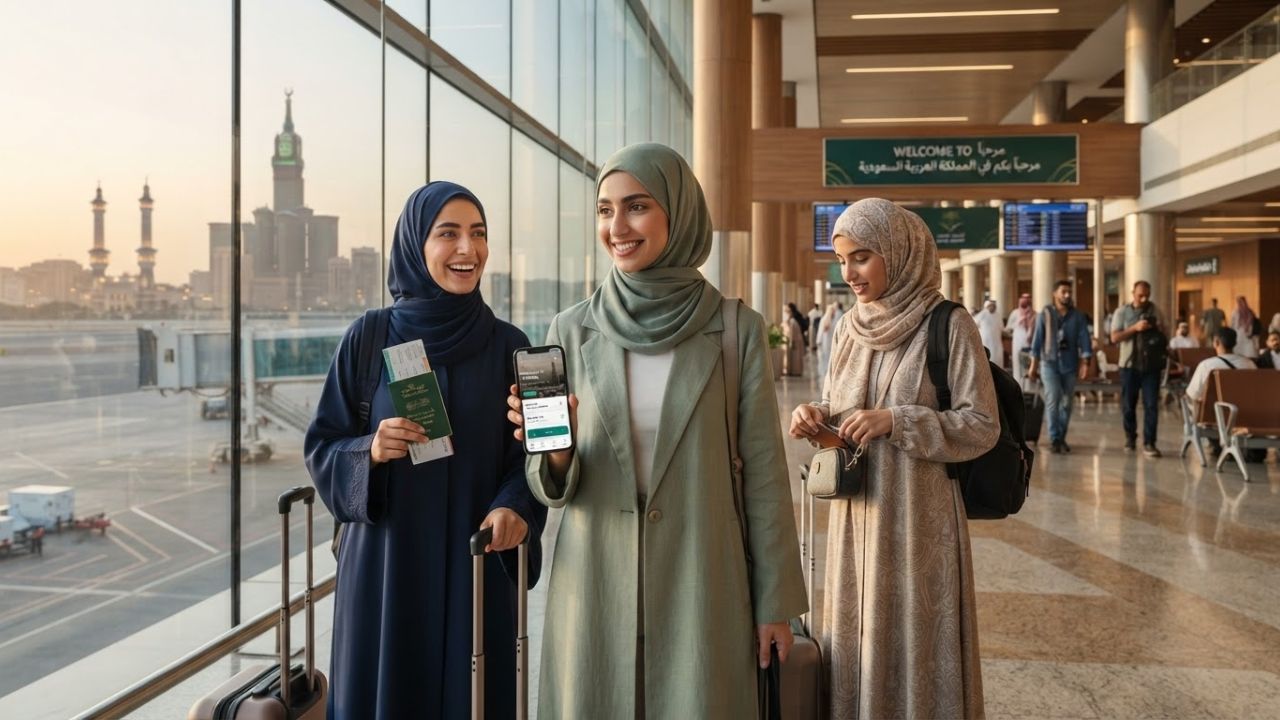
Image generated by AI
The Saudi Ministry of Hajj and Umrah has introduced a multiple-entry visa valid for 365 days, simplifying pilgrimage travel and religious tourism under the Saudi Vision 2030 framework in 2026. Administered through the digital Nusuk platform, this policy provides worshippers with a cumulative stay of up to 90 days.
The Nusuk Digital Architecture: Operational Guidelines
The religious tourism sector in the Middle East is experiencing a transition as digital platforms streamline administrative procedures for international visitors. Worshippers preparing to travel to Saudi Arabia must coordinate their entry requirements using the official Nusuk portal, which serves as a central hub for pilgrimage logistics.
By establishing these seasonal travel corridors, the airline's management aims to support both business and leisure travel flows. Corporate travelers and travel agencies, which maintain strong relationships with global destination management organizations, benefit from direct seat capacity. This economic integration supports the travel sector, providing service providers with a reliable channel for high-value bookings.
By establishing these seasonal travel corridors, the airline's management aims to support both business and leisure travel flows. Canadian corporate travelers and travel agencies, which maintain strong relationships with European and Asian destination management organizations, would benefit from direct seat capacity. This economic integration supports the travel sector, providing service providers with a reliable channel for high-value bookings.
This localized disruption also offers a unique opportunity for duty-free retailers and terminal operators to design services suited for stranded passengers. By monitoring passenger comfort levels during long delays, airport customer teams can provide complimentary amenities to ensure guest satisfaction. This proactive approach helps build traveler confidence, ensuring that regional transit routes remain competitive with global hub standards.
Under the new visa rules, visitors can obtain a multiple-entry visa valid for 365 days from the date of issuance. This visa allows a cumulative stay of up to 90 days in the country within the year. It is important to note that the 90-day limit is aggregated across all trips rather than allocated per individual visit.
To use the Nusuk platform, visitors must purchase a mandatory Umrah service package through a licensed provider and secure an official Umrah permit via the application before arriving in Makkah. Upon departure, the visa deactivates automatically, reactivating once entry requirements are met for subsequent visits.
Modernizing Pilgrimage Logistics for Saudi Vision 2030
The introduction of the one-year multiple-entry visa is a key part of the Pilgrim Experience Program, a core initiative of the Saudi Vision 2030 development plan.
This localized disruption also offers a unique opportunity for duty-free retailers and terminal operators to design services suited for stranded passengers. By monitoring passenger comfort levels during long delays, airport customer teams can provide complimentary amenities to ensure guest satisfaction. This proactive approach helps build traveler confidence, ensuring that regional transit routes remain competitive with global hub standards.
Previously, international worshippers faced administrative bottlenecks, requiring separate visa applications for each individual trip to the holy sites. This administrative burden created delays and limited flexibility for travelers who wished to perform Umrah multiple times a year.
By establishing a year-round, digital visa system, the Ministry aims to manage the growing numbers of international visitors. This streamlined approach reduces procedural barriers, making the pilgrimage process more accessible for global worshippers while supporting the development of the Kingdom's tourism infrastructure.
The Hajj Season Pause Window: Regulatory Boundaries
While the 365-day visa provides greater flexibility throughout the year, it remains inactive during the Hajj season to manage crowd volumes at the holy sites.
This environmental focus is supported by regional climatologists and conservationists who monitor ecosystem health. By tracking tourist footprint signals, managers can ensure that natural areas remain protected. The integration of carrying-capacity policies with wilderness trails demonstrates how tourism planning can protect biodiversity while offering high-quality educational hikes.
The visa is paused annually from the first of Dhu Al-Qi’dah to the 13th of Dhu Al-Hijjah. Worshippers cannot use this visa to enter Makkah or perform pilgrimage activities during this designated window. This temporary pause helps maintain a clear distinction between Hajj and Umrah operations, ensuring that the heavy visitor volumes during the Hajj are managed through dedicated pilgrim quotas and specialized entry permits.
For visitors, the real impact is the need to plan itineraries carefully around this annual pause window to avoid travel disruptions.
Community Support and Sustainable Crowd Management
Integrating pilgrimage services through a digital platform allows authorities to implement sustainable crowd management practices in the holy cities of Makkah and Madinah.
This localized culinary focus also offers a unique opportunity for restaurant associations and culinary schools to design programs suited for premium travelers. By monitoring passenger dining preferences during long stays, local chefs can provide customized dishes to ensure guest satisfaction. This proactive approach helps build traveler confidence, ensuring that Canadian urban dining remains competitive with global culinary standards.
By tracking permit issuance and arrival schedules through the Nusuk app, the Ministry can monitor pedestrian density in the Grand Mosque corridors. This digital crowd control helps prevent overcrowding, reducing wear on historical infrastructure and improving safety for all visitors.
Additionally, the platform supports the local economy by directing visitor bookings to registered hospitality providers, local transport operators, and licensed dining venues. This integrated model ensures that tourism revenue supports the communities surrounding the holy sites.
Visitor Guide: Local Specialties, Transit Hubs, and Platform Registration
Planning an Umrah trip involves registering on the Nusuk app, arranging transit, and researching local guidelines. By taking a structured approach, travelers can prepare for a comfortable journey.
Sample traditional Hijazi culinary specialties during your stay. Try Kabsa, a traditional Saudi dish of spiced rice served with chicken or lamb, at local restaurants in Makkah. Order Mutabbaq, a pan-fried folded flatbread stuffed with minced meat, eggs, and vegetables, from local eateries, and enjoy fresh dates served with traditional Arabic gahwa (cardamom coffee).
Utilize the Haramain High-Speed Railway for intercity travel. The high-speed rail line connects King Abdulaziz International Airport (JED) in Jeddah, Makkah, and Madinah. You can book train tickets directly through the official Haramain website or within the integrated transport section of the Nusuk app. Ensure your travel tickets are synchronized with your digital profile.
Follow the step-by-step Nusuk registration process. Download the official Nusuk application on your smartphone. Register as a visitor using your passport details, receive the OTP code to verify your account, and upload your digital photograph and health insurance documents. Link your verified hotel bookings directly to the app dashboard before submitting your permit application.
Future Outlook: Rebuilding a Resilient Holy Corridor
The long-term development of religious tourism in Saudi Arabia depends on expanding transport infrastructure and implementing sustainable resource management. The Royal Commission for Makkah City and Holy Sites and the Ministry of Tourism are collaborating to support regional development.
Sustainable initiatives include building solar energy arrays to power ventilation systems in the holy sites, implementing water reclamation networks to manage resource usage in hotels, and developing electric bus transit lanes to reduce vehicle emissions around the Grand Mosque. By combining digital management tools with sustainable infrastructure planning, the Kingdom aims to protect its heritage sites, securing a sustainable future for international pilgrims.
Related Travel Guides
Disclaimer
This article is for informational and educational purposes only. It does not constitute legal, financial, or professional advice. While we strive to provide accurate and up-to-date information, travel policies, regulations, and conditions change rapidly. Always verify information with official sources before making travel decisions. Nomad Lawyer makes no representations about the accuracy, reliability, completeness, or suitability of the information provided. Readers should consult qualified professionals for advice specific to their circumstances. The views expressed in this article are those of the author and do not necessarily reflect the views of Nomad Lawyer.
Kunal K Choudhary
Co-Founder & Contributor
A passionate traveller and tech enthusiast. Kunal contributes to the vision and growth of Nomad Lawyer, bringing fresh perspectives and driving the community forward.
Learn more about our team →