Spain's Mallorca Transformation: Calvià Launches 2026-2030 Plan to End Seasonal Tourism

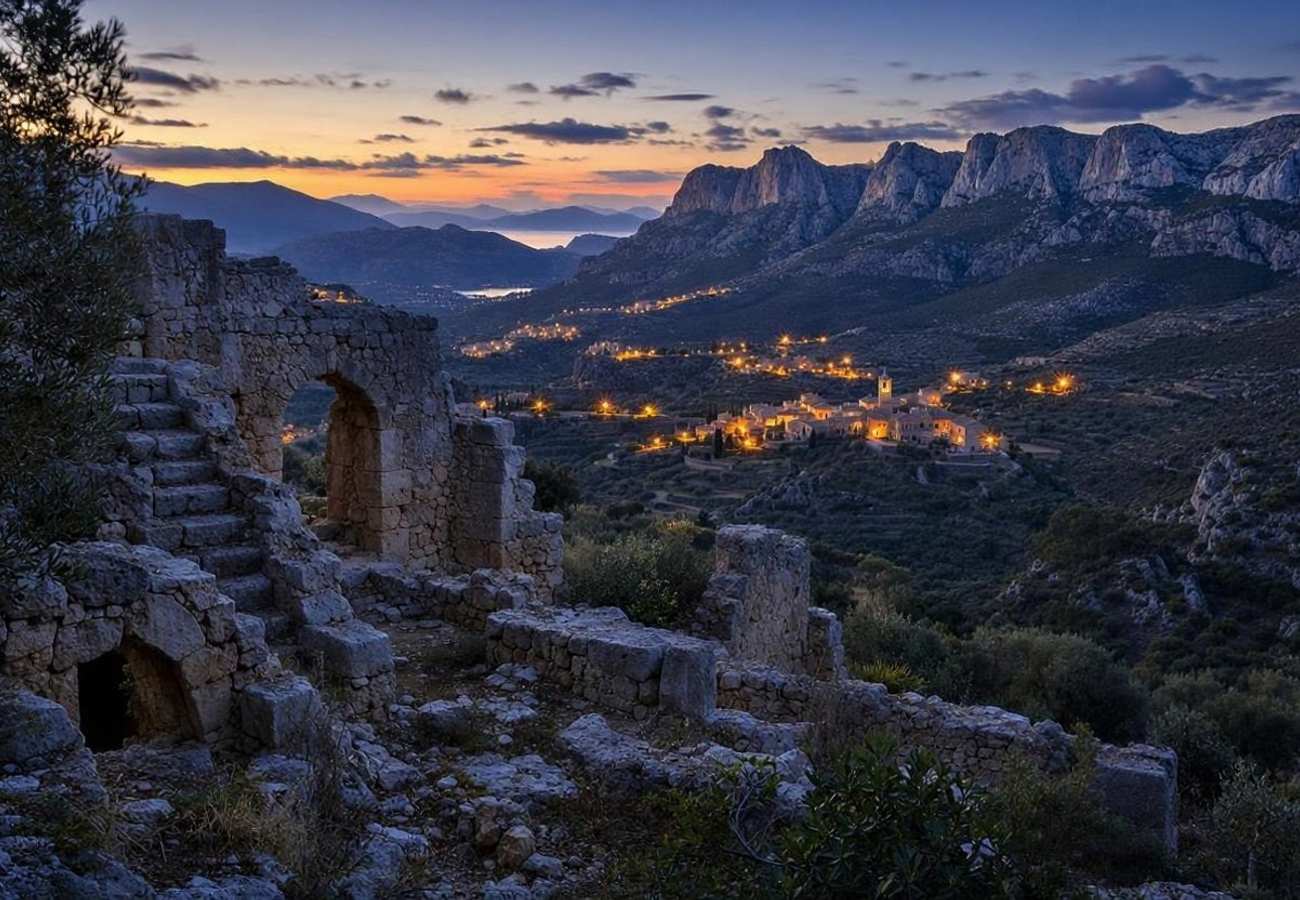
Image generated by AI
Calvià is currently home to 51,330 hotel rooms, yet for decades, the region has suffered from a binary existence: absolute saturation in July and ghost-town silence by November. To break this cycle, Mayor Juan Antonio Amengual has implemented a binding 2026–2030 Strategic Tourism Plan, backed by a €20 million investment in urban renewal, designed to transform the southwestern edge of Mallorca into a genuine four-season destination.
The Shift from Sun-and-Sand to Four-Season Appeal
For the average traveler, Calvià has long been synonymous with the high-energy strips of Magaluf or the family-centric shores of Peguera and Santa Ponça. However, the local government is now aggressively diversifying its appeal. The new roadmap consists of 48 specific actions organized across five strategic pillars, moving the focus away from sheer visitor volume and toward high-value, culturally engaged tourism.
The goal is to attract visitors who are interested in more than just a tan. By integrating international business conferences, winter cycling camps, and Balearic gastronomy, the municipality aims to stabilize the local economy. This ensures that hospitality workers and small business owners no longer face the precarious "boom or bust" cycle of the Mediterranean summer. For those planning a trip, this means the region is becoming increasingly viable for autumn and spring visits, offering a quieter, more authentic experience of the Balearic Islands.
What Makes Calvià’s New Vision Different
Unlike generic tourism upgrades, Calvià is investing heavily in its inland identity. The strategy leverages the region's prehistoric and natural assets to pull people away from the shoreline and into the foothills of the Serra de Tramuntana.
Key infrastructure projects include the restoration of the Torrenova coastal watchtower (slated for completion by 2027) and the opening of the 1,400-hectare Galatzó estate near Es Capdellà. Visitors can now explore 3,000-year-old Talayotic ruins and the 45-hectare Puig de Sa Morisca park, providing a stark contrast to the neon lights of the beach resorts. This shift toward "slow tourism" is supported by a partnership with consultancy Amundsen and a collaborative effort involving local residents to ensure the island's character isn't erased by modernization.
Calvià Development Timeline and Investment
The transformation is not happening overnight but through a disciplined, phased rollout.
| Phase | Timeline | Primary Focus | Key Deliverables |
|---|---|---|---|
| Phase 1 | 2026 | Administrative Foundation | Regulatory groundwork and initial urban works |
| Phase 2 | 2027 | Product Packaging | Certification of gastronomy and sports offerings; Torrenova tower restoration |
| Phase 3 | 2028 | Global Marketing | Digital rebranding targeting UK, Germany, Scandinavia, and North America |
| Phase 4 | 2029 | Smart Management | Environmental monitoring and governance systems |
| Phase 5 | 2030 | Evaluation | Outcome measurement and strategy adaptation |
Visitor Insider Tips
If you are planning to visit Calvià during this transition, avoid the traditional tourist traps and lean into the new "inland" push.
- Base Yourself Wisely: While Magaluf is for the party crowd, look toward Portals Nous or Illetes for a more refined, local feel. For those seeking the new "slow" experience, stay near Es Capdellà to be closer to the Galatzó estate.
- Timing the Visit: The "sweet spot" for visiting is now shifting toward October and April. You will find the cycling trails and mountain paths manageable in temperature, and the local gastronomy—specifically the olive oils and wines—is best experienced during the harvest and early winter seasons.
- Transport Hack: To explore the Talayotic ruins and the Serra de Tramuntana foothills, rent a vehicle or use local shuttles. The coastal promenades are walkable, but the true cultural gems are inland and require more intentional travel.
- Local Etiquette: As Calvià moves toward a more respectful coexistence between residents and guests, be mindful of noise levels and water usage, especially in the smaller inland villages where resources are more limited than in the large resorts.
Cultural and Environmental Context
The tension between mass tourism and local livability is a recurring theme across Spain. In Mallorca, this has manifested as concerns over housing availability and the strain on water systems during the summer peak. Calvià's plan is a direct response to these pressures.
By spreading visitors across twelve months rather than three, the municipality reduces the peak-season burden on public services. The focus on UNESCO-adjacent landscapes and the protection of the Galatzó estate suggests a move toward environmental stewardship. The inclusive nature of the plan—which involved neighborhood associations and hospitality workers—aims to ensure that the €20 million investment benefits the people who live there year-round, not just the international hotel chains.
FAQ: Visiting Calvià 2026-2030
What is the best time to visit Calvià now? While summer remains popular for beaches, the best time for cultural and nature exploration is now spring (March-May) and autumn (September-November), when the inland trails and ruins are less crowded.
How do I get to Calvià from Palma? Calvià is located on the southwestern coast. The most efficient way is via taxi or rental car from Palma de Mallorca Airport (PMI), typically a 25-30 minute drive depending on the specific resort.
Is Calvià safe for solo travelers? Yes, it is very safe. The region is well-policed and geared toward international tourism. The new focus on walking trails and public parks makes it an excellent spot for solo hikers and explorers.
Do I need a visa for Mallorca? Mallorca is part of Spain and the Schengen Area. Most visitors from the US, Canada, and UK do not need a visa for short stays, but always check the latest official Spanish government requirements.
The Mediterranean is no longer just a summer dream; it is becoming a year-round sanctuary.
Related Travel Guides
This article is for informational purposes. Flight routes, passenger regulations, visa rules, and transit advisories are subject to change by airlines and aviation authorities. Readers are advised to verify schedules and travel documentation with relevant carriers and border agencies before departure.
Related Stories

Phuket Luxury Tourism Surge 2026: High-Net-Worth Arrivals and New Aviation Routes
Mexico Ecotourism Market Projected to Hit USD 9.29 Billion by 2034 as Green Travel Surges