
Saudi Arabia Imposes Strict New Accommodation Standards for Hajj 2027
Saudi Arabia launches a new accommodation classification system for Hajj 2027, introducing economy and first-class standards and multi-stage audits.

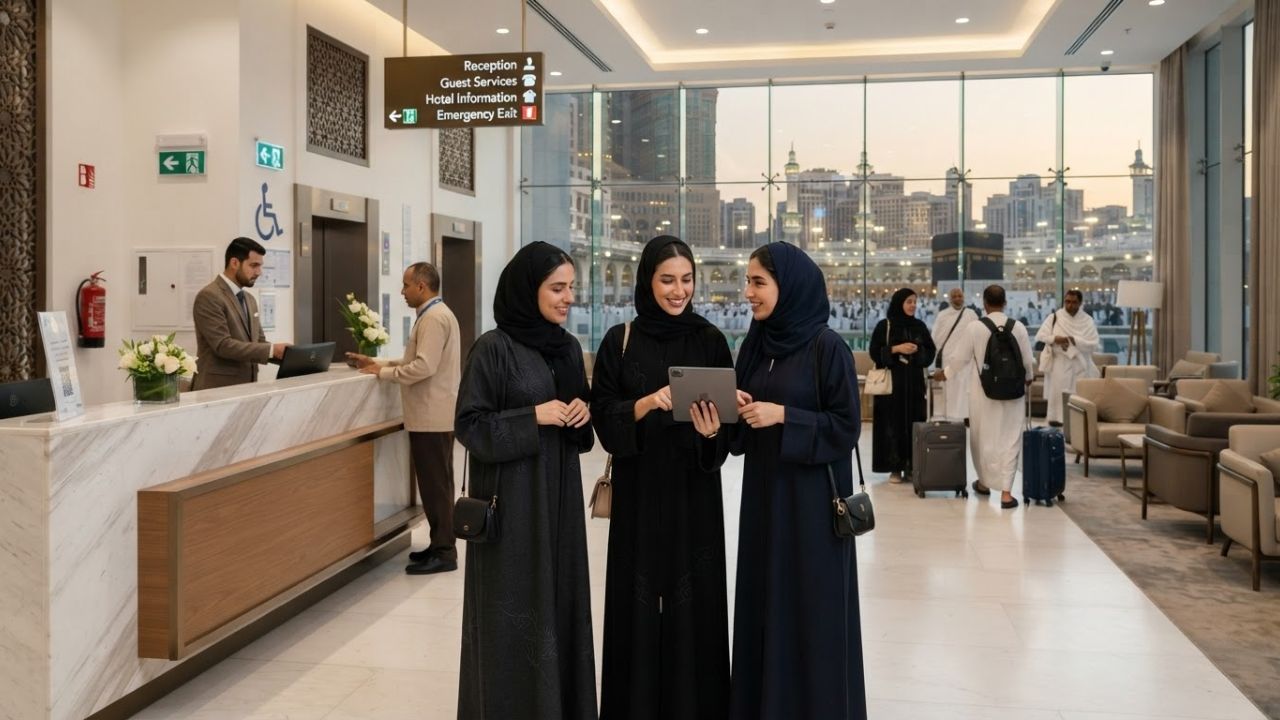
Image generated by AI
Saudi Arabia is implementing a rigorous new hospitality framework for the Hajj 2027 pilgrimage season, introducing strict dual-class accommodation categories and mandatory multi-stage inspections in Mecca and Medina.
New Hospitality Standards: Economy and First-Class Classifications
The Saudi Ministry of Hajj and Umrah has updated hospitality regulations ahead of the Hajj 2027 pilgrimage season. Under this updated system, all accommodation facilities designated for pilgrims in Mecca and Medina will be classified into two distinct categories: economy and first class.
Each classification carries specific, mandatory requirements detailing service levels, structural maintenance, and guest room amenities. This structured categorization aims to ensure that accommodation services are aligned with established safety codes and that providers offer transparent pricing and quality parameters for global travelers.
Rigorous Safety, Cleanliness, and Service Continuance
The revised regulations place severe emphasis on structural safety and the maintenance of essential utilities. Providers must verify that guest rooms, common spaces, and reception areas meet strict cleanliness and hygiene codes before receiving licenses.
Sustaining essential services—such as electrical systems, air conditioning, and water supply—is a vital part of the new framework. Properties that fail to meet these requirements during inspections risk facing immediate regulatory penalties under a revised violations system.
To enforce these standards, authorities will conduct multi-stage inspections before and during the pilgrimage season. This continuous oversight replaces single-assessment licensing, requiring hospitality operators to execute maintenance tasks and prepare their facilities early.
Environmental Initiatives and Sustainable Community Support
The new accommodation framework encourages providers to integrate sustainable practices within their facilities. Operators are urged to implement energy-efficient lighting, restrict single-use plastic water bottles inside guest rooms, and install water-saving systems in large ablution areas.
For the pilgrim, this represents an opportunity to participate in eco-friendly tourism. Travelers can support the local economy in Mecca and Medina by dining at family-run eateries, booking local transportation providers, and purchasing prayer mats and souvenirs from independent regional merchants.
Local Insider Travel Strategies
- Umrah Off-Peak Windows: For those planning an Umrah pilgrimage outside the main Hajj dates, consider visiting during Muharram or Safar (immediately following the Hajj season). During these months, crowd levels at the Holy Mosques decrease significantly.
- Cultural Etiquette: Modest dress, such as an abaya for women and appropriate attire for men, is mandatory in all public areas. Always ask permission before photographing worshippers, and keep mobile phone usage to a minimum inside the sacred boundaries.
- Local Culinary Specialties: Seek out local establishments to sample al-kabsa (spiced rice and chicken) or mutabbaq (pan-fried stuffed flatbread). Make sure to purchase authentic Ajwa dates in Medina, which are highly prized and paired with traditional cardamom-spiced Saudi Qahwa.
- Historical Hidden Gems: Visit the historical sites around Mount Uhud in Medina or explore the dates market near the Prophet's Mosque for an authentic regional shopping experience.
Long-Term Outlook for Pilgrimage Hospitality
These updated classifications and multi-stage inspections indicate a long-term shift toward structured, professional hospitality management. By raising safety standards and regulating room conditions, Saudi Arabia aims to build a more resilient infrastructure that can securely manage millions of incoming visitors, supporting Mecca and Medina as leading global centers of religious travel.
Related Travel Guides
Disclaimer
This article is for informational and educational purposes only. It does not constitute legal, financial, or professional advice. While we strive to provide accurate and up-to-date information, travel policies, regulations, and conditions change rapidly. Always verify information with official sources before making travel decisions. Nomad Lawyer makes no representations about the accuracy, reliability, completeness, or suitability of the information provided. Readers should consult qualified professionals for advice specific to their circumstances. The views expressed in this article are those of the author and do not necessarily reflect the views of Nomad Lawyer.
Raushan Kumar
Founder & Lead Developer
Full-stack developer with 11+ years of experience and a passionate traveller. Raushan built Nomad Lawyer from the ground up with a vision to create the best travel and law experience on the web.
Learn more about our team →