
Norway Inbound Tourism: Welcoming Urban Pride and Indigenous Sámi Heritages
Norway sees a record 40.6 million guest nights in 2025, setting the stage for progressive urban travel and community-led Indigenous Sámi tourism.

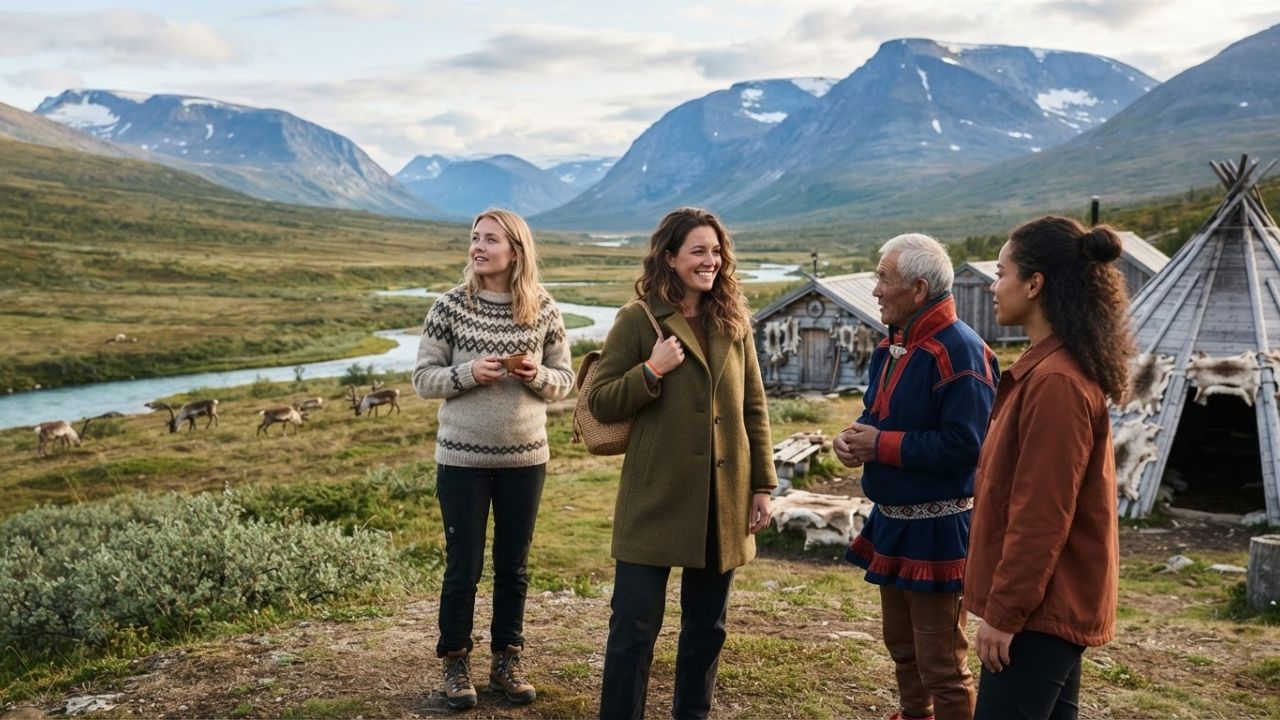
Image generated by AI
Commercial guest nights in Norway hit a historic high of 40.6 million in 2025, laying the foundation for a significant shift toward community-led Sámi cultural experiences and progressive equality standards in Sápmi and major cities.
Urban Acceptance and Decades of Legal Progress
Norway's appeal to visitors seeking safety and equality is grounded in historical legal milestones. Same-sex sexual activity was decriminalized in 1972, registered partnerships were introduced in 1993, and a gender-neutral marriage law took effect in 2009. These milestones shape the civil rights environment where international travelers book accommodation and explore cities.
In larger urban centers like Oslo, Bergen, and Trondheim, visible pride networks, community venues, and cultural organizations are well established. The Norwegian Government's Action Plan on Gender and Sexual Diversity 2023–2026 contains 49 measures focused on expanding acceptance and security. While urban centers offer an accessible starting point, the national policy also addresses ongoing challenges, including prejudice and discrimination, reminding travelers that progress requires consistent work.
Municipal tourism bodies in Oslo have integrated progressive safety directives into their public service guides. By working in partnership with local human rights organizations and the Norwegian Directorate for Children, Youth and Family Affairs (Bufdir), the city aims to provide transparent safety parameters for international queer visitors. This includes promoting minority-owned businesses and establishing clear protocols for reporting discrimination or hate speech.
In addition, the Norwegian capital features a wide range of cultural institutions that document queer history, including the National Archives and regional libraries. Travelers can visit these spaces year-round to understand how decades of social activism transformed public attitudes, helping to establish the high acceptance levels visible in modern Norway.
Sápmi Tourism: Self-Determination and Cultural Ownership
Traveling north into Sápmi—the ancestral homeland of the Sámi people spanning parts of Norway, Sweden, Finland, and Russia—reveals a distinct Indigenous culture. Sámi tourism is built upon language, culinary traditions, contemporary art, and reindeer husbandry. However, representing this heritage requires careful community ownership to prevent exploitation and preserve local control.
In accordance with Norway's national Arctic policy, public agencies consult directly with the Sámediggi (the Sámi Parliament) to strengthen cultural tourism. Responsible travel in northern communities like Tromsø, Alta, Karasjok, and Kautokeino means supporting Sámi-owned businesses, hiring local guides, and respecting intellectual property. Visitors should avoid treating traditional clothing (gákti) as a costume or using sacred symbols as commercial props.
The protection of Sámi heritage extends to authentic handicraft production, known as duodji. Authentic duodji items are made using traditional tools, natural materials like reindeer antler and birch wood, and patterns passed down through generations. To protect local makers from mass-produced imitations, the Sámi Parliament has established certification marks that verify the authenticity and community origin of the items.
Supporting certified duodji artisans is a direct way for visitors to contribute to local economic sustainability. Choosing these authentic items over cheap replicas ensures that cultural traditions remain financially viable for young Sámi makers, keeping regional artistic practices alive.
The Intersection of Minority Identities in the North
The intersection of diverse identities is particularly meaningful when addressing queer Sámi individuals. The national diversity action plan notes that young queer people of Indigenous backgrounds can face specific pressures within traditional settings, but role models are increasingly visible.
For the visitor, this intersection requires humility and respect. Rather than treating cultural identities as marketing tools, tourism businesses are encouraged to practice inclusion through staff training and non-binary booking options. Ground-based infrastructure, such as airport security protocols and hotel registration systems, must be designed to accommodate transgender and non-binary guests professionally.
Record-Breaking Visitor Statistics and Economic Impact
The expansion of these specialized travel segments coincides with high visitor demand across Norway. Statistics Norway reported a record 40.6 million commercial guest nights in 2025, representing a 5.2 percent increase over 2024. Foreign visitors accounted for 14.2 million of these nights, showing a strong 14 percent growth year-on-year.
European countries generated approximately 75 percent of all foreign guest nights, led by Germany with 2.6 million and followed by Sweden with 1.3 million. Asian markets also showed a notable expansion, contributing 1.2 million guest nights, which represents a 30 percent increase from 2024. The economic activity generated by these visitors supports regional accommodation, transport, and cultural sectors, especially in remote Arctic communities.
Sustainable Infrastructure and Responsible Travel Standards
The vast geography of Sápmi requires travelers to plan transportation carefully. While international flights land at major hubs like Oslo Airport (OSL), northern regions are accessed through regional gateways such as Tromsø Airport (TOS) or Alta Airport (ALF). The Norwegian government's infrastructure plan focuses on developing electric public transport networks, including zero-emission regional buses and hybrid coastal vessels, to minimize environmental impacts on fragile Arctic environments.
For the traveler, this means choosing low-impact transit options whenever possible. Booking travel through operators certified with the Sápmi Experience seal ensures that tours adhere to strict environmental guidelines, protecting herding pastures and preventing trail erosion in sensitive mountain environments.
Local Insider Travel Strategies
- When to Visit: The optimal window to visit Sápmi is during the autumn shoulder months of September and October. The terrain turns vibrant orange and gold—a phenomenon known locally as ruska—and travelers can view the aurora borealis without the extreme winter cold.
- Cultural Etiquette: Always request permission before taking photos of Sámi people, their homesteads, or their reindeer. Avoid touching the traditional gákti clothing, which carries family and regional significance.
- Local Culinary Specialties: Sample authentic Sámi dishes like biđus, a slow-cooked reindeer broth traditionally served at celebrations, or try finnbiff (shaved reindeer meat with lingonberries). In southern cities like Bergen, seek out fresh skrei (winter cod).
- Hidden Gems: Skip the main tourist trails in Tromsø and visit the village of Karasjok. It houses the beautiful Sámediggi (Sámi Parliament building) and the Sámi Museum, offering deep historical insights.
Long-Term Outlook for Sustainable Arctic Travel
Managing record visitor volume requires balancing economic development with ecological protection. Tourism development must respect Indigenous land rights, particularly in reindeer migration zones. By prioritizing community-owned operators, travelers ensure that local economies benefit directly from tourism growth, preserving both the natural environment and living heritage for future generations.
Related Travel Guides
Disclaimer
This article is for informational and educational purposes only. It does not constitute legal, financial, or professional advice. While we strive to provide accurate and up-to-date information, travel policies, regulations, and conditions change rapidly. Always verify information with official sources before making travel decisions. Nomad Lawyer makes no representations about the accuracy, reliability, completeness, or suitability of the information provided. Readers should consult qualified professionals for advice specific to their circumstances. The views expressed in this article are those of the author and do not necessarily reflect the views of Nomad Lawyer.
Raushan Kumar
Founder & Lead Developer
Full-stack developer with 11+ years of experience and a passionate traveller. Raushan built Nomad Lawyer from the ground up with a vision to create the best travel and law experience on the web.
Learn more about our team →