
GCC Micro-Travel Shift: Riyadh, Jeddah, and Dubai Pioneer Short-Stay Tourism for Gen Z and Millennials

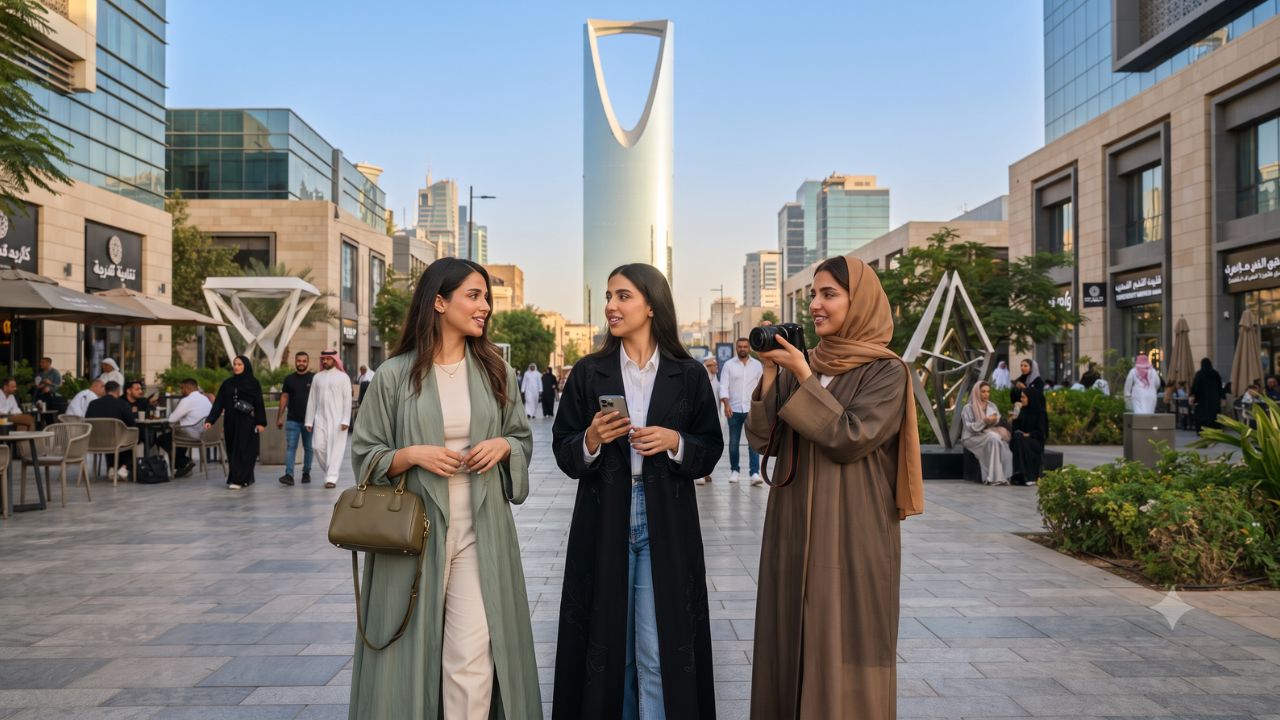
More than 52% of Gen Z travelers worldwide now embark on at least three leisure trips every year, with 56% actively paring down daily retail and transport expenses specifically to finance spontaneous mini-breaks. Across the Gulf Cooperation Council, this behavioral shift has ignited a major micro-travel movement, where 30% of Gen Z and Millennial explorers are replacing lengthy annual vacations with rapid 48-to-72-hour cross-border immersions linking Riyadh, Jeddah, Dubai, and Doha.
The rapid transformation of the Arabian Peninsula from a transit crossroads into a multi-stop weekend hub reflects deep structural and cultural adjustments across the region. Fuelled by national economic roadmaps including Saudi Arabia’s Vision 2030, the Dubai Economic Agenda (D33), Oman Vision 2040, and Qatar National Vision 2030, the GCC visitor sector generated $254.7 billion in total economic value during 2025 and sustains roughly 4.5 million regional jobs. Rather than booking static resort vacations, younger cohorts are leveraging high-speed regional flights, streamlined digital entry permits, and overhauled hospitality frameworks to treat neighboring metropolises as interconnected urban playgrounds.
Regulatory Overhauls and Cross-Border Integration Accelerate Short Stays
To accommodate surging appetite for experiential micro-travel, regulatory bodies across the Gulf have rolled out significant legislative reforms. In late September 2026, the Saudi Ministry of Tourism introduced a comprehensive restructuring of its tourism governance framework across four distinct pillars. The updated Travel and Tourism Services Regulation simplifies licensing for tour operators under a 180-day transition window, while the Tourist Guiding Regulation allows accredited local guides to contract directly with travelers for unscripted neighborhood walking tours.
Simultaneously, a revised Private Hospitality Units Regulation establishes a 90-day grace period for residential hosts to license short-term apartment rentals, while the Tourist Hospitality Facilities Regulation, scheduled to take effect in July 2027, establishes rigorous quality and safety audits for boutique hotels. On a regional scale, the rollout of unified GCC tourist visas alongside top-tier rankings on the 2026 Henley Passport Index—where GCC states occupy the top six positions in the Arab world—has made multi-country weekend itineraries practical for international arrivals and resident expatriates alike.
Intra-regional air capacity continues to expand rapidly. In Saudi Arabia, 33% of international flight segments in 2026 were operated by national carriers such as Saudia and Riyadh Air. With the King Salman International Airport (KSIA) targeting a Phase 1 capacity of 120 million passengers annually, and Dubai International Airport (DXB) maintaining record connectivity, short-haul flyers can reach major regional hubs within 90 to 120 minutes.
What Distinguishes the Modern Gulf Micro-Itinerary
The current generation of Gulf micro-travelers seeks high-density cultural and culinary immersion over traditional passive luxury. In historic districts like Al-Balad in Jeddah—a recognized UNESCO World Heritage Site—travelers weave through coral-stone merchant houses, open-air craft studios, and traditional tea houses before catching a one-hour flight to Riyadh for evening gallery openings in the JAX Arts District or dining in Bujairi Terrace overlooking At-Turaif.
The economic dynamics of this travel pattern are evident in recent official performance data. During the first quarter of 2026, Saudi Arabia recorded 37.2 million combined tourism trips (+8% year-on-year), powered by a 16% surge in domestic travel to 28.9 million journeys. While inbound international arrivals registered 8.3 million entries (-13% year-on-year), these international visitors accounted for 58% of total tourism spending despite representing just 22% of footfall, with average spend per inbound visitor climbing roughly 6%.
The broader outbound and regional leisure market tracked by IMARC Group reflects an estimated USD 82.1 billion valuation in 2026, projected to climb to USD 139.3 billion by 2034 at a compound annual growth rate of 6.84%. In addition, religious travel through the Nusuk digital ecosystem—which facilitated over 28 million Umrah pilgrims in 2025—has increasingly merged with leisure getaways, as visitors extend spiritual journeys into coastal excursions along the Red Sea and historical exploration across AlUla.
GCC Tourism Economic Scale and Sector Projections
The following table outlines core economic indicators, market projections, and trip distribution data across the Gulf region:
| Economic Indicator | 2025 Baseline | 2026 Current Metric | 2034 Long-Term Projection | Growth Dynamic |
|---|---|---|---|---|
| GCC Total Tourism Value | $254.7 Billion | Monitored | Long-term Expansion | Sector-wide diversification |
| GCC Outbound Market Size | $75.5 Billion | $82.1 Billion | $139.3 Billion | 6.84% Annual CAGR |
| Total Saudi Tourism Trips (Q1) | Baseline | 37.2 Million | N/A | +8% Year-on-Year |
| Saudi Domestic Trips (Q1) | Baseline | 28.9 Million | N/A | +16% Year-on-Year |
| Saudi Inbound Inflow (Q1) | Baseline | 8.3 Million | N/A | High spend (+6% per visitor) |
| Saudi Tourism Employment | 1.07 Million | Expanding | Vision 2030 Target (10% GDP) | +13.5% Annual Job Growth |
Visitor Insider Tips for 48-Hour City Breaks
Maximizing a short-stay weekend across Riyadh, Jeddah, or Dubai requires specific on-the-ground planning:
- Transit and Urban Mobility: Download Careem and Uber before arriving. In Riyadh, utilize the expanding Riyadh Metro network to bypass peak evening traffic along King Fahd Road between Olaya and the King Abdullah Financial District (KAFD). In Dubai, use the contactless Nol card on the Dubai Metro Red Line for swift transfers between DXB Airport, Downtown, and Dubai Marina.
- Timing and Evening Cultural Hours: Gulf cities come alive after sunset. Schedule outdoor heritage walks in Jeddah's Al-Balad or Riyadh's Souq Al-Zal between 5:00 PM and 10:00 PM when desert temperatures drop. Reserve tables for popular homegrown eateries on local digital booking apps at least three days in advance.
- Neighborhood Selection for Micro-Stays: For a 48-hour stay in Riyadh, base yourself in Al Olaya or As Sulimaniyah for immediate access to indie coffee shops, contemporary art spaces, and rapid airport highway links. In Jeddah, choose Al Hamra or the North Corniche to combine seaside walks with quick access to the historic core.
- Smart Booking and E-Visa Logistics: Secure your tourist e-visa via official portals before departure through Visit Saudi or Visit Dubai. Carry a credit card with zero foreign transaction fees, as contactless digital payments are universally accepted from roadside coffee stands to luxury boutiques.
Cultural Transformation and Environmental Responsibility
Younger travelers are driving a pronounced shift toward responsible, low-impact exploration. Mid-2026 research from Expedia Group revealed that 91% of Gen Z travelers factor social and environmental considerations into their booking decisions, with 94% willing to travel during shoulder periods to avoid site congestion and 83% endorsing site capacity restrictions to protect fragile heritage assets.
In response, major development corridors are embedding sustainability directly into operational standards. Developments along the Red Sea coast operate on 100% renewable energy grids, establishing benchmarks for low-carbon hospitality. Simultaneously, initiatives supporting creative entrepreneurship—such as the recent partnership between Emirates Airline and Dubai Chambers to integrate local small and medium enterprises into aviation supply chains—ensure that short-stay visitor spending directly supports regional artisans, independent culinary concepts, and local heritage guides.
By prioritizing authentic interaction, flexible digital lodging, and cultural preservation, the evolution of GCC micro-travel offers a sustainable blueprint for 21st-century exploration.
FAQ: Visiting the GCC for Micro-Travel in 2026
What is the best season for a 48-hour weekend getaway in the Gulf?
October through April provides ideal weather, with daytime temperatures averaging 22°C to 28°C across Riyadh, Jeddah, and Dubai, making it perfect for outdoor walking tours and open-air cultural events.
How quickly can travelers move between GCC cities?
Direct flights between Riyadh, Jeddah, Dubai, and Doha take between 75 and 120 minutes, with dozens of daily frequencies operated by regional carriers, enabling effortless multi-city weekend breaks.
Can international visitors stay in short-term residential apartments?
Yes. Under newly updated licensing regulations, private hospitality units and boutique short-term rentals must meet verified municipal safety and quality standards, making digital home-sharing widely accessible.
What should first-time visitors know about local dress codes?
Attire standards are relaxed but respectful in public spaces. Lightweight, modest clothing covering shoulders and knees is appropriate for walking through heritage quarters, shopping districts, and dining venues.
By trading long itineraries for spontaneous cultural weekenders, modern explorers are unlocking the living history and dynamic urban energy of the Arabian Gulf.
Related Travel Guides
Disclaimer
This article is for informational and educational purposes only. It does not constitute legal, financial, or professional advice. While we strive to provide accurate and up-to-date information, travel policies, regulations, and conditions change rapidly. Always verify information with official sources before making travel decisions. Nomad Lawyer makes no representations about the accuracy, reliability, completeness, or suitability of the information provided. Readers should consult qualified professionals for advice specific to their circumstances. The views expressed in this article are those of the author and do not necessarily reflect the views of Nomad Lawyer.
Raushan Kumar
Founder & Lead Developer
Full-stack developer with 11+ years of experience and a passionate traveller. Raushan built Nomad Lawyer from the ground up with a vision to create the best travel and law experience on the web.
Learn more about our team →