
Uzbekistan Unveils 30 New Tourism Zones by 2030: Master-Planned Infrastructure, Silk Road Expansion, and Arup Partnership
Uzbekistan launches a nationwide master-planning blueprint to develop 30 new tourism areas by 2030, pairing high-speed rail with sustainable alpine and desert resort hubs.

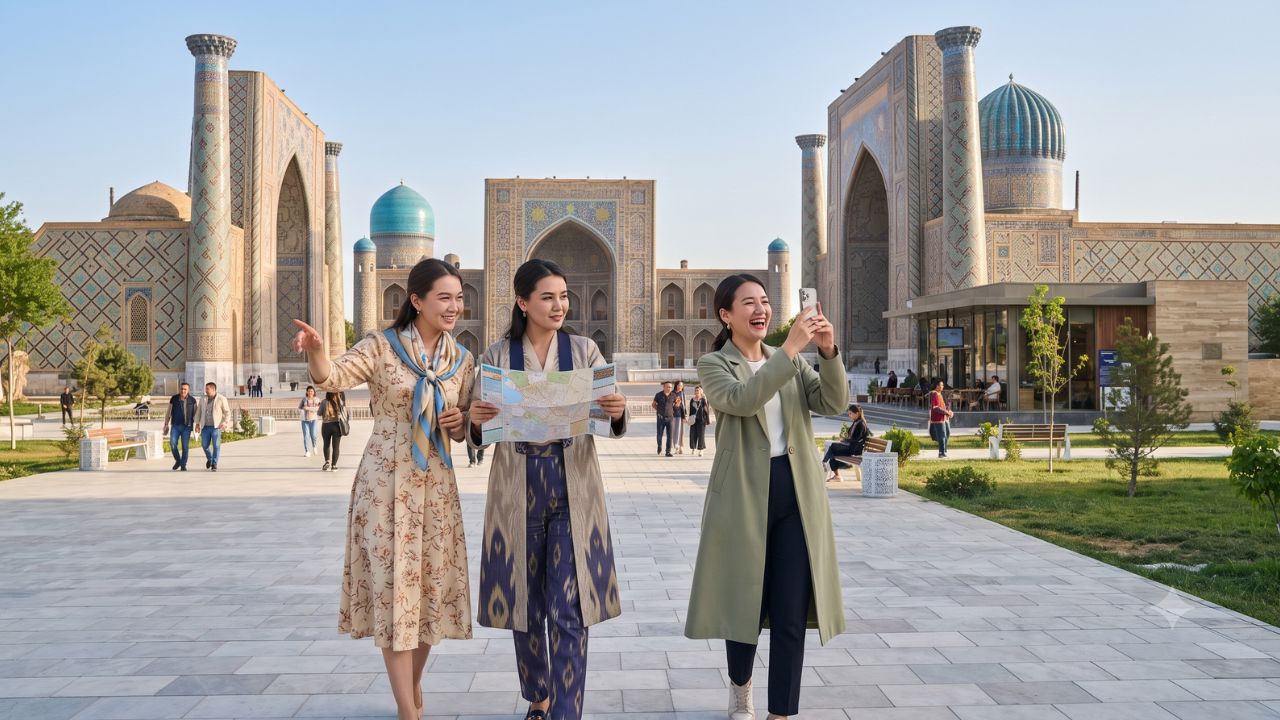
Rather than relying solely on the legendary Silk Road monuments of Samarkand, Bukhara, and Khiva, Uzbekistan has launched an ambitious nationwide strategy to develop 30 brand-new tourism destinations by 2030 through comprehensive, integrated master planning. Following a presidential decree establishing the Project Office for Tourism Infrastructure Development within the Tourism Committee, the government is partnering with international consulting and engineering group Arup to design complete visitor ecosystems from scratch.
The strategy marks a fundamental departure from fragmented tourism development. Instead of allowing hotels, attractions, and transport to be built piecemeal, every new zone will follow unified architectural blueprints that coordinate transport links, water and energy utilities, eco-resorts, public recreation corridors, and heritage protection before major construction begins.
Backed by national promotion through the Uzbekistan Official Tourism Portal, the initiative aims to expand visitor itineraries into the Tian Shan mountain valleys, pristine alpine lakes, desert yurt camps, and the ancient craft villages of the Fergana Valley.
The 2030 Blueprint: Building 30 Coordinated Tourism Hubs
The expansion strategy focuses on emerging destinations that possess immense cultural and natural assets but require modern access roads, electrified transit, and high-quality lodging to accommodate international travelers comfortably.
UZBEKISTAN 2030 TOURISM INFRASTRUCTURE ROADMAP
| Entity / Route | Metrics | Operational Status |
|---|---|---|
| Strategic Pillar | Key Development Focus | Institutional & Partner Lead |
| 30 New Tourism | Master-planned resort | Project Office for Tourism |
| Dedicated Zones | hubs, mountain parks, | Infrastructure Development |
| & craft villages | (Created by Presidential Res.) | |
| Global Engineering | Destination master | Proposed MoU with UK-based |
| & Urban Design | planning, transit | engineering consultancy Arup; |
| flows & sustainability | Tashkent office proposed | |
| Rail & Transport | Expanding Afrosiyob | Uzbekistan Railways; airport |
| Connectivity | high-speed electric | modernization across regional |
| network to Khiva | provincial gateways | |
| Environmental & | Water-saving utilities | Strict buffer zones around |
| Heritage Safeguards | & eco-friendly hotels | UNESCO historical monuments |
A dedicated state Project Office for Tourism Infrastructure Development, established in April, acts as the single coordinating authority across regional governments, utility providers, hotel developers, and international engineering firms. The pending Memorandum of Understanding (MoU) with UK-based Arup will bring global expertise in sustainable master planning, smart transit design, and environmentally resilient infrastructure directly to emerging regional projects.
What Makes Uzbekistan's Expanding Travel Map Different
Uzbekistan offers an extraordinary synthesis of turquoise-domed medieval madrassas, high-altitude alpine retreats, and ancient artisanal heritage.
Beyond the Classic Silk Road Cities
While first-time visitors naturally prioritize the majestic Registan Square in UNESCO World Heritage Centre listed Samarkand, the fortress walls of Ichan Kala in Khiva, and the ancient trading domes of Bukhara, the 30 new master-planned zones will highlight lesser-known geographic treasures:
- Chimgan and Amirsoy Mountain Enclaves: Modern year-round alpine resorts in the Western Tian Shan mountains offering winter skiing, summer paragliding, and high-altitude hiking trails just 90 minutes from Tashkent.
- Zaamin National Park: Known as the "Uzbek Switzerland," this high-altitude pine forest reserve features crystal-clear streams, canyon trails, and fresh mountain sanatoriums.
- The Fergana Valley Silk Route: Traditional ceramic workshops in Rishtan and master silk-weaving guilds in Margilan, where craftsmen use natural pomegranate and walnut dyes.
- The Aral Sea and Karakalpakstan: Remote desert expeditions exploring the canyon cliffs of the Ustyurt Plateau, nomadic yurt stays on Lake Aydarkul, and the world-renowned avant-garde Savitsky Art Museum in Nukus.
Comprehensive Transit and Regional Gateway Matrix
| Region / Corridor | Primary Attraction Focus | Transport Access Model | Ideal Length of Stay |
|---|---|---|---|
| Samarkand & Bukhara | Medieval Islamic architecture & Silk Road history | Afrosiyob High-Speed Train (Direct Rail) | 4 to 5 Days |
| Tashkent & Amirsoy | Modern capital museums & Tian Shan mountain sports | Electric Express Train & Paved Expressway | 3 to 4 Days |
| Khiva & Karakalpakstan | Desert fortresses, Ichan Kala & Aral Sea eco-trails | Domestic flights to Urgench (UGC) & Rail | 3 to 4 Days |
| Zaamin & Jizzakh | High-altitude pine forests & alpine health retreats | Regional highway connection from Tashkent | 2 to 3 Days |
| Fergana Valley | Silk ikat weaving, Rishtan ceramics & fruit valleys | Electrified mountain railway via Kamchik Tunnel | 2 to 3 Days |
Visitor Insider Tips
Navigating Uzbekistan during this era of rapid infrastructure expansion requires practical local advice:
- Book Afrosiyob High-Speed Train Tickets Exactly 45 Days Ahead: The high-speed Afrosiyob electric trains operated by Uzbekistan Railways Official Portal link Tashkent, Samarkand, and Bukhara in under four hours. Tickets sell out within hours of release; book online 45 days before your travel date.
- Utilize 30-Day Visa-Free Entry for Over 90 Nations: Uzbekistan offers unilateral visa-free entry for up to 30 days for citizens of the European Union, the UK, Canada, Australia, and many other nations, eliminating consular paperwork.
- Download Local Ride-Hailing Apps in Tashkent and Samarkand: Avoid unmetered street taxis by downloading regional ride-hailing apps (such as Yandex Go). Fares within city centers are exceptionally affordable (typically $1.50 to $3.00 per ride) with fixed digital pricing.
- Sample Regional Plov Varieties at Midday: Plov (spiced rice with lamb, yellow carrots, and raisins) is cooked in giant cast-iron cauldrons (kazans) and served exclusively at lunchtime. Visit the Central Asian Plov Centre in Tashkent or neighborhood tea houses (chaykhanas) by 12:30 PM before cauldrons empty.
- Carry Local Uzbek Som for Bazaar Purchases: While high-end hotels and modern train stations accept international cards, open-air trading bazaars like Chorsu in Tashkent or Siab Bazaar in Samarkand operate strictly on cash (Uzbek Som). ATMs dispensing US Dollars and local currency are widely available across major banks.
Cultural and Environmental Context
Uzbekistan's strategic shift toward master-planned tourism zones is designed to protect fragile natural and cultural assets from environmental degradation. In arid central regions, master plans incorporate water-saving drip irrigation, advanced wastewater treatment, and solar microgrids to supply remote desert yurt camps and mountain lodges.
Furthermore, tourism development directly supports local artisan communities. In the Fergana Valley and Bukhara, government tax exemptions and craft guild apprenticeships ensure that generational techniques in woodcarving, copper embossing, and miniature painting are passed down to young artisans, maintaining Uzbekistan's living cultural heritage.
FAQ: Traveling in Uzbekistan 2026–2030
Do I need a visa to visit Uzbekistan?
Citizens of over 90 countries—including the EU, UK, US (via e-visa), Canada, and Australia—enjoy 30-day visa-free entry or rapid electronic visa processing.
What is the fastest way to travel between Samarkand and Bukhara?
The Afrosiyob high-speed electric train connects Samarkand to Bukhara in just 1 hour and 30 minutes, providing a comfortable, modern rail journey.
Is Uzbekistan safe for solo and female travelers?
Yes. Uzbekistan is one of the safest destinations in Asia, with dedicated Tourist Police units stationed at every major historical site, low crime rates, and welcoming hospitality.
What are the 30 new tourism areas being developed by 2030?
They include master-planned mountain resorts in the Tian Shan, eco-tourism lodges in Zaamin National Park, yurt camps near Lake Aydarkul, and artisan centers in the Fergana Valley.
With high-speed electric rail linking ancient turquoise domes to untouched mountain valleys, Uzbekistan is crafting a modern, master-planned Silk Road adventure for the world.
Related Travel Guides
Disclaimer
This article is for informational and educational purposes only. It does not constitute legal, financial, or professional advice. While we strive to provide accurate and up-to-date information, travel policies, regulations, and conditions change rapidly. Always verify information with official sources before making travel decisions. Nomad Lawyer makes no representations about the accuracy, reliability, completeness, or suitability of the information provided. Readers should consult qualified professionals for advice specific to their circumstances. The views expressed in this article are those of the author and do not necessarily reflect the views of Nomad Lawyer.
Raushan Kumar
Founder & Lead Developer
Full-stack developer with 11+ years of experience and a passionate traveller. Raushan built Nomad Lawyer from the ground up with a vision to create the best travel and law experience on the web.
Learn more about our team →