
Puglia Food Tourism Boom Brings Authentic Made In Italy Experiences To Global Travellers
Puglia Food Tourism Boom Brings Authentic Made In Italy Experiences To Global Travellers

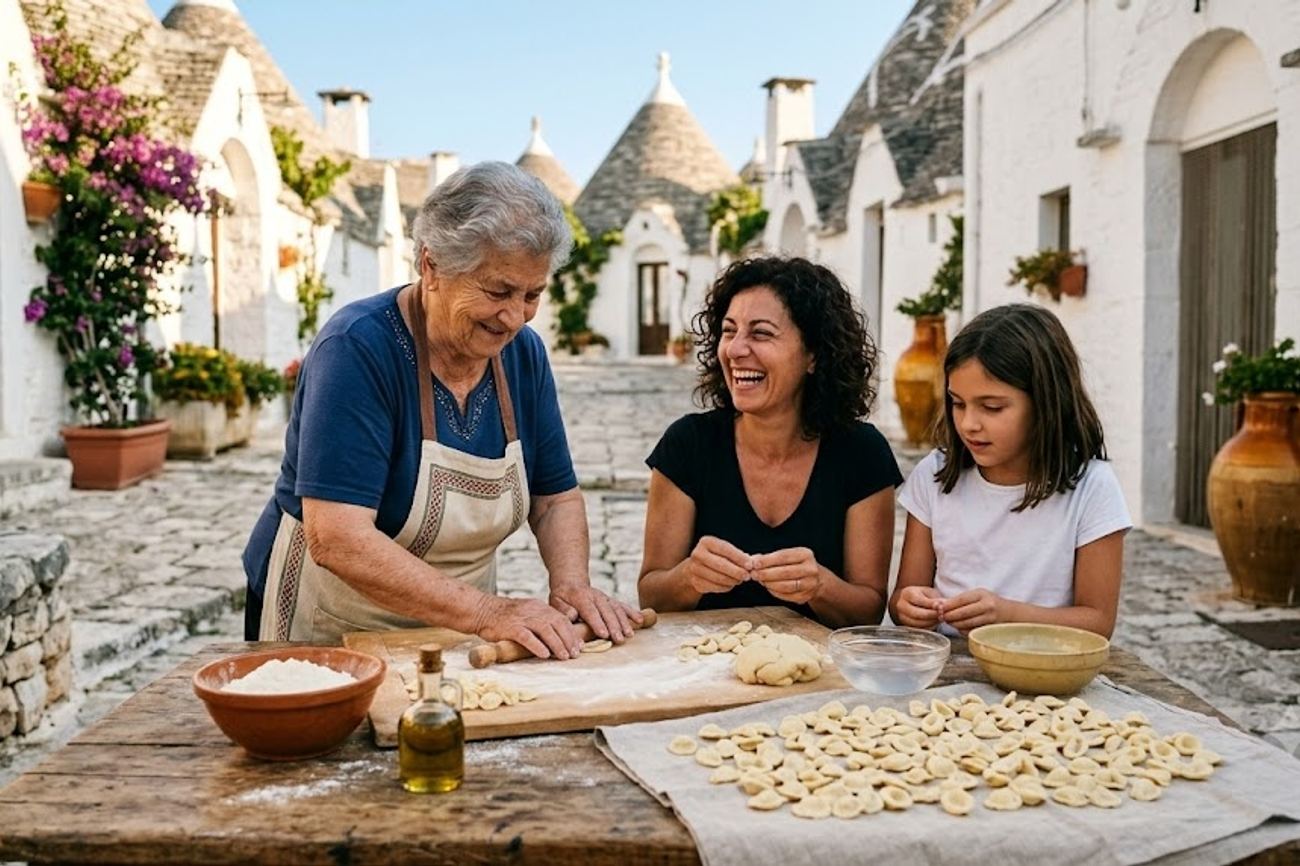
Image generated by AI
[Bari, October 2023] — The Puglia region of southern Italy is aggressively pivoting its tourism strategy to center on "Puglia of Flavours Made in Italy," a comprehensive culinary initiative designed to transform the "heel" of the Italian boot into a global hub for gastronomic travel. This strategic shift moves the region beyond traditional sightseeing, integrating agricultural production, ancestral customs, and luxury Mediterranean travel into a single cohesive visitor experience.
The initiative focuses on the intersection of geography and taste, leveraging Puglia's unique position between the Adriatic and Ionian seas. By formalizing the connection between the land and the plate, regional authorities and local producers are creating structured itineraries that lead travelers from the olive groves and vineyards directly to the dining table. This movement is designed to attract high-value international tourists who prioritize "slow travel" and cultural immersion over checklist-style tourism.
The Catalyst for Culinary Tourism
The primary driver behind this shift is the global rise in demand for authentic, provenance-based travel. Puglia is leveraging its status as one of Italy's most productive agricultural zones to compete with more saturated markets like Tuscany. The region is now institutionalizing its food heritage, transforming daily agricultural routines—such as the harvesting of olives or the hand-rolling of pasta—into curated tourist attractions.
By emphasizing the "Made in Italy" brand, the region is not merely selling meals but is selling the craftsmanship and history of the Mediterranean diet. This approach targets the growing segment of travelers who view food as a primary motivator for international flight bookings and hotel reservations. The integration of rural landscapes with urban culinary centers ensures that tourism revenue is distributed beyond the coastal resorts and into the interior farming communities.
Markets and Experiences Impacted
The "Puglia of Flavours" framework affects several distinct sectors of the regional economy and visitor experience. The following table outlines the specific areas of impact:
| Sector | Primary Focus | Key Visitor Activities |
|---|---|---|
| Viticulture & Olives | Century-old groves and vineyards | Tasting sessions, production tours, harvest participation |
| Dairy & Artisanal | Traditional cheese production | Burrata demonstrations, local bakery visits |
| Urban Gastronomy | Historic city centers | Orecchiette workshops, seasonal market tours |
| Rural Hospitality | Farm-to-table lodging | Agriturismo stays, traditional cooking classes |
| Coastal Tourism | Seafood and seaside dining | Fresh catch tasting, Adriatic/Ionian coastal exploration |
The strategy specifically targets families, couples, and cultural explorers who are seeking alternatives to the overcrowded landmarks of Northern and Central Italy. By diversifying the appeal, the region is extending its tourism season, pushing visitors to visit during the spring and autumn months when agricultural activity is at its peak.
What This Means for Travelers
For the modern traveler, this shift represents a transition from passive observation to active participation. Booking a trip to Puglia now involves more than just selecting a hotel; it requires an itinerary built around sensory experiences.
Direct Passenger Impact:
- Booking Requirements: Popular culinary experiences, specifically high-end olive oil tastings and private cooking workshops with local chefs, now require advance reservations. Travelers can no longer rely on walk-in availability for the most authentic "farm-to-table" experiences.
- Itinerary Planning: There is a marked shift toward "Slow Travel." Travelers are encouraged to spend multiple days in smaller, less-known villages rather than using a single hub to visit multiple monuments.
- Seasonality: While summer remains the peak for beach-goers, the "Flavours" initiative makes spring and autumn the optimal windows for food enthusiasts to witness production cycles and enjoy milder temperatures for vineyard walking.
- Authenticity Access: Visitors now have formalized access to private producers of burrata and extra virgin olive oil, moving these experiences from "lucky finds" to structured tourism products.
Travelers should coordinate their visits with the Italian National Tourist Board (ENIT) to ensure they are accessing certified regional producers and authentic cultural sites.
The Future of Sustainable Growth
The "Puglia of Flavours" model is being positioned as a blueprint for sustainable tourism growth. By directing traffic toward rural producers and small-scale artisans, the region reduces the pressure on its most famous coastal landmarks and prevents the "overtourism" seen in cities like Venice or Florence.
This model creates a symbiotic relationship between the agricultural sector and the travel industry. When a tourist pays for a cheese-making demonstration or an olive oil tour, they are providing a direct financial incentive for the next generation of farmers to maintain traditional, non-industrial methods of production. This ensures the preservation of the Mediterranean landscape—characterized by whitewashed towns and ancient olive forests—which is itself a primary draw for visitors.
Future expansions of the program are expected to include more integrated digital guides and partnerships with international aviation carriers to increase direct connectivity to airports serving the region, such as Bari Karol Wojtyła Airport. By streamlining the journey from the airport to the olive grove, Puglia aims to solidify its place as a top-tier global destination for culinary exploration.
FAQ: Puglia Culinary Travel 2024
What is the most iconic food experience in Puglia? The most representative experience is learning the art of orecchiette pasta. These "little ear" shaped pastas are traditionally handmade by women in the streets of Bari and in rural homes, representing the region's deep connection to ancestral cooking methods.
When is the best time to visit for food-focused travel? Spring and autumn are ideal. These seasons offer comfortable temperatures for visiting vineyards and olive groves, and they coincide with key agricultural harvests and local food festivals that are less crowded than the summer peak.
Do I need to book food tours in advance? Yes. Because many of the "Puglia of Flavours" experiences take place on private farms or in small family-run kitchens, capacity is strictly limited. Pre-booking is essential for vineyard tours and specialized cheese-making workshops.
Is Puglia accessible for travelers who aren't "foodies"? Absolutely. While the culinary focus is strong, the region offers a complete package including stunning Adriatic and Ionian beaches, ancient architecture, and historic whitewashed villages, making it a versatile destination for all types of travelers.
From the ancient olive groves to the hand-rolled pasta of Bari, Puglia is redefining the Italian holiday as a feast for the senses.
Tags: Puglia-Tourism-2024, Bari-Airport, Made-in-Italy-Culinary, Mediterranean-Slow-Travel, Puglia-Olive-Oil-Tours, Italy-Gastronomy-Routes
Related Travel Guides
Disclaimer
This article is for informational and educational purposes only. It does not constitute legal, financial, or professional advice. While we strive to provide accurate and up-to-date information, travel policies, regulations, and conditions change rapidly. Always verify information with official sources before making travel decisions. Nomad Lawyer makes no representations about the accuracy, reliability, completeness, or suitability of the information provided. Readers should consult qualified professionals for advice specific to their circumstances. The views expressed in this article are those of the author and do not necessarily reflect the views of Nomad Lawyer.
Naina Thakur
Contributor & Travel Specialist
Travel enthusiast and legal writer covering visa regulations, responsible tourism, and cultural journeys across global destinations.
Learn more about our team →