
Portofino Inspires Us To Embrace Slow Travel And Discover A Whole New Meaningful Way To Explore Scenic Italy
Portofino Inspires Us To Embrace Slow Travel And Discover A Whole New Meaningful Way To Explore Scenic Italy

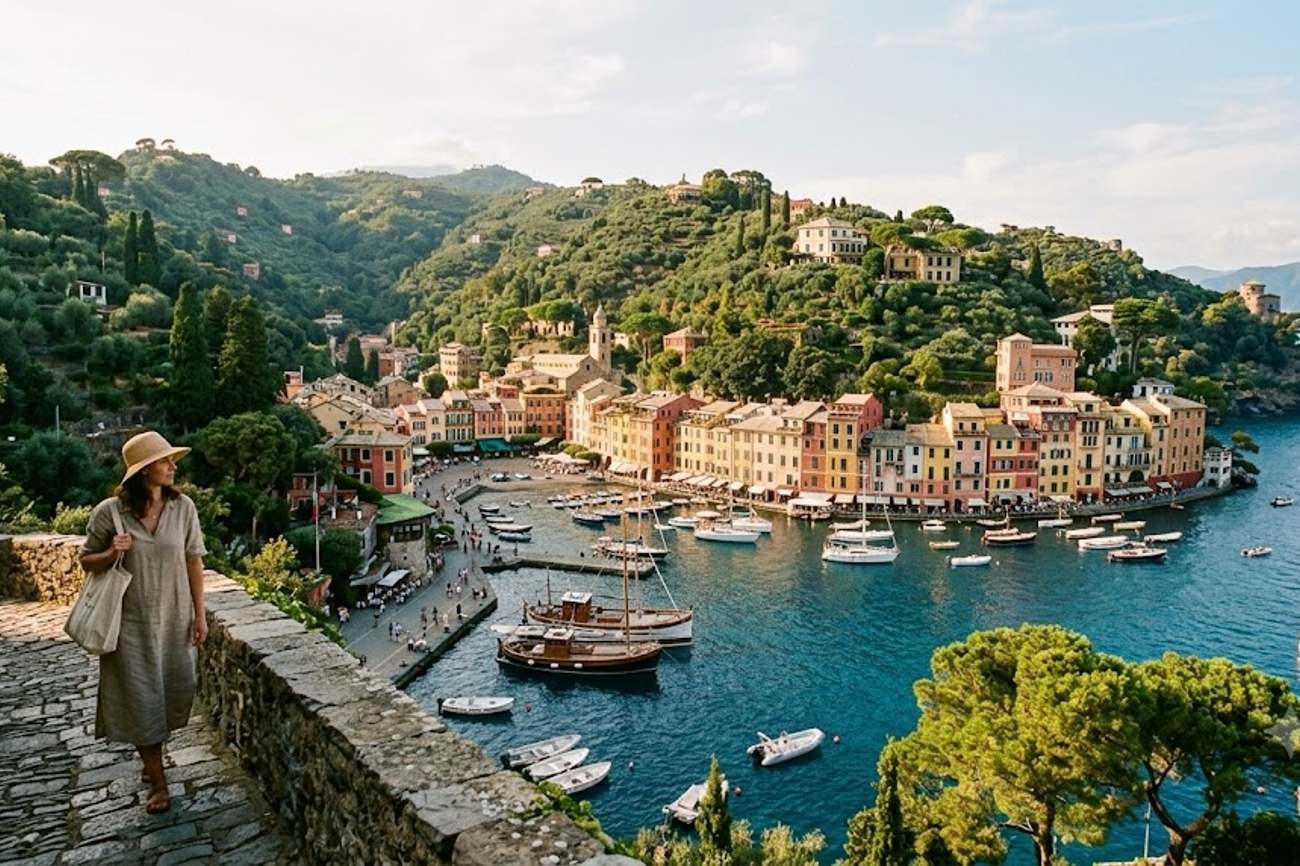
Image generated by AI
[Portofino, May 2024] — Global travel patterns are undergoing a fundamental shift as high-net-worth vacationers abandon rapid multi-city itineraries in favor of "slow travel" immersive stays, driving a surge in local revenue for boutique Mediterranean destinations.
This behavioral pivot is most evident along the Italian Riviera, where travelers are prioritizing mental restoration and cultural depth over the traditional "checklist" approach to tourism. Data indicates that this move toward deliberate exploration is not merely a lifestyle trend but a significant economic driver, shifting spending from transit hubs toward small-scale, family-run enterprises and specialized local artisans.
The Catalyst for Slow Travel
The immediate trigger for this shift is a widespread disenchantment with high-density, high-speed tourism. Modern travelers, particularly corporate professionals and remote workers, are reporting a need for genuine internal fulfillment and mental clarity rather than the superficial accumulation of passport stamps. This psychological transition has transformed the vacation from a leisure activity into a tool for personal wellness and emotional balance.
The Italian Riviera, and specifically the village of Portofino, has emerged as the primary case study for this movement. By offering a tranquil environment that resists aggressive commercial expansion, the region aligns with the current global demand for destinations that foster intellectual clarity and quiet contemplation. This shift is forcing the global hospitality sector to redesign offerings to emphasize substance and authentic rejuvenation over luxury surface-level amenities.
Markets and Destinations Impacted
The transition to immersive, single-location stays is creating a distinct economic divide between mass-market tourism hubs and "micro-destinations."
- The Ligurian Coast: Experiencing a concentrated increase in high-spending, long-term visitors who prioritize regional customs and culinary traditions.
- Boutique Hoteliers: Seeing a rise in extended booking durations, replacing the traditional 2-3 day stopover with week-long or month-long residencies.
- Local Artisans: Benefiting from a more stable, sustained revenue stream as visitors integrate into the community.
- Corporate Remote Workers: A growing demographic utilizing Mediterranean hubs as "workations" to blend professional objectives with mental health recovery.
What This Means for Travelers
For those currently booking travel to Italy or the broader Mediterranean, the "slow travel" movement translates into several practical changes in the visitor experience:
1. Higher Local Costs but Greater Value: Travelers should expect higher daily expenditures in boutique enclaves. With average daily spending now exceeding €1,000 per visitor for lodging and private experiences, the cost of entry is rising, but the quality of engagement with the destination is increasing.
2. Stricter Movement Regulations: To combat over-tourism, municipal governments are implementing aggressive crowd management. In Portofino, this includes the enforcement of no-loitering zones and pedestrian speed guidelines. Travelers must be aware that between 10:30 AM and 6:00 PM during peak summer months, movement through waterfront arcades and historic plazas is strictly regulated to ensure public safety and emergency access.
3. Shift in Booking Strategies: The trend suggests a move away from "grand tours" of Europe. Travelers are encouraged to book single-location stays to avoid the exhaustion of fragmented travel plans. This allows for a deeper immersion into the Italian National Tourist Board recommended regional experiences.
4. Integration of Wellness: Travel is no longer just about sightseeing; it is about "returning to one's true being." Travelers should look for accommodations that offer quietude and intellectual space rather than those located in the center of high-traffic tourist zones.
Sustainable Development and Economic Impact
The financial mechanics of this shift are substantial. Italy's overall tourism sector generates an annual economic impact exceeding €237.4 billion, acting as a primary engine for the national GDP. However, the redistribution of this wealth is the most critical development.
When visitors choose to prolong their stay in smaller coastal enclaves rather than rotating through multiple cities, direct contributions to local business ecosystems increase significantly. Data shows that extended stays boost local visitor expenditures by 35% to 42%. This concentration of purchasing power within a single community creates a more durable, self-sustaining economic model than the previous high-volume, low-duration transit model.
From an urban planning perspective, the Ministry of Infrastructure and Transport and local municipal leaders are using the Portofino model to balance international prestige with historic preservation. By resisting high-volume real estate expansion and safeguarding architectural identity, these regions are proving that limiting growth in quantity can actually increase growth in quality and value.
Future Outlook for Global Tourism
The trajectory of global travel is moving toward a "carrying capacity" model. Municipalities are increasingly likely to adopt the strict regulatory frameworks seen in the Italian Riviera to protect resident quality of life and public infrastructure. This includes maritime access controls and pedestrian management to prevent the degradation of the very cultural character that attracts visitors.
As more travelers align their trips with core personal values, the industry will likely see a rise in "purpose-driven" travel packages. The focus will shift from "where to go" to "how to be" while traveling. This evolution suggests that the future of luxury travel is not defined by opulence, but by the luxury of time, patience, and authentic connection.
FAQ: Mediterranean Slow Travel 2024
What is the "slow travel" trend in Italy? It is a shift away from fast-paced, multi-city itineraries toward immersive, long-term stays in a single location. Travelers prioritize deep cultural engagement and mental wellness over visiting as many landmarks as possible.
Are there restrictions for visitors in Portofino? Yes. During peak summer hours (10:30 AM to 6:00 PM), municipal authorities enforce no-loitering zones and pedestrian speed guidelines in historic plazas and waterfront areas to manage congestion and ensure safety.
How much does an immersive stay in the Italian Riviera typically cost? Recent data indicates that visitors opting for immersive experiences in boutique lodging and fine dining spend an average of over €1,000 per day.
Why are extended stays better for local economies? Extended stays increase local expenditures by 35% to 42% compared to short-term visits. This provides stable revenue for independent merchants and family-run businesses rather than large international transit chains.
Purpose now outweighs pace in the new era of global exploration.
#Portofino2024 #LigurianCoastTourism #SlowTravelItaly #MediterraneanEconomicShift #SustainableTourismItaly #ItalyGDP2024
Related Travel Guides
Disclaimer
This article is for informational and educational purposes only. It does not constitute legal, financial, or professional advice. While we strive to provide accurate and up-to-date information, travel policies, regulations, and conditions change rapidly. Always verify information with official sources before making travel decisions. Nomad Lawyer makes no representations about the accuracy, reliability, completeness, or suitability of the information provided. Readers should consult qualified professionals for advice specific to their circumstances. The views expressed in this article are those of the author and do not necessarily reflect the views of Nomad Lawyer.
Kunal K Choudhary
Co-Founder & Contributor
A passionate traveller and tech enthusiast. Kunal contributes to the vision and growth of Nomad Lawyer, bringing fresh perspectives and driving the community forward.
Learn more about our team →