
Sustainable Luxury in Peru: How Cusco and the Sacred Valley Are Redefining South American Travel

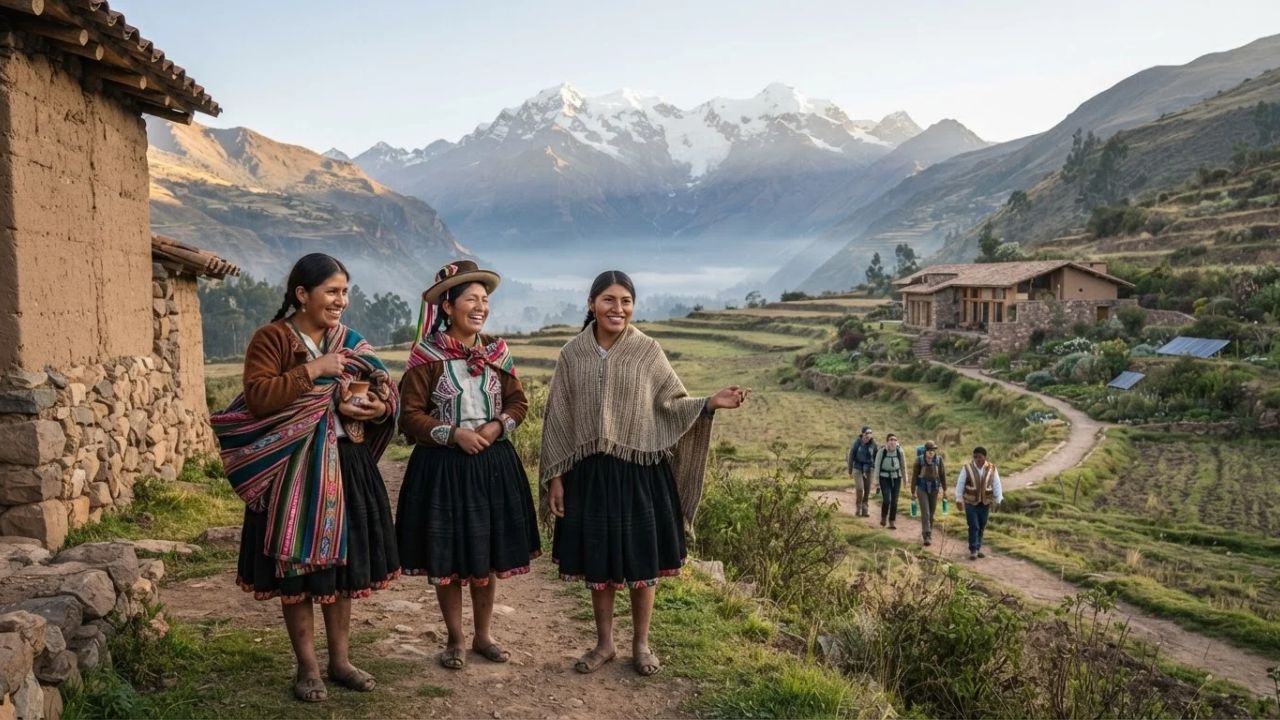
Replacing ostentatious consumption with regenerative design, Peru is setting a global benchmark for sustainable luxury travel across Cusco, the Sacred Valley, and the high Andes. From solar-powered boutique lodges and zero-waste biodigesters to community-owned trekking cooperatives, high-end hospitality operators are proving that conservation and cultural sovereignty can elevate the guest experience without straining fragile alpine ecosystems.
The transformation marks a departure from traditional mass-tourism models that have long placed heavy demands on Andean communities. Across South America, discerning travelers are seeking trips that generate measurable ecological net gains and direct economic equity for host populations. In response, Peru’s forward-thinking lodges, culinary institutions, and expedition outfits are ditching superficial green-washing in favor of verifiable closed-loop operations, transparent wage structures, and deep reverence for ancestral Quechua wisdom.
The Local Trend Revealed: Regenerative Hospitality in the High Andes
In historical centers like Cusco and along the terraced slopes of the Urubamba River in the Sacred Valley, luxury is being redefined through mindful restraint and regional authenticity.
Rather than importing foreign marble or building sprawling resorts that disrupt rural vistas, boutique architects are constructing suites from locally quarried granite, sun-dried adobe bricks, and hand-hewn eucalyptus timber. These structures naturally regulate indoor temperatures against the sharp Andean day-to-night thermal swings, drastically reducing the heating and cooling demands of luxury properties.
At the core of this movement is a commitment to retaining capital within the rural economy. According to regional tourism assessments aligned with the Ministry of Foreign Trade and Tourism (MINCETUR) and PROMPERÚ, traditional travel packages historically leaked substantial revenue away from remote mountain villages to overseas conglomerates. Today, progressive lodges establish localized procurement mandates ensuring that over 80 percent of food, furnishings, handwoven alpaca textiles, and building materials originate from smallholders within neighboring districts.
Innovative community equity frameworks are also taking root. Forward-thinking lodges in the Sacred Valley and along the Salkantay and Ausangate trekking corridors are entering into joint-venture agreements with native peasant communities. Local residents receive direct equity stakes, guaranteed minimum wage floors, and seats on environmental management boards, ensuring that tourism acts as an economic partner rather than an extractive presence.
Pillars of Peru’s Regenerative Luxury Hospitality Model
| Operational Pillar | Sustainable Practice | Local Community & Environmental Impact | Guest Experience Benefit |
|---|---|---|---|
| Architectural Integration | Adobe, reclaimed stone, and native eucalyptus construction | Lowers embodied carbon and preserves traditional Andean building heritage | Exceptional natural thermal insulation and authentic cultural atmosphere |
| Water Stewardship | Closed-loop greywater filtration and wetland reed-bed recycling | Conserves scarce municipal irrigation channels relied upon by potato farmers | Guarantees non-potable garden irrigation without depleting alpine aquifers |
| Clean Energy Systems | Off-grid solar arrays and micro-hydro generation installations | Eliminates diesel generator emissions in remote cloud forest and alpine valleys | Provides silent, dependable electrical power in remote wilderness settings |
| Indigenous Equity | Revenue-sharing trusts and intellectual property agreements | Protects traditional weaving techniques and finances bilingual education | Direct interaction with Quechua culture guided by sovereign local leaders |
| Zero-Waste Operations | On-site biodigesters and strict packaging elimination bans | Diverts organic waste entirely from landfills, producing rich organic fertilizer | Farm-to-table dining backed by hyper-local, organic permaculture gardens |
Watershed Conservation and Renewable Power Across Alpine and Amazon Basins
Water scarcity poses an acute environmental challenge in the Peruvian highlands, where glacial retreat threatens seasonal runoff. To address this reality, high-end eco-lodges are investing heavily in closed-loop water infrastructure.
Advanced multi-stage greywater purification systems filter sink and shower outflow through natural gravel beds and native totora reed marshes. The recycled water is channeled exclusively into property grounds and permaculture vegetable patches, ensuring that luxury properties do not divert potable water from surrounding farming families. Furthermore, a dedicated portion of room tariffs is channeled into communal watershed restoration projects, funding the reconstruction of ancient Incan infiltration canals (amunas) that recharge mountain aquifers during the rainy season.
In remote expedition territories—stretching from the snow-dusted Salkantay Pass to pristine concessions in the Tambopata National Reserve and Manu Biosphere Reserve—hospitality groups are achieving off-grid carbon neutrality.
Micro-hydro installations harness the kinetic energy of rushing mountain streams to generate clean electricity, while photovoltaic solar banks with lithium-iron phosphate battery storage capture the intense equatorial sun. By subjecting supply chains to thorough environmental audits and establishing biodiversity net-gain pledges, luxury camps regenerate multiple hectares of native cloud forest and wild polylepis woodlands for every guest accommodated.
Cultural & Environmental Value: Protecting Living Quechua Heritage
Authentic travel in the Andes requires recognizing that local communities are active custodians of ancient traditions rather than picturesque backgrounds for travel photography.
Upholding Cultural Sovereignty and Fair Compensation
The commodification of indigenous culture has long been a hazard of global tourism. In response, sustainable luxury operators in Cusco and the Sacred Valley work under strict informed-consent protocols. Local village assemblies retain absolute authority over how their cultural expressions, textile patterns, and agricultural rituals are introduced to travelers.
Lodges partner directly with master weaving associations, such as those in Chinchero, Patacancha, and the Lares Valley. Through verified intellectual property agreements, artisans receive fair compensation and royalties for demonstrating ancestral backstrap weaving techniques. Dedicated percentages of excursion revenues feed directly into community heritage trusts, which fund Quechua language preservation initiatives and support traditional apprenticeships for younger generations.
Regenerative Agriculture and High-Altitude Gastronomy
The global acclaim of Peruvian culinary culture has found its truest expression in high-altitude farm-to-table dining. Kitchens in premier Sacred Valley boutique retreats collaborate with indigenous farmers who cultivate hundreds of rare native potato varieties (papas nativas), protein-dense kiwicha, purple corn (maíz morado), and heirloom quinoa.
By sourcing directly from rural growers at guaranteed premium prices, luxury dining establishments protect the botanical biodiversity of the Andes. Kitchens employ real-time inventory management to eliminate food waste, while all raw organic trimmings are processed through on-site biodigesters to generate natural cooking gas and nutrient-rich organic compost. This culinary philosophy treats dining as an educational experience that honors Andean agriculture while nourishing the local economy.
Visitor Insider Tips: Acclimatization, Sacred Etiquette, and Hidden Andean Escapes
For travelers planning a high-end, conscious journey through Cusco, the Sacred Valley, and Machu Picchu, these practical recommendations optimize health, comfort, and cultural respect:
- Strategic Altitude Acclimatization: Cusco sits at an elevation of approximately 3,400 meters (11,150 feet), where thin air can induce altitude sickness (soroche). Smart travelers bypass the imperial city immediately upon landing at Alejandro Velasco Astete International Airport (CUZ) and transfer down to the Sacred Valley of the Incas (such as Urubamba or Ollantaytambo), which rests at a gentler 2,870 meters (9,400 feet). Spend your first two or three nights in the valley acclimatizing before ascending to Cusco.
- Hydration and Herbal Remedies: Sip freshly brewed muña (Andean mint) and coca leaf tea upon arrival to soothe digestion and alleviate headache symptoms. Avoid heavy red meat meals and alcohol during your initial 48 hours at altitude.
- Ideal Travel Windows: The Andean dry season spans from May through September, featuring clear azure skies and crisp, cold nights. However, the shoulder months of April, May, September, and October offer an exceptional travel window, featuring lush green mountains, pleasant daytime temperatures around 19°C to 22°C, and significantly lower visitor numbers along major trekking routes. The wettest months are January and February, when the Classic Inca Trail closes annually for trail maintenance.
- Cultural Etiquette and Sacred Norms:
- Reverence for the Apus and Pachamama: Mountains (Apus) are regarded as living spiritual guardians by the Quechua people. When trekking, treat natural shrines (apachetas) with reverence; avoid removing stone cairns or leaving litter. When receiving a cup of water or chicha, flick a few drops onto the earth as a tribute to Pachamama (Mother Earth).
- Responsible Photography: Never photograph indigenous weavers, farmers, or children without polite verbal permission. When purchasing artisan textiles at community workshops, pay the artisan's asking price; aggressive bargaining devalues weeks of intricate manual artistry.
- Under-the-Radar Heritage Escapes:
- Ollantaytambo's Living Inca Streets: Wander the stone-cobbled grid of Ollantaytambo’s lower town early in the morning before tourist trains depart for Aguas Calientes. It remains the only continuously inhabited Incan urban center in South America.
- The Concentric Terraces of Moray: Visit the agricultural laboratory of Moray in late afternoon. The sunken circular terraces create unique microclimates with temperature differentials of up to 15°C between top and bottom, demonstrating the sophisticated agronomic mastery of Incan civil engineers.
- Maras Salt Ponds (Salineras de Maras): Observe thousands of subterranean saltwater pans fed by a single hypersaline spring, hand-harvested by local cooperative families since pre-Incan times.
Tourism Outlook: Transforming South America's Adventure Economy
The success of Peru’s sustainable luxury movement is sparking a wider transformation across South America's adventure travel sector. From the Atacama Desert in Chile to the coffee regions of Colombia, operators are recognizing that discerning travelers increasingly demand ethical accountability and ecological stewardship.
By enforcing strict daily carrying capacity limits at vulnerable historical sites like Machu Picchu and Choquequirao, the Peruvian National Service of Natural Protected Areas by the State (SERNANP) and the Ministry of Culture are prioritizing site preservation over unbridled visitor volume. Tiered entrance permits and seasonal trail closures ensure that ancient stone paths and delicate high-altitude cloud forests have the necessary breathing room to regenerate.
As the lines between high-end comfort and radical environmental responsibility continue to merge, Peru stands as an inspiring beacon for global tourism. By placing ancestral communities, clean energy, and watershed security at the very foundation of luxury travel, the nation ensures that its magnificent mountain heritage will endure for generations of conscious travelers to come.
Related Travel Guides
Sharjah Airport Expands Global Reach at ATM 2026: 19.4M Passengers and Terminal Upgrades
Malaysia Targets Russian Travelers with Direct Flights and Visa-Free Access via BRICS 2026
Disclaimer
This article is for informational and educational purposes only. It does not constitute legal, financial, or professional advice. While we strive to provide accurate and up-to-date information, travel policies, regulations, and conditions change rapidly. Always verify information with official sources before making travel decisions. Nomad Lawyer makes no representations about the accuracy, reliability, completeness, or suitability of the information provided. Readers should consult qualified professionals for advice specific to their circumstances. The views expressed in this article are those of the author and do not necessarily reflect the views of Nomad Lawyer.
Raushan Kumar
Founder & Lead Developer
Full-stack developer with 11+ years of experience and a passionate traveller. Raushan built Nomad Lawyer from the ground up with a vision to create the best travel and law experience on the web.
Learn more about our team →