US Seizes Over 300 Illegal Drones Near World Cup Venues as Security Agencies Launch Unprecedented Aerial Crackdown

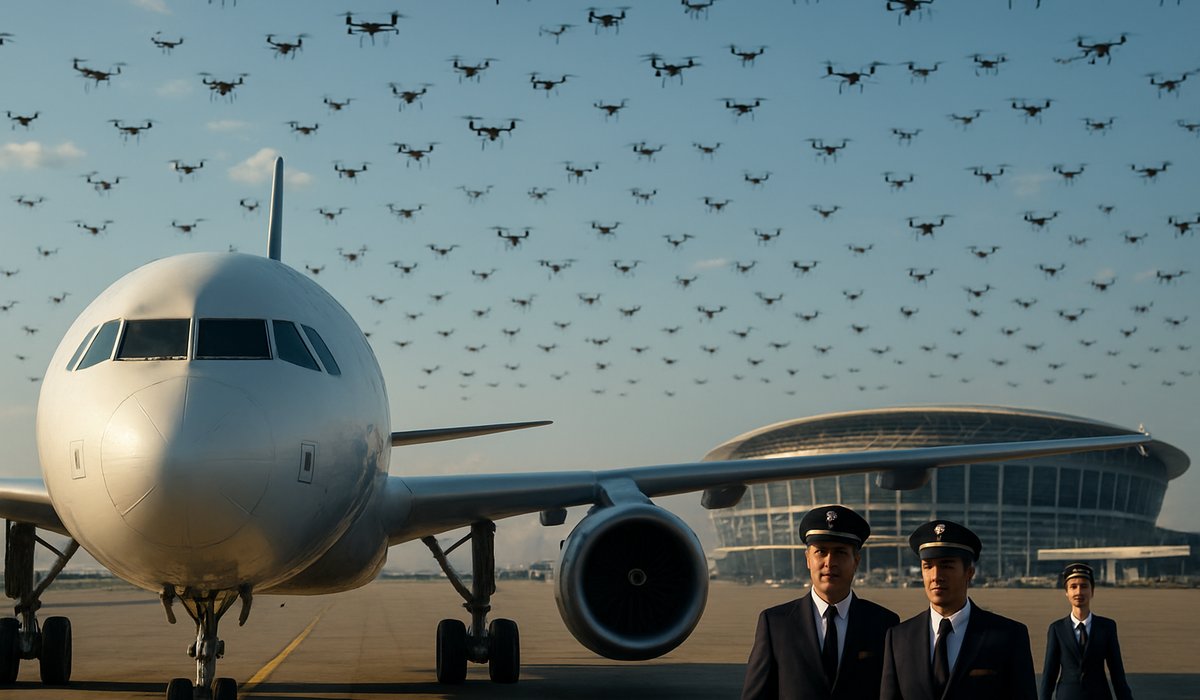
Image generated by AI
Federal authorities intensify enforcement operations to protect stadiums and airspace during high-profile sporting event
Massive Drone Seizure Reveals Critical Security Gap
The Transportation Security Administration (TSA) has confiscated more than 300 unmanned aircraft operating without authorization in proximity to FIFA World Cup stadiums and associated facilities since the tournament's inception, marking an extraordinary surge in illegal drone activity during one of the world's most heavily scrutinized sporting events.
The scale of the seizures underscores a mounting challenge for federal security infrastructure, with officials warning that rogue drones represent a multifaceted threat—potentially endangering spectators, athletes, flight operations, and the integrity of security perimeters surrounding the venues.
Multi-Agency Coordination Intensifies Response
The enforcement campaign reflects an unprecedented coordination between multiple government entities. The TSA, Federal Aviation Administration (FAA), Department of Homeland Security, Federal Bureau of Investigation (FBI), and numerous local law enforcement agencies have pooled resources to monitor and intercept unauthorized aerial activity across World Cup locations.
This integrated approach demonstrates the complexity of modern event security, where traditional perimeter defenses prove insufficient against drone-enabled threats. The sheer volume of seizures—exceeding 300 units—suggests either widespread ignorance of airspace restrictions or deliberate violations by operators intent on circumventing security measures.
Airspace Restrictions and Public Safety Concerns
Federal authorities had implemented strict no-fly zones extending multiple miles from each stadium, with clear penalties for violations. Despite these explicit restrictions and widespread public awareness campaigns, the persistent flow of illegal drone activity indicates ongoing compliance challenges.
Officials have emphasized that unauthorized drones operating near crowded venues create cascading risks: potential collisions with manned aircraft during emergency responses, disruption of aerial surveillance operations, and unpredictable hazards to the tens of thousands of spectators and personnel operating within stadium grounds.
Broader Aviation Security Implications
The drone seizure campaign during the World Cup reflects a growing regulatory and enforcement concern across the aviation industry. As commercial drone technology becomes increasingly accessible and affordable, securing controlled airspace around critical infrastructure—from airports to major public gatherings—has become a defining challenge for the FAA and allied agencies.
The incident underscores the evolving nature of aviation security threats in an era where traditional boundary controls face circumvention from airborne devices operated remotely and, in many cases, from considerable distances.
FAQ: Drone Security and Aviation Regulations
What is the legal penalty for operating drones near restricted airspace? Federal law imposes substantial fines and potential criminal charges for unauthorized drone operations near stadiums and airports. Penalties can exceed $25,000 and may result in federal prosecution.
How do authorities detect illegal drones operating near major events? Federal agencies employ radar detection, radio frequency monitoring, visual surveillance, and specialized drone-detection technology to identify unauthorized aircraft in restricted zones.
Can individuals legally fly drones during major sporting events? No. The FAA implements temporary flight restrictions (TFRs) around major events, rendering all recreational and commercial drone operations illegal within designated perimeters without explicit federal authorization.
Why are unauthorized drones considered a significant aviation threat? Drones can collide with manned aircraft, interfere with emergency response operations, and disrupt ground-based security surveillance—creating cascading risks during mass gatherings.
What agencies enforce drone regulations in the United States? The FAA, TSA, FBI, Department of Homeland Security, and local law enforcement coordinate enforcement efforts through integrated operations centers established during high-security events.
Related Travel Guides
External Resources
This article is for informational purposes. Flight routes, passenger regulations, visa rules, and transit advisories are subject to change by airlines and aviation authorities. Readers are advised to verify schedules and travel documentation with relevant carriers and border agencies before departure.
Related Stories
easyJet Launches Direct Liverpool to Reykjavik Flights: Inside the North West's New Winter Gateway to Iceland

British Airways Revives Long-Haul Meal Pre-Orders on Las Vegas Flights: Inside the World Traveller Plus Dining Trial