
Nepal’s Dungmagadhi Fort Set To Become a Major Heritage Tourism Attraction With New Tourism Development Plans
Nepal’s Dungmagadhi Fort Set To Become a Major Heritage Tourism Attraction With New Tourism Development Plans

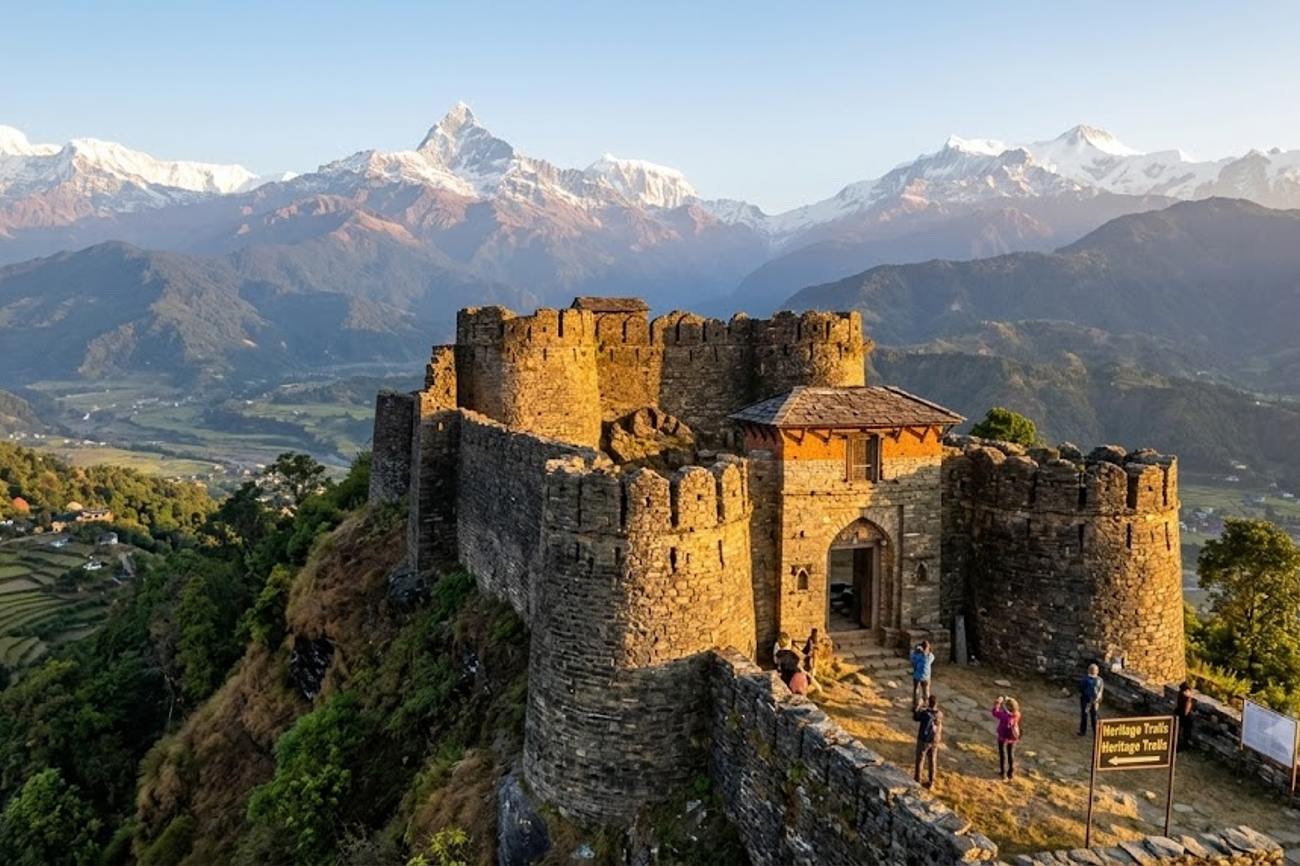
Image generated by AI
The transformation of a single historic site in the Pauwadungma Rural Municipality-5 of the Bhojpur district signals a strategic pivot in Nepal's rural tourism model. By converting the Rasuwagadhi Fort—historically referred to as Gandhian—into a formalized tourist attraction, the region is attempting to decentralize the visitor flow that typically bottlenecks in the Kathmandu Valley and the Annapurna circuit. This initiative is not merely a local renovation project but a calculated effort to leverage heritage tourism to stimulate economic growth in eastern Nepal.
The Shift Toward Eastern Heritage Hubs
For decades, Nepal's tourism economy has been heavily skewed toward the western and central highlands. The decision to develop Rasuwagadhi Fort represents a broader regulatory and promotional shift to highlight "hidden" destinations. Located in the hills of the Bhojpur district, the fort serves as a physical anchor for a new tourism corridor. The objective is to transition the site from a localized landmark into a recognized destination for both international travelers and domestic tourists.
This move aligns with global trends in experiential travel, where high-net-worth nomads and cultural historians seek authenticity over mass-market luxury. By focusing on a site that blends military history with the natural aesthetics of the Himalayas, the Nepal Tourism Board and local authorities are attempting to diversify the national tourism product. The development plan is built on three pillars: the modernization of visitor facilities, the rigorous conservation of the fort's structural integrity, and the promotion of the surrounding Himalayan vistas.
Infrastructure Logistics and Site Specifications
The transition of Rasuwagadhi from a ruin to a destination requires specific logistical interventions to overcome the inherent challenges of rural accessibility. The current development phase focuses on "hard" infrastructure—physical assets that reduce the friction of travel for the average tourist.
The primary upgrades include the installation of a dedicated trekking route equipped with safety railings, which addresses the liability and safety concerns often associated with remote heritage sites. Additionally, the project is introducing gazebos and designated resting points. These are not merely amenities; they are strategic tools designed to increase "dwell time"—the amount of time a visitor spends at a location—which directly correlates with higher spending at local businesses.
| Development Component | Purpose | Expected Impact |
|---|---|---|
| Safety-Railed Trekking Paths | Improved Accessibility | Higher volume of non-professional hikers |
| Gazebos & Resting Areas | Visitor Comfort | Increased duration of stay |
| Conservation Protocols | Heritage Preservation | Long-term viability of the attraction |
| Local Service Integration | Economic Stimulation | Diversification of rural income streams |
Expert Analysis: The Economics of Rural Decentralization
From a logistical and business perspective, the development of Rasuwagadhi Fort is a textbook example of "satellite destination" creation. For travelers booking routes through eastern Nepal, the direct consequence is a shift in the itinerary. Instead of a linear path from the capital to the mountains, we are seeing the emergence of a hub-and-spoke model where smaller towns like Bhojpur become primary stops.
The pricing pressure this creates is twofold. First, the introduction of formalized facilities allows for the implementation of structured entry fees and guided tour pricing, moving the local economy away from informal gratuities toward a sustainable revenue model. Second, the demand for accommodation and transport in Pauwadungma Rural Municipality-5 will likely trigger a surge in small-scale hospitality investments.
However, the risk remains in the "infrastructure gap." While the fort itself is being upgraded, the journey to the Bhojpur district often involves navigating roads that are susceptible to monsoon disruptions. For this project to succeed on a global scale, the local improvements must be mirrored by regional transport upgrades. If the International Air Transport Association (IATA) standards for regional connectivity were applied here, the focus would need to shift from the site itself to the "last mile" logistics.
The integration of nature-based tourism—specifically trekking and photography—with the fort's history creates a "dual-value proposition." This means the site is no longer just for history buffs; it is now a product for the wellness and adventure markets. By diversifying the appeal, the local government reduces the risk of seasonal volatility, ensuring that the site attracts visitors year-round rather than during a single peak cultural window.
Key Takeaways
- Geographic Expansion: The focus is moving toward the Pauwadungma Rural Municipality-5 in Bhojpur, reducing reliance on traditional tourist hotspots.
- Infrastructure Focus: New safety railings, trekking paths, and gazebos are being installed to lower the barrier to entry for international tourists.
- Economic Diversification: The project aims to create a local ecosystem of guides, handicraft sellers, and lodge operators to sustain the rural population.
- Conservation Balance: Development is being paired with heritage preservation to ensure the "Gandhian" identity of the fort is not erased by modernization.
- Market Positioning: Rasuwagadhi is being positioned as an "authentic" alternative to crowded centers, targeting the experiential travel demographic.
FAQ: Rasuwagadhi Fort 2024
How do I get to Rasuwagadhi Fort in Bhojpur? Visitors typically travel to the Bhojpur district in eastern Nepal. While specific transit schedules vary, the site is located within the Pauwadungma Rural Municipality-5. It is recommended to hire a local guide from Bhojpur for the final ascent.
What makes Rasuwagadhi different from other Nepal forts? Unlike the more commercialized sites near Kathmandu, Rasuwagadhi offers a combination of military history and untouched Himalayan views, focusing on a rural, quiet experience rather than mass tourism.
Is the site safe for non-professional hikers? Yes. The current development plan includes the installation of safety railings and formalized trekking routes specifically designed to make the fort accessible to a wider range of fitness levels.
When is the best time to visit the Bhojpur region? To maximize the views of the surrounding mountain ranges and avoid the heavy rains that can impact rural roads, the autumn (October-November) and spring (March-May) windows are ideal.
The transition of Rasuwagadhi is a gamble on the belief that the modern traveler values silence and history over luxury and convenience.
Tags: Rasuwagadhi Fort, Bhojpur Tourism, Nepal Heritage Sites, Pauwadungma Rural Municipality, Eastern Nepal Travel 2024
Related Travel Guides
- Italy Follows United Kingdom And More In US Travel Advisory Updates As Tourist Safety And Passport Validity Requirements Take Centre Stage
- Greece Links Chora and Skala Through Patmos Half Marathon as Sports Travel Drives Tourism Beyond Pilgrimage
- Moldova, Greece and Ireland Outpace Europe as International Tourist Arrivals Continue to Rise in 2026
Disclaimer
This article is for informational and educational purposes only. It does not constitute legal, financial, or professional advice. While we strive to provide accurate and up-to-date information, travel policies, regulations, and conditions change rapidly. Always verify information with official sources before making travel decisions. Nomad Lawyer makes no representations about the accuracy, reliability, completeness, or suitability of the information provided. Readers should consult qualified professionals for advice specific to their circumstances. The views expressed in this article are those of the author and do not necessarily reflect the views of Nomad Lawyer.
Preeti Gunjan
Contributor & Community Manager
A passionate traveller and community builder. Preeti helps grow the Nomad Lawyer community, fostering engagement and bringing the reader experience to life.
Learn more about our team →