
Greece Links Chora and Skala Through Patmos Half Marathon as Sports Travel Drives Tourism Beyond Pilgrimage
Greece Links Chora and Skala Through Patmos Half Marathon as Sports Travel Drives Tourism Beyond Pilgrimage

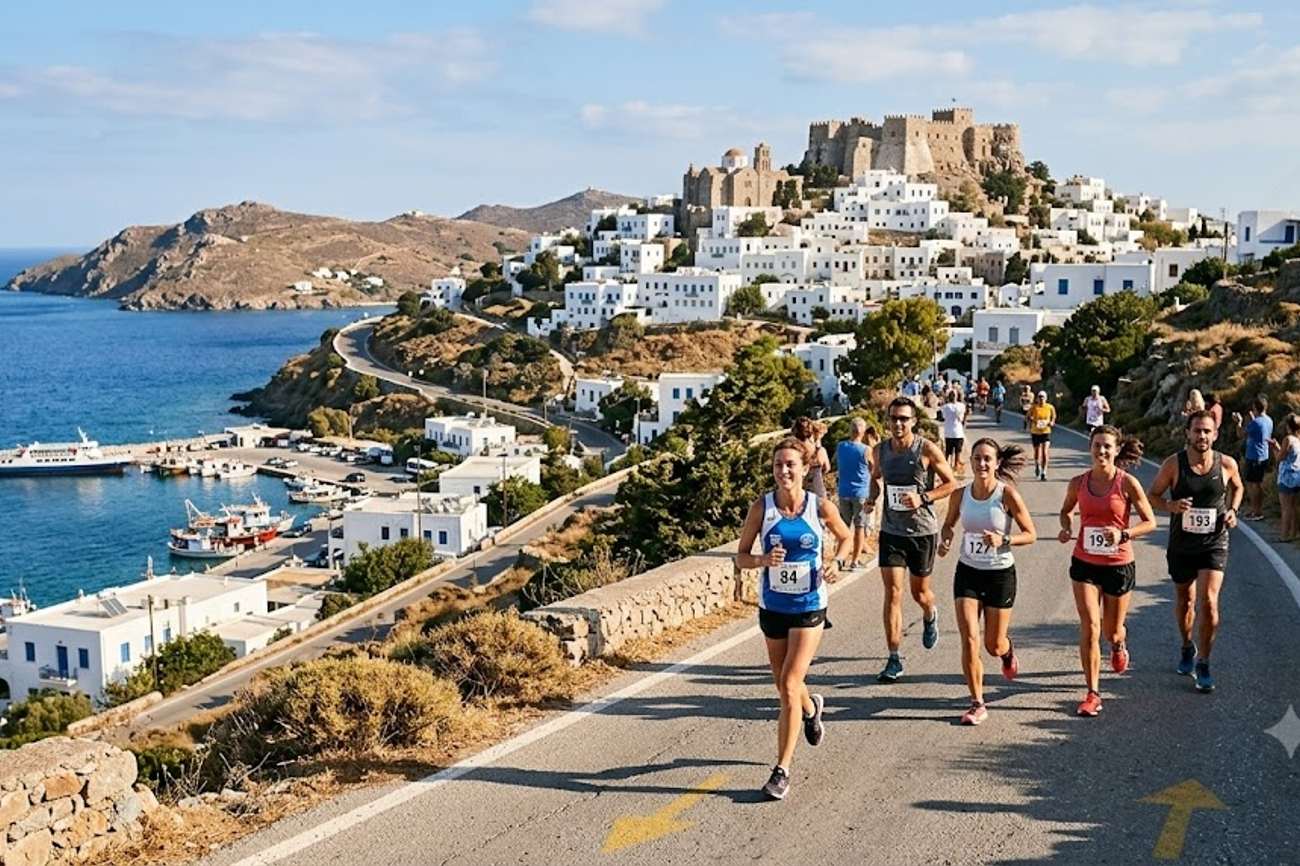
Image generated by AI
title: "Beyond the Pilgrimage: Patmos and the Rise of Endurance Travel" date: 2026-09-20 tags: [Patmos, Dodecanese, Greece-Travel-2026, ChoRun, Sports-Tourism]
While most visitors to Patmos remain tethered to the spiritual gravity of Chora, a new endurance-based movement is pushing travelers into the island's rugged interior. On 13 September 2026, the island shifted its tourism identity by hosting its first-ever 21km half-marathon, transforming a localized road race into an island-spanning odyssey.
The Evolution of the Patmos ChoRun
For years, the ChoRun was a modest affair, but the 2026 edition marked a fundamental pivot in how the island presents itself to the world. The Greek National Tourism Organisation (GNTO) confirmed that while the event itself was in its fourth year, the introduction of the 21km half-marathon was a first. This is not merely a change in distance; it is a strategic shift in destination marketing.
The race began at Panagia Geranou in the north, forcing participants to engage with the island's diverse topography before concluding at the town hall in Chora. By moving the start line away from the center, organizers effectively turned the race into a guided tour of the island's periphery. The route carved a path through Vagia, the Kampos area, the Lampi junction, Livadi Kalogiron, Kampos Square, and Skala, before winding through Sapsila, the Groikos junction, and the Diakofti area. The final ascent took runners past the iconic windmills of Chora, finishing at Xanthou Square.
This expanded geography allows the island to showcase multiple facets of its character—from the maritime energy of Skala to the agrarian quiet of the interior—within a single sporting window. With an expected turnout of over 250 participants from Greece and abroad, the event integrated cultural activities to ensure that athletes didn't just run through the landscape, but experienced it.
What Makes Patmos Different
Patmos is traditionally defined by its role as a site of divine revelation, but its physical geography offers a different kind of revelation for the active traveler. The island possesses a ready-made "active travel corridor" that bridges the gap between its two primary hubs: Skala, the commercial port, and Chora, the fortified hilltop settlement.
Unlike many Greek islands where tourism is concentrated in a single village, Patmos has a sophisticated network of historic footpaths. According to Visit Greece, these trails link religious sites, chapels, and agricultural fields. A prime example is the Skala–Chora–Skala loop, which includes a visit to the Cave of the Apocalypse. This specific trek involves a 40-minute ascent and a 30-minute descent, providing a blueprint for how the half-marathon fits into a larger ecosystem of movement.
The island's uniqueness lies in this layering. A visitor is no longer just a pilgrim or a beach-goer; they are an endurance athlete navigating a UNESCO World Heritage influenced environment. The 2026 race structure reflected this inclusivity, offering a 5km circular route starting and ending at Xanthou Square for those seeking a shorter experience, as well as a 1km family run and dynamic walking programs for children.
Visitor Insider Tips
To experience Patmos beyond the typical tourist circuit, timing and logistics are everything.
Timing the Visit: The September window is ideal. The oppressive heat of July and August has faded, but the Aegean remains warm enough for swimming. If you are visiting for a sporting event, arrive at least two days early to acclimate to the island's undulating terrain.
Navigating the Terrain: Base yourself in Skala if you prefer easy access to ferries and cafes, but stay in Chora if you want to wake up within walking distance of the windmills. To avoid the crowds at the Cave of the Apocalypse, visit at dawn; the light is superior for photography, and the spiritual atmosphere is far more potent without the tour groups.
Local Etiquette: Patmos is a deeply religious community. When trekking through the interior to visit small chapels or the Panagia Geranou area, dress modestly. Covering shoulders and knees is a sign of respect that locals appreciate, especially in the quieter villages.
Transport Hacks: Relying on the ferry from Piraeus can be a grueling 7 to 12-hour journey. To make this sustainable, look for event-specific incentives. For the 2026 ChoRun, registered athletes received a 50% discount on ferries involving Piraeus, the Cyclades, and the Dodecanese, along with a 20% reduction in vehicle rentals. Even outside of race windows, renting a small scooter is the only way to truly explore the Lampi junction and the remote northern coast.
Cultural and Environmental Context
The shift toward sports tourism on Patmos is a calculated move by the Greek Ministry of Tourism to combat the "seasonality" of the Mediterranean economy. By promoting endurance events in September, the government aims to spread tourism benefits across a longer calendar and reduce the environmental strain caused by the mid-summer peak.
This transition from "pilgrimage tourism" to "active tourism" creates a delicate balance. While the influx of runners brings new revenue to local guesthouses—with 2026 race offers ranging from €50 to €100 per double room—it also puts pressure on the island's narrow roads and historic footpaths. The use of organized bus transfers for the 21km start at Panagia Geranou shows an awareness of the need to manage traffic flow to prevent the congestion of small village squares.
Furthermore, by integrating the race with the island's existing walking network, Patmos is encouraging a form of "slow travel." This approach prioritizes the preservation of the natural landscape over the construction of new, high-impact tourist infrastructure. The goal is to turn a one-day sporting appointment into a multi-day journey of exploration, ensuring that the economic benefits reach the farmers of Kampos and the shopkeepers of Skala, not just the hotels in Chora.
FAQ: Visiting Patmos 2026
What is the best time to visit Patmos for active travel? September is the optimal month. The weather is mild enough for long-distance running and hiking, and the island is less crowded than during the peak summer months of July and August.
How do I get to Patmos from Athens? The most common route is via ferry from Piraeus, which takes between 7 and 12 hours. Check Ferryhopper or local operators for schedules. Some visitors prefer flying to Leros and taking a shorter boat trip.
Is Patmos safe for solo travelers? Yes, Patmos is exceptionally safe. The community is tight-knit and welcoming. Solo hikers and runners are common, though it is advised to carry plenty of water and a map when exploring the interior trails.
Do I need a visa to visit Greece? Depending on your nationality, you may need a Schengen visa. Check the official Greek consulate or the Ministry of Foreign Affairs for the most current entry requirements for your specific passport.
Leave the crowds of the port behind and find your own rhythm in the silence of the windmills.
Related Travel Guides
- Moldova, Greece and Ireland Outpace Europe as International Tourist Arrivals Continue to Rise in 2026
- Athens Tourism Set for New Growth as Zafolia Hotel Receives Major International Investment Boost
- Komodo Brilliant Routes Show Padar Sunrise Treks Offer Pure Magic To Global Travel Explorers In Indonesia
Disclaimer
This article is for informational and educational purposes only. It does not constitute legal, financial, or professional advice. While we strive to provide accurate and up-to-date information, travel policies, regulations, and conditions change rapidly. Always verify information with official sources before making travel decisions. Nomad Lawyer makes no representations about the accuracy, reliability, completeness, or suitability of the information provided. Readers should consult qualified professionals for advice specific to their circumstances. The views expressed in this article are those of the author and do not necessarily reflect the views of Nomad Lawyer.
Naina Thakur
Contributor & Travel Specialist
Travel enthusiast and legal writer covering visa regulations, responsible tourism, and cultural journeys across global destinations.
Learn more about our team →