
Nepal Tourism Surges as Evolving Heatwaves Drive Travellers to Scenic Hill Stations in Nepal for Cooler High-Altitude Escapes: Latest Update
Rising temperatures across Nepal's plains drive travel demand toward elevated hill stations, boosting local mountain tourism.

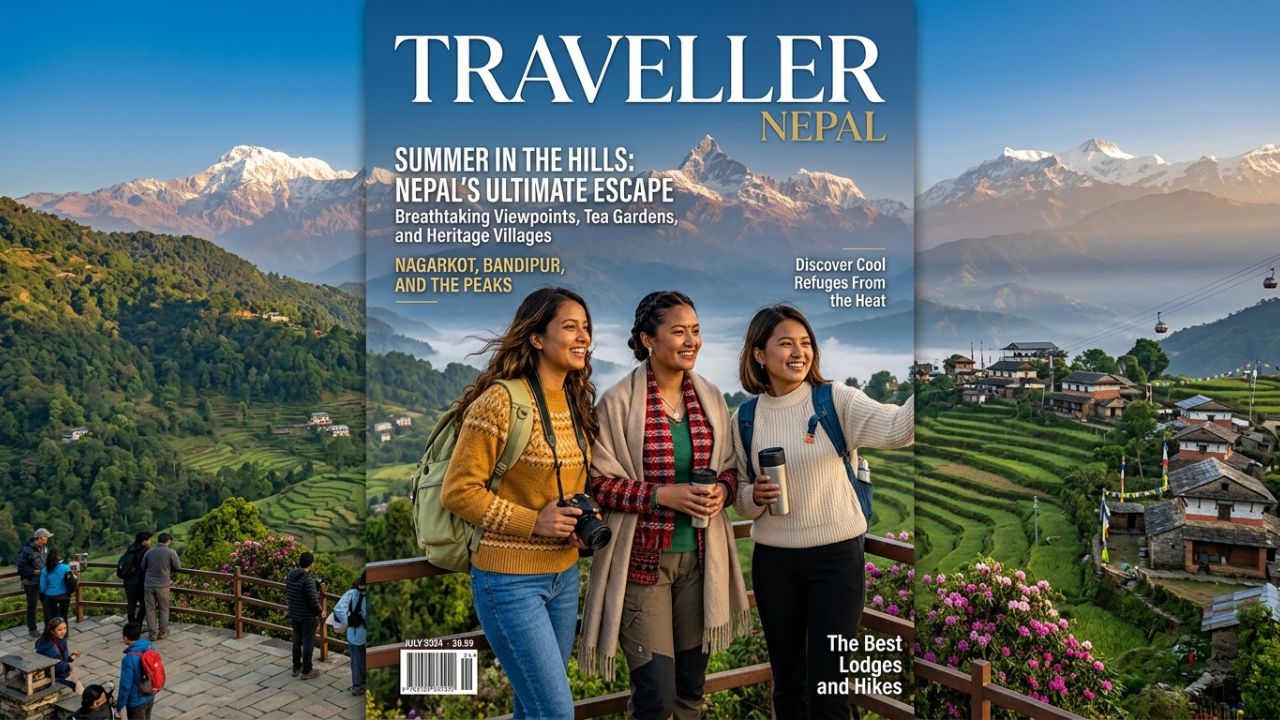
Image generated by AI
Published on June 22, 2026
A significant increase in travel demand is transforming regional tourism as rising temperatures across South Asia push visitors toward the cooler, scenic hill stations in Nepal. As lowlands and urban centers face challenging summer heat, both domestic holidaymakers and international tourists are seeking refuge in elevated retreats. These high-altitude destinations are establishing a vital relief network, offering travelers refreshing mountain air, panoramic views, and lower temperatures.
Quick Summary
- High-Altitude Demand: Evolving weather patterns are driving Nepal tourism demand toward cooler mountain getaways as lowland summer temperatures rise.
- Kathmandu Valley Escapes: Nearby elevated spots like Nagarkot, Dhulikhel, and Chandragiri serve as key short-duration getaways for capital residents.
- Panoramic Views and Heritage: Destinations like Daman and Bandipur combine expansive mountain views with preserved historical architecture.
- Eastern and Western Gateways: Regional retreats such as Kanyam, Bhedetar, and Tansen offer accessible cooling zones for travelers from surrounding plains.
Nepal's geography ranges from southern plains to the highest peaks, creating distinct climates. Intense summer heat makes lowlands uncomfortable, pushing tourists toward elevated towns. Supported by national tourism guides, these stations form a cooling network that sustains regional travel demand.
Local homestays and hotels report high bookings as high-altitude spots transition into essential shelters. Consequently, these cooling zones serve a dual purpose, boosting local economies while providing vital summer climate relief.
Event and Incident Details: Heatwaves Drive Travelers to Major Hill Stations in Nepal
The surge in mountain travel is driven by eleven primary destinations:
- Nagarkot: East of Kathmandu; famous for cooler temperatures and panoramic Himalayan sunrise views.
- Dhulikhel: East of Kathmandu; features terraced slopes, distant peaks, and traditional Newari architecture.
- Daman: Southwest of Kathmandu; provides wide views of the central Himalayan range in a cool climate.
- Bandipur: West of Kathmandu; a ridge town blending open valley views with historic Newari stone streets.
- Sarangkot: Located above Pokhara Valley; popular for breezy lake views and Annapurna sunrise points.
- Tansen: North of Butwal; features winding historic streets and a comfortable moderate-altitude climate.
- Kanyam: Eastern Nepal; renowned for green tea garden slopes, mist, and refreshing wind.
- Chitlang: Southwest of Kathmandu; offers rural forest homestays and natural canopy cooling.
- Chandragiri: Southwest of Kathmandu; accessible via cable car with valley views and fresh air.
- Nuwakot: Northwest of Kathmandu; combines historic palace ruins with a quiet hill environment.
- Bhedetar: Above Dharan; acts as a major mist-covered retreat for hot eastern plains residents.
The table below outlines key metrics comparing the performance and attraction focus of these hill destinations:
| Hill Station Destination | Regional Location | Primary Visual Attraction | Temperature/Climatic Profile |
|---|---|---|---|
| Nagarkot | East of Kathmandu | Himalayan Sunrise Peaks | Cool Mountain Climate |
| Dhulikhel | East of Kathmandu | Terraced Hills & Heritage | Mild Summer Temperatures |
| Daman | Southwest of Kathmandu | Central Himalayan Panorama | Consistently Cool Atmosphere |
| Bandipur | West of Kathmandu | Ridge Views & Architecture | Green Forest Cooling |
| Sarangkot | Above Pokhara Valley | Annapurna Range Sunrise | Breezy Valley Views |
| Tansen | North of Butwal | Winding Streets & History | Comfortable Moderate Elevation |
| Kanyam | Eastern Nepal | Rolling Tea Garden Slopes | Cool Winds & Mist |
| Chitlang | Southwest of Kathmandu | Rural Forests & Meadows | Low Temperature Shade |
| Chandragiri | Southwest of Kathmandu | Kathmandu Valley Lookout | Elevated High-Altitude Air |
| Nuwakot | Northwest of Kathmandu | Historic Fort & Greenery | Moderate Hill Temperature |
| Bhedetar | Above Dharan (East Tarai) | Mist-covered Hills | Sharp Contrast to Tarai Heat |
Risk and Impact: Challenges Facing Hill Stations in Nepal
Despite positive growth, travelers and operators face several structural risks:
- Transit Pressures: Seasonal travel spikes strain narrow roads, causing traffic gridlocks.
- Resource Saturation: Key sites like Nagarkot face water and lodging bottlenecks during peak weekends.
- Eco Footprint: Higher waste volumes threaten fragile high-altitude mountain trails.
- Limited Inventory: Rustic stops like Chitlang lack lodging capacity for sudden group surges.
- Weather Volatility: Mist and summer showers can instantly block scenic peak visibility.
What Authorities Are Saying
The Nepal Tourism Board and local councils emphasize that directing travelers to alternative spots like Tansen and Nuwakot helps distribute economic benefits and ease overcrowding. Local committees in Bandipur and Chitlang continue regulating historic streets and homestays. Officials advise travelers to pre-book and minimize plastic waste on trails.
Practical Traveler Advice Section
Travelers visiting these elevated destinations should follow these recommendations:
- Pre-book Stays: Secure reservations early, especially for weekends in Nagarkot and Bandipur.
- Check Highways: Confirm road status before driving to Daman or Bhedetar viewpoints.
- Bring Layers: Pack rain gear or light layers, as Sarangkot and Kanyam experience mist.
- Avoid Peak Times: Visit popular cable cars like Chandragiri on weekdays to bypass weekend crowds.
- Respect Local Rules: Adhere to heritage protection and waste disposal guidelines in Bandipur.
Broader Context Section: How Elevational Geography Boosts Hill Stations in Nepal
The growing interest in hill stations in Nepal highlights elevational geography in climate adaptation. As temperatures rise, high-altitude towns serve as natural cooling shelters.
Evolving patterns show domestic tourists prioritizing nature-based escapes. Thus, investing in clean transit and eco-friendly lodging at these stations is crucial for the travel economy.
What to Expect Next / Looking Ahead
Looking ahead, local tourism boards plan to expand homestay programs in secondary hill destinations to ease pressure on major hubs. Infrastructure updates will focus on improving cable car safety, upgrading mountain roads, and enhancing local water distribution.
Additionally, travelers can expect expanded regional flights connecting plains districts directly to elevated areas. Continued coordination between national agencies and local homestay associations will aim to keep high-altitude travel accessible and sustainable throughout the summer season.
Conclusion
In conclusion, exploring the hill stations in Nepal offers an outstanding opportunity for ecological discovery and climate relief. While remote transits require careful preparation, the result is a preserved, authentic mountain experience. With proactive planning, travelers can easily navigate and support these leading sanctuaries.
Related Travel Guides
The 10 Best Trekking Routes in Nepal, According To Reddit
FAQ: Nepal's Hill Stations and Summer Travel
Why is travel demand increasing for hill stations in Nepal?
Rising summer temperatures in lowland plains and urban areas are driving travelers toward cooler, high-altitude hill stations for relief and recreation.
Which hill stations are closest to the Kathmandu Valley?
Nagarkot, Dhulikhel, Chandragiri (accessible via cable car), and Chitlang are located close to Kathmandu, making them popular choices for short weekend breaks.
What makes Bandipur a unique destination?
Bandipur is situated on a high ridge west of Kathmandu and is famous for its preserved traditional Newari architecture, stone-paved streets, and panoramic mountain views.
Which hill station is popular for travelers in Pokhara?
Sarangkot is a prominent viewpoint positioned directly above the Pokhara Valley, renowned for its spectacular sunrise views over the Annapurna mountain range.
Where can travelers experience tea plantations in Nepal?
Kanyam in eastern Nepal is widely recognized for its rolling green tea gardens, misty environment, and cool winds, drawing visitors from the surrounding plains.
Disclaimer
This article is for informational and educational purposes only. It does not constitute legal, financial, or professional advice. While we strive to provide accurate and up-to-date information, travel policies, regulations, and conditions change rapidly. Always verify information with official sources before making travel decisions. Nomad Lawyer makes no representations about the accuracy, reliability, completeness, or suitability of the information provided. Readers should consult qualified professionals for advice specific to their circumstances. The views expressed in this article are those of the author and do not necessarily reflect the views of Nomad Lawyer.
Kunal K Choudhary
Co-Founder & Contributor
A passionate traveller and tech enthusiast. Kunal contributes to the vision and growth of Nomad Lawyer, bringing fresh perspectives and driving the community forward.
Learn more about our team →