
Mumbai Suburban Railway to Deploy 238 Vande Metro Trains to Modernize Urban Transit by 2026
Mumbai is transforming its suburban rail network with 238 Vande Metro-style trains to increase capacity and safety for 7.5 million daily commuters.

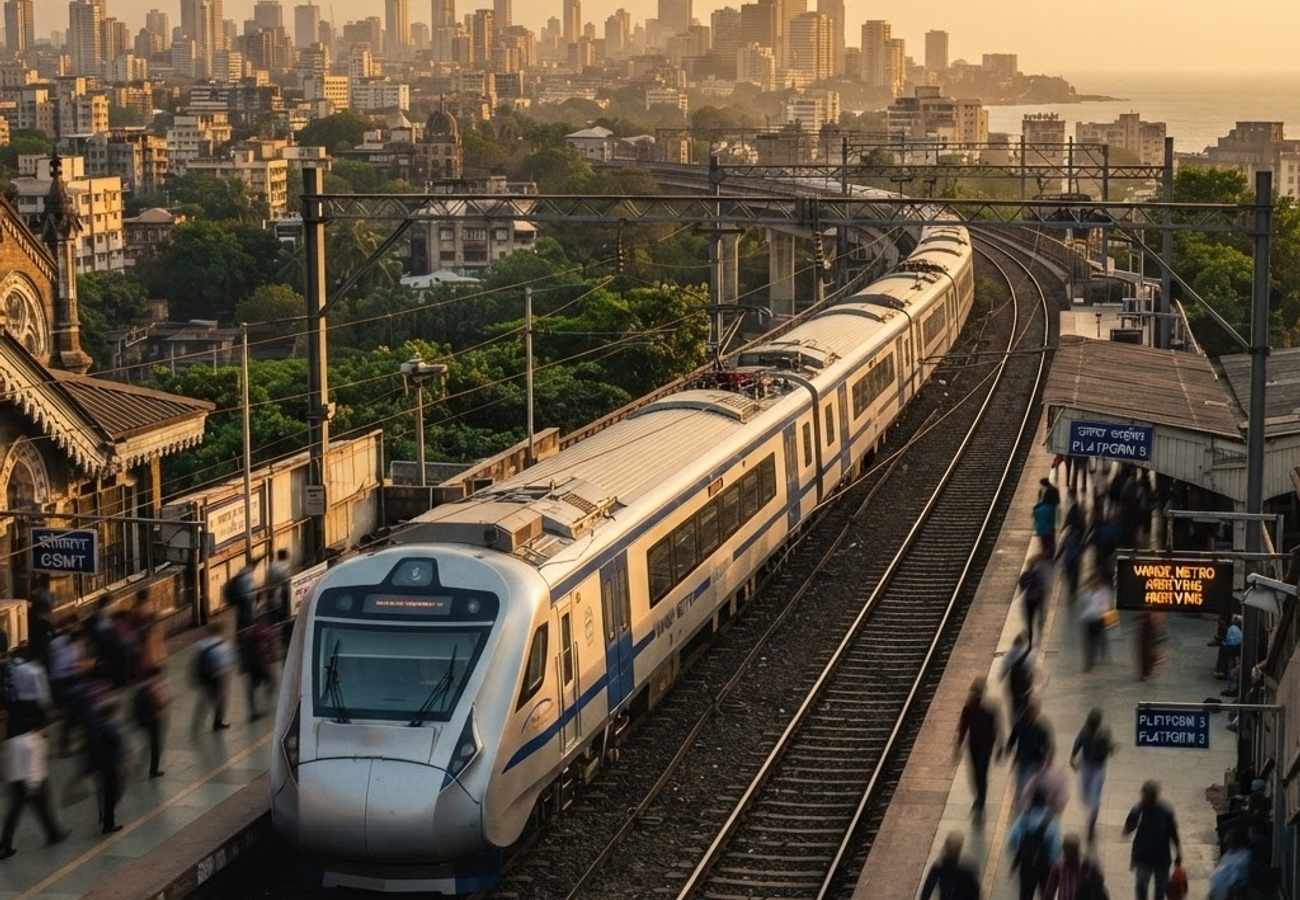
Image generated by AI
Over 7.5 million passenger journeys are made on a typical weekday across Mumbai’s suburban rail network. To sustain this volume, the city is now moving 238 new Vande Metro-style trains into a critical manufacturing and deployment phase.
The "lifeline of Mumbai" is undergoing a generational shift. The Mumbai Urban Transport Project is overseeing the introduction of 238 new trainsets designed to replace aging, non-air-conditioned rolling stock. These trains are not merely replacements but a complete redesign of the suburban experience, utilizing the high-tech DNA of the Vande Bharat family and tailoring it for the grueling demands of short-distance, high-frequency urban transit.
The Shift to Vande Metro Technology
For years, Mumbai has relied on electric multiple units that were never engineered for current passenger densities. The new fleet introduces a standardized technology stack across the Western and Central Railway corridors. By adopting the Vande Metro configuration, the city is moving away from incremental updates toward a system defined by three-phase propulsion and regenerative braking.
The technical priority here is the power-to-weight ratio. Because Mumbai's stations are closely spaced, the ability to accelerate and decelerate rapidly is the only way to increase the number of services per hour without laying new tracks. This efficiency is paired with a design focused on "super dense crush load" conditions.
Visitors and commuters will notice a stark departure from the traditional open-door coaches. The new fleet features:
- Climate Control: Full air conditioning to combat Mumbai's humidity.
- Safety Systems: Automatic doors and continuous CCTV coverage.
- Optimized Interiors: Wide gangways, longitudinal seating, and large door apertures to reduce dwell times at platforms.
Cultural and Environmental Value
The transition to a Vande Metro fleet represents more than just a hardware upgrade; it is a move toward humanizing one of the most stressful commutes on earth. For the visitor, the real impact is a safer, more predictable navigation of the city. The introduction of automatic doors directly addresses long-standing safety concerns regarding overcrowding and track trespassing.
From an environmental standpoint, the shift is significant. The use of lighter aluminium and stainless-steel car bodies, combined with regenerative braking, reduces the energy consumption per passenger. This aligns with broader regional goals to decarbonize urban transport. Furthermore, the "Make in India" industrial policy ensures that the supply chain and maintenance hubs are localized, supporting regional engineering jobs and ensuring the fleet can be serviced without relying on foreign parts.
Visitor Insider Tips
Navigating Mumbai's rail system during this transition requires a bit of local knowledge:
- Peak Hour Windows: Avoid the suburban lines between 8:00 AM – 11:00 AM and 6:00 PM – 9:00 PM. If you must travel, the new AC Vande Metro coaches provide a sanctuary from the heat, though they may command different ticketing tiers.
- Station Etiquette: At major hubs like Chhatrapati Shivaji Maharaj Terminus (CSMT) and Churchgate, follow the flow of the crowd. The new automatic doors will change the boarding rhythm—wait for passengers to alight fully before entering.
- Hidden Gem: While the trains are the focus, take time to explore the heritage architecture of the stations themselves, which are often overlooked in the rush.
- Digital Integration: Use the official railway apps to track the phased rollout of the new fleet, as specific lines will be upgraded before others.
Tourism and Transit Outlook
The deployment of 238 trains is a cornerstone of a larger strategy. While rolling stock is vital, the long-term success of Mumbai's transit depends on the integration of these trains with new metro lines and modernized signaling.
The movement from the planning phase to active manufacturing marks a turning point. As these trains enter service in the second half of the decade, they will likely stabilize the network's reliability, making the city more accessible to international tourists who previously avoided the suburban rail due to the intensity of the experience. By balancing the need for high-capacity "crush load" management with modern comforts, Mumbai is setting a blueprint for other mega-cities in the Global South.
A faster, cooler, and safer commute is finally arriving for the city that never stops.
Related Travel Guides
Disclaimer
This article is for informational and educational purposes only. It does not constitute legal, financial, or professional advice. While we strive to provide accurate and up-to-date information, travel policies, regulations, and conditions change rapidly. Always verify information with official sources before making travel decisions. Nomad Lawyer makes no representations about the accuracy, reliability, completeness, or suitability of the information provided. Readers should consult qualified professionals for advice specific to their circumstances. The views expressed in this article are those of the author and do not necessarily reflect the views of Nomad Lawyer.
Raushan Kumar
Founder & Lead Developer
Full-stack developer with 11+ years of experience and a passionate traveller. Raushan built Nomad Lawyer from the ground up with a vision to create the best travel and law experience on the web.
Learn more about our team →