
Middle East Tourism Spending Set for Massive Growth as Travel Economy could Reach $408 Billion by 2030: All You Need to Know
Middle East Tourism Spending Set for Massive Growth as Travel Economy could Reach $408 Billion by 2030: All You Need to Know

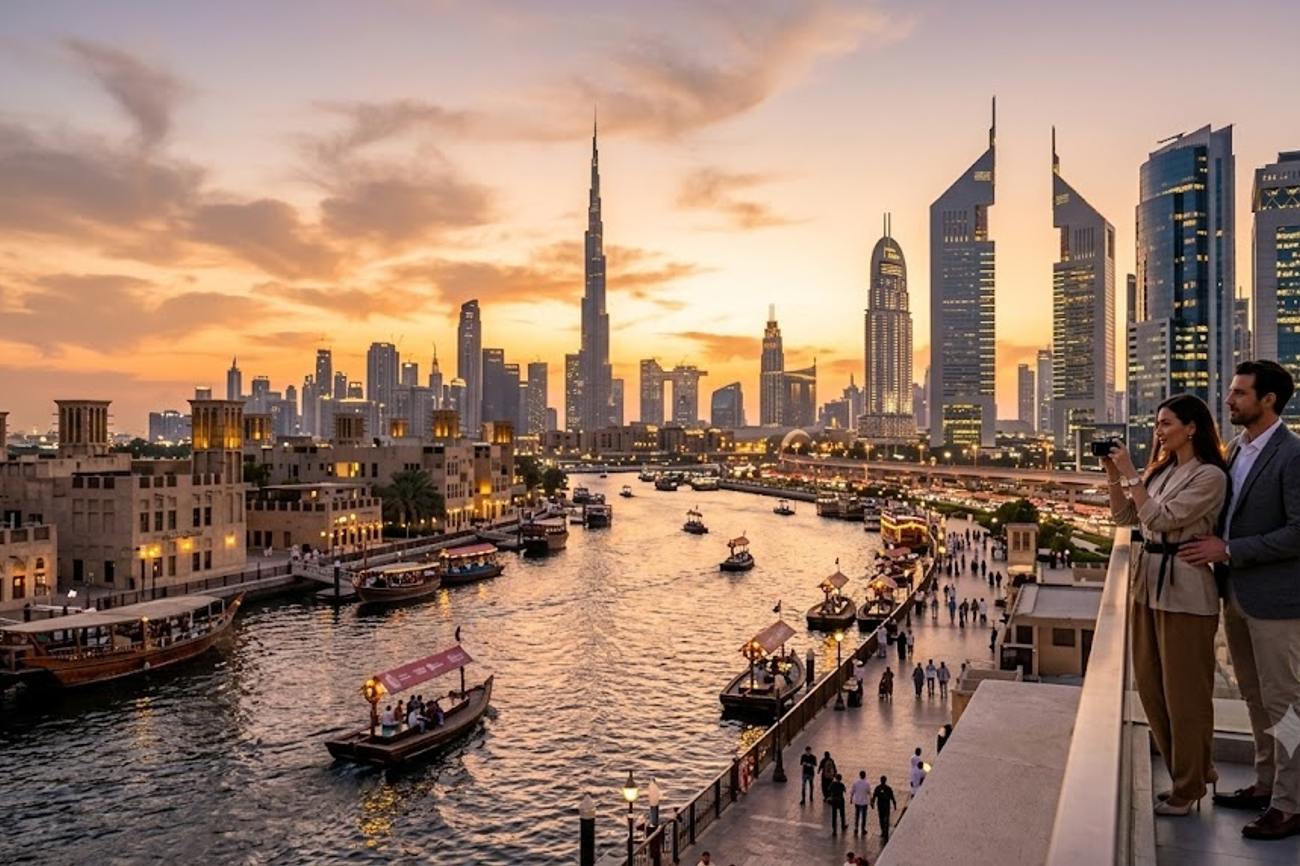
Image generated by AI
[Dubai, October 2024] — Tourism spending across the Middle East is projected to surge to $408 billion by 2030, marking a 57 per cent increase over current expenditure levels. This aggressive growth trajectory is fueled by a systemic shift in regional economic strategies, moving away from a reliance on oil and luxury business travel toward a diversified portfolio of culture, adventure, and sustainable tourism.
The expansion is being spearheaded by the Gulf Cooperation Council (GCC) nations, specifically the United Arab Emirates, Saudi Arabia, Qatar, Oman, and Bahrain. These states are deploying massive capital investments into aviation infrastructure, hospitality capacity, and "mega-projects" designed to transform the region into a primary global tourism hub for travelers from Asia, Europe, Africa, and the Americas.
The Catalyst for Regional Expansion
The primary driver of this spending spike is a coordinated effort by national governments to diversify their economies. By investing in non-oil sectors, these nations are building entire tourism ecosystems from the ground up. This includes the construction of high-capacity airports, the development of sprawling cultural districts, and the creation of nature-based tourism zones.
The strategy relies on moving beyond the "luxury-only" image. While high-end resorts remain a staple, the region is now aggressively marketing heritage sites, religious pilgrimage centers, and eco-friendly destinations to capture a broader demographic of international travelers.
Markets and Destinations Impacted
The tourism transformation is not uniform; each nation is carving out a specific niche to avoid internal competition and maximize regional appeal.
| Country | Primary Strategic Focus | Key Growth Drivers |
|---|---|---|
| Saudi Arabia | Heritage & Religious | Vision 2030, AlUla, Red Sea projects, Makkah/Madinah |
| UAE | Luxury & Aviation | Dubai's theme parks, Abu Dhabi's museums, global transit |
| Qatar | Sports & Culture | International sporting events, museum districts |
| Oman | Nature & Adventure | Mountain trekking, coastal heritage, eco-tourism |
| Bahrain | Leisure & Regional | Cultural sites, regional short-stay tourism |
Saudi Arabia, in particular, is leveraging its Vision 2030 framework to scale its tourism sector. The Kingdom is focusing on five distinct segments: heritage (ancient archaeological sites), religious (pilgrimage), entertainment (festivals and concerts), coastal (Red Sea marine experiences), and adventure (desert exploration).
Practical Traveler Advisory and Strategic Insights
For the average traveler, this shift represents a transition from the Middle East being a "stopover destination" to a "primary destination." The practical implications include:
- Diversified Price Points: The move toward culture and adventure tourism means more options beyond five-star luxury hotels, including boutique heritage stays and eco-lodges.
- Multi-City Itineraries: Enhanced connectivity between hubs like Riyadh, Dubai, and Doha allows travelers to combine multiple countries into a single trip more efficiently.
- Expanded Access: Increased flight frequencies and new routes from major global carriers are reducing travel times and costs for those entering the region.
- Year-Round Programming: The shift toward "event-based tourism"—including global sports competitions and music festivals—means there is now a consistent calendar of attractions regardless of the season.
Aviation Infrastructure and Global Connectivity
The projected $408 billion spending increase is physically dependent on the region's ability to move millions of people. Aviation remains the backbone of this growth, with massive investments flowing into key hubs to handle increased passenger volumes.
The Dubai International Airport (DXB) continues to serve as the primary global connection point, while Hamad International Airport (DOH) in Qatar acts as the gateway for sports and transit travelers. Simultaneously, Saudi Arabia is aggressively expanding connectivity through its airports in Riyadh and Jeddah to accommodate the influx of both religious pilgrims and leisure tourists.
This aviation expansion is designed to create a seamless "tourism corridor," where a traveler can land in one Gulf capital and easily migrate to another via short-haul flights or improved regional transport links.
The Rise of Cultural and Event Tourism
A significant portion of the projected spending growth is tied to "experience-based" travel. The region is pivoting toward the preservation and monetization of its historical identity. This includes the development of traditional markets (souks), heritage villages, and the modernization of ancient archaeological sites.
By blending heritage with innovation, the Middle East is attempting to create a unique value proposition that cannot be replicated in other markets. This is complemented by a surge in large-scale events. From international sports tournaments to business conferences and cultural exhibitions, these events act as "anchor attractions" that draw visitors who then spend additional funds on local hospitality and retail.
Hospitality Sector Evolution
The hospitality industry is reacting to these projections by diversifying its offerings. We are seeing a move away from standardized international hotel chains toward more personalized, localized experiences.
Current trends in the regional hospitality market include:
- Luxury Resort Expansion: High-end developments along the Red Sea and Gulf coasts.
- Digital Integration: Rapid adoption of digital travel services and seamless booking ecosystems.
- Wellness Integration: A rise in spa retreats and health-focused resorts to attract the growing wellness travel segment.
- Eco-Friendly Infrastructure: New hotel builds focusing on sustainability to meet the demands of environmentally conscious travelers.
FAQ: Middle East Tourism 2030
Will travel to the Middle East become more expensive as it grows? While luxury spending is projected to rise, the diversification into adventure and cultural tourism is introducing more varied price points. Travelers will have more options beyond ultra-luxury resorts, including mid-range and eco-friendly accommodations.
Which countries are best for first-time visitors seeking culture? Saudi Arabia (AlUla), the UAE (Abu Dhabi’s museums), and Oman (heritage sites) are currently the leaders in cultural investment. Each offers a different perspective, from ancient ruins to modern art.
How has aviation connectivity improved for tourists? Major hubs like Dubai and Doha have expanded their international route networks, while Saudi Arabia is increasing flights into Riyadh and Jeddah, making it easier to visit multiple countries in one journey.
Is the region safe for adventure and nature tourism? Yes. Countries like Oman and Saudi Arabia are investing heavily in regulated adventure tourism, including desert landscapes and marine experiences, with improved safety infrastructure and professional guiding services.
The Middle East is no longer just a bridge between East and West—it is becoming the destination.
Related Travel Guides
Disclaimer
This article is for informational and educational purposes only. It does not constitute legal, financial, or professional advice. While we strive to provide accurate and up-to-date information, travel policies, regulations, and conditions change rapidly. Always verify information with official sources before making travel decisions. Nomad Lawyer makes no representations about the accuracy, reliability, completeness, or suitability of the information provided. Readers should consult qualified professionals for advice specific to their circumstances. The views expressed in this article are those of the author and do not necessarily reflect the views of Nomad Lawyer.
Kunal K Choudhary
Co-Founder & Contributor
A passionate traveller and tech enthusiast. Kunal contributes to the vision and growth of Nomad Lawyer, bringing fresh perspectives and driving the community forward.
Learn more about our team →