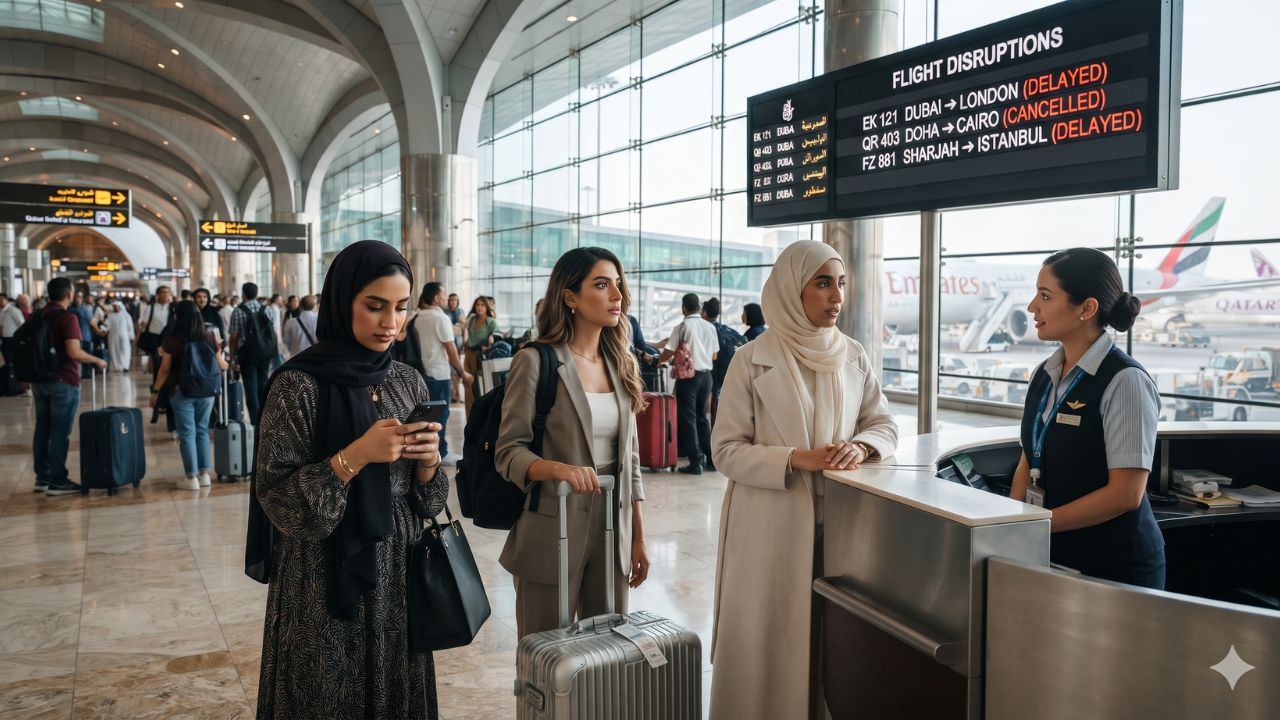
Middle East Airspace Congestion Triggers Over 570 Flight Delays Across Dubai, Istanbul, and Saudi Hubs

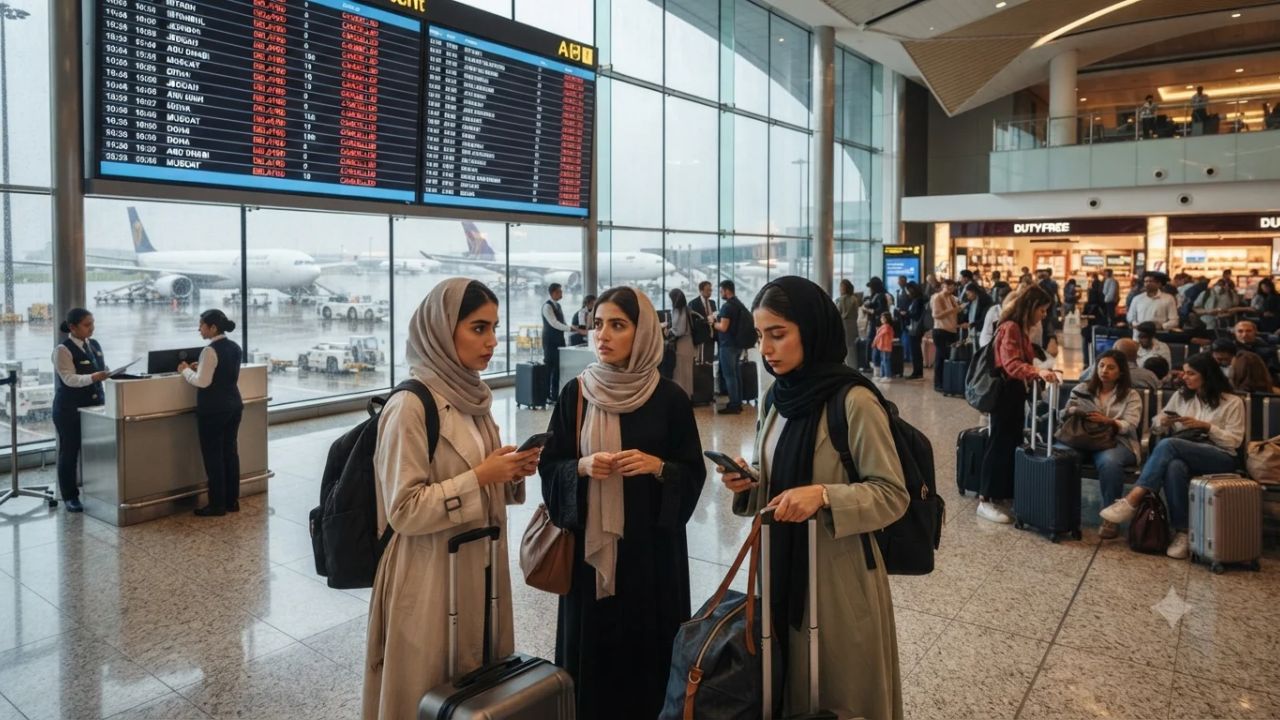
Connecting more than a quarter of all long-haul aviation traffic between Europe, Asia, and Africa, Middle East transit corridors absorbed severe operational strain as regional airspace adjustments triggered 572 flight delays and 47 cancellations across major Gulf and Red Sea gateways. Dubai International Airport (DXB) recorded the highest concentration of schedule friction in the region with 157 delayed flights and 7 cancellations, while Istanbul Airport (IST) logged 143 delays and 5 cancellations, leaving thousands of connecting passengers facing tight layover transfers.
The ripple effect spread across the Arabian Peninsula, impacting flag carriers and low-cost operators alike. In the United Arab Emirates, Abu Dhabi International Airport (AUH) recorded 99 delays and 2 cancellations, primarily affecting Etihad Airways operations. Simultaneously, commercial hubs across the Kingdom of Saudi Arabia absorbed notable schedule adjustments, led by King Abdulaziz International Airport in Jeddah and King Khalid International Airport in Riyadh, which each logged 72 to 75 delays and 9 cancellations.
Regional Flight Funnels: How Hub Congestion Stalled Megahub Runways
The concentrated disruption highlights the sensitive nature of Middle Eastern airspace, where narrow civil aviation corridors must accommodate massive waves of widebody aircraft arriving simultaneously during early morning and late-night connection banks.
According to operations bulletins from Dubai Airports, intense air traffic volume combined with regional corridor sequencing created departure ground holds and extended holding patterns over the Persian Gulf. In Saudi Arabia, the General Authority of Civil Aviation managed simultaneous flight revisions across secondary provincial airfields, where groundings prevented regional turnarounds:
- Jeddah (JED): Logged 75 delays and 9 cancellations, affecting international pilgrimage arrivals and Red Sea business traffic.
- Riyadh (RUH): Posted 72 delays and 9 cancellations during peak domestic and diplomatic banks.
- Abha Regional Airport: Recorded 8 delays and 6 cancellations in the southern highlands.
- Gizan and Najran Regional Airports: Each logged 4 cancellations as feeder rotations were suspended.
- Kuwait International Airport (KWI): Absorbed 18 delays and 1 cancellation on regional commuter links.
In Türkiye, operations at Istanbul Airport faced compounding rotational delays on eastbound departures heading toward Gulf airspace, producing 143 delayed flights across connecting concourses.
Carrier Operations Breakdown: Etihad, Turkish Airlines, and Saudia Face Delays
Major network carriers bearing extensive global transfer operations experienced the highest operational exposure during the schedule disruption:
- Turkish Airlines: Absorbed the greatest total delay volume among individual airlines, logging 118 delayed flights (7 percent of its total network schedule) and 3 cancellations.
- Etihad Airways: Experienced a high proportional impact at its Abu Dhabi hub, recording 80 delays representing 23 percent of its scheduled operations, alongside 2 cancellations.
- Saudia: Registered 47 delays (9 percent of operations) and 12 cancellations (2 percent), driven largely by aircraft repositioning across domestic and regional networks.
- FlyDubai: Logged 33 delays (11 percent of its schedule) and 3 cancellations on short-haul Gulf and Central Asian corridors.
- Royal Jordanian: Recorded 6 delays (4 percent of operations) and 2 cancellations connecting through Amman.
Because long-haul Gulf carriers rely on high-efficiency bank structures—where sixty aircraft land, exchange transfer passengers, and depart within a two-hour window—an initial delay of forty minutes on an inbound European flight often causes multiple departing flights to Asia and Australia to hold at gates to protect passenger luggage and connecting travelers.
What Makes Middle Eastern Megahubs Different: The Transit Experience
Unlike point-to-point European or North American domestic airports, the primary aviation centers of the Middle East function essentially as 24-hour global transfer terminals. At hubs like Dubai, Abu Dhabi, and Istanbul, over 70 percent of passengers never clear passport control; they transit seamlessly between concourses filled with tranquil indoor gardens, sleeping pods, and luxury retail promenades.
The scale of these facilities requires passengers to plan for substantial walking distances. Concourse A to Concourse C at Dubai International spans more than two kilometers, navigated via automated underground trains and high-speed moving walkways. When delays compress a scheduled three-hour layover down to forty minutes, navigating transfer security and gate changes requires swift action and clear assistance from airport ground hosts.
For passengers whose connections are severed overnight, Gulf hub carriers maintain streamlined hotel voucher desks inside the transit zone, granting travelers access to airside transit hotels or providing complimentary entry visas and shuttle transfers to nearby city hotels.
Visitor Insider Tips: Layover Hacks, Sleep Lounges, and Rebooking
Navigating unexpected flight delays in Middle Eastern transit hubs requires practical knowledge of airside facilities and mobile rebooking tools.
- Check Gate Locations Immediately Upon Landing: Terminal screens in Dubai and Istanbul update departure gates dynamically. As soon as you step off the jetbridge, check the nearest digital flight display to confirm whether your connecting gate has changed concourses.
- Utilize Dedicated Hourly Sleep Pods: If faced with a five-hour delay in Dubai or Abu Dhabi, avoid crowded gate seating. Book an airside sleep pod or cubicle at SnoozeCube or Aerotel, which offer quiet, soundproof resting spaces with high-speed charging and shower facilities.
- Seek Out Airline Transit Desks for Misconnections: If an incoming delay causes you to miss an onward flight on Emirates, Etihad, or Saudia, proceed directly to the dedicated Connection Services desk before exiting into the main concourse. Customer service agents can issue replacement boarding passes and meal vouchers in a single transaction.
- Carry Essential Toiletries and Medication in Cabin Bags: During high-volume hub disruptions, checked luggage is automatically transferred to the rebooked flight and cannot be retrieved during unexpected layovers. Keep essential medicines, a fresh change of clothes, and mobile power banks in your carry-on luggage.
Cultural and Economic Context: The Resilience of Gulf Aviation Crossroads
The strategic geography of the Arabian Peninsula has positioned the Middle East as the undeniable crossroads of modern global commerce. Over the past three decades, billions of dollars in infrastructure investment have transformed desert coastal hubs into vital air corridors connecting emerging economies in Asia and Africa with established Western capitals.
Managing high-density air traffic over complex regional geopolitical corridors requires continuous operational coordination between civil aviation authorities. The swift stabilization of schedules following temporary airspace congestion demonstrates the institutional resilience and technological sophistication of modern Middle Eastern air navigation systems.
For international travelers, these mega-hubs remain the most convenient and dependable gateways spanning the globe. By investing in transparent passenger communication, expansive airside hospitality, and automated transit logistics, regional airports continue setting global benchmarks for passenger care during periods of operational disruption.
FAQ: Navigating Middle East Flight Delays 2026
Which Middle East airport experienced the highest delays during the disruption? Dubai International Airport (DXB) recorded the highest disruption total with 157 flight delays and 7 cancellations, followed by Istanbul Airport with 143 delays.
What happens if I miss my connecting flight in Dubai or Abu Dhabi due to an airline delay? If traveling on a single ticket, the operating carrier will automatically rebook you onto the next available onward flight and provide complimentary meal vouchers or hotel accommodations for extended layovers.
Do I need a transit visa for an extended layover in Dubai or Istanbul? Passengers remaining within the international airside transit area do not require a visa, while travelers wishing to exit the airport during long delays can obtain visas on arrival or electronic entry depending on nationality.
How can I track real-time flight status for Middle East connections? Travelers should monitor the official mobile applications of their operating airline (such as Emirates, Etihad, or Turkish Airlines) alongside official airport portal displays for live departure gate updates.
[Across starlit runways and grand desert terminals, the crossroads of the world keeps global travelers moving with resilience and care.]
Related Travel Guides
The Complete Guide to Dubai Airport Transit: Terminal 3 Lounges, Dining, and Sleep Pods
Istanbul Airport Layover Guide: Free City Tours, Transit Hotels, and Shopping
Abu Dhabi to Riyadh Road and Flight Guide: Luxury Stays and Cultural Circuits
This article is for informational purposes. Flight routes, passenger regulations, visa rules, and transit advisories are subject to change by airlines and aviation authorities. Readers are advised to verify schedules and travel documentation with relevant carriers and border agencies before departure.
Related Stories
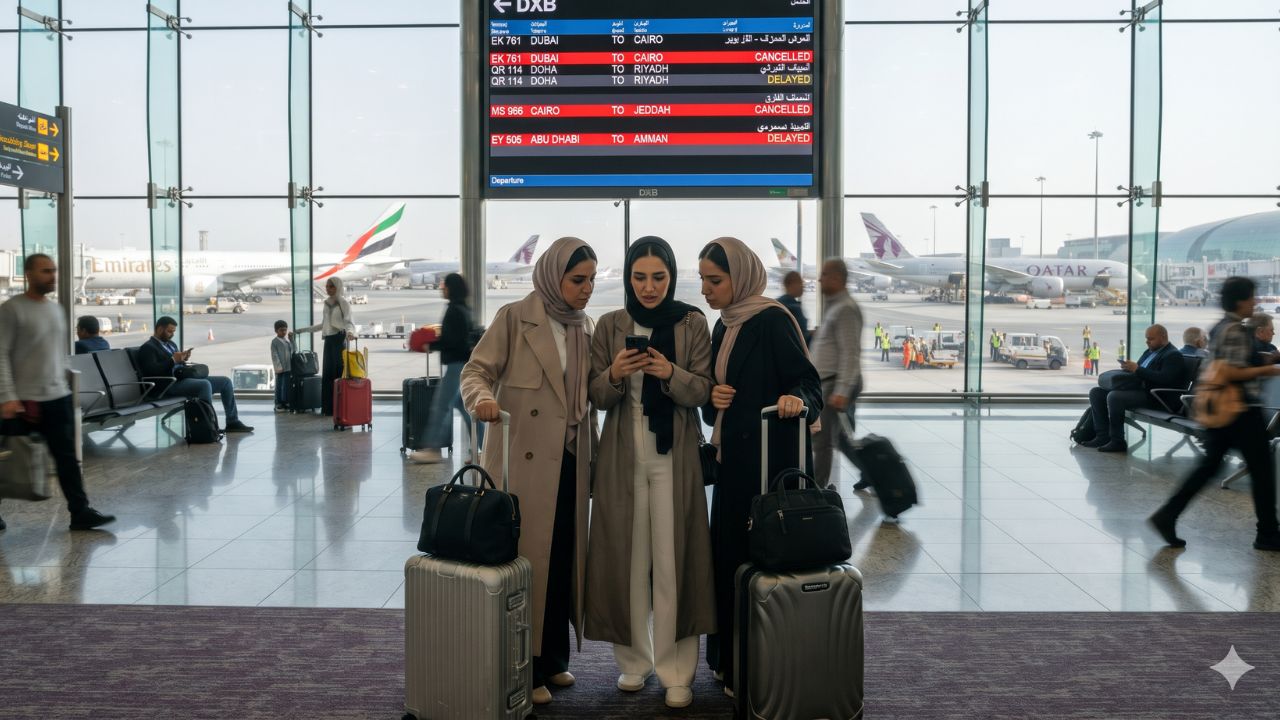
Middle East Flight Disruptions: Over 1,180 Delays and 106 Cancellations Across Gulf Hubs
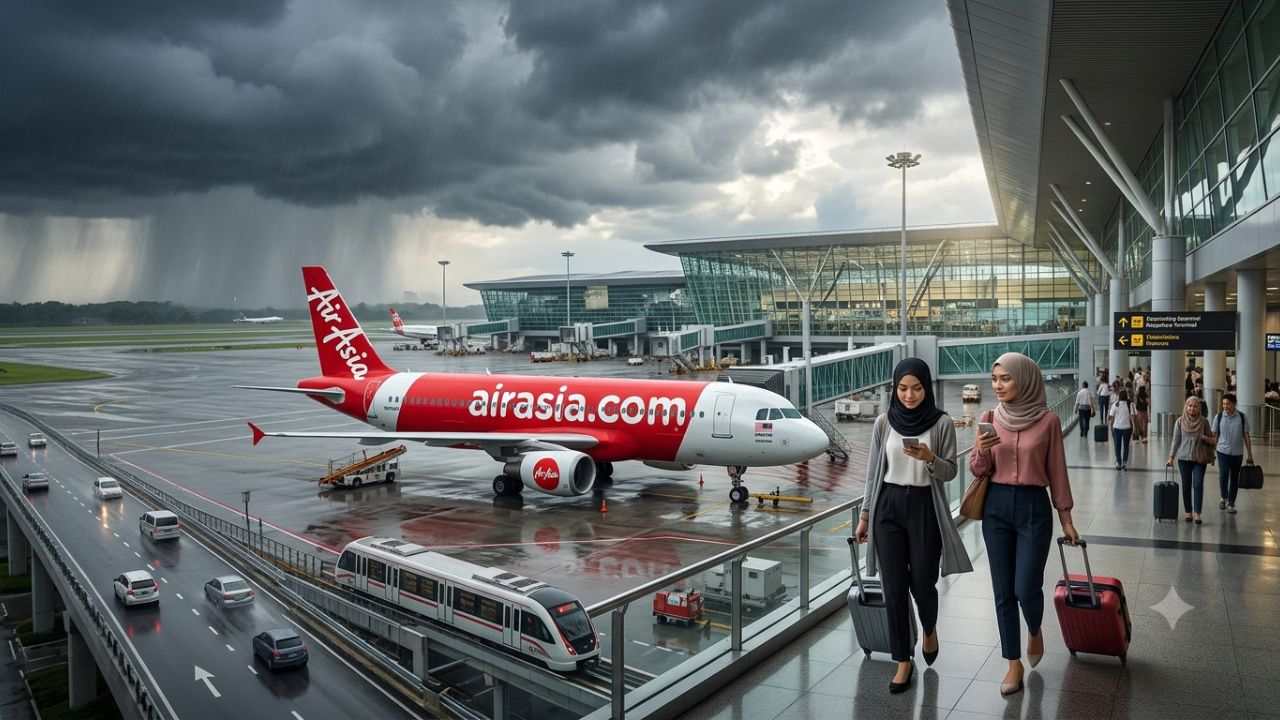
Malaysia Enters Northeast Monsoon Season as AirAsia Issues Urgent KLIA Terminal 2 Travel Advisory