
Amsterdam Schiphol Unveils Continental Europe's First Centurion Lounge: A New Era for Dutch Luxury Travel

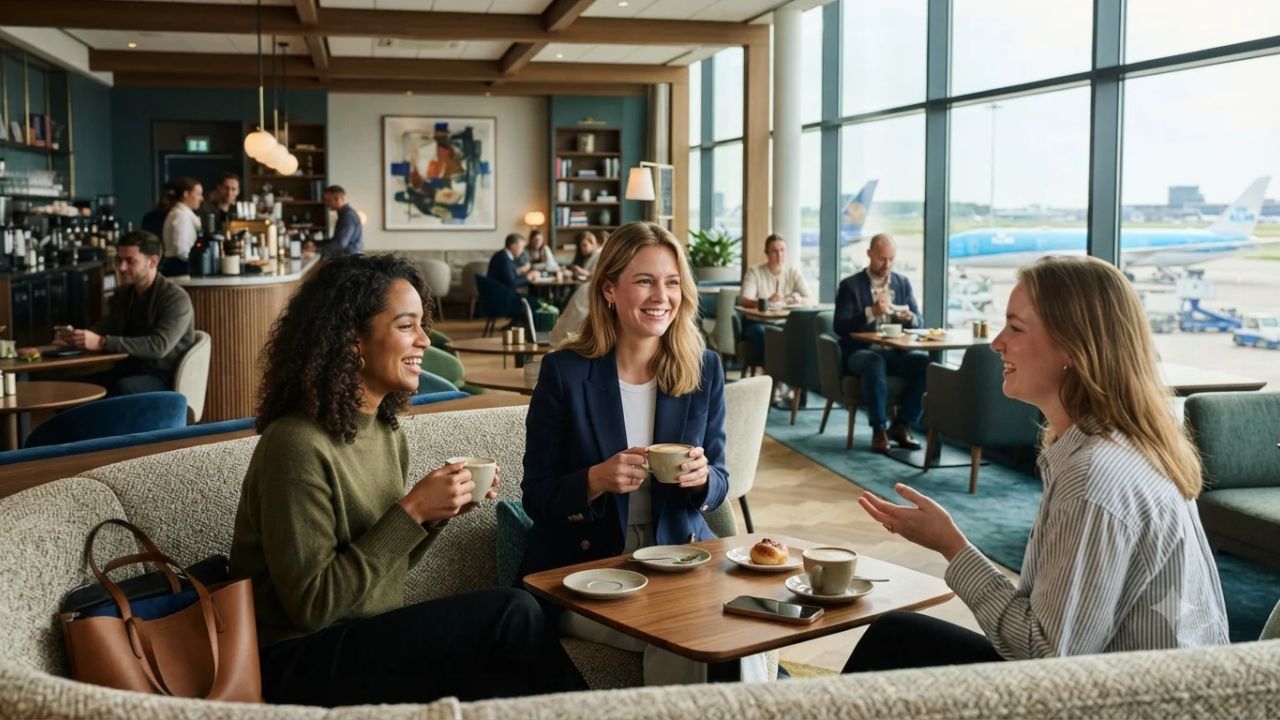
Handling more than 68.8 million passengers in 2025 across its sprawling single-terminal concourse, Amsterdam Airport Schiphol has officially debuted the very first American Express Centurion Lounge on mainland Europe. Opened on September 17, 2026, the nearly 6,000-square-foot sanctuary between Concourses E and F marks the 33rd outpost in the global Centurion network. Rather than delivering a generic VIP waiting pen, the space operates as a curated cultural pavilion, integrating original works by contemporary Dutch artists, canal-house architectural motifs, and artisanal regional roast coffee for transiting global voyagers.
The expansion reflects a profound shift in how international flyers interact with gateway aviation hubs. As highlighted by Netherlands Board of Tourism & Conventions, airport terminals across the country are increasingly designed as cultural extensions of their home cities. At Schiphol, this philosophy manifests through earth, green, and cobalt blue interior palettes evoking Dutch waterworks, paired with original gallery installations by acclaimed regional creators including Mieke Jonker, Reinder Schmidt, Geesien Postema, and Thirza Schaap.
Transforming the Airport Concourse into a Dutch Cultural Showcase
Positioned airside in Schiphol's non-Schengen international zone between Concourses E and F, the new lounge operates daily from 6:00 a.m. to 9:30 p.m., catering to high-yield business and leisure flyers embarking on transatlantic and intercontinental journeys. Beyond high-speed private work pods and bespoke dining stations, the retreat features the signature Blue Roast Coffee Bar, paying homage to the Netherlands' centuries-old coffee roasting heritage with single-origin beans and traditional Dutch stroopwafels.
The lounge's physical design takes direct aesthetic cues from Amsterdam's 17th-century Golden Age architecture. Clean vertical wood lines and geometric acoustic ceiling baffles mirror the iconic gabled rooflines of UNESCO-protected canal mansions. Custom cocktail menus curated by world-class mixologists highlight local Dutch spirits, including craft genever (traditional Dutch gin) infusions, paired with seasonal culinary offerings that showcase Noord-Holland cheeses, sustainable North Sea seafood, and farm-to-table root vegetables.
This hospitality investment arrives as Amsterdam strengthens its appeal to discerning travelers who combine international corporate conferences with extended leisure stays—a trend known widely as "bleisure" travel. By providing premium arrival and departure infrastructure directly inside Amsterdam Airport Schiphol, the Dutch hub cements its position as Western Europe's most seamless transit capital.
What Makes Amsterdam's Cultural Identity Different
Amsterdam is an urban marvel defined by its mastery of water, historic preservation, and progressive design. Inscribed on the UNESCO World Heritage List, the seventeenth-century canal ring network—encompassing the Herengracht, Keizersgracht, and Prinsengracht—creates an intimate, concentric street layout where historic brick warehouses have transformed into Michelin-starred dining rooms and independent design ateliers.
Unlike high-density skyscraper cities, Amsterdam preserves an intimate human scale powered by bicycle transit, where over 60 percent of inner-city trips take place on two wheels. The cultural district around the Museumplein hosts world-defining institutions including the Rijksmuseum, the Van Gogh Museum, and the Stedelijk Museum of Modern Art, while the historic Jordaan district charms visitors with narrow alleys, courtyards (hofjes), and canal-side flower markets.
Venturing just 20 to 45 minutes beyond the city center reveals contrasting Dutch regional traditions. Travelers can cycle through the historic windmills and wooden craft workshops of Zaanse Schans, explore the tranquil sunken canal wharves of medieval Utrecht, or witness the vibrant springtime bulb fields surrounding Keukenhof. This harmony between historic preservation and contemporary urban design makes the Netherlands one of Europe's most rewarding destinations.
Visitor Insider Tips
Maximizing your journey through Amsterdam and Schiphol requires thoughtful planning, local etiquette awareness, and smart transit strategies:
- Navigate Peak Concourse Hours: Schiphol's non-Schengen departure gates between Concourses E, F, and G experience concentrated departure waves between 8:30 AM to 11:00 AM and 1:30 PM to 4:30 PM. Arrive at the Centurion Lounge early during these windows to secure quiet private work pods and window-side runway seating.
- Master the Direct Train to Centraal Station: Never pay expensive taxi fares from Schiphol into the city center. Dutch Railways (NS) trains depart directly from the underground station beneath Schiphol Plaza every 10 minutes, whisking passengers to Amsterdam Centraal in just 14 minutes.
- Strict Bicycle Lane Etiquette: When walking along Amsterdam's canals, never stroll or stand inside designated red-paved bike paths (fietspaden). Cyclists travel at high speeds and have right of way; look both ways before stepping off sidewalks.
- Book Museum Time Slots Weeks in Advance: Same-day walk-up tickets are virtually nonexistent for the Van Gogh Museum and Anne Frank House. Reserve your designated admission slots online three to six weeks before departure.
- Explore Lesser-Known Canal Quarters: Escape peak tourist density around Dam Square by basing yourself in the leafy Plantage district, the historic Western Islands (Westelijke Eilanden), or the design-forward waterfront of Amsterdam-Noord, reached via free municipal ferries behind Centraal Station.
Cultural and Environmental Context
Amsterdam is at the global forefront of balancing international visitor popularity with community livability and environmental protection. To protect the residential peace of historic canal neighborhoods, municipal authorities have implemented strict caps on tourist accommodations, restricted short-term holiday rentals, and enacted comprehensive emissions zones requiring electric canal boats and zero-emission city buses.
Schiphol Airport itself operates under stringent national environmental regulations designed to limit noise pollution and reduce aviation carbon footprints across the Randstad region. Investments in electric ground support vehicles, electrified aircraft gates, and direct rail integration ensure that travelers transition smoothly from international flights to low-carbon public transit.
By staying in eco-certified boutique hotels, dining at restaurants that source organic produce from regional Dutch polders, and exploring the city via public transport and bicycles, visitors directly support the Netherlands' circular economic goals. Sustainable travel in Amsterdam ensures that its historic waterways and vibrant creative communities continue to thrive for centuries to come.
FAQ: Visiting Amsterdam 2026
Where is the new Centurion Lounge located inside Schiphol Airport?
The lounge is situated airside in the non-Schengen departure area between Concourses E and F, accessible to eligible international ticketed passengers daily from 6:00 a.m. to 9:30 p.m.
How fast is the airport train from Schiphol to downtown Amsterdam?
Direct NS passenger trains depart every few minutes from the underground terminal station directly into Amsterdam Centraal, taking approximately 14 minutes.
What is the best neighborhood to stay in for a quiet cultural visit?
The Jordaan, Plantage, and Oud-Zuid neighborhoods offer tranquil tree-lined canals, boutique hotels, and immediate walking access to premier museums and local cafes.
Do I need cash when traveling around Amsterdam?
No. Amsterdam is practically a cashless city where contactless credit and debit cards, Apple Pay, and Google Pay are accepted across all shops, restaurants, trams, and trains.
From the quiet beauty of canal-side dawn reflections to world-class aviation sanctuaries, Amsterdam effortlessly transforms transit into pure art.
Related Travel Guides
Disclaimer
This article is for informational and educational purposes only. It does not constitute legal, financial, or professional advice. While we strive to provide accurate and up-to-date information, travel policies, regulations, and conditions change rapidly. Always verify information with official sources before making travel decisions. Nomad Lawyer makes no representations about the accuracy, reliability, completeness, or suitability of the information provided. Readers should consult qualified professionals for advice specific to their circumstances. The views expressed in this article are those of the author and do not necessarily reflect the views of Nomad Lawyer.
Raushan Kumar
Founder & Lead Developer
Full-stack developer with 11+ years of experience and a passionate traveller. Raushan built Nomad Lawyer from the ground up with a vision to create the best travel and law experience on the web.
Learn more about our team →