
Widespread Flight Delays and Cancellations Disrupt Middle East Aviation Hubs
Middle East airports experience 1,072 delays and 120 cancellations. Dubai, Riyadh, Jeddah, Cairo, and Tel Aviv gateways face heavy flight disruptions.

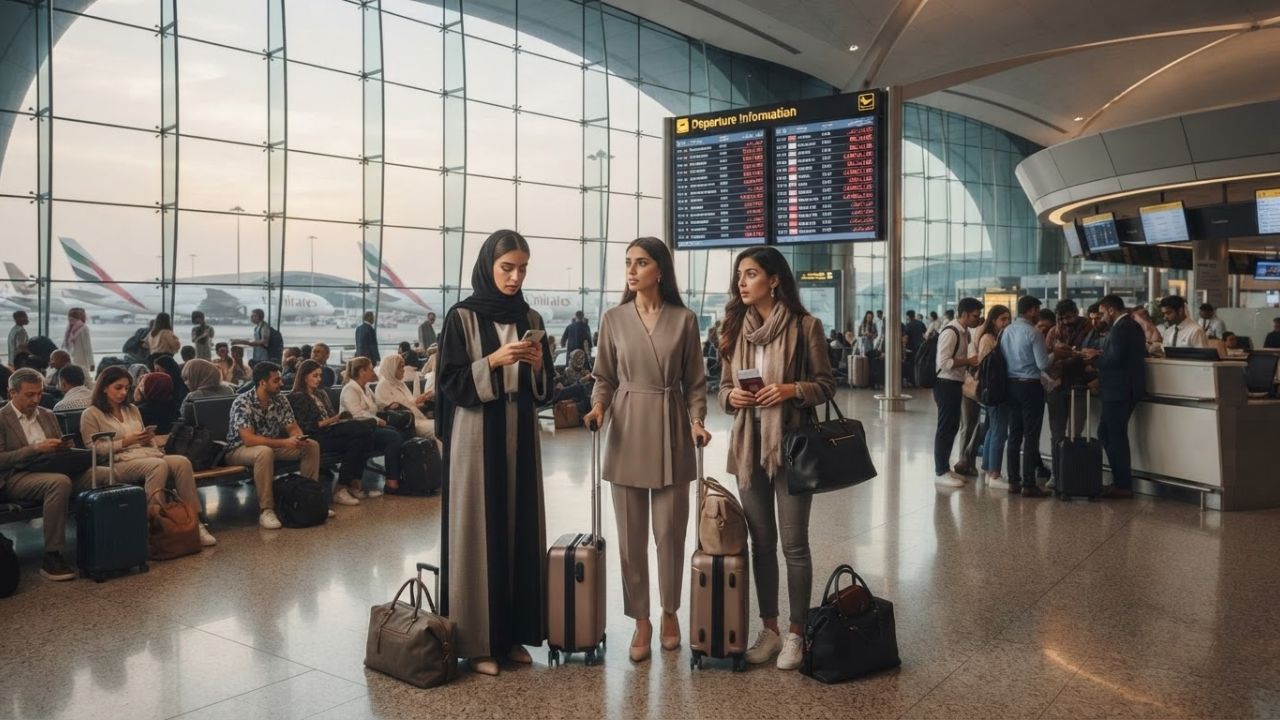
Image generated by AI
A major operational disruption across Middle Eastern aviation hubs has left hundreds of passengers stranded, with FlightAware recording 1,072 delays and 120 cancellations on August 11, 2026.
Congestion and Delays Ripple Across the Desert Gateways
The Middle East sits at the center of the global aviation landscape, serving as a crucial transit corridor linking Europe, Asia, Africa, and the Americas. Due to the highly interconnected nature of this network, operational bottlenecks at key regional hubs can quickly trigger delays across multiple continents.
On August 11, 2026 (compiled at 5:27 PM ET USA / August 12, 2026, 1:27 AM GST), FlightAware data indicated a total of 1,072 flight delays and 120 cancellations across the region. Travelers face significant schedule adjustments, missed connections, and extended layovers. Flight operations teams are working to restore normal schedules, but the high volume of affected flights means passenger recovery will take time, a situation similar to previous weather-induced travel delays.
Gateway Analysis: Major International Hubs Under Pressure
The disruption has affected major international airports and domestic facilities across the United Arab Emirates, Saudi Arabia, Egypt, and Israel. The scale of the delays varies by airport:
United Arab Emirates Gateways
- Dubai International Airport (DXB): Reported the highest delay count in the region with 296 delays and 3 cancellations. As one of the world's busiest international transit hubs, the delays at DXB are causing missed connections for travelers on long-haul routes.
- Sharjah International Airport: Registered 110 delays and 7 cancellations, affecting regional budget carriers.
- Al Maktoum International Airport: Recorded 10 delays and 1 cancellation.
East Mediterranean and North African Gateways
- Ben Gurion International Airport (Tel Aviv): Reported 249 delays and 3 cancellations, representing the second-highest delay figure in the region.
- Cairo International Airport: Recorded 184 delays and 1 cancellation, impacting flights connecting North Africa with the Gulf.
Saudi Arabia's Mixed Impact: Major Hubs vs. Regional Cancellations
Saudi Arabia experienced a distinct operational pattern, with major international airports facing heavy delays while smaller regional gateways bore the brunt of flight cancellations. This highlights the vulnerabilities of domestic networks during large-scale system disruptions:
- King Khalid International Airport (Riyadh): Reported 108 delays and 34 cancellations, impacting both business travel and regional connections.
- King Aziz International Airport (Jeddah): Recorded 103 delays and 19 cancellations, affecting visitors and pilgrims heading to the holy cities.
- Gizan Regional Airport: Experienced 20 cancellations with 0 reported delays.
- Najran Domestic Airport: Registered 12 cancellations with 0 delays.
- Abha Regional Airport: Recorded 12 delays and 20 cancellations, indicating significant operational pressure on a smaller facility.
Airline Operational Metrics and Delayed Carrier Rates
Airlines operating in the region are managing significant scheduling backlogs. Widespread delays have impacted fleet rotations and crew assignments, leading to high delay percentages for several key carriers:
- Saudia: The national carrier of Saudi Arabia reported the highest number of cancelled flights, with 52 cancellations and 29 delays.
- Air Arabia: Faced a major delay impact, recording 103 delayed flights, representing a 40% delay rate, driven by disruptions at its Sharjah hub.
- Israir: Recorded 51 delays, with a 59% delay rate, illustrating significant schedule disruption across its network.
Eco-Conscious Layovers and Traveler Wellness
Flight disruptions inevitably increase the environmental footprint of travel, as aircraft spend more time idling on taxiways and circling in holding patterns. Passengers stranded during extended layovers can adopt sustainable habits to reduce waste. Avoiding single-use plastic cups, utilizing digital boarding passes, and supporting airport concessionaires that source local ingredients help reduce the environmental impact of long delays.
Additionally, managing personal well-being is vital during transit disruptions. Travelers should keep essential items, including prescription medications, electronic chargers, and travel documents, in their cabin baggage. Staying hydrated and utilizing designated airport rest zones can help mitigate the stress of missed connections, a precaution that is equally useful during rail disruptions like the EMR rail suspensions alert.
Visitor Insider Tips: Navigating Middle East Airport Delays
- Track Early: Confirm your flight status via your airline’s mobile application before leaving for the airport. Flight plans are adjusted in real-time during operational delays.
- Arrive Prepared: If traveling through high-volume hubs like Dubai, Cairo, or Riyadh, arrive at the terminal earlier than usual to navigate longer queues at check-in and security.
- Alternative Transit: Within Saudi Arabia, consider using the Haramain High-Speed Railway to travel between Medina, Jeddah, and Mecca. It is a fast, low-emission alternative to domestic flights.
- Lounge Access: Check your credit card benefits for airport lounge access. Having a quiet space with power outlets and complimentary refreshments is highly valuable during multi-hour delays.
- Passenger Rights: Under local civil aviation guidelines, passengers are entitled to meals, refreshments, and hotel accommodations if flight delays exceed specific hourly thresholds. Keep all booking records and boarding passes to submit claims.
Long-Term Outlook for Aviation Infrastructure
The current scheduling backlog demonstrates the need for ongoing infrastructure investment and airspace coordination in the Middle East. With regional passenger volumes projected to rise, modernizing air traffic control systems and expanding terminal capacity are essential to maintaining operational resilience.
Until these long-term expansion projects are completed, carriers and airport operators must continue to refine their recovery protocols. By improving digital communication and passenger rebooking systems, the aviation industry aims to minimize the impact of future system disruptions, keeping travelers safe and informed, a strategy that aligns with issues discussed in our guide on Middle East flight cancellations.
FAQ: Middle East Flight Disruptions 2026
What caused the widespread delays at Middle East airports?
Aviation networks experienced operational issues across the UAE, Saudi Arabia, Egypt, and Israel, leading to a combined 1,072 delays and 120 cancellations on August 11, 2026.
Which airports recorded the highest number of delayed flights?
Dubai International Airport (DXB) recorded the highest delays with 296 flights affected, followed by Ben Gurion International Airport in Tel Aviv with 249 delays.
What are my rights if my flight is cancelled or significantly delayed?
Under regional civil aviation regulations, airlines are required to provide food, refreshments, and hotel accommodations for extended delays. Passengers should contact their carrier's customer service desk at the terminal to request assistance.
Related Travel Guides
US Flight Delays and Cancellations: Storms and Ground Stops
UK Railway Suspensions and Commuter Disruption Amidst Extreme Heatwave
Middle East Flight Cancellations and Delays Amidst Regional Instability
Disclaimer
This article is for informational and educational purposes only. It does not constitute legal, financial, or professional advice. While we strive to provide accurate and up-to-date information, travel policies, regulations, and conditions change rapidly. Always verify information with official sources before making travel decisions. Nomad Lawyer makes no representations about the accuracy, reliability, completeness, or suitability of the information provided. Readers should consult qualified professionals for advice specific to their circumstances. The views expressed in this article are those of the author and do not necessarily reflect the views of Nomad Lawyer.
Raushan Kumar
Founder & Lead Developer
Full-stack developer with 11+ years of experience and a passionate traveller. Raushan built Nomad Lawyer from the ground up with a vision to create the best travel and law experience on the web.
Learn more about our team →