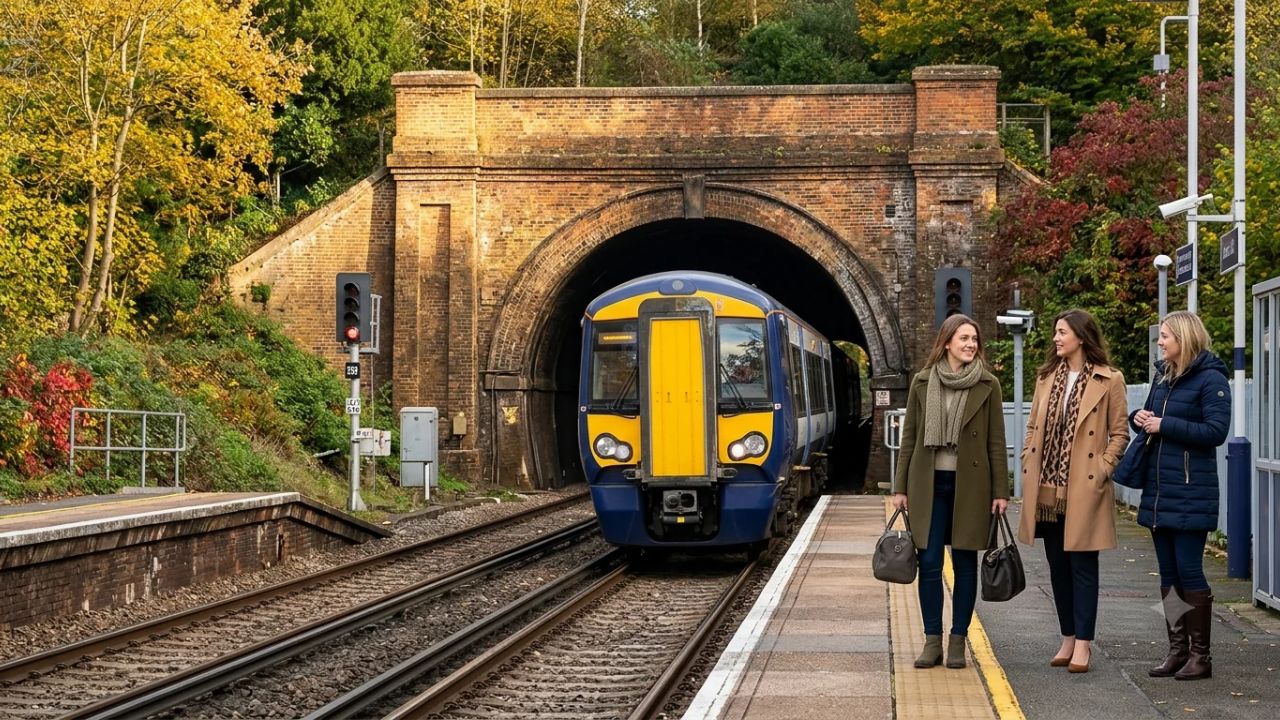
Rovos Rail Unveils Malawi Meander: 16-Night Five-Country Luxury Train Expedition Through Southern Africa

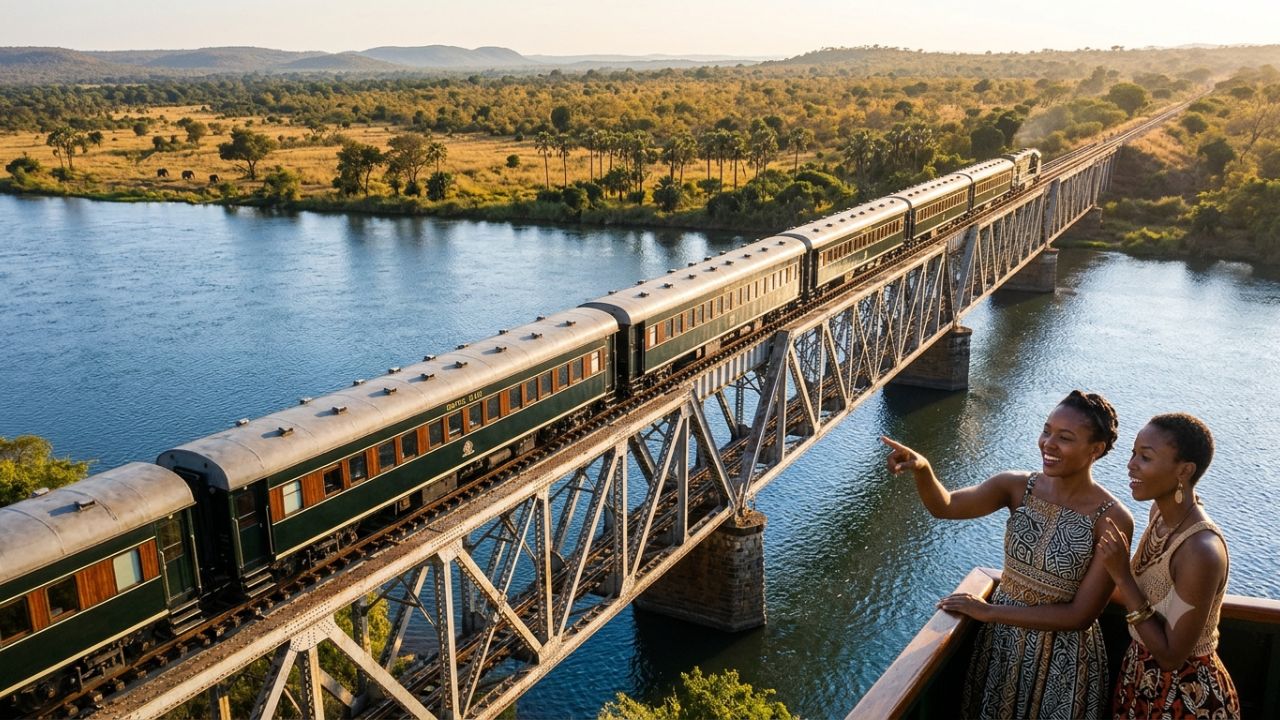
PRETORIA, South Africa — Rovos Rail has officially inaugurated one of the most ambitious cross-border expeditions in the history of luxury railway travel, launching the 16-night "Malawi Meander" across South Africa, the Kingdom of Eswatini, Mozambique, Zimbabwe, and Malawi. Covering approximately 3,600 kilometers, the pioneering itinerary seamlessly links the dramatic escarpments of the South African Highveld and the megafauna sanctuaries of Kruger National Park with the coastal architecture of Mozambique, the ancient dry-stone monuments of Great Zimbabwe, and the crystalline freshwater shores of Lake Malawi. First conceived in 2018 and brought to fruition following years of bilateral rail negotiations and rigorous route testing, the journey represents a monumental operational milestone for Southern African tourism, establishing a cohesive passenger corridor across five sovereign nations.
Operating with departures in both directions between Rovos Rail’s private Capital Park station in Pretoria and the Malawian capital of Lilongwe, the Malawi Meander redefines long-distance African exploration. Rather than confining guests to a single national network, the itinerary orchestrates an intricate multi-modal model that combines classic Cape-gauge heritage rail travel with private road transfers and scenic regional flights to reach remote ecological reserves. With scheduled departures confirmed across 2026, 2027, and 2028, this expedition serves as an international benchmark for high-yield, low-impact experiential tourism, channeling premium global spending directly into remote regional conservation areas, UNESCO World Heritage monuments, and community craft collectives.
ROVOS RAIL: THE MALAWI MEANDER EXPEDITION ARCHITECTURE
| Column 1 |
|---|
| ROUTE AXIS: Pretoria (South Africa) <---------> Lilongwe (Malawi) [Operates in Both Directions] |
| NATIONS CROSSED: South Africa -> Eswatini -> Mozambique -> Zimbabwe -> Malawi |
| KEY HIGHLIGHTS: |
| * Kruger National Park Big Five Game Drives (South Africa) |
| * Mantenga Nature Reserve & Ezulwini Cultural Village (Kingdom of Eswatini) |
| * Maputo Art Deco Architecture & Historic Dona Ana Zambezi Rail Bridge (Mozambique) |
| * Great Zimbabwe UNESCO Monument & Eastern Highlands of Mutare (Zimbabwe) |
| * Liwonde National Park River Safaris & Lake Malawi Endemic Cichlid Marine Sanctuaries (Malawi) |
The Evolution of Trans-African Luxury Rail
Luxury rail travel across the African continent has long occupied a legendary place in international travel literature. Since its founding in 1989 by Rohan Vos, Rovos Rail has transformed decommissioned vintage carriages from the golden age of steam and diesel locomotion into what is widely regarded as the most luxurious passenger train in the world. Operating on the historic 1,067-millimeter (3-foot-6-inch) Cape gauge, the Pride of Africa trains have traditionally connected Pretoria with Cape Town, Victoria Falls, Durban, and Namibia, alongside epic transcontinental odysseys like the Cape-to-Cairo charter and the Dar es Salaam route across Tanzania.
The development of the Malawi Meander marks a daring expansion into the eastern corridor of the subcontinent. While standard safari itineraries often shuttle international visitors between isolated fly-in lodges via private airstrips, long-distance railway expeditions offer an unbroken geographic narrative. Passengers watch the soil change from the red clay of Mpumalanga to the palm-fringed coastlines of Mozambique and the granite hills of central Zimbabwe.
Planning the route required overcoming formidable logistical barriers. Rail systems across Southern Africa operate under distinct sovereign state railway corporations: Transnet Freight Rail in South Africa, Eswatini Railways, Portos e Caminhos de Ferro de Moçambique (CFM), and National Railways of Zimbabwe (NRZ). Coordinating track access rights, cross-border customs clearances, locomotive crew handovers, and track safety certifications demanded eight years of careful bilateral coordination. Following extensive infrastructure assessments and a successful inaugural run in April 2026, Rovos Rail proved that complex, multi-state railway diplomacy could yield a flawless, five-star guest experience.
ROVOS RAIL MALAWI MEANDER: FIVE-NATION ROUTE MATRIX
| Entity / Facility | Delays | Cancellations | Details |
|---|---|---|---|
| Country | Primary Transit Points | Signature Tourism Assets | Operational Format |
| South Africa | Pretoria, Witbank, Malelane | Capital Park, Kruger Park | Vintage Rail & 4x4 |
| Eswatini | Mpaka, Ezulwini Valley | Mantenga Falls, Artisans | Rail & Coach Tour |
| Mozambique | Maputo, Beira, Dona Ana, Tete | Zambezi Rail, Coastal Art | Rail & Intermodal |
| Zimbabwe | Rutenga, Masvingo, Mutare | Great Zimbabwe, Highlands | Vintage Sleeper Rail |
| Malawi | Nayuchi, Liwonde, Lilongwe | Lake Malawi, Shire River | Rail, Safari & Air |
South Africa: Departure from Capital Park and the Kruger Megafauna
The expedition begins at Rovos Rail’s private railway station in Capital Park, Pretoria. Established as a working steam locomotive yard and preservation headquarters, Capital Park provides an elegant departure lounge where travelers receive champagne briefings amidst vintage railway artifacts and operating workshops. Stepping aboard the wood-paneled carriages, guests encounter meticulously restored Edwardian interiors, polished teak finishes, fine china, and private ensuite suites equipped with writing desks and hot showers.
Leaving Pretoria, the train climbs through the agricultural heartland of Mpumalanga before descending the dramatic Drakensberg escarpment toward the Lowveld. As the train snakes through citrus orchards and subtropical river valleys, it reaches Malelane, the gateway to South Africa's premier conservation ecosystem: Kruger National Park.
Managed by South African National Parks (SANParks), Kruger encompasses nearly two million hectares of pristine wilderness, bordering Mozambique and Zimbabwe within the Great Limpopo Transfrontier Park. Guests disembark from the train directly into specialized open-top four-wheel-drive safari vehicles operated by expert resident field guides.
Game drives focus on the rich southern sector of the park, celebrated for holding dense concentrations of megafauna. Travelers track the classic African Big Five: lion prides lounging on granite kopjes, elusive leopards draped across leadwood branches, massive herds of African savanna elephants browsing along riverbanks, white rhinos grazing in open savannas, and formidable Cape buffalo herds. Kruger's extraordinary biodiversity includes 147 recorded mammal species and over 500 bird species, providing guests with a world-class wildlife introduction within the opening 48 hours of the voyage.
The Kingdom of Eswatini: Cultural Heritage in the Ezulwini Valley
Crossing the southeastern border, the Pride of Africa enters the Kingdom of Eswatini (formerly Swaziland). As one of the continent's last remaining absolute monarchies, Eswatini preserves deep indigenous traditions, distinctive craft economies, and intimate, well-managed conservation reserves surrounded by steep mountain peaks.
The train halts at the Mpaka rail junction, where luxury coaches escort passengers into the Ezulwini Valley, known historically as the "Valley of Heavens." The centerpiece of this cultural segment is the Mantenga Nature Reserve, a 725-hectare protected sanctuary administered by the Eswatini National Trust Commission. Nestled beneath the granite dome of Nyonyane Mountain, the reserve contains the Mantenga Cultural Village, an authentic living cultural museum constructed entirely of traditional materials.
Visitors observe demonstrations of Swati family architecture, communal granaries, and ancestral kraals. Master cultural performers present the traditional Sibhaca dance, an energetic, polyrhythmic routine featuring athletic kicks and resonant drum patterns. Beyond performance, the village provides direct insight into the traditional legal, social, and spiritual governance that continues to shape modern Swati society.
A short walk leads to Mantenga Falls, the largest waterfall in Eswatini by volume, cascading dramatically over sheer granite cliffs amidst lush riverine forest. The excursion then moves to the Malkerns Valley for an immersive visit to the Swazi Candles artisanal center. Here, skilled local sculptors handcraft intricate, patterned wax figurines using a traditional hard-wax veneering technique. The creative complex supports hundreds of local artisan households, allowing guests to witness sustainable, community-owned creative manufacturing while purchasing authentic, fair-trade souvenirs directly from the makers.
CROSS-BORDER EXPEDITION TECHNICAL SPECIFICATIONS
| Category / Entity | Details / Impact |
|---|---|
| Train Capacity: Maximum 72 Guests | Locomotive Power: Dedicated Heavy Diesel-Electric |
| Carriage Vintage: 1911 to 1950s Restored Stock | Suite Classes: Pullman (7m²), Deluxe (10m²), |
| Dining Experience: Formal Multi-Course Menus | Royal Suite (16m² with Victorian Tub |
| Onboard Amenities: Observation Car, Gift Shop, | Average Rail Speed: 50–60 km/h (Daylight Cruising) |
| Club Lounge, Smoking Lounge | Power Supply: Twin Onboard Generator Power Cars |
Mozambique: Coastal Architecture and the Historic Dona Ana Bridge
Re-entering the rail network, the Malawi Meander heads eastward across the Lebombo Mountains to enter Mozambique, delivering one of the most visually and culturally distinctive chapters of the entire voyage. Mozambique introduces travelers to a striking fusion of Portuguese colonial architecture, Bantu heritage, and Indian Ocean coastal life.
The train visits Maputo, the capital city formerly known as Lourenço Marques. Maputo’s broad avenues are flanked by jacaranda and flame trees, active maritime docks, and mid-century modern buildings. A central highlight is the historic Maputo Central Railway Station (Estação Central dos Caminhos de Ferro), completed in 1916. Often ranked among the world’s most beautiful railway terminals, the structure features a grand central dome, wrought-iron verandas designed by associates of Alexandre Gustave Eiffel, and vintage steam engines displayed on open platforms. Guided walking tours lead guests through the Independence Square, the 19th-century Fortaleza da Nossa Senhora da Conceição, and local seafood markets renowned for peri-peri prawns and fresh ocean catch.
As the train continues its journey through central Mozambique toward Beira and the lower Zambezi basin, it traverses one of Southern Africa’s most iconic railway engineering feats: the Dona Ana Bridge (Ponte Dona Ana). Originally constructed between 1931 and 1935 by the British Central Africa Railway to link the coal deposits of Moatize and the territory of Malawi with the seaport of Beira, the monumental steel-truss bridge spans 3.67 kilometers across the wide Zambezi River.
Crossing the Dona Ana Bridge aboard a private luxury train offers an unforgettable perspective on African industrial history. Down below, local fishermen in dugout canoes navigate shifting sandbars, while the vast river flows steadily toward the Indian Ocean. The bridge stands as a testament to early 20th-century engineering resilience, having survived civil conflicts and major flood disasters before undergoing modern structural rehabilitation.
Operating in central Mozambique requires operational agility. Regional weather patterns and infrastructure upgrades along regional lines mean that Rovos Rail maintains contingency arrangements, utilizing executive road transfers or chartered air corridors between Beira, Tete, and Moatize whenever track maintenance requires temporary detours. This flexible operational blueprint guarantees guest safety and schedule integrity without missing the rich cultural history of the Zambezi Valley.
Zimbabwe: Great Zimbabwe Archaeology and Eastern Highlands Splendor
From Mozambique, the expedition proceeds inland, crossing the border into Zimbabwe. While most global visitors to Zimbabwe head directly to Victoria Falls, the Malawi Meander takes guests deep into the cultural heartland of the country, focusing on ancient archaeology and the picturesque Eastern Highlands.
Entering through the southern border corridor, the train travels toward Masvingo to unlock one of the most awe-inspiring archaeological treasures on the African continent: the Great Zimbabwe National Monument. Inscribed as a UNESCO World Heritage Site in 1986, Great Zimbabwe is the ruined stone capital of a prosperous Shona trading kingdom that flourished between the 11th and 15th centuries. At its zenith, the city housed an estimated 18,000 residents and controlled gold and ivory trade routes extending across the Indian Ocean to Arabia, Persia, and Ming dynasty China.
GREAT ZIMBABWE NATIONAL MONUMENT: ARCHAEOLOGICAL MATRIX
| Inscription Status | UNESCO World Heritage Site (1986) |
|---|---|
| Historical Window | 11th to 15th Century (Flourishing Late Iron Age Civilization) |
| Primary Complexes | 1. The Hill Complex (Acropolis & Spiritual Sanctuaries) |
| 2. The Great Enclosure (Towering Outer Granite Walls & Conical Tower) | |
| 3. The Valley Ruins (Residential Quarters & Domestic Stone Structures) | |
| Construction Style | Dry-Stone Masonry (Granite Blocks Fitted Without Mortar) |
| Height & Dimensions | Outer Walls Rise Up to 11 Meters High; Thickness Exceeds 6 Meters in Places |
Accompanied by professional archaeologists, guests walk the ancient corridors of the Great Enclosure. The scale of the masonry is staggering: massive granite blocks, quarried through natural heating and cooling processes, were shaped and fitted tightly without a single drop of mortar. The outer wall extends over 250 meters in circumference, reaching heights of 11 meters. Travelers examine the mysterious solid Conical Tower, the Hill Complex where sacred soapstone Zimbabwe Birds were recovered, and the Valley Ruins that housed the kingdom's elite. Standing inside these dry-stone walls dispels colonial-era myths about ancient Africa, demonstrating the sophisticated architectural and metallurgical mastery of indigenous civilizations.
Following the archaeological exploration, the train journeys northeast through the rolling granite kopjes and tea plantations of the Eastern Highlands toward Mutare. Here, visitors tour the Mutare Museum, home to extensive ethnographic and transportation collections, before the train crosses the high plateau toward Harare. Zimbabwe's capital provides an engaging contrast, showcasing contemporary art galleries, wide tree-lined boulevards, and celebrated stone-sculpture studios showcasing world-renowned Shona sculpture traditions.
Malawi: The Freshwater Crown Jewel and Liwonde River Safaris
The final leg of the Malawi Meander brings guests into Malawi, affectionately known across the globe as the "Warm Heart of Africa." Because continuous commercial passenger rail infrastructure ends near the Malawian frontier at Nayuchi, Rovos Rail seamlessly transitions passengers into an exclusive intermodal luxury journey, combining private chartered air transfers and luxury overland vehicles to access the country's most pristine conservation and lakeside environments.
The expedition focuses on two extraordinary Malawian destinations: Liwonde National Park and Lake Malawi. Located along the upper Shire River valley, Liwonde National Park has undergone an extraordinary conservation renaissance under the management of African Parks in partnership with the Malawian Department of National Parks and Wildlife (DNPW). Once plagued by poaching, the 548-square-kilometer reserve has been restored into a thriving wildlife haven through large-scale animal translocations and modern anti-poaching operations.
LIWONDE NATIONAL PARK: CONSERVATION & SAFARI SUMMARY
| Category / Entity | Details / Impact |
|---|---|
| Management Partner | African Parks in Partnership with Malawi DNPW |
| Total Area | 548 Square Kilometers (Floodplains, Palm Savannas, Riverine Forests) |
| Primary Waterway | The Shire River (Malawi's Largest River, Draining Lake Malawi) |
| Signature Activity | Quiet Boat Safaris & Guided Game Drives |
| Key Wildlife | Over 600 Savanna Elephants, Large Hippo Pods, Nile Crocodiles, |
| Re-Introduced Black Rhinos, Cheetahs, Lions, and African Wild Dogs | |
| Avian Diversity | Exceptional Birding: Pel's Fishing Owl, African Fish Eagle, Lilian's Lovebird |
Instead of standard vehicle game drives alone, Liwonde offers quiet, boat-based water safaris along the broad Shire River. Electric and outboard safari boats glide past hundreds of hippos submerged in deep lagoons and massive Nile crocodiles sunning on sandbanks. Guests observe elephant herds wading into the shallows to feed on aquatic grasses, while re-introduced apex predators—including lions and cheetahs—patrol the open riverbanks. The birdlife is spectacular, with African fish eagles calling from leadwood trees and rare Pel's fishing owls hunting along shadowed oxbow bends.
The journey then moves to the tranquil shores of Lake Malawi, a UNESCO World Heritage Site inscribed in 1984. Encompassing a massive freshwater rift valley lake over 580 kilometers long and 700 meters deep, Lake Malawi contains more endemic fish species than any other lake on Earth. Over 1,000 species of brightly colored cichlid fish (locally known as mbuna) thrive in its crystalline, warm waters, presenting an evolutionary wonderland comparable to the Galápagos Islands.
Guests stay at exclusive lakeside lodges, enjoying sunset catamaran cruises, snorkeling across protected marine reserves, and relaxing on golden sand beaches with views across the shimmering inland sea toward Mozambique's distant shoreline. The expedition officially reaches its grand conclusion in Lilongwe, Malawi's leafy capital, where travelers connect with homeward international flights or extend their journeys into Zambia's Luangwa Valley.
LAKE MALAWI: FRESHWATER ECOLOGICAL SIGNIFICANCE
| UNESCO Status | Lake Malawi National Park Inscribed as World Heritage in 1984 |
|---|---|
| Biodiversity Anchor | Estimated 1,000+ Freshwater Fish Species (99% Endemic Cichlids/Mbuna) |
| Evolutionary Value | Premier Living Laboratory of Adaptive Radiation (Comparable to Galápagos) |
| Marine Activities | Crystal-Clear Freshwater Snorkeling, Kayaking, Sunset Catamaran Sailing |
Comparative Analysis: How the Five Nations Complement Each Other
The fundamental strength of the Malawi Meander lies in its balanced curation. Rather than repeating identical bush safari experiences across successive borders, the itinerary deliberately presents five distinct landscapes, cultures, and historical eras:
| Country | Primary Geographical Character | Principal Tourism Experience | Key Conservation & Cultural Focus |
|---|---|---|---|
| South Africa | Highveld plateau and subtropical Lowveld savannah | Deep wilderness game drives and luxury rail departure | SANParks biodiversity management, Big Five megafauna |
| Eswatini | Intimate mountain valleys and lush highland reserves | Living cultural village and indigenous artisan studios | Swati heritage preservation, community craft economy |
| Mozambique | Tropical Indian Ocean coastline and lower Zambezi basin | Maritime urban exploration and historic rail bridges | Colonial architecture, railway engineering heritage |
| Zimbabwe | Granite boulder kopjes and high-altitude plateau | Ancient monumental archaeology and museum archives | UNESCO Iron Age stone civil engineering, Shona art |
| Malawi | East African Rift Valley lake basin and river floodplains | Freshwater marine sanctuaries and tranquil boat safaris | African Parks restoration, endemic freshwater cichlids |
This deliberate variety prevents travel fatigue. A morning spent studying 14th-century dry-stone architecture in Zimbabwe is followed by an afternoon relaxing in an Edwardian observation car, which leads in turn to an open-water boat safari on the Shire River and an evening sampling fresh peri-peri seafood.
Sustainable Tourism, Conservation Funding, and Community Partnerships
Operating a luxury expedition of this scale carries significant conservation and social responsibilities. Tourism authorities and environmental organizations across Southern Africa increasingly emphasize the necessity of high-yield, low-impact travel models to protect vulnerable ecological zones from the negative impacts of mass tourism.
The Malawi Meander operates with a maximum capacity of approximately 72 guests per departure. This low passenger density ensures that visiting groups do not overwhelm delicate archaeological sites or generate excessive vehicle traffic in national parks. In Kruger National Park, SANParks strictly regulates daily commercial vehicle entries and trail usage, preserving the wilderness character of the park. Rovos Rail pays comprehensive park conservation fees, directly supporting habitat preservation, anti-poaching patrols, and ecological research.
In Malawi, the itinerary works in close partnership with African Parks, an acclaimed non-profit conservation organization that assumes direct responsibility for the rehabilitation and long-term management of protected areas. The revenue generated by luxury passenger visits funds ranger salaries, veterinary interventions, and community outreach programs surrounding Liwonde National Park.
In the Kingdom of Eswatini, visits to the Mantenga Cultural Village and Swazi Candles ensure that tourism spending flows directly into community trust funds and artisan cooperatives, sustaining traditional craft livelihoods and preventing rural flight. By keeping supply chains regional and purchasing fresh culinary provisions, wines, and artisanal goods from local producers in every country, the expedition stimulates real economic activity across areas often bypassed by international travelers.
FIVE-COUNTRY TRAVELER COMPLIANCE CHECKLIST
| Entity / Route | Metrics | Operational Status |
|---|---|---|
| Nation | Entry Visa Protocols & Immigration Platforms | Mandatory Health Mandates |
| South Africa | Visa-free for US, UK, EU, CAN; eVisa available | Standard routine vaccines |
| Eswatini | Visa exemption for most Western nationalities | Malaria Lowveld awareness |
| Mozambique | Mandatory eVisa / Border Visa; Multiple-entry check | Yellow Fever if from zone |
| Zimbabwe | Category B (Visa on Arrival) / KAZA UniVisa | Full Malaria prophylaxis |
| Malawi | Modern eVisa platform (Pre-approval mandatory) | Comprehensive Evac Cover |
Essential Traveler Guide: Planning, Visas, Health, and Logistics
Embarking on a 16-night, five-country rail expedition through Southern Africa requires careful advance preparation. Travelers should review the following essential operational guidance before departure:
1. Passport Validity and Visa Protocols
Every traveler must hold a valid passport with at least six months of validity remaining beyond the scheduled departure date from Lilongwe. Because immigration officials in South Africa, Eswatini, Mozambique, Zimbabwe, and Malawi each require dedicated blank pages for entry and exit stamps, passengers should possess a minimum of six to eight completely blank passport pages.
Visa requirements vary significantly depending on citizenship:
- South Africa and Eswatini: Citizens of the United States, United Kingdom, European Union, Canada, and Australia generally enjoy visa-free entry for tourism stays up to 90 and 30 days, respectively.
- Mozambique: Travelers must obtain an electronic visa (eVisa) prior to departure or process cross-border entry at designated rail points. Because the itinerary traverses Mozambique and enters Zimbabwe before continuing north, travelers must verify whether multiple-entry documentation is required based on their citizenship.
- Zimbabwe: Most Western travelers qualify for a Category B visa issued upon arrival at border posts or can utilize the convenient electronic visa platform.
- Malawi: Malawi operates an electronic visa platform where international travelers must upload flight itineraries and tour confirmation letters to obtain pre-approval letters prior to international travel. Rovos Rail’s reservations team coordinates specialized group immigration clearance manifests with border police at remote railway crossings, ensuring streamlined passport processing.
2. Medical, Health, and Biosecurity Mandates
Southern Africa encompasses diverse climatic zones ranging from temperate high plateaus to humid subtropical lowlands and river valleys:
- Malaria Prophylaxis: While Pretoria and the Eswatini highlands feature low malaria risk, the Lowveld surrounding Kruger National Park, central Mozambique, the Zambezi River valley, Liwonde National Park, and the shores of Lake Malawi are recognized malaria-transmission zones. Travelers should consult a travel medicine clinic well in advance to obtain recommended prophylactic medications (such as atovaquone-proguanil or doxycycline).
- Vaccination Documentation: A Yellow Fever vaccination certificate is legally required for entry into all five countries if arriving from or transiting through an endemic Yellow Fever country. Standard travel immunizations—including Hepatitis A, Tetanus, and Typhoid—are highly recommended.
- Emergency Medical Evacuation: Comprehensive travel insurance including high-limit emergency medical transport and air evacuation is mandatory. Traveling through remote regions of Mozambique and central Malawi requires verified coverage for dedicated private air ambulance services to regional medical centers in Johannesburg or Pretoria.
3. Life Onboard the Pride of Africa
Life aboard Rovos Rail balances vintage luxury with relaxed social refinement. Carriages do not feature television sets or radios, and mobile phone usage is strictly limited to private guest suites to preserve the tranquil, contemplative ambiance of the public observation and dining cars.
- Dress Etiquette: Daytime wear is smart casual, featuring comfortable, breathable safari clothing, linen shirts, sun hats, and sturdy walking shoes for off-train bush excursions. In the evenings, the atmosphere transforms into a celebration of formal elegance: gentlemen wear jackets and ties, while ladies dress in evening cocktail wear or elegant formal suits.
- Dining and Gastronomy: Onboard dining is a signature highlight of the experience. Master chefs prepare multi-course menus showcasing regional culinary traditions—ranging from Karoo lamb and game carpaccio to fresh Mozambican seafood and tropical fruits—paired with exceptional South African estate wines. Dietary preferences and allergies are meticulously accommodated when communicated upon booking.
- Baggage and Transfers: While private suites offer ample wardrobe space and luggage storage beneath beds, the intermodal transitions into Malawi require travelers to pack a compact overnight duffel bag for the remote air safari and boat transfer segments. Larger hard-shell suitcases remain securely stored in the train's dedicated luggage car or are transported ahead to the final hotel in Lilongwe.
Strategic Outlook: The Future of Cross-Border African Tourism
The inauguration of the Malawi Meander signals a transformative shift in how international travelers experience Southern Africa. By establishing an integrated tourism corridor that unites five independent nations, Rovos Rail demonstrates that cross-border cooperation can overcome regional infrastructure deficits to create an extraordinary travel product.
This journey proves that luxury tourism can act as a catalyst for heritage conservation, archaeological research, and rural economic empowerment. When travelers ride across the Dona Ana Bridge, walk through the ancient granite corridors of Great Zimbabwe, and glide along the tranquil waters of Lake Malawi, they do more than take a vacation. They engage with the deep historical currents and diverse natural wonders of an entire subcontinent, celebrating the enduring majesty of African rail travel.
Related Travel Guides
- Belmond Venice Simplon-Orient-Express Launches Paris to Monaco Luxury Route
- South Africa Tourism Gateway Trends: Cape Town, O.R. Tambo, and Land Border Crossing Dynamics
- Southern Africa Tourism Shifts: Namibia and Botswana Put Pressure on Traditional Travel Routes
- South Africa Rural Lodges Surge 28% in Revenue Over Traditional City Hotels
This article is for informational purposes. Flight routes, passenger regulations, visa rules, and transit advisories are subject to change by airlines and aviation authorities. Readers are advised to verify schedules and travel documentation with relevant carriers and border agencies before departure.
Related Stories
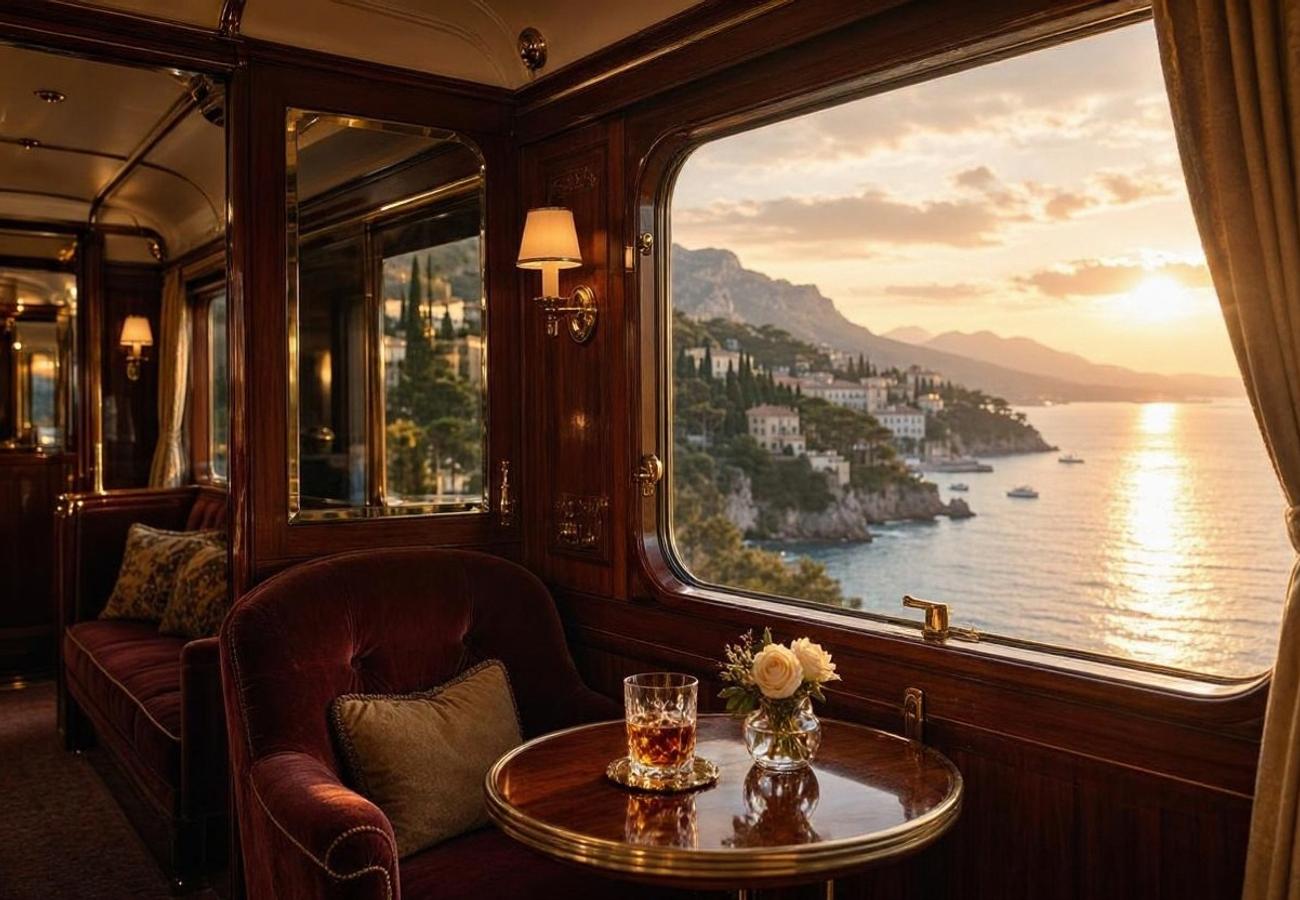
Belmond Venice Simplon-Orient-Express Launches Paris to Monaco Luxury Route in 2027
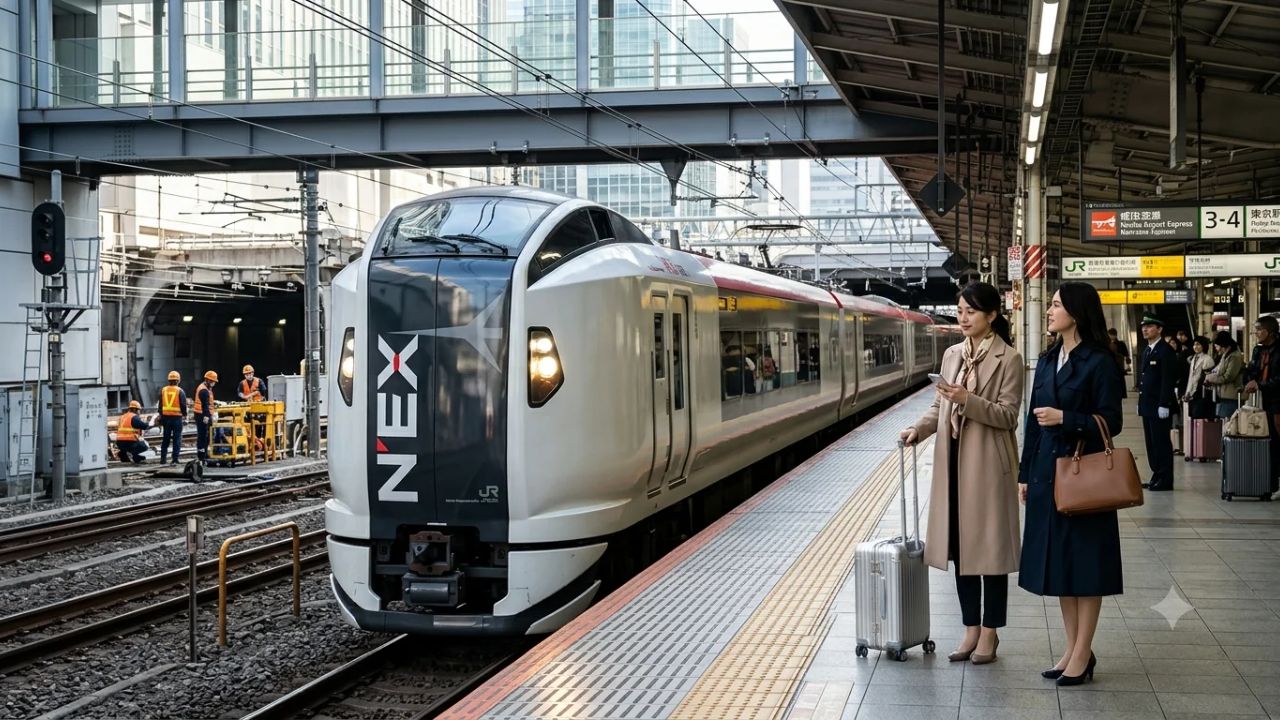
Japan Announces Major Narita Express Service Changes for November 6–8 as Tokyo Tunnel Repairs Sever Direct Lines