
Medellín’s Booming Tourism Magic Takes Over The World-Famous Feria De Las Flores Festival Dream, Here’s The Latest Update
Medellín’s Booming Tourism Magic Takes Over The World-Famous Feria De Las Flores Festival Dream, Here’s The Latest Update

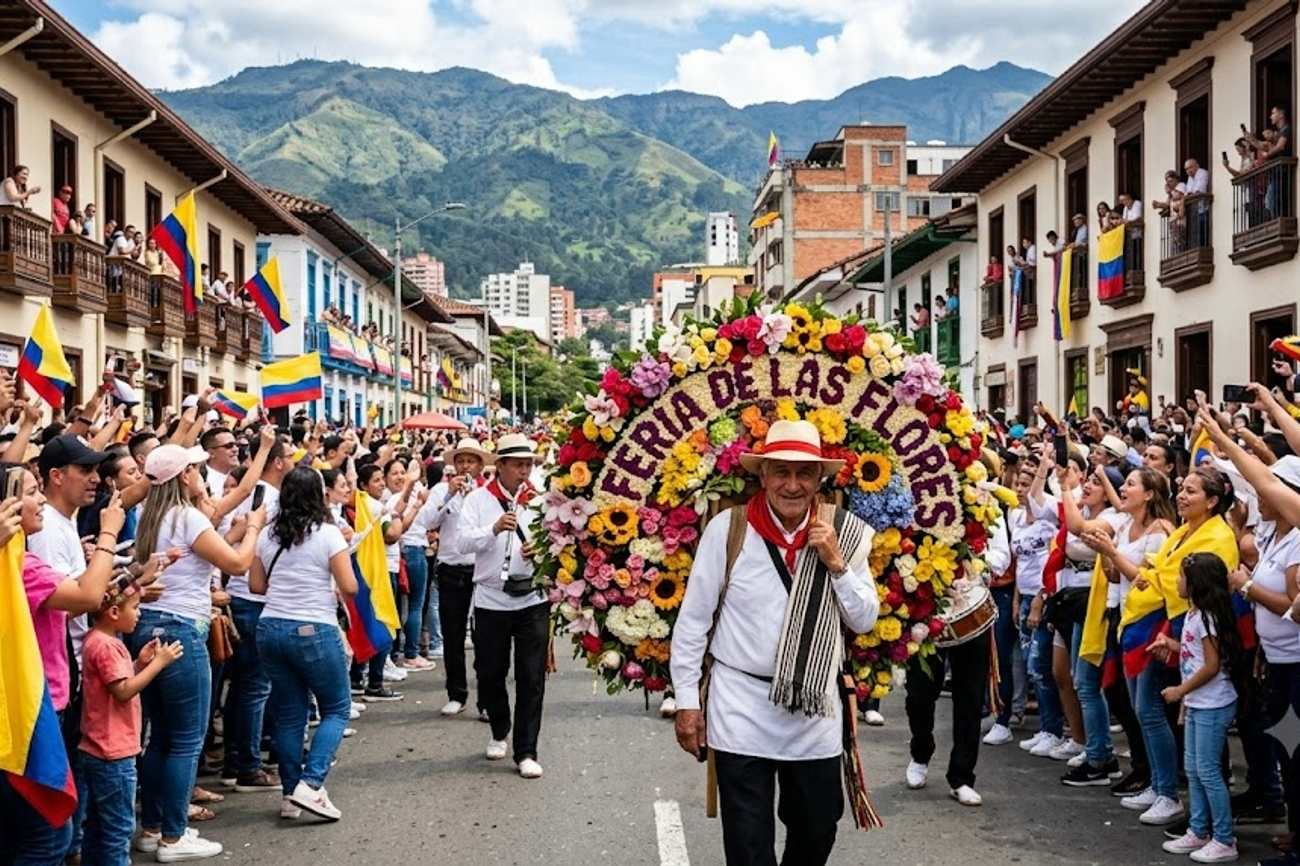
Image generated by AI
The legacy of the silleteros is a physical burden, where farmers from Santa Elena carry up to 50lbs of floral masterpieces on their backs to keep a generational tradition alive. This isn't just a parade; it is a grueling act of endurance and art that transforms the streets of Medellín into a living gallery of petals and sound.
The 2025 Floral Surge in the Aburrá Valley
Medellín is currently experiencing a paradigm shift in how it manages its cultural identity on a global stage. The 2025 Feria de Las Flores didn't just attract crowds; it fundamentally altered the tourism metrics of the Aburrá Valley. Between August 1 and August 10, 2025, the city welcomed a staggering 320,000 visitors. While the local passion remains the engine, the demographic has shifted toward a more international audience, with 60,000 foreign tourists joining 260,000 domestic travelers.
The logistics of this influx are a testament to the city's infrastructure. Terminales Medellín became the primary artery for regional movement, processing between 250,000 and 260,000 passengers via the bus networks. Meanwhile, the José María Córdova International Airport served as the gateway for those flying in from global hubs. This surge in arrivals pushed hotel occupancy to a consistent high of 77.0% to 81.0% across the city. If you try to book a boutique spot in El Poblado or a traditional house in Laureles during this window, you will likely find them at capacity weeks before the first concert even begins.
What is most noteworthy about the current trend is the decentralization of the festivities. Rather than bottling the energy in the city center, the city distributed over 110 public events across all 16 communes and 5 corregimientos. This strategy ensures that the economic windfall isn't trapped in the tourist bubbles but flows into the neighborhoods where the actual culture is born.
What Makes Medellín's Flower Festival Different
Unlike many global festivals that feel like curated performances for outsiders, the Feria de Las Flores is an ancestral heartbeat. The centerpiece is the Desfile de Silleteros, which celebrated its 68th year in 2025. This is not a float parade; it is a human procession. 535 flower farmers from the rural township of Santa Elena carry massive, intricate floral arrangements on their backs, walking through the city to showcase their skill. The city recognizes this as a vital heritage asset, investing $336 million COP specifically into renewing participant attire and preserving the traditions of these growers.
The sensory experience is a clash of the organic and the mechanical. You have the scent of thousands of blooms juxtaposed with the roar of engines during the Desfile de Autos Clásicos y Antiguos. In 2025, 390 restored vintage cars traveled a 17-kilometre route under the theme “Entre motores y flores.” This blend of petrol and petals creates a unique atmospheric tension that you won't find in the more sterilized festivals of Europe or North America.
Beyond the visuals, the auditory experience is defined by the accordion and the National Trova Festival. Trova is a form of improvised musical poetry, a battle of wits and rhymes that keeps the public spirit high. This combination of rural agrarian pride, automotive obsession, and lyrical competition makes the festival a multi-dimensional experience rather than a simple flower show.
Visitor Insider Tips
To experience the festival without getting swallowed by the crowds, you need to move differently than the average tourist.
Timing and Positioning: For the Desfile de Silleteros, avoid the main paid grandstands if you want a more raw experience. While the city provided 44 grandstands for 22,000 people, the real energy is on the side streets. Arrive at your chosen spot at least four hours before the start. If you have mobility issues, prioritize the specialized platforms provided by the District Administration, as the crowds can become impenetrable.
Where to Stay: Avoid the noise of El Poblado if you want a more authentic vibe. Base yourself in Laureles; it is leafier, more residential, and provides a better vantage point for the decentralized events happening in the communes.
Local Flavors: Do not eat at the hotel. Head to the Fondas de Mi Tierra. These are traditional country-style eateries where you can taste the authentic gastronomy of Antioquia. Look for regional specialties like bandeja paisa, but eat it where the locals are gathered.
Transport Hacks: During the ten-day window, traffic in the Aburrá Valley becomes chaotic. Rely on the Metro de Medellín—it is the pride of the city and the fastest way to bypass the gridlock. For shorter trips, use registered urban taxicabs, but be prepared for higher demand.
Etiquette: When photographing the silleteros, remember that they are carrying immense weight. Be respectful of their physical struggle. A simple nod of appreciation goes further than pushing for a selfie.
Cultural and Environmental Context
The Feria de Las Flores is more than a party; it is an economic engine that democratizes wealth. The 2025 festival injected approximately USD 50 million into the local economy. When paired with the concurrent Colombiamoda fashion week, that figure jumped to USD 68 million. This dual-event scheduling is a strategic move by the city to create a financial multiplier effect that benefits small independent businesses and family-owned restaurants.
The human impact is equally significant. The 2025 edition supported between 15,750 and 16,000 jobs across logistics, gastronomy, and hospitality. This isn't just about corporate hotels; it's about the informal merchants and street-level vendors who see their yearly earnings spike in ten days. Furthermore, the city used artist stimulus grants to employ over 2,200 musicians and dancers across 21 public stages, ensuring that the cultural producers are paid fairly for their role in the city's global image.
However, the tension lies in balancing this growth with heritage. By investing in the farmers of Santa Elena, the city is attempting to prevent the "museumification" of the culture. They are treating the silleteros not as exhibits, but as living practitioners of a craft. For more information on the region's official tourism guidelines, visit Colombia.travel. To understand the broader context of Colombian heritage, explore the UNESCO World Heritage listings for the country. For those planning their trip, the Migración Colombia portal provides the latest entry requirements.
FAQ: Visiting Medellín 2026
What is the best time to visit? The peak is early August during the Feria de Las Flores. For a quieter experience, visit in late September, though you will miss the floral parades and the Trova competitions.
Do I need a visa? Visa requirements vary by nationality. Most Western tourists enter on a tourist permit, but you should check the official Migración Colombia website for the most current regulations before booking.
How do I get there from Bogotá? The fastest way is a short flight into José María Córdova International Airport. Alternatively, regional bus networks via Terminales Medellín offer a more scenic, though much longer, journey through the mountains.
Is it safe for solo travelers? Yes, Medellín is generally safe for solo travelers, especially in areas like El Poblado and Laureles. Use the Metro and registered taxis, and remain aware of your surroundings in crowded festival zones.
The scent of a million blooms is the only thing more intoxicating than the spirit of the Paisa people.
#MedellinFlowerFestival #Silleteros2025 #VisitAntioquia #ColombiaTravel2026 #AburraValleyCulture
Related Travel Guides
Disclaimer
This article is for informational and educational purposes only. It does not constitute legal, financial, or professional advice. While we strive to provide accurate and up-to-date information, travel policies, regulations, and conditions change rapidly. Always verify information with official sources before making travel decisions. Nomad Lawyer makes no representations about the accuracy, reliability, completeness, or suitability of the information provided. Readers should consult qualified professionals for advice specific to their circumstances. The views expressed in this article are those of the author and do not necessarily reflect the views of Nomad Lawyer.
Naina Thakur
Contributor & Travel Specialist
Travel enthusiast and legal writer covering visa regulations, responsible tourism, and cultural journeys across global destinations.
Learn more about our team →