
Kyoto and Tokyo in Japan sees 8% International Visitor Drop Triggers Massive Tourism Recovery Push
Kyoto and Tokyo in Japan sees 8% International Visitor Drop Triggers Massive Tourism Recovery Push

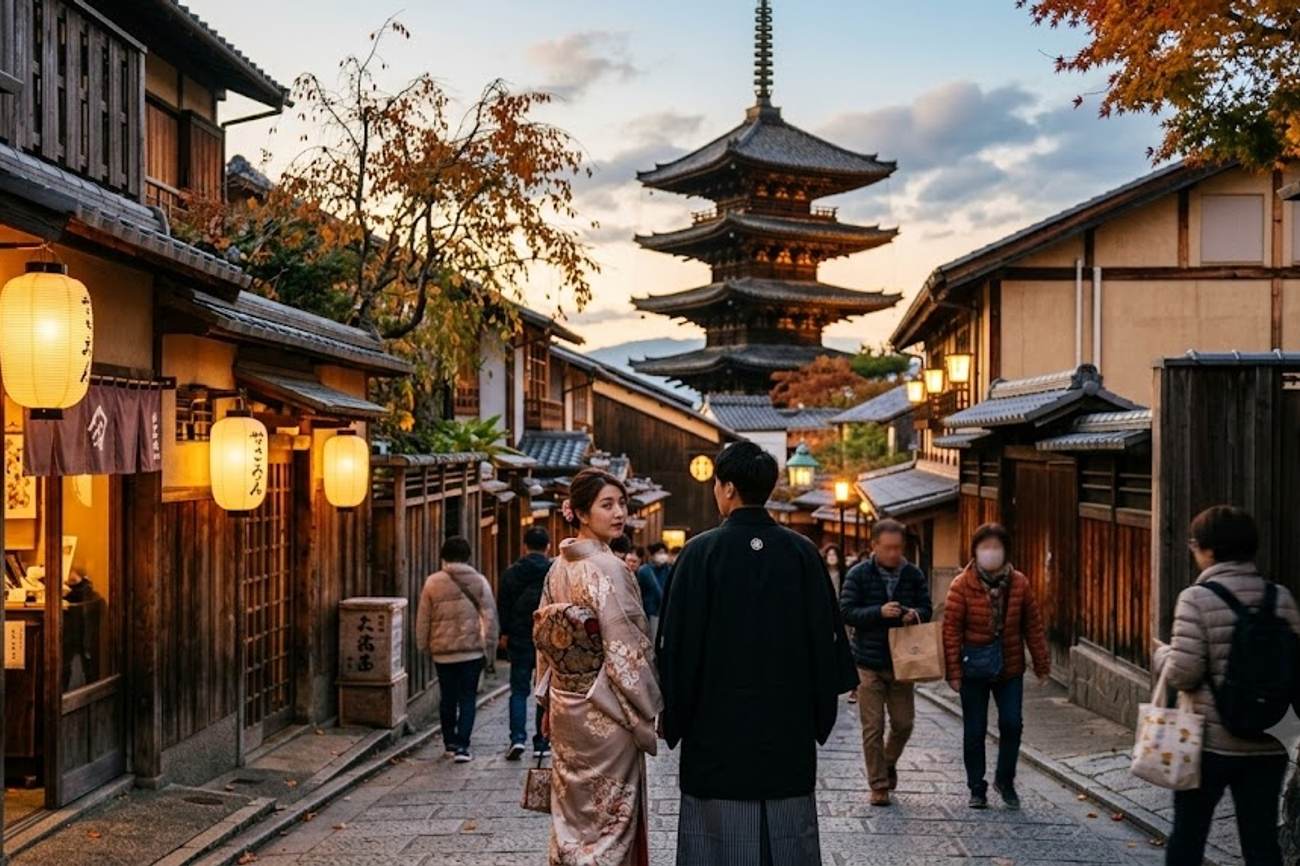
Image generated by AI
[Tokyo, October 2024] — International tourist arrivals to the Tokyo Metropolitan Area and Kyoto City have plummeted by 15 per cent year-on-year, triggering an emergency national promotion campaign by the Japanese government to stabilize local economies.
The downturn, confirmed by data from the Japan National Tourism Organisation (JNTO), marks the first sustained double-digit decline in Japan's primary urban hubs outside of a global health or geopolitical crisis. In response, the Ministry of Land, Infrastructure, Transport and Tourism (MLIT) is reallocating significant budget reserves to drive "travel dispersal," pushing foreign visitors away from saturated cities and toward secondary prefectures to offset the losses in the hospitality and retail sectors.
The Catalyst for Urban Contraction
The collapse in visitor numbers is not the result of a single event but a convergence of economic pressures and intentional policy shifts. In Tokyo, the decline is primarily attributed to a stabilization of the Yen—which has reduced the "bargain" appeal for foreign currency holders—and significant inflation in long-haul airfares. This has specifically deterred independent leisure travelers from North America and Western Europe.
In Kyoto, the decline is partially engineered. The city has implemented aggressive crowd-control measures and municipal accommodation tax hikes to combat years of extreme overtourism. These policies, combined with restricted vehicular access in heritage districts like Gion, have led international tour operators to reroute itineraries toward lesser-known historical sites in Western Honshu.
Markets and Regions Impacted
The contraction is not uniform across the country. While the "Golden Route" (Tokyo-Kyoto) is suffering, secondary regions are seeing growth as the government successfully diverts traffic.
| Regional Sector | Year-on-Year Change | Primary Drivers |
|---|---|---|
| Tokyo Metropolitan Area | -15.2% | Yen stabilization, high airfares |
| Kyoto Prefecture | -14.8% | Tax hikes, dispersal policies |
| Secondary Prefectures (Tohoku, Kyushu) | +8.4% | DMO promotion, new direct flights |
| National Total Inbound | -4.1% | Geographic reallocation of itineraries |
Kyoto Municipal District Breakdown: The impact within Kyoto is most severe in its most famous cultural zones:
- Gion / Higashiyama: Foot traffic fell by 18.6%, with hotel occupancy dropping 11.2%.
- Arashiyama / Sagano: Foot traffic fell by 16.1%, with hotel occupancy dropping 9.5%.
- Central Kawaramachi: Foot traffic fell by 14.2%, with hotel occupancy dropping 10.8%.
- Kyoto Station Gateway: Foot traffic fell by 12.4%, with hotel occupancy dropping 14.0%.
What This Means for Travelers
For those currently planning a trip to Japan, this shift in visitor volume and government policy creates several immediate practical implications:
1. Lower Crowds in Major Hubs: Travelers visiting Tokyo and Kyoto can expect significantly less congestion at major landmarks and shorter queues for popular attractions. The "overtourism" crisis that defined the post-pandemic surge is temporarily receding in these specific zones.
2. Shifting Costs: While hotel occupancy is down, the cost of staying in Kyoto remains high due to the municipal accommodation taxes mentioned by the Japan Tourism Agency (JTA). Travelers should budget for these additional local levies.
3. Better Value in Regional Japan: With the government promoting secondary prefectures like Tohoku and Kyushu, travelers may find more incentives, better hotel deals, and improved direct flight options to regional airports, bypassing the congestion of Haneda or Narita.
4. Reduced Spending Power: The stabilization of the Yen means the extreme discounts previously enjoyed by USD and EUR holders are diminishing. Combined with airfare inflation, the overall cost of a Japan trip is trending upward.
The Government Recovery Strategy
The MLIT is moving away from a strategy of "volume" and toward a strategy of "value and distribution." The new national campaign focuses on three primary pillars:
Travel Dispersal: By funding Destination Management Organizations (DMOs) in rural areas, the government aims to turn the +8.4% growth in secondary prefectures into a permanent trend. This reduces the burden on Tokyo's infrastructure while spreading wealth to struggling rural economies.
High-Worth Cultural Preservation: Instead of mass tourism, the focus is shifting toward attracting high-net-worth individuals who contribute more per capita to the local economy without requiring the same volume of infrastructure.
Transportation Technology: To facilitate this dispersal, the government is investing in advanced transportation technologies to make regional travel more seamless for non-Japanese speakers, reducing the reliance on the central Shinkansen hubs.
The data shows a clear decline in the "intensity" of visits. In Tokyo, the average length of stay has dropped from 5.2 days to 4.1 days. In Kyoto, the stay has shrunk from 3.8 days to 2.9 days. This suggests that even those who do visit are spending less time and money in the cities. Per capita daily retail spend in these hubs has fallen from ¥32,500 to ¥27,100, while lodging spend dropped from ¥48,000 to ¥41,200.
FAQ: Japan Travel Trends 2024
Is it cheaper to visit Tokyo and Kyoto now? Not necessarily. While there are fewer crowds, the stabilization of the Yen and increased municipal taxes in Kyoto mean the cost of living and lodging remains high. However, you may find more competitive hotel rates due to lower occupancy.
Which regions in Japan are currently being promoted as alternatives? The government is heavily promoting secondary prefectures, specifically mentioning the Tohoku and Kyushu regions. These areas have seen an 8.4% increase in visitors due to new direct flight options and localized promotion.
Why are there fewer tourists in Kyoto specifically? Kyoto has intentionally implemented "anti-overtourism" measures, including higher accommodation taxes and restricted access to heritage zones like Gion, which has led some tour operators to bypass the city entirely.
Are flights to Japan becoming more expensive? Yes. One of the primary drivers of the 15.2% drop in Tokyo visitors is long-haul airfare inflation, making the journey more expensive for travelers from North America and Europe.
Japan is pivoting from the chaos of the tourist surge to a calculated strategy of regional redistribution.
#TokyoTourism2024 #KyotoTravelTrends #JNTO #MLIT #JapanRegionalTravel #TohokuKyushuGrowth
Related Travel Guides
- Maldives Island Travel Is Now Set To Unlock A New Opportunity As Daily Kudahuvadhoo Flight Service Starts
- Mexico Unites with Colombia and More South American Destinations Extracting Over 10 Million Accommodation Tax Revenue as Events Rocketing High
- US Tourists Defy Paris Chaos as 6.4 Million Visitors Trigger a Stunning French Tourism Surge in 2026
Disclaimer
This article is for informational and educational purposes only. It does not constitute legal, financial, or professional advice. While we strive to provide accurate and up-to-date information, travel policies, regulations, and conditions change rapidly. Always verify information with official sources before making travel decisions. Nomad Lawyer makes no representations about the accuracy, reliability, completeness, or suitability of the information provided. Readers should consult qualified professionals for advice specific to their circumstances. The views expressed in this article are those of the author and do not necessarily reflect the views of Nomad Lawyer.
Naina Thakur
Contributor & Travel Specialist
Travel enthusiast and legal writer covering visa regulations, responsible tourism, and cultural journeys across global destinations.
Learn more about our team →