
Australia, New Zealand and Other Pacific Nations Are Developing as Primary Choices for Extended Oceania Vacations
Australia, New Zealand and Other Pacific Nations Are Developing as Primary Choices for Extended Oceania Vacations

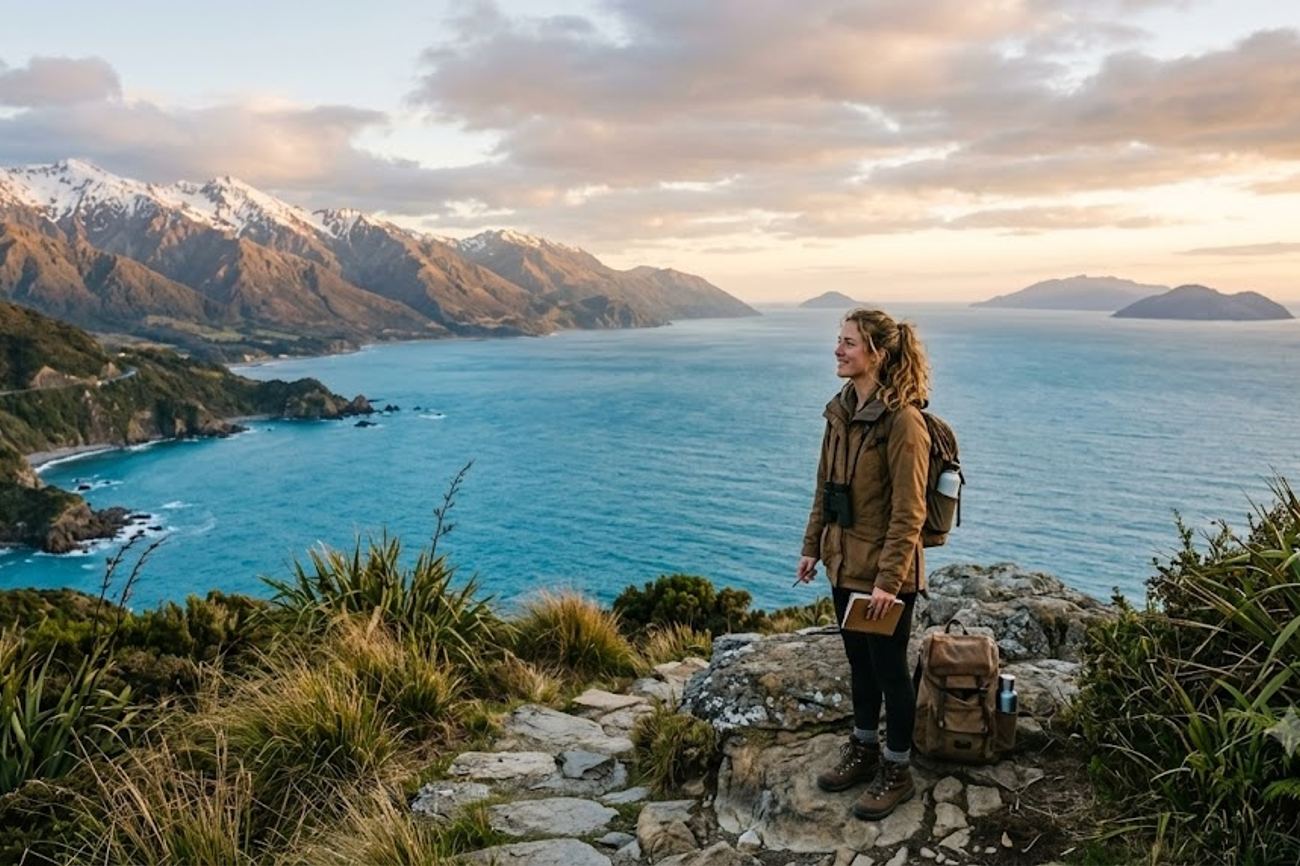
Image generated by AI
New Zealand’s international visitor arrivals reached 201,900 in June 2026, a figure that signals a decisive shift toward long-haul recovery and high-value tourism in the Oceania region. This surge in arrivals is not merely a return to baseline numbers but represents a structural change in how travelers approach the South Pacific, moving away from short-stop itineraries toward multi-week, immersive experiences.
The Oceania Pivot: High-Value Long-Stay Data
The 2026 data indicates a clear migration of traveler preference toward "slow travel" within the Oceania region. While traditional tourism often relied on high-volume, short-duration visits, the current trajectory shows a preference for extended stays that blend luxury, nature, and indigenous culture. This shift is most evident in the diversification of source markets; while Australia remains a primary driver for Pacific islands, there is a measurable increase in high-spending visitors from the United States, China, and Europe.
The demand is specifically concentrated in "experience-driven" segments. In Australia, the growth is fueled by a combination of nature-based tourism (Great Barrier Reef) and event-based travel. In the Pacific islands, the data shows a bifurcated market: ultra-luxury demand for overwater villas in French Polynesia and Bora Bora, and a rising interest in low-density, authentic cultural immersion in Samoa and the Cook Islands. This suggests that travelers are no longer treating Oceania as a monolithic destination but are selecting specific islands based on a desire for either extreme seclusion or deep cultural connectivity.
According to data trends tracked by the World Travel & Tourism Council (WTTC), the global shift toward "meaningful travel" is manifesting in Oceania through longer average lengths of stay. The integration of remote work capabilities has further decoupled travel from strict two-week vacation windows, allowing professional nomads to combine leisure with extended residency in regional hubs.
Regional Performance and Market Shifts
When comparing the current 2026 trajectory against previous recovery phases, the distinction lies in the "value per visitor" rather than just the "volume of visitors." New Zealand's June 2026 arrival figure of 201,900 is a benchmark for the region's ability to attract premium travelers who prioritize wilderness retreats and adventure tourism over mass-market packages.
The competitive landscape of the Pacific is also shifting. While Fiji remains the dominant force in the tropical long-holiday segment due to its established infrastructure and direct flight connectivity, destinations like Vanuatu and Papua New Guinea are carving out niche growth in the expedition and adventure sectors. Papua New Guinea, in particular, is seeing a rise in high-value adventure seekers focusing on the Kokoda Track and tribal cultural festivals, moving the destination from a purely academic or diplomatic visit to a luxury expedition market.
| Destination | 2026 Primary Demand Driver | Key Source Markets | Market Position |
|---|---|---|---|
| Australia | Nature & Event-Based Luxury | USA, UK, China, Japan | Diversified Powerhouse |
| New Zealand | Adventure & Wellness | Australia, USA, UK, China | High-Growth Premium |
| Fiji | Family & Honeymoon Luxury | Australia, NZ, USA, UK | Tropical Market Leader |
| Cook Islands | Low-Density Slow Travel | Australia, NZ, USA | Authentic/Niche |
| French Polynesia | Ultra-Luxury Romance | USA, France, Australia | Exclusive High-Spend |
| Samoa | Eco-Tourism & Culture | NZ, Australia, USA | Emerging Authentic |
| Vanuatu | Volcano & Marine Adventure | Australia, NZ, New Caledonia | Experiential Recovery |
| New Caledonia | French-Pacific Lifestyle | France, Australia, NZ | Cultural Hybrid |
| Papua New Guinea | Expedition & Tribal Culture | Australia, USA, Europe | Niche Adventure |
What This Means for Travelers
The transition toward long-stay, high-value tourism in Oceania creates specific pressures on availability and pricing. For those planning trips in 2026, the data suggests that the "last-minute" booking window has effectively closed for premium accommodations.
If you are targeting luxury lodges in New Zealand or overwater villas in Bora Bora, booking 6-9 months in advance is now a requirement. The surge in arrivals—exemplified by New Zealand's June data—indicates that peak season capacity is being reached faster than in previous years. Furthermore, the rise of "slow travel" means that multi-destination itineraries (e.g., combining a Sydney cultural break with a Queensland reef holiday) require more complex logistics. Travelers should prioritize securing internal regional flights and boutique lodge bookings before finalizing international airfare.
For those seeking to avoid the crowds mentioned in the 2026 trends, the data points toward Samoa and the Cook Islands. These destinations are currently positioned as "low-density" alternatives. Travelers seeking authenticity should pivot their budgets toward these markets, where the growth is steady but has not yet reached the saturation levels of Fiji or the primary Australian hubs. To monitor real-time flight capacity and route expansions in this region, travelers should reference OAG for the latest schedule changes.
Projection: The 2027 Oceania Outlook
Based on the current growth in high-value arrivals and the shift toward extended stays, the region is moving toward a "quality over quantity" tourism model. We can project that by 2027, the reliance on traditional tour packages will continue to decline in favor of bespoke, modular itineraries.
The expansion of direct flight connectivity to smaller Pacific hubs will likely decentralize tourism, moving the weight away from major gateways like Sydney or Auckland and distributing it more evenly across the islands. We expect to see a rise in "hub-and-spoke" travel patterns, where visitors spend two weeks in a primary country (Australia or New Zealand) and then utilize regional carriers to spend an additional 10-14 days in destinations like Vanuatu or Samoa.
Furthermore, the influence of the International Air Transport Association (IATA) regarding sustainable aviation fuels and carbon offsetting will likely play a larger role in how long-haul travelers justify these extended journeys. The "investment" in travel time and money mentioned in the 2026 data will likely evolve into a trend of "conscious longevity," where travelers visit fewer regions but stay significantly longer to reduce their per-day carbon footprint.
FAQ: Oceania Long-Haul Trends 2026
Will travel costs to Oceania increase in 2026? Yes. The shift toward "high-value" and "premium" experiences, combined with increased demand in New Zealand and Australia, is driving up prices for luxury lodges and boutique experiences. Expect higher premiums for peak-season bookings.
Is it better to book a package or a custom itinerary? Custom itineraries are currently trending. The 2026 data shows a preference for "slow travel" and immersive experiences, which are rarely captured in standard packages. Designing a modular trip allows for the extended stays currently favored by the market.
Which destinations are best for avoiding crowds? Samoa and the Cook Islands are currently the strongest options for those seeking low-density tourism. While Fiji and Australia are seeing strong momentum, these smaller islands are specifically attracting those looking for authentic, less-crowded escapes.
When is the ideal time to book for a 2026 Oceania trip? Given the recovery momentum seen in New Zealand's 201,900 June arrivals, booking 6-12 months in advance is recommended for premium accommodations and peak-season travel to ensure availability.
The South Pacific is no longer a bucket-list checkbox; it has become a destination for residence and deep exploration.
#OceaniaTourism2026 #HighValueTravel #NewZealandArrivalsData #PacificIslandSlowTravel #LuxuryExpeditionGrowth #LongHaulMarketShift
Related Travel Guides
Disclaimer
This article is for informational and educational purposes only. It does not constitute legal, financial, or professional advice. While we strive to provide accurate and up-to-date information, travel policies, regulations, and conditions change rapidly. Always verify information with official sources before making travel decisions. Nomad Lawyer makes no representations about the accuracy, reliability, completeness, or suitability of the information provided. Readers should consult qualified professionals for advice specific to their circumstances. The views expressed in this article are those of the author and do not necessarily reflect the views of Nomad Lawyer.
Naina Thakur
Contributor & Travel Specialist
Travel enthusiast and legal writer covering visa regulations, responsible tourism, and cultural journeys across global destinations.
Learn more about our team →