
Ladakh High-Altitude Wildlife Safari: Snow Leopard Debut
Ladakh administration launches India's first high-altitude wildlife safari, offering snow leopard tracking and eco-tourism programs in 2026.

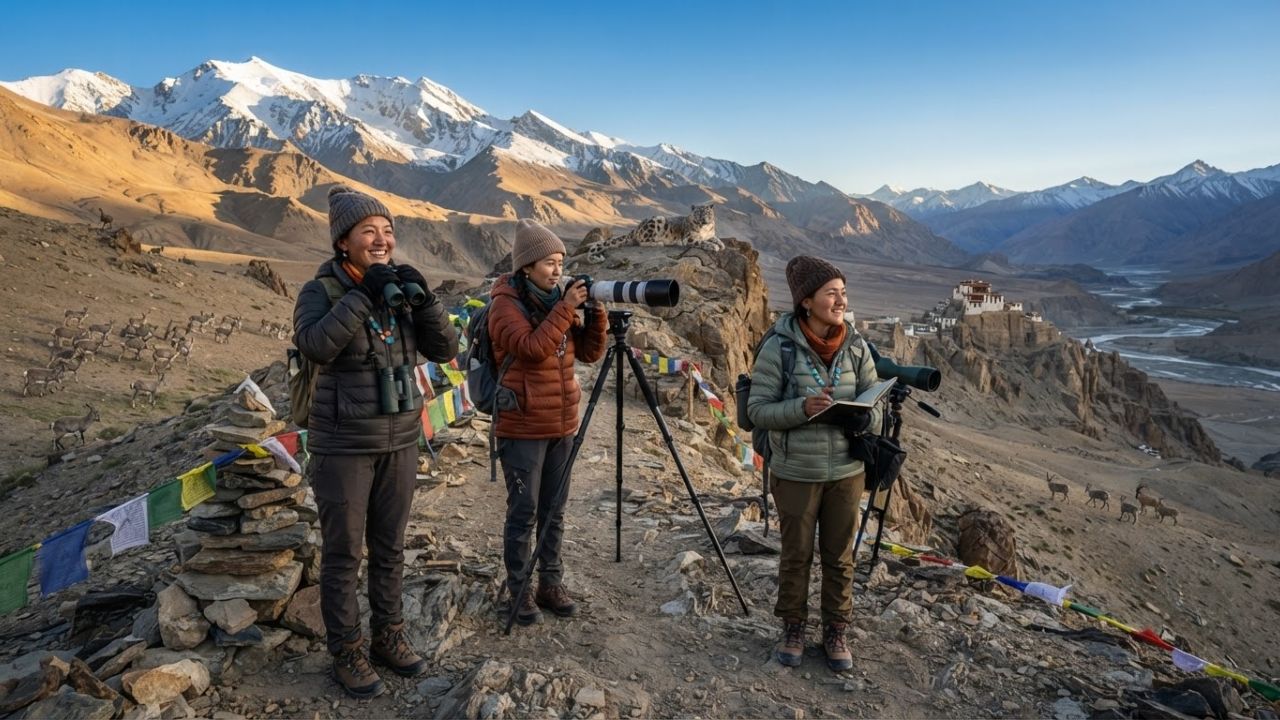
Image generated by AI
Ladakh High-Altitude Wildlife Safari: Snow Leopard Debut
SEO Title: Ladakh High-Altitude Wildlife Safari: Snow Leopard Debut 2026 Meta Description: India launches its first high-altitude wildlife safari in Ladakh. Track snow leopards in Hemis National Park and manage mountain transit safety. Slug: ladakh-high-altitude-wildlife-safari-snow-leopard-2026 Standfirst: India has launched its first conservation-led high-altitude wildlife safari in Ladakh, providing structured eco-tours to track the endangered snow leopard across Hemis National Park.
Article
[Leh, August 7, 2026] — The Administration of the Union Territory of Ladakh has announced the launch of India's first high-altitude wildlife safari. Strategically centered around Hemis High Altitude National Park in eastern Ladakh, the program offers guided tracking excursions to view the rare snow leopard, alongside other mountain species such as the Himalayan blue sheep (bharal), Asiatic ibex, Tibetan wolf, and red fox.
Unlike traditional forest safaris, the Ladakh initiative requires travelers to explore rugged rocky valleys and cold desert heights on foot. To protect this fragile mountain environment, the administration is enforcing strict regulatory controls, including mandatory conservation guides, limited visitor permits per sector, and designated waste management protocols for tour operators.
These mountain travel initiatives develop alongside high-altitude pass routes described in Exploring 8 High Altitude Mountain Passes in Ladakh: Essential Guide to Khardung La, Chang La, and Zoji La 2026, and disaster management protocols reported in Ladakh Issues Urgent Landslide Warning, Activating Proactive Disaster Management Protocols for Hilly Corridors: New Travel Alert.
Ladakh Wildlife Safari & Habitat Specifications
The following table summarizes the primary exploration zones, elevation ranges, and key target species managed under the new conservation safari framework.
| Safari Exploration Zone | Altitude Elevation Range | Key Target Wildlife Species | Access Gate / Hub | Conservation Authority |
|---|---|---|---|---|
| Hemis National Park | 3,300m to 6,000m elevation | Snow leopard, blue sheep, ibex | Chilling Gate entrance | Dept of Wildlife Protection |
| Rumbak Valley | 3,800m to 4,800m elevation | Snow leopard primary movement | Spituk trekking corridor | Dept of Wildlife Protection |
| Tsokar Basin | 4,500m to 4,900m elevation | Tibetan argali & black-necked crane | Karu highway junction | MoEFCC India |
| Changthang Sanctuary | 4,200m to 5,500m elevation | Kiang (wild ass) & Tibetan wolf | Upshi transit checkpoint | Dept of Wildlife Protection |
Safari boundaries and wildlife protection guidelines verified in coordination with reports from UT Ladakh Administration and the Ministry of Environment, Forest and Climate Change (MoEFCC).
Traveler Logistics Guide
From a ground-level perspective, the best way to navigate this is to build in a minimum of 48 hours of complete rest in Leh (3,500m) upon arrival before undertaking any trekking or safari activities to prevent acute mountain sickness (AMS).
- Mountain Pass Safety Planning: Review road conditions when planning vehicle transit across high passes. Safety details are discussed in Exploring 8 High Altitude Mountain Passes in Ladakh: Essential Guide to Khardung La, Chang La, and Zoji La 2026.
- Weather and Landslide Alerts: Monitor meteorological warnings before embarking on remote valley routes. Disaster protocols are reported in Ladakh Issues Urgent Landslide Warning, Activating Proactive Disaster Management Protocols for Hilly Corridors: New Travel Alert.
- Inner Line Permit Vetting: Obtain mandatory Inner Line Permits (ILP) electronically via the official Ladakh portal before traveling to restricted border zones like Changthang or Tsokar.
- Thermal Layering Standards: Pack windproof outer layers, heavy thermal underwear, and insulated boots, as temperatures in snow leopard habitats regularly fall below -10°C during active spotting hours.
Infrastructure Impact Assessment
By channeling adventure tourism revenues into community-managed homestays, the safari program incentivizes local villages to actively protect the snow leopard instead of viewing the predator as a threat to livestock. The expansion of guided eco-tours drives investment in solar-powered heating, eco-lodges, and village communication systems. Reinvesting conservation fees into trail maintenance, trash collection checkpoints, and wildlife range monitoring ensures that Ladakh's high-altitude infrastructure remains low-impact, sustainable, and protective of the Himalayan wilderness.
Related Travel Guides
The 10 Best Things to Know About Ladakh Snow Leopard Safaris, According To Reddit
Disclaimer
This article is for informational and educational purposes only. It does not constitute legal, financial, or professional advice. While we strive to provide accurate and up-to-date information, travel policies, regulations, and conditions change rapidly. Always verify information with official sources before making travel decisions. Nomad Lawyer makes no representations about the accuracy, reliability, completeness, or suitability of the information provided. Readers should consult qualified professionals for advice specific to their circumstances. The views expressed in this article are those of the author and do not necessarily reflect the views of Nomad Lawyer.
Kunal K Choudhary
Co-Founder & Contributor
A passionate traveller and tech enthusiast. Kunal contributes to the vision and growth of Nomad Lawyer, bringing fresh perspectives and driving the community forward.
Learn more about our team →